

Updated on: 2026-07-06
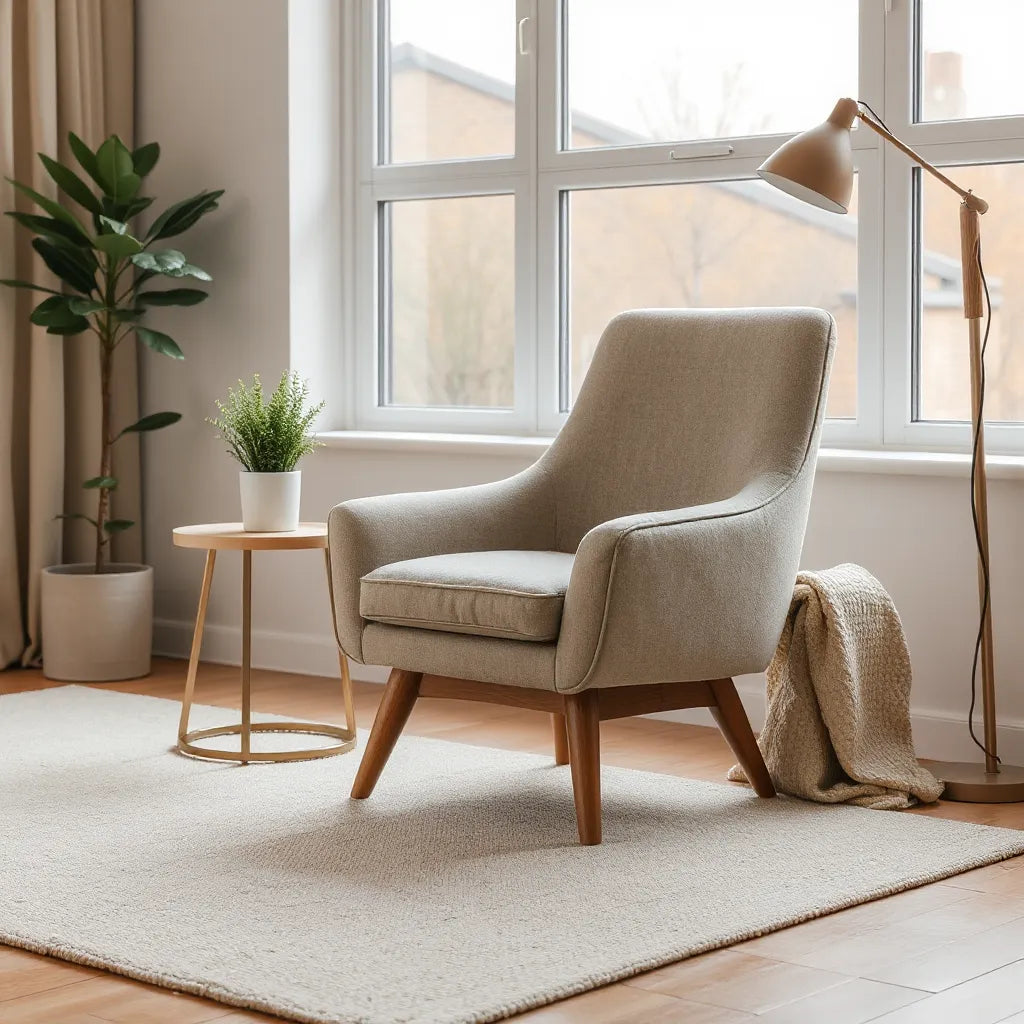
The Yokina Chair is a practical choice for people who want a refined look without sacrificing daily comfort. It supports long seating sessions with a stable, well-considered shape. Its design works in both casual and more styled interiors, including living rooms, reading corners, and home offices. This guide explains what to look for, how to style it, and how to keep it performing well over time.
Table of Contents
1. How to Choose the Right Yokina Chair
2. Design Characteristics That Matter
3. Comfort and Posture Support
4. Styling Ideas for Different Rooms
How to Choose the Right Yokina Chair
Choosing the right seating often starts with fit. The Yokina Chair is designed to integrate smoothly into a home, but the best experience depends on how you plan to use it. Before you decide, evaluate the chair in relation to your space, your daily routines, and your existing furniture.
Begin with measurements. Check the available width around your seating area and ensure there is enough clearance for movement. Then consider height and reach. If you use the chair near a table, confirm that your seating position supports comfortable posture and does not force your body into an awkward angle.
Next, think about the “place in your day.” A chair for reading may need slightly different comfort from a chair used for quick conversations. The Yokina Chair can serve multiple purposes, but it will feel best when its role is clear. If you expect long sessions, prioritize steady support and a seat you can stay in comfortably.
You should also evaluate visual harmony. A chair often becomes a visual anchor. If your room has strong contrast in color or material, choose tones that complement rather than compete. If your room is minimal, the Yokina Chair can add a subtle focal point without making the space feel busy.

Balanced room layout with clear seating clearance
Design Characteristics That Matter
The visual strength of the Yokina Chair comes from thoughtful proportions. It is not only about appearance. Good design helps the chair feel coherent from every angle: from the view across the room to the details you notice when you sit down.
One key aspect is how the chair frames the body. The back and seat should feel like they belong together, supporting the way you naturally sit. When design is well executed, there is less need to adjust repeatedly during the day. That reduces small discomforts and supports a calmer experience.
Another consideration is material tone and surface finish. Chairs with versatile styling typically work with a range of interior themes. If your home uses wood tones, neutral fabrics, or metal accents, a chair with a compatible palette will blend more easily. If you frequently change décor, a versatile look reduces the risk of buying something that feels dated quickly.
Finally, consider the chair’s silhouette. A clean, structured profile can make a room feel more organized. If you want your interior to feel light, ensure the chair does not visually overwhelm the space. The Yokina Chair is often selected because its presence feels intentional while remaining adaptable.
How the Yokina Chair complements modern and classic spaces
Interior styles change, but certain fundamentals remain constant. People often want balance, comfort, and clean lines. The Yokina Chair tends to support those priorities by offering a design that fits common room layouts. Whether your space leans modern or classic, you can build the rest of the décor around a stable visual foundation.
If you are designing near other seating pieces, you can align the overall tone. For example, you may pair it with an accent chair style or keep surrounding elements in a consistent color family. If you also explore bar seating, you can extend the same design logic by choosing complementary shapes and finishes.
Comfort and Posture Support
Comfort is more than softness. It is the interaction between seat shape, back support, and how easily you can maintain posture. A well-made chair helps your body feel “held” rather than merely placed.
The Yokina Chair is built to support everyday sitting. It typically works well for tasks that require attention, such as reading, writing, or using a laptop in a home workspace. When you select seating, consider how often you expect to sit and how you use the chair. A good chair should support movement without making you feel constrained.
Seat depth matters. Too little depth can cause sliding and pressure points. Too much depth can pull your posture forward. Aim for a fit that keeps your back supported while allowing your feet to feel stable. If the chair will be used with armrests or near arm-friendly tables, confirm that your arms rest naturally.
Back support is another essential element. Look for a backrest that maintains contact with your upper body. This encourages a relaxed posture and reduces the tendency to slouch during longer periods. The ideal result is a chair that does not require constant correction.
Even the best chair can feel wrong if the environment is incorrect. Ensure lighting is adequate, your table height matches the chair, and you do not place the chair where you constantly twist to reach items.
Styling Ideas for Different Rooms
The Yokina Chair can be styled in several ways depending on your room layout and the atmosphere you want. The most effective styling is usually simple: choose a small number of complementary colors and keep textures coordinated.
Living room and lounge areas
In living rooms, position the chair where it can serve as an inviting spot. Pair it with a side table for practical use and add a soft throw or cushion to enhance comfort. If your living room includes a sofa, keep the chair’s visual weight balanced. For example, a chair that feels structured can pair well with a softer sofa texture.
If you want to create a reading corner, place the Yokina Chair near a light source. Then add a small lamp, a slim table, and a book storage element. This approach creates a “destination” in the room without over-decorating.

Reading corner styling with soft textiles and lighting
Home office and study
A home office benefits from seating that feels supportive and composed. Use the Yokina Chair as a primary task or discussion chair. Keep the desk area uncluttered so the chair remains visually calm. If you need a second seating option for visitors, align the palette between chairs to maintain a consistent look.
You can also use the chair in a meeting nook or collaboration space. The goal is to create a comfortable environment where people can sit naturally during conversations.
Dining and flexible seating
Some rooms require seating that works beyond a single purpose. If your space allows, the Yokina Chair can function as a dining-adjacent option when paired with suitable tables. Ensure the chair height supports a relaxed eating posture. When used in a flexible way, consistent styling becomes more important so the chair does not disrupt the dining aesthetic.
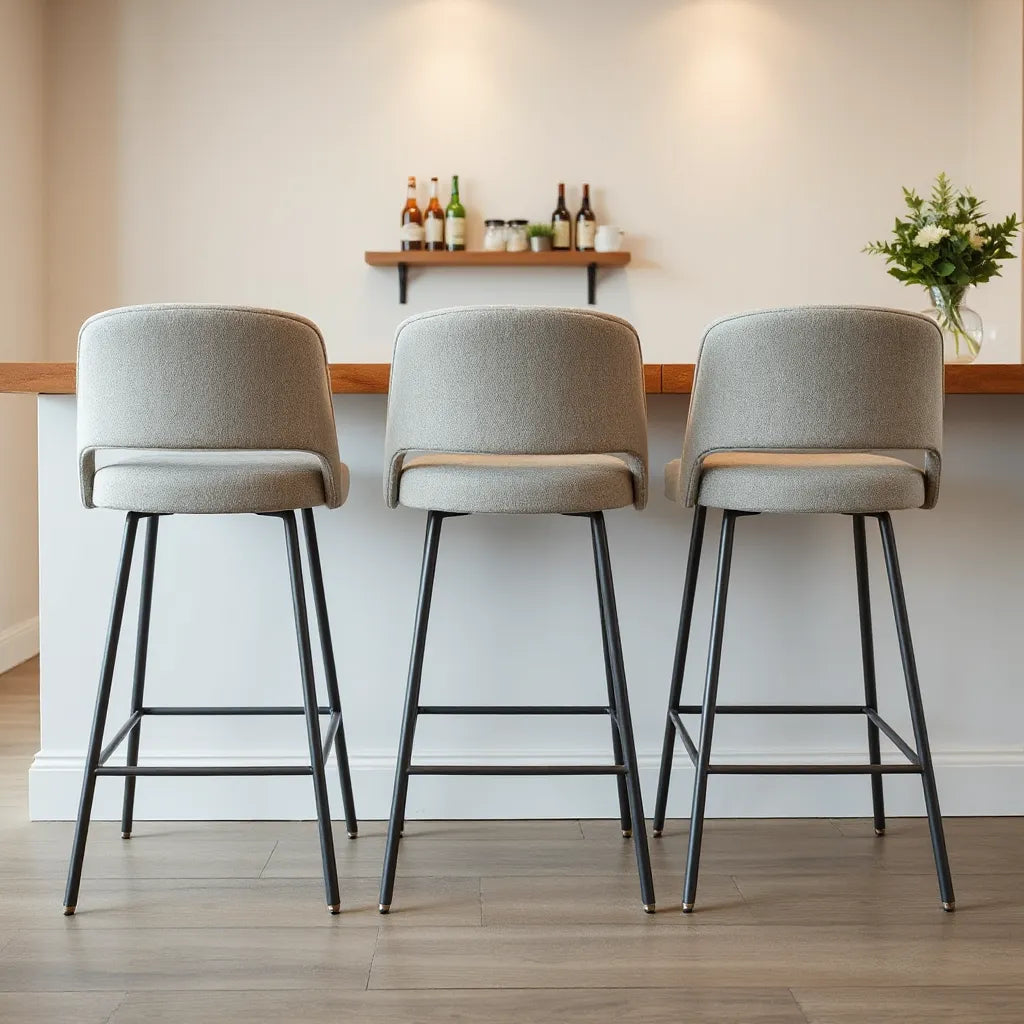
For those who also style bar areas, it can be useful to think about how seating transitions between heights. If your home includes a bar or high counter zone, matching the chair tone can create a smoother flow across spaces. You can explore related seating options from Yokina Chair collection details.
Featured product:
Yokina Chair - designer armchair UK

Note: Product availability, color, and specifications may vary. Confirm details on the product page before purchase.
Maintenance for Everyday Longevity
Longevity comes from consistent care rather than heavy cleaning. The Yokina Chair is intended for everyday use, and proper maintenance helps preserve its appearance and comfort. Use a simple routine and avoid aggressive cleaning methods that could damage finishes.
Start with dust control. Regularly remove surface dust using a soft brush or a microfiber cloth. Dust can settle into textures and reduce the chair’s visual clarity over time. A light weekly wipe is often enough to keep the chair looking fresh.
For spot cleaning, handle messes quickly. Blot spills immediately and avoid rubbing. Rubbing can spread stains or damage the surface. Use a gentle cleaner suitable for the chair’s material, and test it in an inconspicuous area first.
Check the chair periodically for loose parts or changes in seating feel. Tighten any hardware as recommended by the manufacturer. Small checks prevent bigger issues and help the chair maintain stable support.
Protect your chair from excessive sun exposure if possible. Direct sunlight can fade some upholstery or alter surface tone over time. If the chair sits near a window, consider using curtains or blinds to manage light.
Finally, rotate how the chair is used when multiple people share the space. If the chair experiences heavier use on one side, rotating its position in the room can reduce uneven wear patterns.
Common Mistakes to Avoid
Many customers focus on style first and overlook factors that determine daily satisfaction. The most common buying mistakes are easy to avoid with a structured approach.
Ignoring measurements: A chair that looks perfect in a showroom can feel cramped at home. Confirm clearance, table fit, and how the chair aligns with your existing layout.
Choosing based on appearance alone: Comfort affects how often you use a chair. Evaluate how it feels for the types of tasks you actually do.
Overlooking room balance: If the chair style clashes with your furniture, the room may feel visually unbalanced. Keep colors and textures coordinated.
Skipping maintenance basics: Dust and minor spills accumulate. A short cleaning routine prevents larger issues and preserves the chair’s look.
Placing it in the wrong light: Harsh glare or dim lighting makes seating feel less inviting. Place the chair where it supports comfortable reading or conversations.
If you are comparing different seating options, consider anchoring your decision around one central need: comfort for daily use or a specific aesthetic goal. The Yokina Chair is often selected because it supports both.
Final Thoughts & Takeaways
The Yokina Chair stands out when you want a seating piece that looks considered and feels practical. When you choose based on measurements, posture support, and visual harmony, the result is a chair that works in real daily life. Styling it thoughtfully helps the chair blend with your existing design while still acting as a gentle focal point.
To get the best long-term value, maintain it with a light, consistent routine. Dust regularly, address spots quickly, and protect it from harsh sun exposure. With these steps, your chair can stay comfortable and attractive as your home evolves.
If you are ready to refine your seating setup, review the chair details on the product page and compare it to your room layout. For adjacent décor ideas, you may also explore complementary seating styles such as Izumi chair options or other living-room pieces from Toshiro chair styles.
Q&A Section
What is the best room placement for the Yokina Chair?
Place the Yokina Chair where it supports your routine. For reading and quiet tasks, position it near a stable light source and a small side table. In living rooms, keep it within easy reach of your conversation area. In offices, align it so you do not need to twist your body to use the desk or reach tools.
How should I style the Yokina Chair with existing furniture?
Use a coordinated palette and keep textures consistent. If your room already has wood tones, choose complementary fabric and cushion colors. If your décor is neutral, add one soft accent through a cushion or throw to create warmth. Maintain visual balance by ensuring the chair does not conflict with the shape or scale of nearby pieces.
What maintenance routine helps the chair look its best?
Dust the chair regularly using a soft cloth or brush. For spills, blot immediately and use gentle cleaning appropriate to the chair material. Avoid rubbing and test any cleaner in a discreet area first. Periodically check fasteners and adjust placement to reduce uneven wear.
How do I know whether the chair will feel comfortable for long sitting sessions?
Focus on stability, seat fit, and back contact. If you can sit with an easy, relaxed posture and you do not feel pressure or frequent slipping, the fit is likely correct. Use the chair in the same way you plan to in daily life, such as for reading or desk work, and confirm that your feet feel stable and your back feels supported.
Is the Yokina Chair suitable for multiple uses in one home?
Yes. Many homes use seating across several spaces, such as a lounge chair in the living room and an occasional desk chair in an office. The Yokina Chair is commonly chosen because its design can adapt to different layouts and décor directions while still offering comfortable everyday use.
About the Author
Nisu Home is a curated home design and lifestyle platform focused on practical, aesthetic interiors. The author team brings expertise in furniture selection, room styling, and product research that supports confident purchasing decisions. This article reflects an objective approach to comfort, design fit, and care practices. Thank you for reading, and we hope your next seating choice brings lasting value to your home.
Disclaimer: This article provides general guidance on chair selection, styling, and care. Product specifications, materials, and care instructions may vary. Always review the details on the Yokina Chair product page and follow the manufacturer recommendations for cleaning and maintenance.


Leave a comment
This site is protected by hCaptcha and the hCaptcha Privacy Policy and Terms of Service apply.