

Updated on: 2026-05-21
A woven pendant light can add warmth, texture, and visual rhythm to many rooms. This guide explains how to choose the right style, size, and light output for your space. You will also learn safe hanging practices and practical ways to match it with other décor elements. By the end, you will have clear steps for planning your installation and styling decisions.
Why a woven pendant light is more than a design detail
A woven pendant light is a practical way to improve both the look and the feel of a room. It brings a soft, natural texture that works well with modern furniture, classic interiors, and minimalist spaces. It also creates a focal point above dining tables, kitchen islands, and reading areas. When you select the right shape and hang height, you can balance style with comfort and everyday function.
In this article, you will learn how to choose one that fits your layout, how to plan placement for the best visual impact, and how to keep the finish looking fresh over time. You will also find expert guidance on light output, bulb types, and installation safety considerations.
Did You Know?
- Many woven shades diffuse light, which can reduce harsh glare.
- Natural and textile textures can make a room feel warmer without adding color.
- Most pendant lights feel “lighter” visually when the shade has an open weave.
- A consistent line, such as repeating pendant shapes, often improves room harmony.
- Hanging height has a strong effect on comfort, especially over dining surfaces.
Expert Tips
- Measure your ceiling height, then decide the desired clearance before you buy.
- Choose a shade size that visually matches the scale of your table or island.
- For task areas, ensure enough brightness by selecting an appropriate bulb.
- Use warm neutral tones in the interior to help woven texture stand out.
- Plan for cleaning early; open weaves collect dust differently than solid shades.
Personal Anecdote
I once replaced a standard ceiling fixture with a woven pendant light in a small dining area. The room did not become brighter in a dramatic way, but it felt more inviting. The light pattern on the wall looked gentle during evening hours. That simple change also helped the space feel more “finished,” even though no other items were replaced. After that, I became more deliberate about shade size and hang height, because those details influence comfort every day.
Woven pendant light basics
A woven pendant light typically uses a woven shade that shapes and softens the light. The weave can be dense or open, and it can be made from different fiber types. The design goal is usually twofold: create visual texture and produce flattering illumination. Even when the shade is decorative, it still affects how light spreads across walls, ceilings, and surfaces.
Before choosing a style, think about your lighting needs. Pendant lights often serve as ambient lighting with some task support. If you are planning layered lighting, such as wall sconces or recessed lights, your pendant can focus on mood and design. If the pendant is the primary light source, you will likely need a higher brightness bulb and a shade that does not block too much light.
One more consideration is the visual rhythm. Many woven designs look best when they align with other texture elements, such as wood finishes, linen fabrics, natural stone, or rattan-style décor.

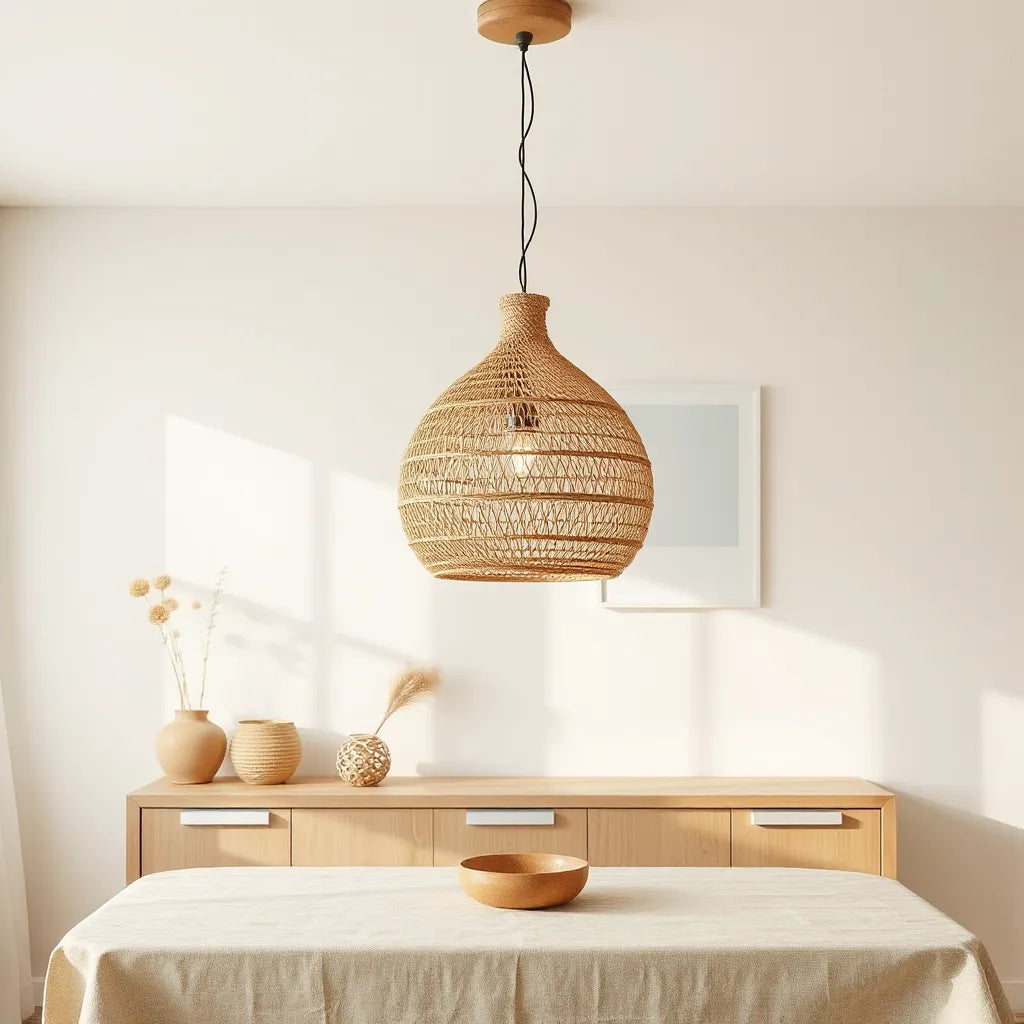
Warm light rays through an abstract woven pattern
Sizing and placement
Correct sizing is one of the strongest drivers of a polished result. A pendant that is too small can look unfinished above a table. A pendant that is too large can dominate the room and create visual imbalance. The best approach is to match the pendant scale to your surface dimensions and the overall ceiling proportions.
For dining tables, a common method is to select a pendant whose widest part is roughly proportional to the table width. When using multiple pendants, consider even spacing and consistent height so the arrangement reads as intentional. Over kitchen islands, the pendant should also coordinate with the island length and the available clearance for daily movement.
Hang height matters. Too high can reduce impact and make the light feel detached from the room. Too low can interfere with sight lines and comfortable conversation. Consider the height of people at the table and any background elements such as cabinet doors or ceiling fans.
If you have a two-story space or a sloped ceiling, plan carefully. A woven pendant light can look stunning in these areas, but you should ensure stable mounting, correct wiring length, and a safe, centered position relative to your architectural lines.
Material and durability
Woven shades can be crafted from natural fibers, synthetic fibers, or blends. Natural options often bring an organic look and a gentle texture. However, natural fibers may be more sensitive to moisture and long-term dust accumulation. Synthetic options can offer better resistance to humidity, and many modern weaves are designed to hold their shape more consistently.
When evaluating durability, check construction details. Look for a sturdy inner frame, a secure attachment point for the socket area, and a shade that maintains shape when handled. A well-made woven pendant should not sag easily, and it should align smoothly with the canopy and wiring.
Color and finishing also influence longevity. Lighter tones may show dust more visibly, while darker tones can hide everyday residue. If your room experiences frequent cooking fumes, consider air ventilation and more frequent cleaning schedules.
Light effect and bulb choices
The weave determines how light passes through. Dense patterns create a more focused glow. Open weaves can produce a softer spread with visible shadow texture on nearby surfaces. The result can be an artistic atmosphere, especially at night.
When selecting bulbs, choose based on your intended function. For a reading area, you may prefer higher brightness and a neutral-to-warm temperature to support visual comfort. For dining ambience, warm temperatures often feel more natural and flattering. If your pendant shade is very open, you might also adjust brightness to avoid glare.
Additionally, consider dimming compatibility. If you use a dimmer, select bulbs that work properly with the dimmer type. Stable flicker-free output matters for eye comfort. Always follow the manufacturer’s bulb guidance and electrical rating information.
Luna Light

Shop Luna Light
Color and décor fit
Woven textures pair naturally with many décor styles because the visual language is organic and tactile. To make the pendant feel cohesive rather than random, coordinate it with at least one other element in the room. Common matches include:
- Wood tones and natural cabinetry finishes
- Textiles such as linen curtains, woven rugs, or upholstered dining chairs
- Metal accents in warm shades like brass or bronze
- Neutral palettes with layered warmth, including cream, sand, and light taupe
You can also build contrast intentionally. For example, a light woven shade can soften a darker modern interior. A deeper tone woven shade can add warmth to bright minimal spaces. The goal is to keep balance between texture and color so the woven pendant remains a deliberate design anchor.
If you are styling a dining area, your seating also affects the overall harmony. Consider pairing warmer woven tones with wooden or upholstered dining furniture. For a cohesive scene, you may explore options from Toshiro chair or Honin coffee table to reinforce texture and scale relationships.

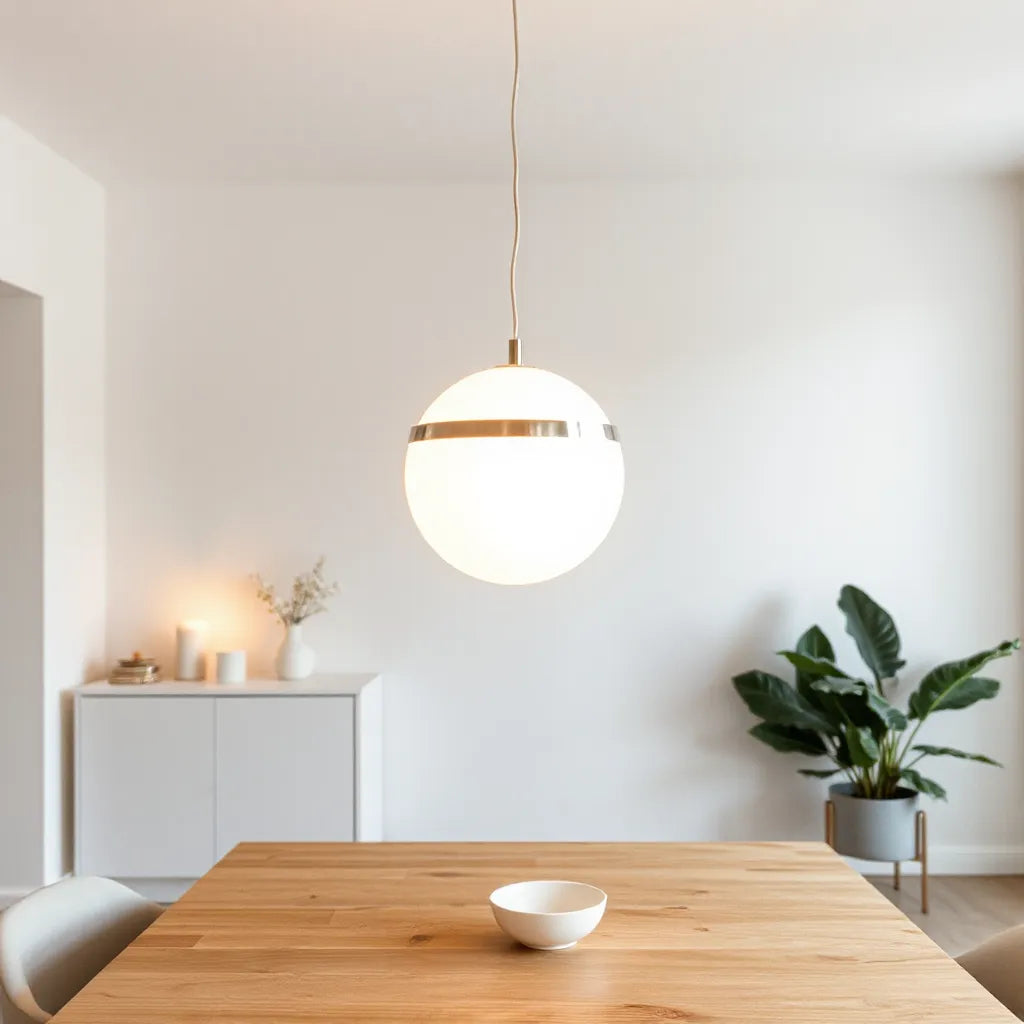
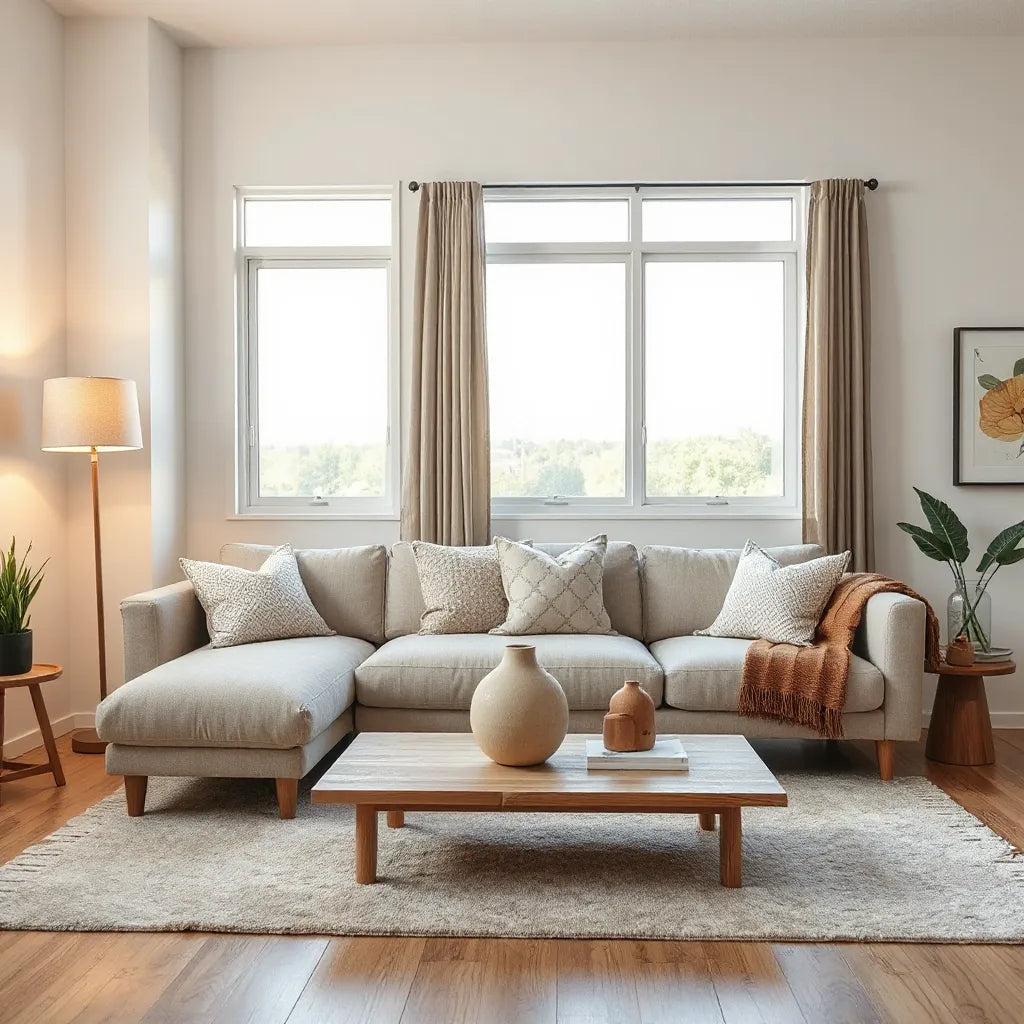
Balanced room palette with woven texture and warm metals
Installation safety checklist
Proper installation is essential for safe, stable operation. Even when design is the priority, wiring and mounting quality determine long-term performance. Start with electrical compatibility. Confirm the ceiling junction box rating, wiring condition, and the pendant’s electrical requirements.
Next, ensure correct mounting stability. The canopy should sit flush to the ceiling surface without gaps. If your ceiling is uneven, use the correct mounting hardware to avoid strain on the electrical connection. For heavier woven designs, verify that the support system is rated for the pendant’s total weight.
Another key safety item is cable management. Keep internal wiring neatly routed and avoid pinching. Ensure strain relief is used if recommended. Also consider clearance from ceiling fans and any exposed components.
Finally, test the fixture before finalizing adjustments. Check that the bulb fits properly, confirm the socket connection is secure, and verify that the shade is stable and centered. If you are not confident with electrical work, consult a qualified professional.
Maintenance and care
Woven shades require routine care to keep them looking fresh. Dust can collect in open weave patterns. Use a soft, dry cleaning method such as a gentle brush attachment or a microfiber cloth. For deeper cleaning, follow the manufacturer’s instructions because woven fibers can react differently to moisture.
Avoid harsh chemicals unless the product documentation confirms compatibility. If you notice trapped debris, use light suction with a brush tool rather than aggressive rubbing. Always power off the fixture before cleaning.
In kitchens and dining spaces, light grease and cooking odors can accumulate. Regular wiping of surrounding surfaces and maintaining good ventilation can reduce residue transfer. Over time, some tonal variation is normal for woven materials, especially in high-sun environments.
Summary & Takeaways
A woven pendant light adds texture, warmth, and character while also shaping the way light travels through a room. For best results, prioritize sizing, placement, and a bulb choice that matches your function. Pay attention to materials and durability, especially if your space has humidity or cooking fumes. With simple cleaning habits and safe installation practices, your pendant can remain a reliable design centerpiece for years.
- Select shade size proportional to your table or island.
- Choose hang height for comfort and clear sight lines.
- Match light output and bulb temperature to the room purpose.
- Coordinate the woven tone with at least one other décor texture.
- Use gentle, routine dusting to preserve appearance.
Q&A Section
How do I choose the right woven pendant light size for my dining table?
Start with table width and ceiling proportion. Select a pendant whose widest part is visually balanced with the table surface. If you use multiple pendants, keep spacing even and align their hanging height for a clean, symmetrical look. Consider whether you need the light to support tasks like reading menus or eating, which may require higher brightness bulbs.
Do woven pendant shades require special bulb types?
They usually do not require special bulb brands, but they do require careful selection of brightness and temperature. Because the weave diffuses light, you may need slightly higher brightness for practical visibility. Warm temperatures often create a more flattering dining ambience, while a slightly neutral approach can support task use. Always check dimmer compatibility if you plan to use a dimmer.
What is the best way to clean a woven pendant shade without damaging it?
Use a soft, dry method first. Gently brush dust from the weave or use a microfiber cloth. For more detail work, a vacuum with a brush attachment can remove debris without heavy contact. Avoid soaking the shade unless the product guidance explicitly allows it, since fibers can warp or discolor.
Can a woven pendant light work in a modern or minimal room?
Yes. Woven texture can soften modern lines and prevent a minimalist space from feeling sterile. To keep the look intentional, use neutral wall and furniture tones, and coordinate metal finishes with other hardware. The goal is to let the shade provide texture while other elements maintain clean geometry.
About the Author Section
Nisu Home is a home and interior guidance platform focused on lighting, comfort, and style coherence. The author, an experienced content strategist in décor and product storytelling, specializes in translating design principles into practical, consumer-ready guidance. The editorial team also supports readers with objective comparisons and maintenance-focused tips. Thank you for reading and for investing in a lighting choice that enhances everyday living.
Disclaimer: This article provides general guidance for lighting selection and home care. Installation involves electrical work, which can be hazardous. If you are unsure about wiring, mounting, or ceiling compatibility, consult a qualified professional and follow the product documentation for your specific fixture.

Leave a comment
This site is protected by hCaptcha and the hCaptcha Privacy Policy and Terms of Service apply.