

Updated on: 2026-05-25
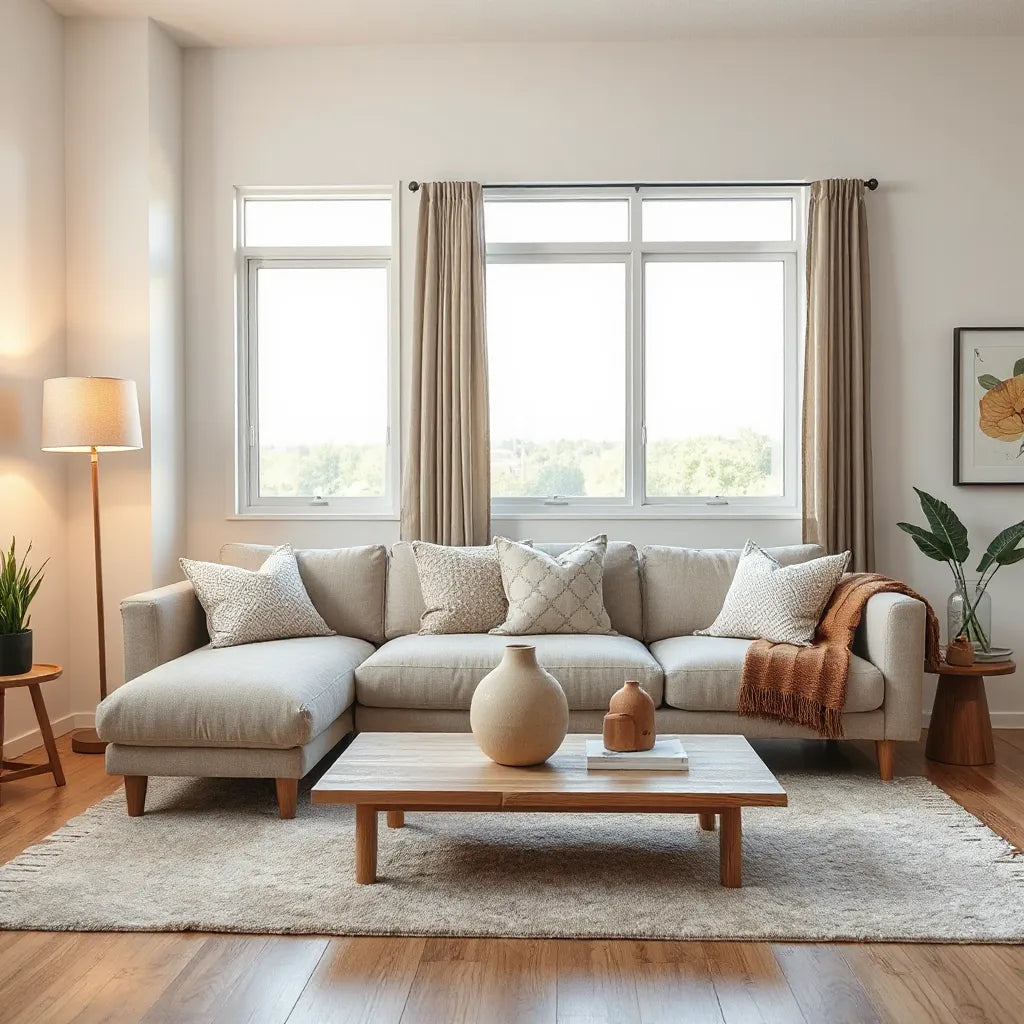
Contemporary home decor helps you create spaces that feel fresh, functional, and visually balanced. The approach combines clean lines, natural materials, and intentional color use. When you choose the right furniture scale, lighting, and textures, your room becomes easier to live in and easier to maintain. This guide explains what matters most, with practical buying steps and decision tools.
Table of Contents
Did You Know?
- Contemporary home decor trends often move faster than classic design styles, but the underlying principles remain stable: balance, proportion, and purposeful contrast.
- People tend to underestimate the impact of lighting temperature. Warmer lighting can soften modern edges, while cooler lighting can sharpen them.
- Texture is one of the most effective ways to avoid a “flat” look in minimalist interiors. A room can feel warm without adding clutter.
- Visual rhythm matters more than matching items. Repeating a shape or material across different pieces can unify the space.
Comparison: Pros & Cons
- Pros: Clean visual structure; flexible styling; works well in open-plan layouts; supports a mix of natural and manmade materials.
- Pros: Easier to update with accents like textiles, art, and lighting rather than replacing large furniture.
- Pros: Helps reduce visual noise through thoughtful spacing and curated surfaces.
- Cons: Requires attention to proportion; oversized or underscaled items can disrupt the look.
- Cons: Overuse of one material or one neutral tone can create a sterile environment.
- Cons: If lighting is ignored, the space can feel harsh or uneven.
Buyer’s Checklist
Before you purchase, confirm that each item supports the overall function of the room. Contemporary decor works best when every piece has a role in the daily routine and contributes to the visual plan.
- Measure first: Record room dimensions and the walking paths between zones.
- Choose the right scale: Select seating height, table height, and storage depth based on everyday use.
- Plan the color system: Use 1 dominant neutral, 1 secondary tone, and 1 controlled accent color.
- Prioritize texture: Look for variation in grain, weave, finish, or matte versus gloss.
- Confirm lighting compatibility: Ensure your fixtures complement the room size and the reflective level of finishes.
- Design for maintenance: Select finishes and fabrics that can be cleaned without major care routines.
- Keep a focal point: One strong element, such as a statement chair or a modern coffee table, should anchor the room.

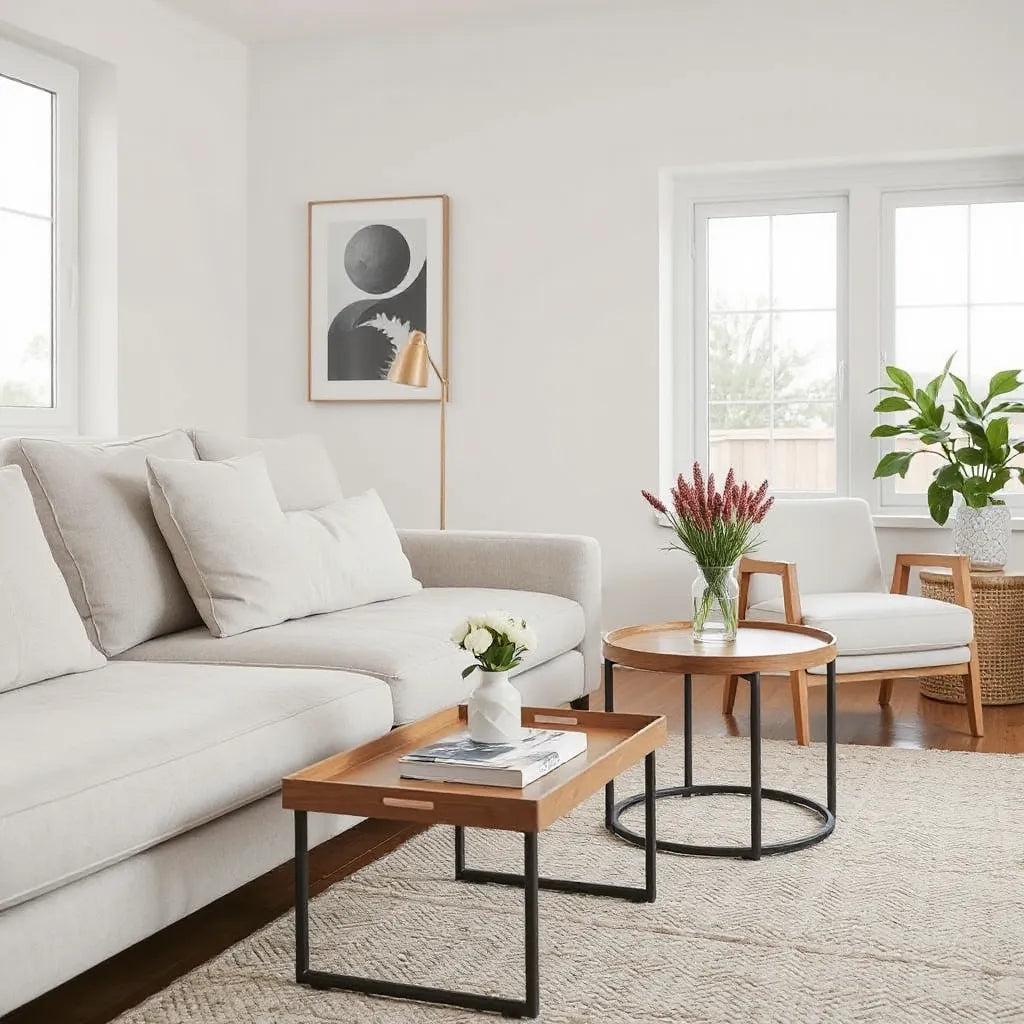
Room layout with spacing lines and simple shapes
Design Rules That Keep It Contemporary
Contemporary home decor is defined by how it blends form and function. It is not about emptiness. It is about clarity. The goal is a space that looks intentional while still feeling livable.
1) Start with proportion, not decoration
In modern rooms, proportion creates stability. If a sofa is too large, the room can feel crowded. If it is too small, the space can feel unfinished. Use the rule of thumb that seating should invite conversation. Coffee tables should sit at a comfortable distance for reach, and storage should not block sight lines in open areas.
2) Use a controlled neutral base
Most contemporary interiors begin with a neutral foundation such as warm white, sand, greige, charcoal, or natural wood tones. This base gives you freedom to add contrast without visual strain. When neutrals are chosen with care, accents feel sharper and the room appears more cohesive.
3) Add contrast through materials
Contrast should be intentional. Pair matte textures with smoother finishes. Combine light wood tones with deeper stain colors. Introduce metal accents in muted finishes to keep the look current without becoming flashy.
4) Choose lines that match the room’s geometry
Architectural details influence design success. If your space has clean, straight lines, select furniture with crisp edges and consistent silhouettes. If your room includes curved features, introduce soft curves through seating or decorative elements. Consistency reduces visual friction.
5) Support comfort with smart layering
A contemporary interior can feel cold if everything is rigid or overly smooth. Layer comfort through upholstery, rugs, and window treatments. A well-chosen rug defines zones and helps balance hard surfaces.
6) Keep decor purposeful
Large collections of small objects often dilute the contemporary look. Replace scatter with a few curated items. Examples include a single large artwork, a minimal sculpture, or a functional tray that organizes everyday items.
When you want a modern dining or seating direction, consider the way seating communicates style. A chair with clean structure and balanced leg design can unify a space more effectively than adding multiple small decor pieces.
For a contemporary seating approach, explore options from Izumi chair and compare how the proportions influence the overall room. For bar-height environments, you can also evaluate the visual presence of Haruto bar stool or Emi bar stool to decide whether you need slimmer silhouettes or more substantial support.
7) Plan storage to protect the clean look
Contemporary spaces feel calm when storage is easy to access and visually consistent. Cabinet fronts, shelving lines, and hidden compartments reduce clutter without requiring frequent organization resets. Choose a storage piece that matches the room’s materials and finish direction.
If you want a refined storage option with a modern feel, review Asuka cabinet and evaluate how its proportions fit your wall space and sight lines.
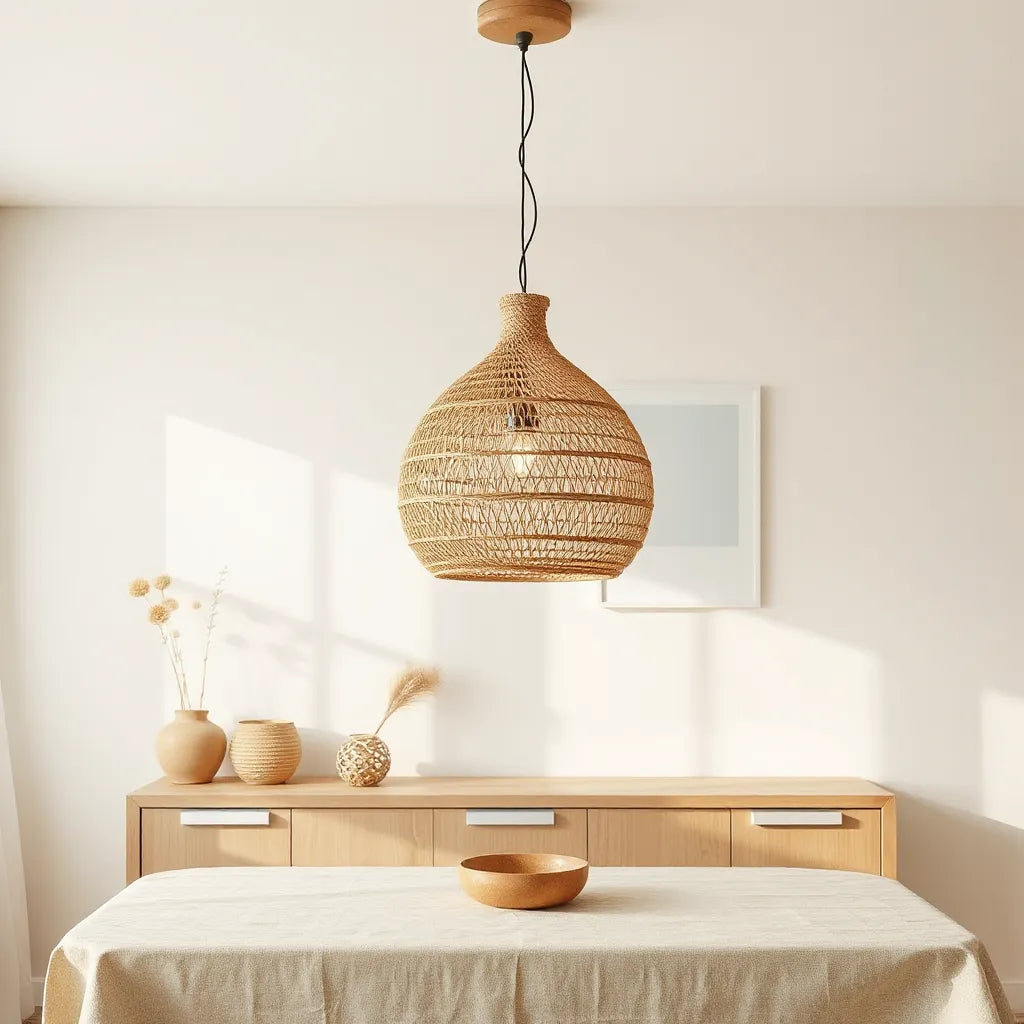
Visual Insight: Texture and Contrast
Texture helps contemporary home decor stay warm and inviting. It adds depth without adding visual weight. Contrast should be measured, so the room remains cohesive.

Matte and woven textures with warm light beams
Budget and Shopping Strategy
A successful contemporary refresh rarely depends on buying everything at once. It depends on choosing the correct sequence. When you plan your purchases in an order that protects the room’s structure, you reduce waste and create a look that appears finished sooner.
Phase 1: Anchor the room with foundational pieces
Start with furniture that sets scale and geometry. A sofa, bed, or dining table defines the room more than small decor. Pair it with a rug that supports comfort and frames the seating zone.
Phase 2: Add lighting for mood and clarity
Lighting controls the tone of contemporary interiors. Use layered lighting: overhead fixtures for general visibility, task lamps for functionality, and accent lighting for depth. In rooms with wood finishes, aim for lighting that enhances grain rather than washing it out.
Phase 3: Introduce texture through textiles and finishes
After structure is in place, add softness. Use curtains, throw blankets, and upholstery variations to avoid a monochrome look. If your base palette is neutral, texture becomes the primary design tool.
Phase 4: Select accent pieces with a clear rule
Choose a limited set of accents and make them intentional. A single statement chair can provide focus in a corner. A streamlined coffee table can unify the living area. A cabinet can organize daily items while supporting a clean wall line.
For those building a modern layout, consider chair choices that keep the room visually balanced. If you want a more compact option for smaller seating zones, compare smaller silhouettes such as the Min chair and see how it influences the perceived openness of the room.
When you seek inspiration beyond your immediate interior, you can also explore material and style cues from Potter's Piece. Use external sources to collect ideas, then apply them with your own measurements and color plan.
Final Thoughts & Advice
Contemporary home decor rewards precision and restraint. When you focus on proportion, lighting, and texture, the room becomes both stylish and practical. Treat each purchase as a step toward a clear visual system rather than a standalone item.
If you are unsure where to begin, follow this order: measure, select a neutral base, choose one focal piece, then layer lighting and textures. This process keeps your design coherent and reduces the risk of mismatched styles.
For long-term satisfaction, prioritize quality materials and finishes that align with your daily routine. Contemporary design can evolve over time, but the structural foundation should remain stable.
Q&A Section
How is contemporary home decor different from modern decor?
Contemporary home decor focuses on what feels current now, with flexible styling and a broad mix of influences. Modern decor often refers to a more specific design era with stricter rules. In practice, the styles overlap, but contemporary interiors are typically easier to refresh with new accents.
What colors work best for a contemporary living room?
Warm neutrals such as ivory, sand, greige, and soft charcoal form a strong base. From there, use one or two secondary tones such as muted green, slate blue, or caramel, and add a controlled accent through art, cushions, or lighting. A limited palette helps maintain visual calm.
Do I need a minimalist approach to achieve a contemporary look?
No. You do need clarity. A contemporary room can include decor, but it should be purposeful. Choose fewer items with stronger presence, keep surfaces visually organized, and rely on texture and lighting to create depth rather than relying on many small objects.
How can I make contemporary decor feel warmer?
Use warm lighting, incorporate natural materials, and add soft textiles. A rug with texture, curtains with better drape, and upholstery in a comfortable fabric can soften hard finishes. Selecting wood tones that complement your neutral base also helps the space feel welcoming.
About the Author
Nisu Home
Nisu Home is dedicated to practical interior guidance and modern styling insights for everyday spaces. Our expertise focuses on design clarity, material selection, and functional aesthetics. We aim to help readers build interiors that look refined and remain comfortable over time. Thank you for reading.

Leave a comment
This site is protected by hCaptcha and the hCaptcha Privacy Policy and Terms of Service apply.