

Updated on: 2026-05-26
Stylish side tables help you add function without overcrowding your rooms. They support everyday items while improving visual balance. The right design can make a small space feel more organized and intentional. This guide explains how to choose, style, and place side tables for long-term satisfaction.
Table of Contents
Introduction
Choosing furniture is not only about appearance. It is also about how daily routines flow from one surface to the next. Stylish side tables are one of the simplest upgrades because they add storage-like convenience while acting as design anchors. When selected with care, they create a clean “landing zone” for books, drinks, lamps, and personal items. This article explains how to choose stylish side tables that match your layout, your style, and your long-term needs.
Personal Experience or Anecdote
When I first redesigned a living room, I focused on the sofa and the main display area. The space looked good at first. However, the room felt incomplete because there was nowhere practical to place a phone, a glass, or a small book. I added a side table with a compact footprint and a finish that blended with the rest of the room. Within days, the area felt calmer and more organized. The most important change was not visual. It was functional: the room supported my routine instead of interrupting it.

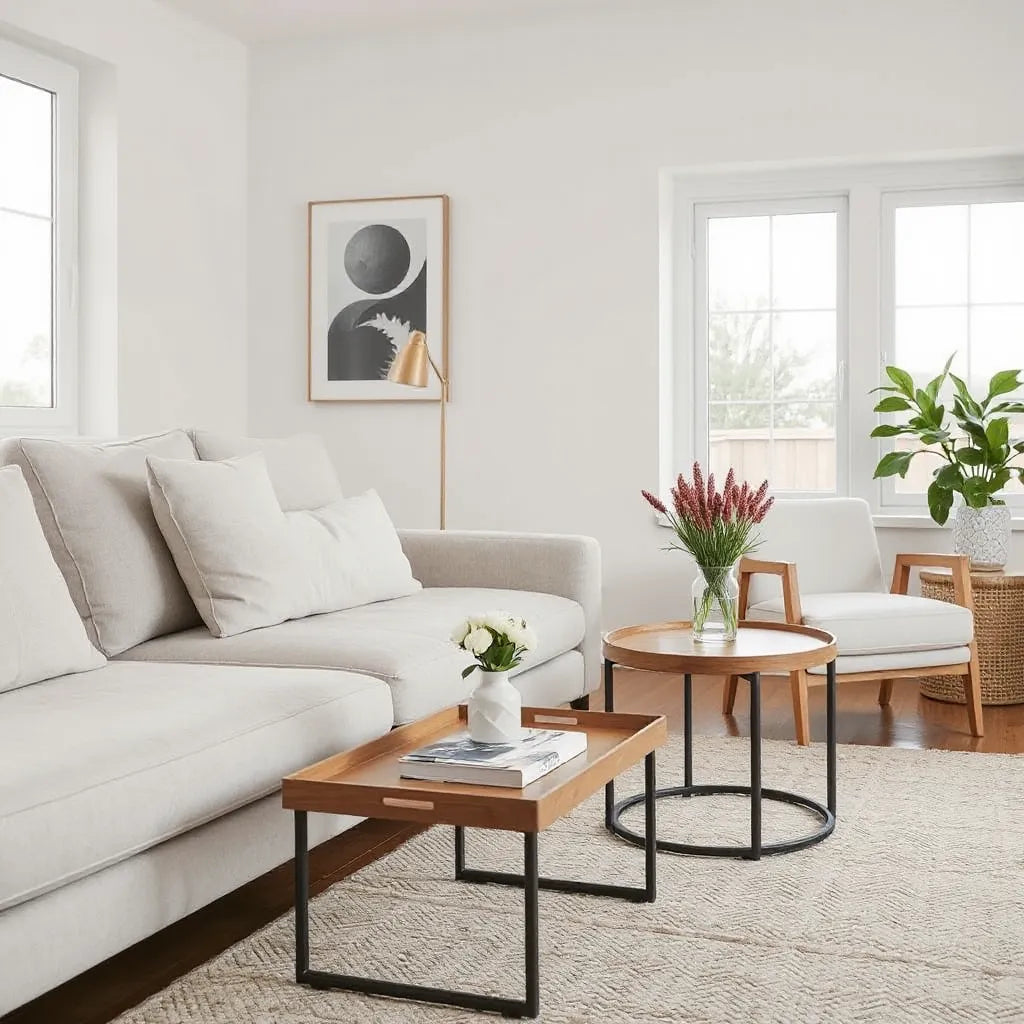
Balanced room layout with calm, organized surfaces
Key Advantages
- Improved functionality: A side table provides a nearby surface for frequently used items, reducing clutter on shelves and countertops.
- Better traffic flow: With the right dimensions, stylish side tables keep pathways clear while still offering easy access.
- Visual balance: They connect floor tones, wall colors, and larger furniture shapes, creating harmony in the room.
- Easy styling: Small décor changes, such as a lamp or tray, can refresh the look without a full renovation.
- Multi-room usefulness: The same table can support a reading corner, a hallway landing, or a bedroom seating area.
Quick Tips
- Measure the space twice and confirm clearance for doors, drawers, and chair movement.
- Choose a table height that aligns with your seating for comfortable reach.
- Use a tray for smaller items to prevent surface scatter.
- Select a finish that matches your dominant metal or wood tones.
- Prioritize stability over novelty. A steady table improves daily usability.
Placement Strategies for Stylish Side Tables
Placement determines whether a side table feels seamless or disruptive. Start by considering the “working zone” around your main seating. For living rooms, place one table within easy reach of the armrest. If you use a sofa with a wide arm, position the side table so that the edge is not too close to the walking line between seating and entry points. In bedrooms, place the table where it does not block the path from the door to the closet.
For compact spaces, use one larger stylish side table rather than two undersized ones. A single statement piece can reduce visual noise. If you do use two tables, aim for symmetry or intentional pairing. Even small differences in height can create a distracting look when the room is viewed from multiple angles.
Consider function first. If you plan to use a lamp, ensure the surface can support the lamp footprint and cord routing. If you plan to keep remotes, chargers, or magazines, choose a design with enough depth so items do not slide off during everyday movement.

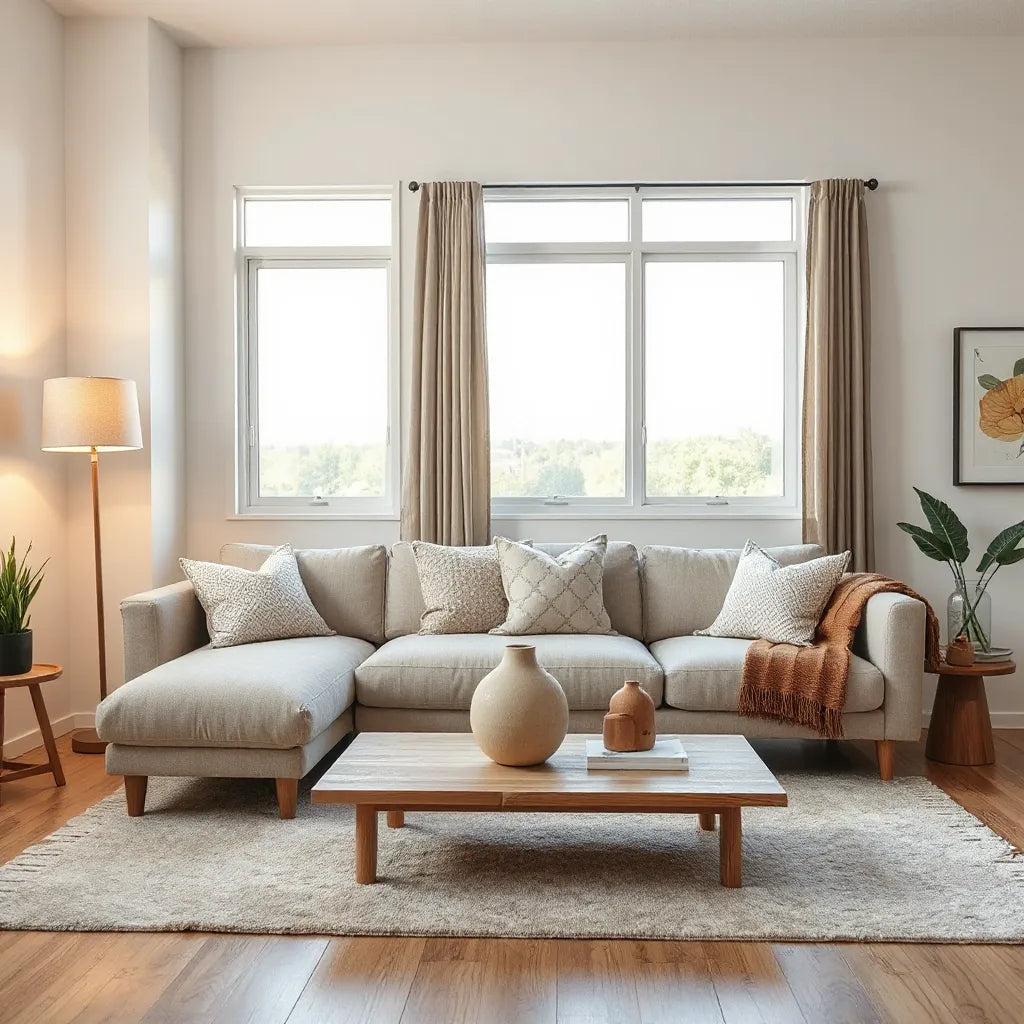
Side-by-side layout showing clearance and balanced symmetry
Materials and Finishes That Look Better Longer
The best stylish side tables do more than match your style. They also resist everyday wear. For high-traffic rooms, prioritize surfaces that are easy to clean and maintain. Wood tones offer warmth and timeless appeal, especially when paired with neutral textiles. Metal elements add crisp structure and work well with modern interiors.
When evaluating finishes, look beyond color. The finish should also support durability. For example, a consistent sheen can reduce visible streaking from fingerprints. A sealed surface can simplify wipe-down routines. If your home has pets or frequent gatherings, select materials that tolerate routine cleaning without dulling.
Pay attention to edges and corners. Rounded edges can help prevent knocks in narrow hallways. If the table sits near seating, edge durability becomes important because daily contact often occurs at table height.
Style Ideas for Different Rooms
Stylish side tables are versatile. You can style them to fit a specific mood without forcing the entire room to change. Below are practical ideas that match common interior goals.
Living room: create a “conversation landing”
Use a side table to hold a small tray, a drink coaster set, and a compact lamp. Choose tones that match your flooring or media area. If your living room has natural wood, select a side table that echoes that undertone. If your room is more minimal, a simple shape with subtle texture can add depth without distracting from the main furniture.
To coordinate visual rhythm, consider matching your side table with other supporting furniture lines in your home. For example, you can explore seating accents such as Izumi chair styles to align material tones and overall silhouettes.
Bedroom: prioritize comfort and morning routine
In a bedroom, the side table should support your start and end of day. Place a lamp, keep a small dish for keys or jewelry, and leave space for a book. If you share a bed, two matching tables often improve balance and reduce daily friction. If you want a clean look, use coordinated trays and avoid stacking items directly on the surface.
Dining or lounge overflow: keep items within reach
In lounge spaces, side tables prevent clutter from spreading across the floor. Use them to hold condiments, napkins, or decorative objects that do not get handled. If the table sits near seating, make sure it does not trap bags or limit movement.
If you like the idea of matching rounded silhouettes or refined textures across your home, you may also enjoy pairing your space with select pieces such as Honin coffee table designs. This approach supports a consistent design language across surfaces.
Home office: reduce visual noise
For an office corner, use the side table as a practical organizer. Keep only essential items on the top surface. Store cables and small tools elsewhere. Use the table to anchor a desk lamp and a small container for frequently used stationery.
A complementary seating option can also improve workflow. If your office includes a chair for reading or meetings, matching chair proportions can help the room feel intentional. Consider Toshiro chair options to maintain consistent height and style cues.
Summary & Next Steps
Stylish side tables are a high-impact upgrade because they combine everyday convenience with visual structure. When you choose the right size, place it with clearance in mind, and select finishes that match your existing tones, the table becomes a functional design element rather than a temporary add-on.
Next, decide how you will use the table: lighting, storage-like organization, or décor. Then measure your space and compare table height with your seating. Finally, style the surface with a tray and a few repeatable elements so the area stays neat over time.
If you want a coordinated look in a home that already includes bar-height or lounge-height seating, you can also review matching furniture options such as Haruto bar stool options to align comfort and material tone across your layout.
Q&A Section
How do I choose the right height for stylish side tables?
Measure from the floor to the top of your seat cushions or chair armrests, then aim for the side table top to be close to that height. A comfortable reach matters more than exact numbers. If your room uses different seating styles, choose a height that works for the most frequently used seating area.
What size should I use for a small room?
In smaller spaces, prioritize depth and clearance. A side table should support a lamp or a small tray without forcing you to move around it. Use a compact footprint and keep at least a comfortable walking lane between the table and other furniture. If you struggle with clutter, select a design that provides enough surface area for organization tools such as trays.
What is the best way to keep the tabletop from looking messy?
Use a tray to group items and limit what stays on the surface daily. Store chargers, remote controls, and small accessories in a consistent container nearby. Aim for a “top three” approach: one lighting element, one practical container, and one small décor item. Rotate décor seasonally while keeping core items in place.
Can a side table match different interior styles?
Yes. The most flexible styling comes from choosing a neutral base tone and a shape that supports your existing furniture lines. For example, a warm wood finish can adapt from classic to contemporary interiors. Crisp metal accents can also work across minimalist and modern settings when colors remain coordinated.
About the Author Section
Nisu Home is a design-focused retailer specializing in home furnishings that balance form and everyday usability. Our topic expertise centers on practical styling, furniture coordination, and durable material selection for real home routines. The author writes from experience with room planning and surface organization, offering clear guidance for choosing pieces that look good and perform well. Thank you for reading and for building a space that supports your daily life.

Leave a comment
This site is protected by hCaptcha and the hCaptcha Privacy Policy and Terms of Service apply.