


Updated on: 2026-05-27
Handcrafted horizontal vases add a distinctive, modern look to shelves, consoles, and mantels. Their long, low profile encourages styling with dried flowers, fresh stems, or sculptural branches. Because they are made by hand, many designs show subtle differences in glaze, texture, and form. When chosen for the right space and finished correctly, these vases become a lasting decorative anchor in any room.
Introduction
Choosing decor that feels intentional can be more challenging than it appears. Handcrafted horizontal vases offer a clear advantage: they are long, visually grounded, and designed to sit confidently on flat surfaces. Instead of pulling attention upward like many vertical styles, these pieces create a calm line across the room. That effect works well in living rooms, dining areas, entryways, and even workspaces.
From a styling perspective, the horizontal shape supports layered composition. You can balance them with tall stems, short blossoms, or textured branches while keeping the overall profile neat. From a quality perspective, handcrafted work often brings subtle variation that mass-produced items cannot replicate. This combination makes handcrafted horizontal vases both practical and expressive.
Step-by-Step Guide
Use this guide to select, prepare, and style a long, low vase with confidence. The steps below focus on fit, materials, and arrangement, so the final result looks curated rather than accidental.
Measure your surface and plan the visual width. Measure the length and the depth of the shelf, console, or mantel. Add clearance for stems, water containers, or floral mechanics. A horizontal vase should look centered or aligned with the room’s main lines.
Match the vase shape to the room function. For entryways, choose smoother silhouettes that cleanly frame a first impression. For dining spaces, consider a calmer, less visually busy glaze so it does not compete with table settings. For reading corners, select textures that add warmth without creating clutter.
Choose filling style based on maintenance preference. If you prefer minimal care, dried arrangements and decorative branches offer long-lasting results. If you want changing seasonal looks, plan for a simple floral insert and easy refresh. Decide before purchasing to ensure the opening and interior depth work with your approach.
Protect surfaces and test stability. Place a soft barrier under the vase when needed, such as felt or a clean liner. Confirm that the base sits evenly and does not wobble. Stability matters most on slightly uneven shelves.
Use a simple composition rule: one focal height, two supporting elements. For example, pair one slightly taller stem cluster with two calmer supporting groups on either side. This creates balance while keeping the horizontal line intact.
Plan negative space. Leave some area empty along the vase rather than filling the entire length. Negative space makes the arrangement feel intentional and reduces visual noise.
Finish styling with alignment checks. Step back and look at the arrangement from standing eye level. Adjust stems so they echo the room’s direction lines, such as the edge of a console or the rhythm of wall panels.

Horizontal layout planning: rulers, shelf edges, centered lines
What to look for in handcrafted quality
When you buy handcrafted decor, you are also buying character. Look for even craftsmanship along the rim and base, consistent thickness, and a finish that feels sealed. Pay attention to glaze transitions and natural variations in color. Minor differences can be a sign of studio work, not a flaw.
For long vases, check how the opening transitions into the interior. A smoothly designed opening helps with clean placement of stems or an insert. Also confirm that the weight distribution feels stable for a horizontal footprint.
A practical product example: Kabin Vase
To see how the horizontal form can be styled in a real space, consider pairing your vase with a simple seasonal arrangement. Keep the stems varied but controlled, and use negative space to highlight the vase’s line.

Tips
The right details make handcrafted horizontal vases feel elevated. Use the tips below to improve stability, longevity, and visual harmony across different interior styles.
Use an insert for cleaner water management. If you use fresh stems, an insert can reduce water exposure to the inner surface and make refreshing easier. Choose one that fits snugly without forcing the opening.
Balance texture and color. Pair matte ceramics with lightly textured stems, or choose smooth finishes with sculptural branches. When color is bold, keep the supporting elements quieter.
Consider scale with furniture lines. A long vase works best when it relates to the width of a console, sideboard, or bench. If the vase is too short, it can feel disconnected from the furniture.
Style in layers, not piles. Arrange stems from the back first, then add the front cluster. Layering creates depth and keeps the arrangement from looking flat.
Repeat visual anchors around the room. If the vase has warm tones, repeat them in small elements like frames, trays, or textiles. This builds cohesion without adding more items.
Rotate seasonally. A simple change in stem selection can renew the look. Dried grasses, seasonal blooms, or minimalist branch forms all align with the horizontal silhouette.
Match vase placement with sightlines. For hallways and entryways, place the vase where it can be seen from a comfortable standing height. For open-plan spaces, align it with the main sightline from the living area.
Placement ideas by room type
In the living room, place the vase on a low table or behind a sofa in a console arrangement. In a dining area, style it as a table-adjacent accent rather than a centerpiece that competes with place settings. In a bedroom, use it on a dresser or narrow shelf where its horizontal line can soften the room’s vertical shapes.

Balanced composition: three stem heights, negative space, calm palette
How to pair with other decor
Handcrafted horizontal vases become more effective when they coordinate with your larger decor choices. The simplest method is to align materials and proportions. If your space features warm wood and neutral textiles, ceramics with soft earthy glazes typically blend well. If your interior is minimal with clean lines, choose a vase finish that supports that clarity.
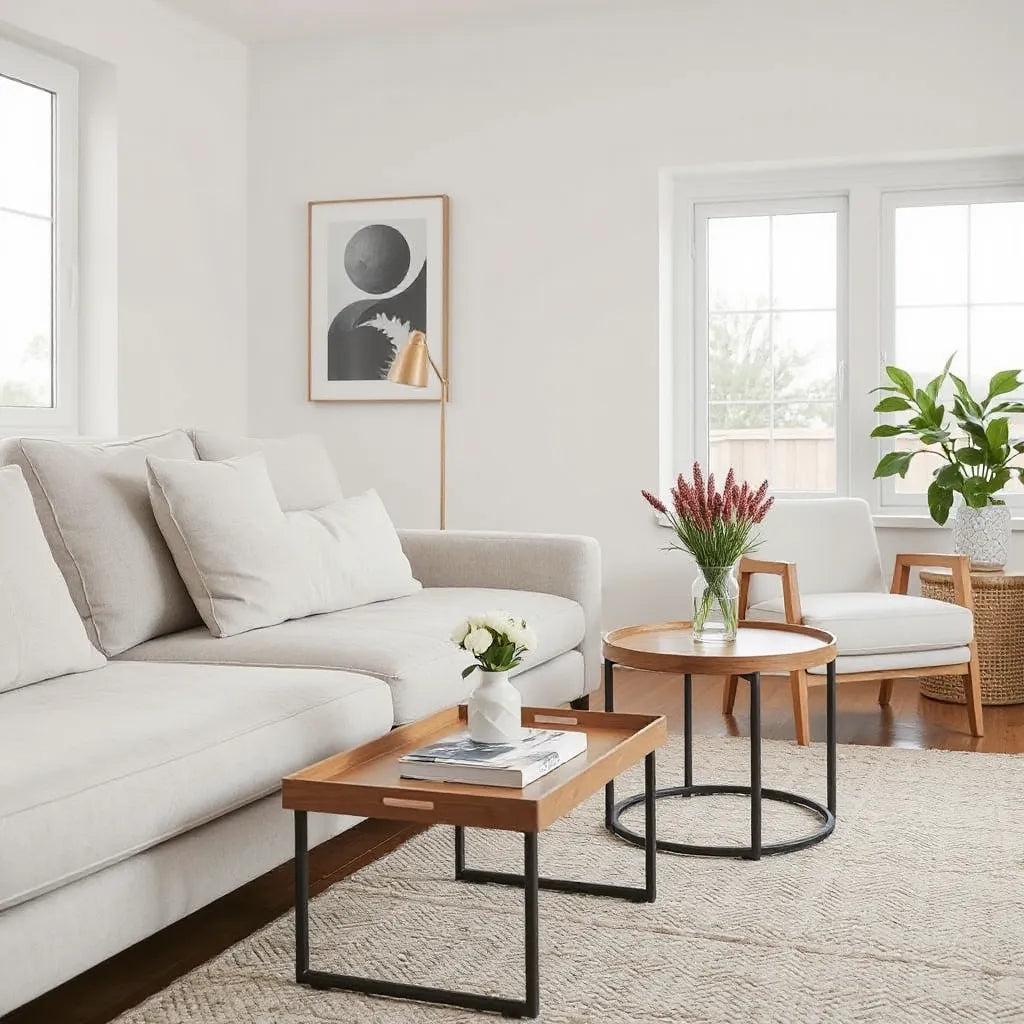
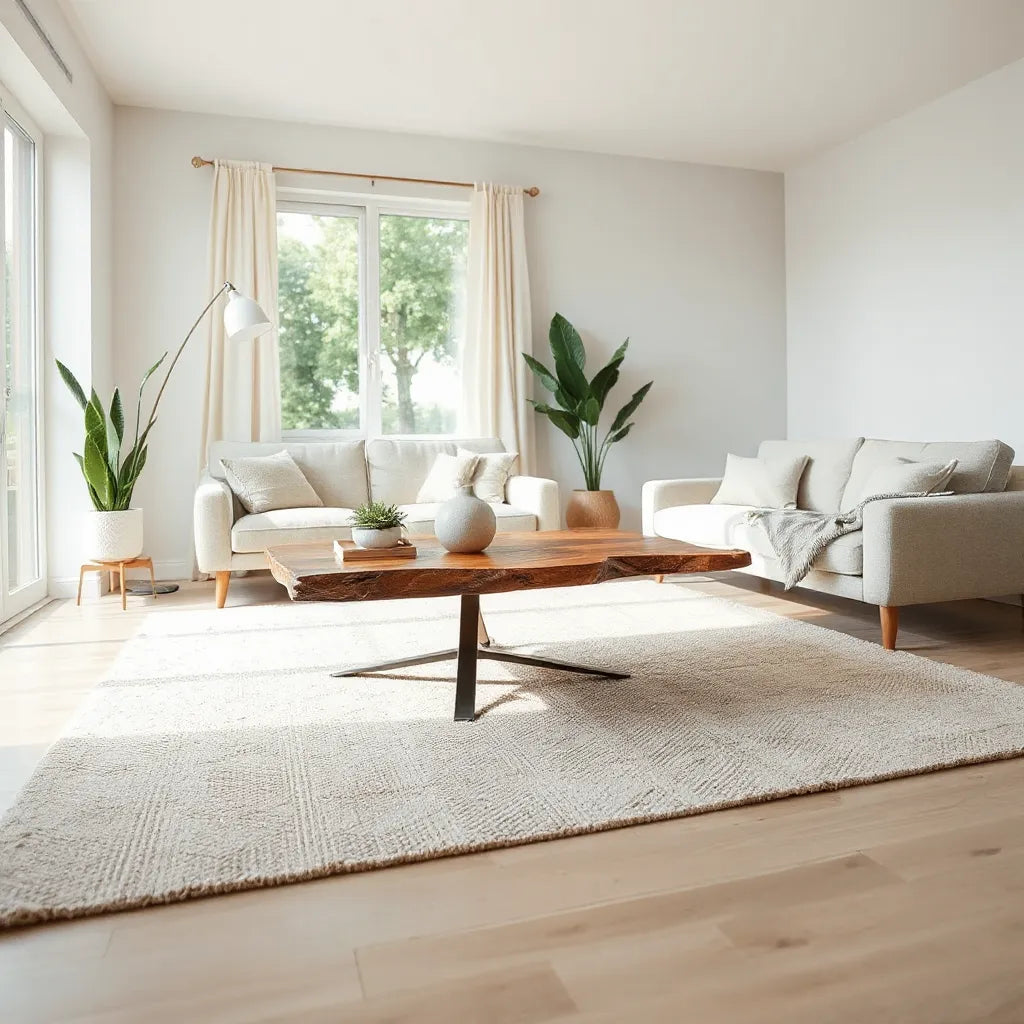
To strengthen the overall styling, you may also refine adjacent furniture silhouettes. For example, seating with a refined profile can complement the calm line of a horizontal vase. If you are browsing for seating that pairs well with decorative accessories, consider the Izumi chair or the Toshiro chair. For living room layouts where tables set the tone, explore the Honin coffee table to maintain visual continuity between functional surfaces and decorative elements.
In dining and hospitality-inspired spaces, you can also align height and line direction. Bar seating with a clean stance may help anchor the visual rhythm around your tabletop. For that purpose, the Haruto bar stool is a practical styling consideration when the decor features horizontal accents.
FAQs
Are handcrafted horizontal vases suitable for fresh flowers?
Yes. Many horizontal vases can hold fresh stems, but you should plan for water control. Using a small floral insert can simplify maintenance and help protect the interior finish. Choose stem lengths that match the horizontal opening so the stems remain stable.
How do I keep dried arrangements looking neat in a horizontal vase?
Start by selecting dried stems with consistent thickness and a mix of textures. Trim and align them before placing them into the vase. Then secure the composition with light internal support if needed. Finally, avoid overfilling and leave deliberate spacing along the vase line.
What size horizontal vase should I choose for a shelf?
Choose a vase that visually relates to the shelf width. A common approach is to select a vase length that covers a meaningful portion of the surface while leaving room for secondary decor. As a guideline, ensure there is clearance for stems and that the vase remains centered when viewed from the main entry or seating position.
How can I tell if a vase is truly handcrafted?
Look for subtle variations in glaze and form, consistent attention to rim and base finishing, and a design that feels cohesive across angles. Handcrafted work often presents gentle differences that add authenticity. Also evaluate weight balance and stability, especially for a longer horizontal profile.
Wrap-up & Final Thoughts
Handcrafted horizontal vases offer a refined way to style flat surfaces with clarity and character. Their horizontal line creates calm structure, while the handcrafted finish supports individuality in your space. Select the right size, plan a simple arrangement with negative space, and match the vase to the room’s materials for a cohesive look. With these steps, your vase styling will feel intentional and remain visually strong across seasons.
If you want a balanced interior, treat the vase as a design anchor rather than a last-minute accessory. Build the arrangement with measured proportions, then let texture and color do the rest.
About the Author
Nisu Home is guided by a design-minded team that focuses on home styling, material awareness, and durable aesthetic choices. Our expertise supports shoppers who want pieces that feel crafted, not generic. We write with practical guidance for everyday spaces and aim to help you create cohesive, long-lasting decor. Thank you for reading and for choosing thoughtful design.
Disclaimer: This article provides general guidance for home styling and decor selection. Always follow the care instructions supplied with your specific vase and accessories, and use safe handling practices when using water, inserts, or floral materials.

Leave a comment
This site is protected by hCaptcha and the hCaptcha Privacy Policy and Terms of Service apply.