

Updated on: 2026-05-28
Unique coffee tables can transform a living space by adding personality, function, and visual balance. The best options combine a clear design idea with practical fit, such as size, height, and material care. You can create a cohesive look by matching the table to your seating, lighting, and flooring rather than chasing trends. Use the guide below to plan measurements, choose finishes, and style with intention.
What Are Unique Coffee Tables?
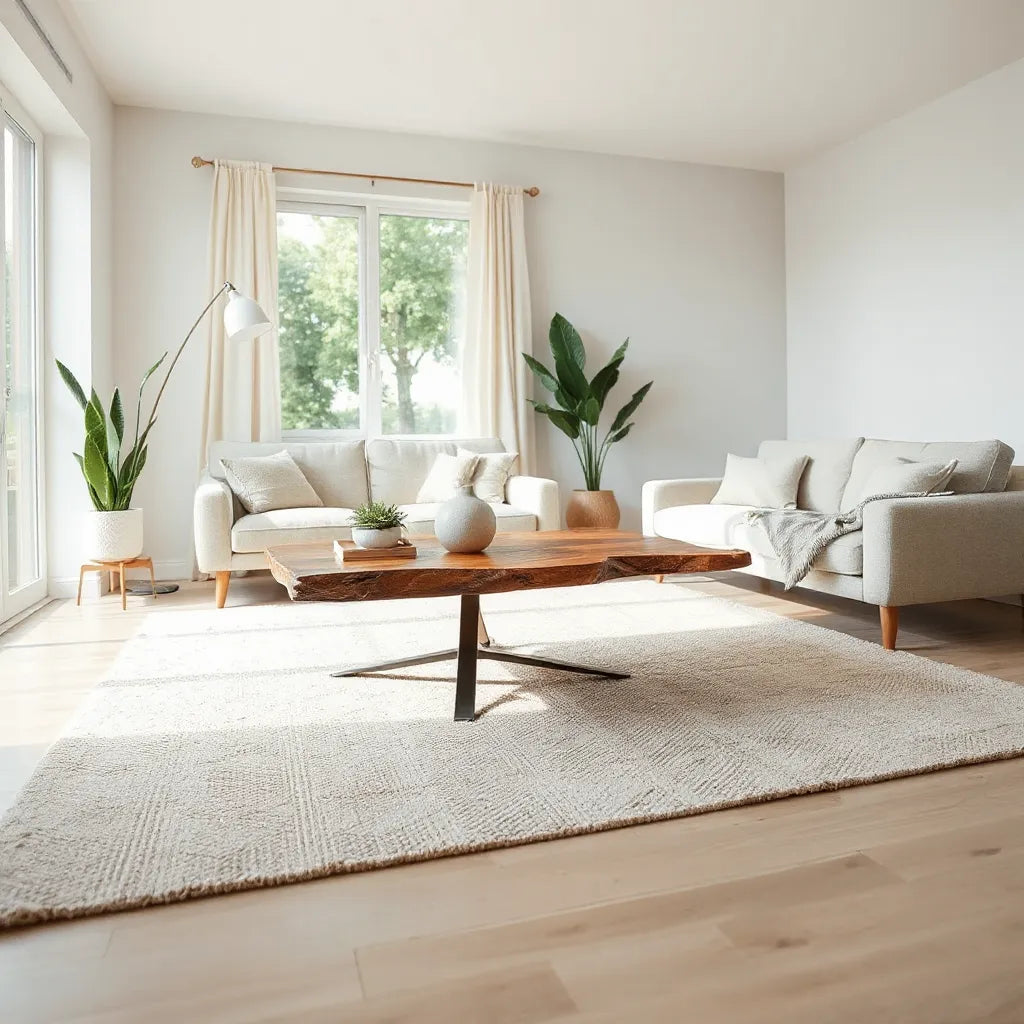
Unique coffee tables are coffee tables that stand out through distinctive design, material combinations, or structural details. They do more than provide a surface for drinks or books. They can anchor a room, define a style direction, and improve everyday comfort when selected with proper proportions.
What makes a coffee table feel truly unique is often a combination of three factors. First, the silhouette matters. Rounded edges, asymmetry, or layered forms can soften a space. Second, the surface and finish matter. Natural wood grain, matte metals, and textured stone looks add depth. Third, the details matter. Joinery patterns, tapered legs, and creative storage features make the piece feel intentional.
Unique pieces are also flexible in styling. A distinctive frame can work in modern, minimal, Scandinavian, or eclectic interiors because the table becomes a visual focal point that supports other elements rather than competing with them.
To keep your search efficient, focus on the role the table should play. Decide whether it should be a statement, a connector between seating styles, or a storage solution. Then align the design choice with your room’s existing scale and materials.

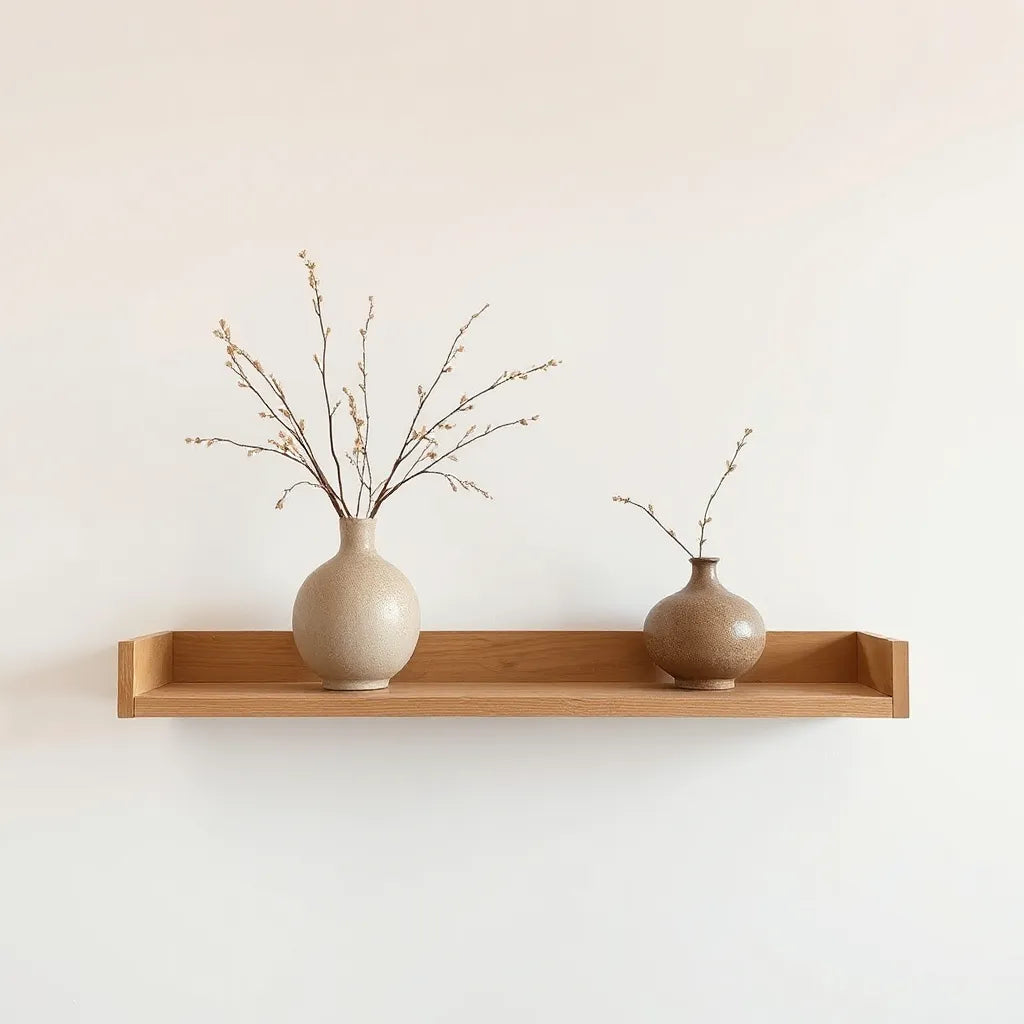
Abstract forms and materials illustrating design uniqueness
How to Choose Unique Coffee Tables for Your Home
Choosing the right unique coffee table is easier when you evaluate fit first, then aesthetics. A well-proportioned table feels stable and comfortable. It also makes the room look designed rather than assembled.
1) Measure for comfort and movement
Start with practical spacing. You want enough clearance for people to walk comfortably around the seating. Consider the width of the table relative to the distance between sofas and chairs. Many spaces work best when there is a clear path between the coffee table and surrounding furniture.
Next, evaluate height. The tabletop should coordinate with seat height so that placing items feels natural. If you regularly use the table for meals or laptops, consider a slightly higher surface within your room’s balance. If the primary use is display and casual drinks, a lower or standard height can feel more relaxed.
2) Choose a material strategy
Material selection affects both appearance and maintenance. If you want warmth and timeless character, wood and wood-look finishes provide a natural baseline. If you want a crisp, contemporary look, pair metal accents with a refined top surface. If you prefer a stable, solid feel, consider dense materials that resist dents and wear. Always match the table’s material behavior to your lifestyle.
3) Match the style language, not just the trend
Unique does not mean chaotic. A cohesive room often uses consistent style signals, such as warm undertones, clean lines, or visible craftsmanship. For example, if your seating has rounded shapes, an organic table silhouette often integrates better. If your room uses straight architectural lines, an angular frame or structured design typically looks more intentional.
4) Plan for storage or display
Some unique coffee tables include shelves, open compartments, or integrated surfaces. These features can reduce clutter and improve visual order. Even without enclosed storage, open shelving can act as a display system. When you style the table, keep items grouped and repeated to avoid a scattered appearance.
If you want a strong stylistic match, it can help to coordinate with other furniture pieces from the same design ecosystem. For example, you can use complementary seating silhouettes and materials to create continuity.
How-To Guide
This step-by-step process helps you select, measure, and style unique coffee tables with confidence. Use it as a repeatable workflow for any room you update.
Step 1: Define the table’s primary purpose
Decide what you want most from the table. If the table is primarily for everyday use, prioritize stable surfaces and easy cleaning. If it is primarily for styling, prioritize a distinctive silhouette and surface texture.
Step 2: Take room measurements with a simple diagram
Measure the seating area and note key distances. Mark the approximate walking path around the table. Confirm the table width that will fit without feeling crowded. Then check the tabletop height compared with your seat cushions.
Step 3: Select a design direction
Choose one design direction to guide your decision. Options include a warm natural look, a modern minimal look, or a mixed-material look. When you narrow the direction early, you avoid over-shopping and inconsistent styling.
Step 4: Test visual balance
Look at how the table’s mass interacts with nearby furniture. A heavy-looking table can anchor a large sofa, while a lighter frame can help a small room feel open. If your room has multiple bulky elements, consider a table with slimmer legs or a visually lighter form.
Step 5: Plan styling in layers
Style with intention. Use a tray to group smaller items. Add one taller element such as a vase or sculptural object. Finish with a few low-profile pieces so the tabletop remains functional.
Step 6: Choose color pairing and finish coordination
Match undertones across the room. If your flooring and wood accents are warm, lean toward warm finishes. If your room uses cool grays and metals, choose a finish that aligns with that palette. The result is an elegant look even when the table is visually bold.
Step 7: Final check for daily usability
Before purchase, confirm that the table supports your actual routines. Check if your living space layout allows easy reach from the couch. Verify that items can be placed without pushing against walls. This last step helps unique design choices remain practical.

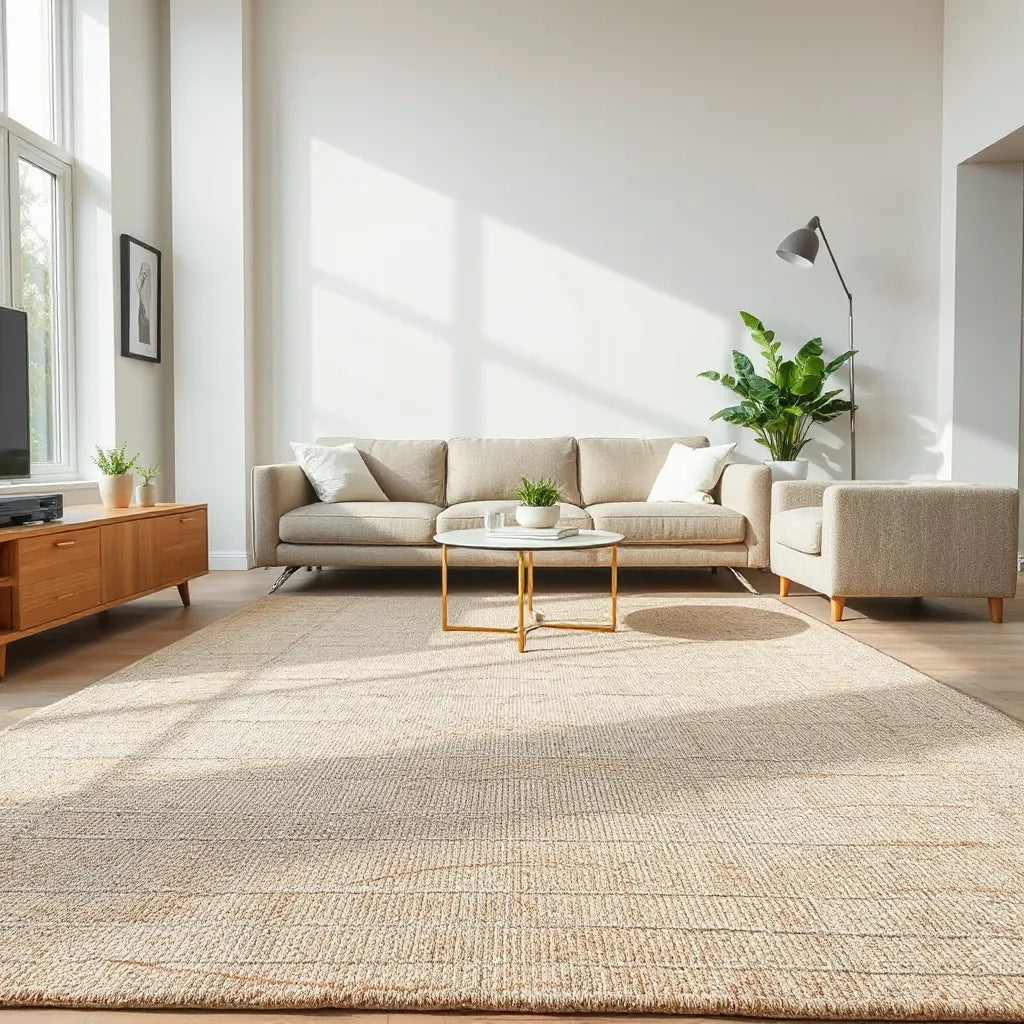
Layout planning with balance, height, and styling layers
Common Questions Answered
How do I know whether a unique coffee table will fit my living room?
Measure the space first. Confirm width, clearance around seating, and tabletop height. Visual fit also matters: a heavier design suits larger seating layouts, while slimmer profiles can keep smaller rooms feeling airy. When possible, compare the table scale to nearby furniture in photos or simple sketches.
What materials work best for everyday use?
For daily reliability, prioritize materials that match your cleaning habits. Wood and sealed finishes are often favored for warmth and easy care. Metal accents can offer durability and a crisp look. Stone-inspired surfaces can create a solid visual impact. If you have pets or frequent entertaining, choose finishes that tolerate everyday contact and quick wipe-downs.
Can a unique coffee table still match a minimalist interior?
Yes. Minimalist spaces often welcome one well-designed focal point. Select a unique silhouette that stays calm in color and does not overwhelm the room. Choose simple materials with subtle texture rather than highly complex patterns. Keep styling restrained by using a tray, a single sculptural element, and a limited color range.
How should I style a unique coffee table without making it look cluttered?
Use grouping and negative space. Place items on a tray to create one organized cluster. Add one vertical element for height and one small set of low-profile pieces for balance. Avoid many small objects that compete with the table design. If you display books, stack them in a consistent orientation.
What are common mistakes when choosing a coffee table?
Common mistakes include choosing a table that is too large for the walking path, ignoring height relative to seating, and selecting a finish that conflicts with existing materials. Another frequent issue is buying a table that looks good in isolation but does not support your daily activities. Always evaluate layout, comfort, and maintenance together.
Summary & Next Steps
Unique coffee tables create a distinctive center point for your living space. The strongest results come from balancing three elements: proportion, material behavior, and design coherence. When you measure carefully and select a clear style direction, a unique piece enhances the room instead of disrupting it.
Next, narrow your options by purpose and scale. Then plan your styling approach with trays, grouped items, and intentional negative space. If you are also updating seating or storage, coordinate the design language so the entire arrangement feels consistent.
If you want to continue your living room refresh, review complementary pieces on the Nisu Home site. You can start with a table-focused selection and then build outward with coordinated furniture.
- Browse coffee table options
- Add cohesive storage
- Match seating proportions
- Coordinate with chair design
Disclaimer: This article provides general guidance for selecting and styling home furnishings. Actual results depend on room layout, product dimensions, lighting, and personal preferences. Always verify product specifications and care instructions before purchase.
About the Author
Nisu Home is an interior design and home styling focused team with expertise in furniture aesthetics, layout planning, and material coordination. The approach emphasizes practical selection criteria, visual balance, and long-term usability. Readers can use the guidance above to make confident decisions about unique coffee tables. Thank you for reading, and may your next update feel intentional and refined.

Leave a comment
This site is protected by hCaptcha and the hCaptcha Privacy Policy and Terms of Service apply.