

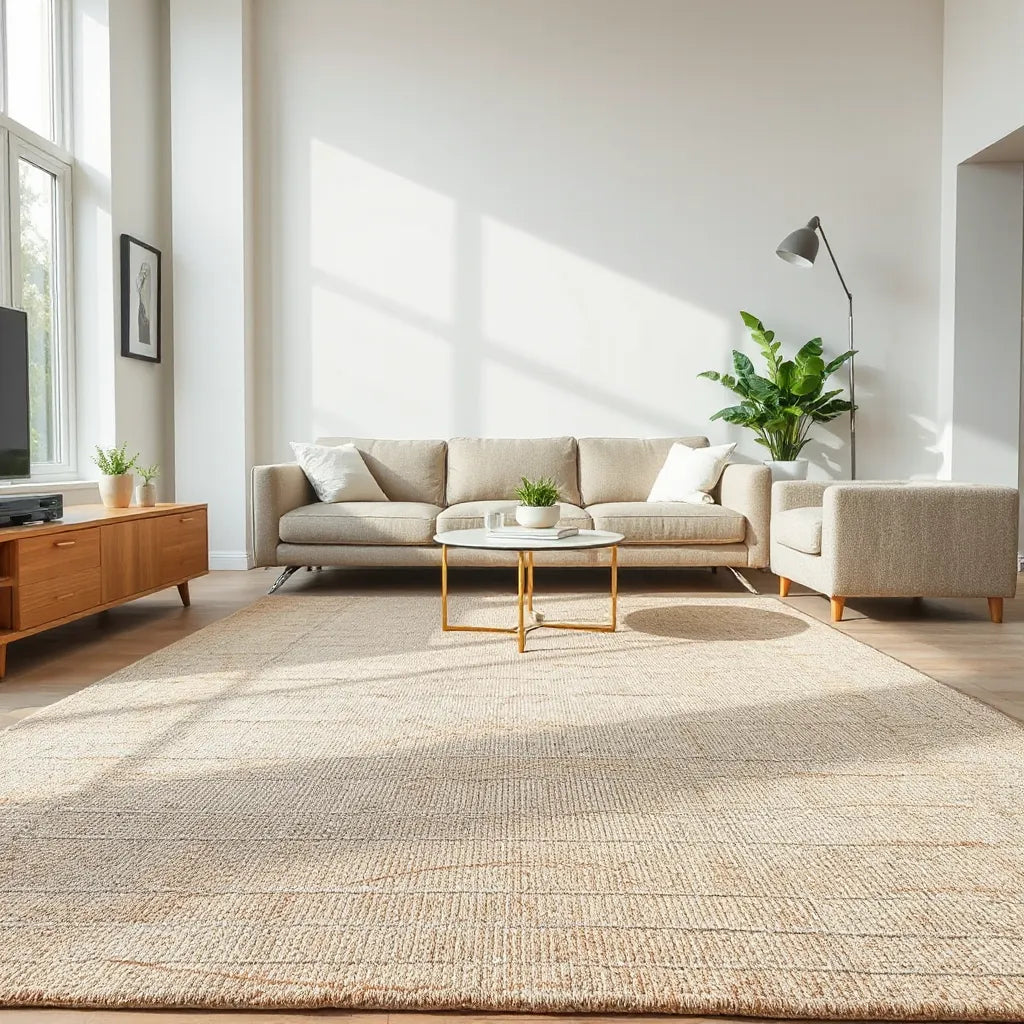
Updated on: 2026-06-01
High-quality rugs can transform a room by improving comfort, acoustics, and visual cohesion. The best rugs combine durable materials with well-planned construction and finish quality. This guide breaks down common myths, explains what to look for, and shares practical buying criteria. You will also learn how to match rug size, pile, and care needs to your lifestyle.
Table of Contents
Myths vs. Facts
Buying a rug can feel confusing because many claims sound convincing. Clear evaluation criteria help you choose pieces that remain attractive for years. Below are common myths and evidence-based facts.
Myth: Higher price always guarantees better quality.
Fact: Quality depends on fiber type, density, construction method, and finishing, not only retail price.
Myth: Any thick rug is automatically superior.
Fact: Thickness without proper backing, stable fiber, and balanced pile can lead to uneven wear.
Myth: Natural materials are always the easiest to maintain.
Fact: Natural fibers can be durable, but maintenance needs still vary by fiber and treatment.
Myth: Pattern and color never affect performance.
Fact: Colorfastness, dye quality, and pattern scale influence how wear and everyday soil become visible.
Myth: A rug should hide all imperfections.
Fact: Well-made rugs show consistent stitching, even edges, and controlled shedding patterns.
Personal Experience
When I first upgraded my living room, I focused on color and feel. The rug looked appealing at home, but after routine vacuuming, I noticed uneven texture and faster-than-expected wear in the walking zones. The problem was not the visual design. It was the construction details: the pile density and the way the fibers held up under daily traffic.
Later, I replaced that rug with one that matched the room more thoughtfully. I evaluated fiber, backing stability, and edge finishing before making a decision. The difference was immediate. The new rug stayed visually consistent and felt more comfortable underfoot. This experience reinforced a simple rule: a high-quality rug should perform, not only look good on day one.
What Makes High-Quality Rugs
In practical terms, high-quality rugs are built to handle real use. The goal is long-term stability: consistent appearance, comfortable underfoot performance, and manageable maintenance. A quality rug should resist distortion from foot traffic, retain color over time, and maintain a uniform pile feel.
To make a sound choice, consider the full set of construction signals. Start with fiber selection, then move to weaving or tufting quality, and finally check backing and finishing. If one element is weak, the overall experience can decline quickly.
Visual checklist for buyers:
Even pile height across the surface
Clean edges with consistent binding or finishing
Stable backing that supports the rug without sagging
Low-to-moderate shedding that settles after initial break-in
Color that appears uniform, including at the edges

Balanced construction signals: even pile, stable edge, uniform color
Materials and Construction Signals
Materials determine how a rug feels, how it wears, and how it responds to daily life. Construction determines whether those materials perform as intended. When you evaluate high-quality rugs, do not treat fiber and construction as separate topics. They work together.
1) Fiber type and performance
Common rug fibers include wool, cotton, synthetic options, and blends. Wool is valued for comfort and resilience. Cotton can offer crisp definition and good color display, especially in flat-weave styles. Many synthetics are engineered for stain resistance and practical durability.
For high-traffic areas, prioritize fibers and yarn construction that maintain shape. For lower-traffic zones, you can lean more into softness and visual texture.
2) Construction method
The construction method affects density, longevity, and how the rug recovers after pressure. Woven rugs often emphasize structural stability and long-term shape. Tufted rugs can be excellent when the backing support and yarn anchoring are strong. Flat-weave rugs generally shed less and can suit minimal maintenance routines.
Always consider pile style. Cut pile, for example, can create a plush look, while loop pile can offer a more structured, resilient surface. Your lifestyle and cleaning preference should guide this decision.
3) Density and knot or yarn spacing
Density is one of the most practical indicators of quality. Higher density typically means more yarn content per area, which can improve comfort and reduce early matting. Knot or yarn spacing should be consistent rather than irregular.
When information is available, look for details that explain how the rug is built. If specifications are unclear, use visual consistency as a proxy: even texture and controlled edge finishing are strong signs of careful construction.
For buyers who want to compare pieces efficiently, prepare a short scorecard. Evaluate fiber suitability, visible construction uniformity, and backing stability. This approach reduces decision fatigue and helps you choose confidently.
Matching Rug Size, Pile, and Style
Even the best materials can underperform if the size and pile choice do not match the room. Rug sizing influences circulation paths, furniture placement, and how the space feels visually. Pile type influences comfort, cleaning, and how dirt becomes noticeable.
Rug sizing that supports the layout
Begin with your furniture arrangement. If you have a sofa and chairs, a larger rug can anchor the seating area and reduce visual fragmentation. A common guideline is that front legs of key furniture pieces sit on the rug, unless your design intentionally uses separation. In dining areas, the rug should extend beyond the chairs to keep dining zones consistent even when chairs move.
Pile height and comfort
Shorter piles can be easier to vacuum and can resist matting in busy areas. Longer piles may provide a richer feel, but they can show footprints and vacuum marks if maintenance is inconsistent. If you have pets or frequent foot traffic, consider tighter pile structure and durable fiber selection.
Flat-weave options can be especially helpful when you want a clean look with minimal shedding. However, ensure that the thickness and backing are sufficient for comfort and stability.
Style cohesion without sacrificing function
Style is not just decoration. It affects how wear shows over time. Pattern scale matters. Large patterns can distract from minor soil marks, while subtle textures can hide everyday wear in a calm way. Color choice should consider natural light, wall color, and flooring undertones.
A practical strategy is to pick a rug that harmonizes with the room palette while allowing contrast where needed. For example, a warm rug can balance cool wood tones, and a darker rug can reduce visual impact from day-to-day traffic.
For interior coordination, you may also consider how seating and surfaces interact with textile choices. If your space includes modern accent pieces, the rug can help create softness against hard materials.

Room anchoring: correct size, furniture overlap, stable edges
Care, Maintenance, and Longevity
Care is where many buyers either protect their investment or accidentally shorten its lifespan. A high-quality rug can last longer when maintenance is predictable and gentle. The objective is to remove surface soil without damaging fibers or destabilizing backing.
Routine cleaning that avoids common errors
Vacuum regularly using appropriate settings for pile type.
Avoid aggressive brushing that can stress fibers or lift pile unevenly.
Rotate the rug periodically to distribute wear across the floor.
Use a rug pad that supports the backing and improves slip resistance.
Spot cleaning with controlled technique
For spills and localized spots, act quickly. Blot with a clean cloth rather than rubbing. Rubbing can push stains deeper and may fray fibers. Use a mild cleaning approach appropriate to the rug fiber, and test any method on an inconspicuous area first.
When stains are persistent, a professional cleaning service can help, especially for delicate blends and high-pile styles. This step can be a cost-effective way to protect the rug’s appearance.
Environmental factors that matter
Sun exposure can fade colors over time. Position rugs so that direct sunlight is moderated, or use window treatments to reduce continuous exposure. Humidity and uneven airflow can affect how rugs react to temperature swings, especially for natural fibers.
Also consider flooring. Some floor types increase friction or retain dust. A properly selected pad reduces these effects and helps the rug stay flat and stable.
If you are styling an entire seating zone, coordination extends beyond the rug. For example, pairing a rug with durable furniture can improve comfort. You might explore seating options such as Izumi Chair to complement textile-based warmth.
Where to Use Rugs in Real Homes
Rugs perform best when placed intentionally. The most successful installations consider foot traffic, furniture weight, and cleaning habits. Below are practical, everyday placement ideas that align with comfort and durability priorities.
Living rooms
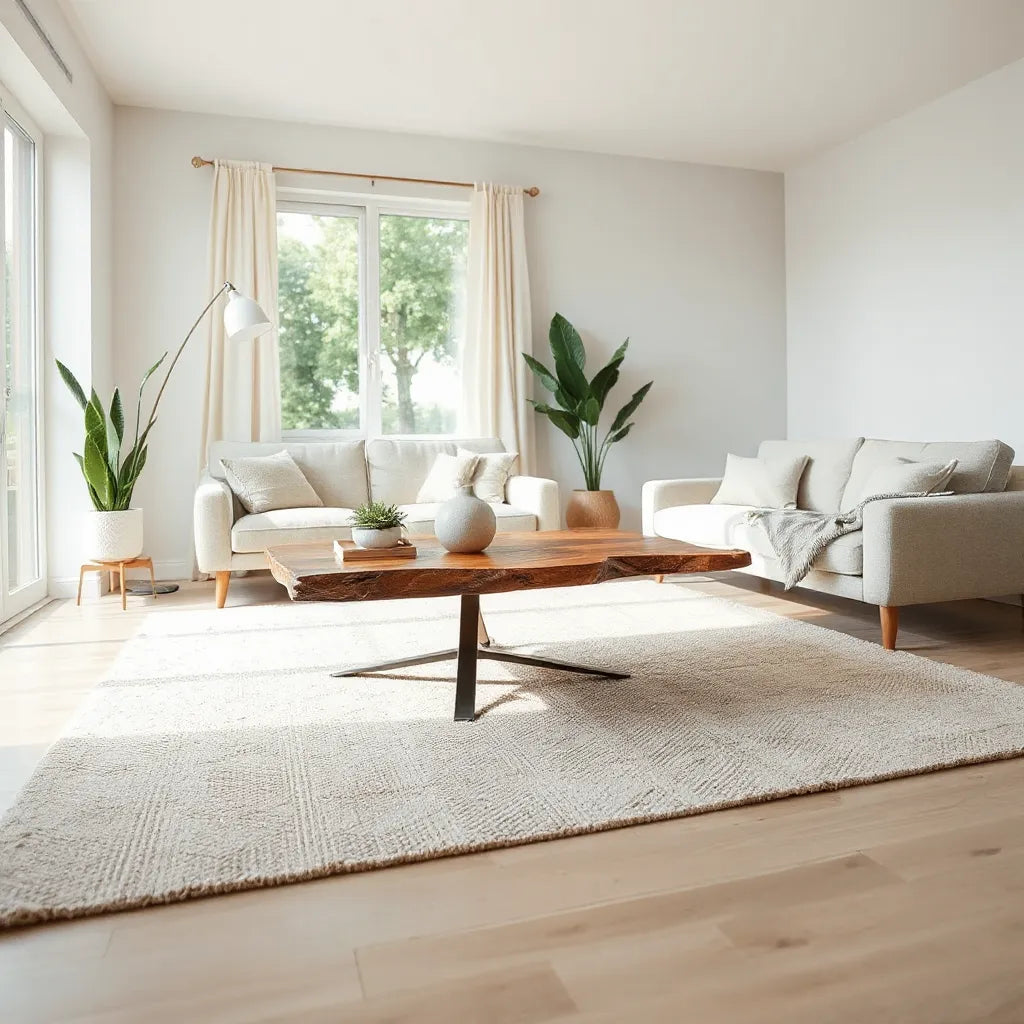
Living rooms benefit from rug anchoring. Choose a size that supports the conversation layout. A rug can soften acoustics and reduce slip risks on hard floors. For active households, select a pile structure that tolerates regular vacuuming.
Bedrooms
Bedrooms favor comfort and visual calm. A higher comfort pile can feel luxurious, but maintenance must match the level of use. If the bedroom is quiet and controlled, you can prioritize softness. If the bedroom is shared and busy, prioritize a more resilient surface texture.
Dining areas
Dining zones require a rug that stays flat and supports chair movement. Consider a tighter pile and a rug pad to prevent sliding. Also ensure that the rug extends beyond chair legs so that movement remains seamless.
Entryways and hallways
Entry areas are high soil zones. Select fibers and construction that resist visible grime and maintain their appearance after frequent cleaning. Consider darker tones or textured patterns to reduce the visibility of everyday dust.
When you plan multiple zones, consistency helps the home feel intentional. A cohesive approach to color temperature, texture level, and pattern density can create an elegant transition between rooms.
For an additional style and function reference, you can review practical furniture coordination options like Hitsuji Chair. Although furniture and rugs are different product categories, the same design principle applies: materials should work together under real daily use.
Final Thoughts & Takeaways
Choosing high-quality rugs requires more than relying on appearance. Focus on fiber quality, construction signals, and edge finishing. Then align size and pile type with your room layout and cleaning habits. When you pair smart selection with consistent maintenance, your rug becomes a stable foundation for comfort and style.
Use a checklist approach. Confirm even pile height, stable backing, and reliable color consistency. If you evaluate these factors early, you avoid costly replacements and enjoy a rug that performs over time.
For shoppers seeking coordinated home styling, remember that rugs and furniture should share the same design logic: comfort, durability, and visual harmony. When those goals align, the result feels effortless and lasts longer.
Q&A Section
How can I tell if a rug is truly well-made before purchasing?
Check for consistent texture across the surface, clean and even edges, and a stable backing. When possible, review construction details such as fiber type and density. Visually uniform pile height and controlled finishing are strong indicators of careful craftsmanship.
Do high-quality rugs shed less than lower-quality rugs?
Many rugs can shed lightly at first, especially natural fiber rugs and newly installed pieces. However, long-term shedding should be controlled. Rugs with well-anchored yarn and consistent construction tend to stabilize more quickly and maintain a cleaner surface during routine care.
What rug size is best for a living room with a sofa?
A larger rug typically creates better anchoring. Ideally, front legs of the sofa and chairs sit on the rug, unless you are intentionally using separation. Measure your seating area first, then choose a size that supports the layout and still leaves comfortable walking paths.
How do I choose between short pile and long pile rugs?
Short pile rugs usually suit high-traffic areas because they can be easier to vacuum and less prone to matting. Long pile rugs can feel more plush and visually rich, but they often require more consistent vacuuming to keep the surface looking crisp.
About the Author Section
Nisu Home
Nisu Home is a home styling and interior product authority focused on practical, durable design. The team specializes in textile selection, room layout planning, and material-focused recommendations for everyday living. Each guide is written to help shoppers evaluate quality signals with clarity and confidence. Thank you for reading, and we hope you choose rugs that match both your lifestyle and your standards.
Disclaimer: This article provides general guidance on rug selection and care. Product specifications vary by manufacturer and collection. Always follow the care instructions provided by the seller and test any cleaning method on an inconspicuous area when appropriate.

Leave a comment
This site is protected by hCaptcha and the hCaptcha Privacy Policy and Terms of Service apply.