

Updated on: 2026-05-20
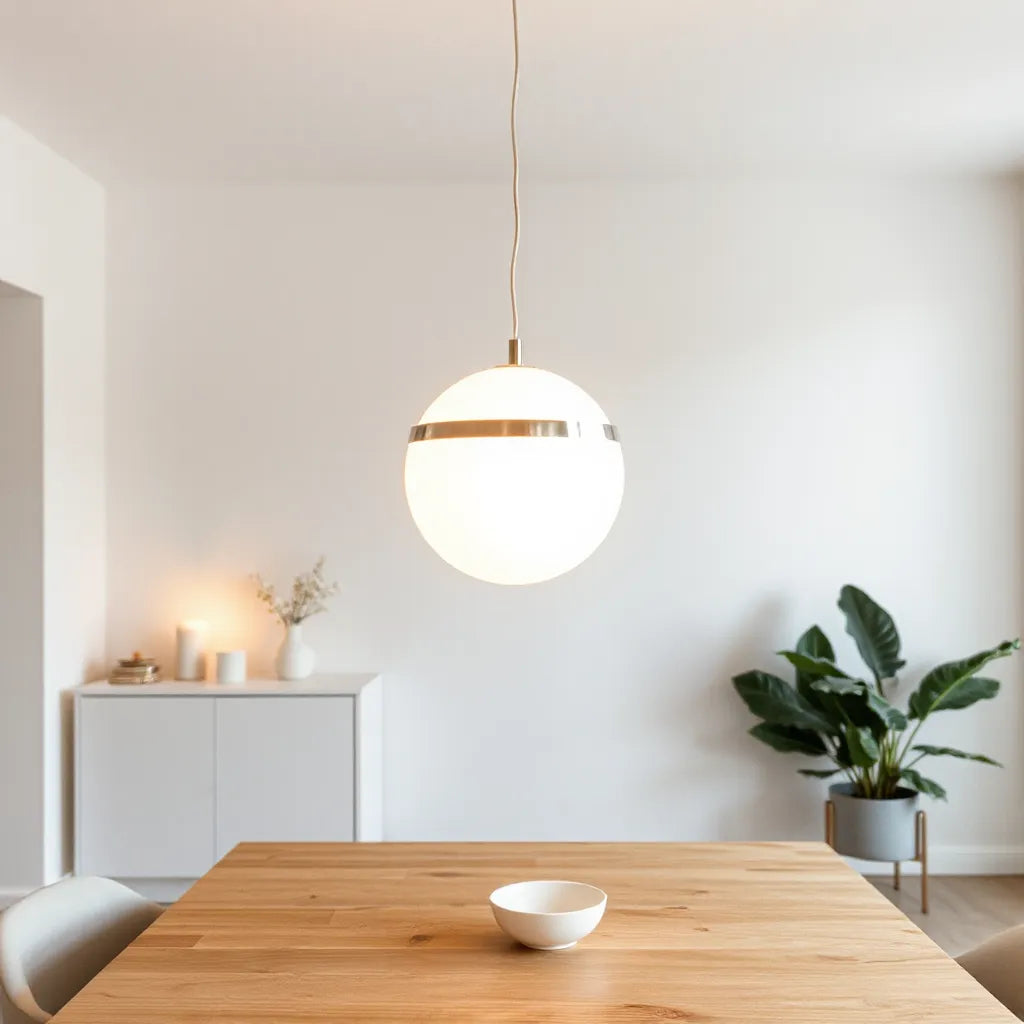
The Luna Light pendant brings focused illumination and a calm visual presence to many interior styles. This guide explains how to choose the right height, light output, and placement for daily use. You will also find practical wiring and dimming considerations, plus tips for pairing the pendant with nearby furniture and materials. By the end, you will have a clear checklist to help you plan a cohesive lighting layout.
1. How to Choose a Luna Light Pendant
2. Installation Planning and Safety Basics
3. Placement Rules for Balanced Lighting
4. Dimming, Bulb Choice, and Color Temperature
5. Styling the Pendant With Your Space
6. Maintenance and Troubleshooting
7. FAQ
8. Closing Thoughts
9. About the Author
How to Choose a Luna Light Pendant
The Luna Light pendant is designed to deliver both practical light and an intentional design statement. Choosing the correct version is easier when you focus on three fundamentals: scale, intended function, and the rest of the room’s visual rhythm. A pendant should support your daily tasks, such as reading or dining comfort, without overwhelming the space.
Start by identifying the primary purpose. If the pendant will sit over a dining table, prioritize even coverage and glare control. If it will be used near a seating area, prioritize a softer pool of light that supports relaxed viewing. If it is installed in a hallway or entry zone, prioritize direction and spacing so it guides movement without harsh contrast.
Next, confirm scale. A pendant that is too small can feel disconnected from the furniture, while one that is too large can dominate the room. A reliable method is to compare the pendant’s visual footprint to the table width or the wall section it will align with. Aim for a harmonious proportion that supports the room’s architecture.
Also evaluate the pendant’s design language. The Luna Light pendant can complement modern, minimal, and warm transitional rooms when paired with neutral finishes, natural textures, and consistent line direction. If your room includes bold shapes, choose lighting that provides contrast through calm geometry rather than competing details.
Key selection checklist
- Confirm the location and the main task the light will support.
- Measure the target mounting height above finished surfaces.
- Consider whether the room needs direct, ambient, or task illumination.
- Plan for dimming support if you want flexible mood lighting.
- Choose bulbs based on color temperature and brightness requirements.

Scaled lighting silhouettes over a tabletop outline
Installation Planning and Safety Basics
Before you install a Luna Light pendant, plan the route for power and confirm ceiling conditions. A clean installation improves both safety and final appearance. If you are not experienced with electrical work, hire a licensed electrician. This is the simplest way to reduce risk and avoid long-term issues.
Begin with a visual layout. Mark where the ceiling canopy will sit and confirm there is sufficient clearance for the pendant’s drop length. Then check the ceiling box condition. Ensure the mounting point is secure and rated for the fixture weight. Many pendants require stable ceiling wiring connections, and using improper connectors can cause intermittent power or failure.
Next, consider cable management. The pendant should hang straight. If your ceiling is uneven, the canopy may not fully sit flat, which can shift the pendant visually. Use the correct mounting hardware supplied with the fixture and follow local electrical codes.
If you plan to add a dimmer, verify compatibility with the bulb type. Some bulbs require specific dimmer ratings. Incorrect pairing can lead to flicker or reduced dimming range. It is better to select the bulb first, then choose the correct dimmer, or confirm both items before installation.
Practical pre-install steps
- Turn off power at the breaker and confirm power is off.
- Identify the mounting box and wiring type in the ceiling.
- Verify the pendant’s cable length allows the intended final height.
- Test dimming behavior after installation, if you have a dimmer.
- Inspect for level alignment and secure canopy seating.
For additional home styling and furniture planning, you can align your lighting with seating proportions. If you are building a cohesive dining zone, consider pairing your lighting with seating that matches the visual scale. For example, browsing Toshiro chair can help you evaluate how seat height and silhouette interact with overhead lighting.
Placement Rules for Balanced Lighting
Placement determines whether your Luna Light pendant feels intentional or awkward. The goal is balanced illumination with clear sightlines. For dining spaces, center the pendant over the table so it anchors the area. The light should not glare into seated eyes, especially for average height diners.
Use a height target as your starting point, then refine it to your room. Over dining tables, a common approach is to leave enough clearance for conversation and natural movement, while still placing the brightest area where it helps tasks like eating and serving. Over kitchen islands, the pendant should support safe visibility without interfering with upper cabinets.
For lounges and reading corners, placement should reduce harsh shadows. Position the pendant so it complements table lamps or wall lighting if you already have those sources. If the pendant is your primary light, choose a height that spreads illumination across the seating zone rather than focusing only at the center.
Also account for ceiling height. If you have low ceilings, the pendant should be shorter to avoid a crowded look. If ceilings are high, adjust drop length to maintain a grounded focal point.
Common placement principles
- Center over the primary surface: dining table, island, or key console.
- Avoid placing the brightest portion at eye level.
- Maintain consistent spacing when using multiple pendants.
- Coordinate the pendant’s vertical line with room sightlines.
- Account for wall art, mirrors, or ventilation fixtures nearby.

Balanced beam paths across a lounge seating grid
Dimming, Bulb Choice, and Color Temperature
Even the most carefully selected pendant can feel incorrect if the bulb brightness and color temperature are not aligned with the space. The Luna Light pendant can perform well across a range of bulb options, but the final user experience depends on the light tone and intensity you choose.
Color temperature is the first decision. Warmer tones typically create a relaxed atmosphere for dining and living rooms. Neutral tones can feel crisp and clear in work-adjacent areas. Cooler tones can support visual focus, but they may feel too sharp for long evening use.
Brightness is the second decision. Measure the room needs by thinking about what else is present. If the room includes additional lighting, you might require less brightness from the pendant. If the pendant is the main source, you will likely want a more robust light output.
Dimming improves comfort and flexibility. Dimming helps you adapt light to time of day, activity type, and personal preference. It also reduces contrast on walls and surfaces, which can make the room feel calmer. If you use a dimmer, confirm bulb compatibility and test performance after installation.
Simple bulb guidance
- Choose color temperature based on mood and function.
- Select brightness by room size and existing light sources.
- Use compatible dimmers for smooth, flicker-free operation.
- Prefer bulbs designed for the fixture’s intended base type.
If you are planning a dining or lounge refresh, consider how furniture materials interact with light. Smooth finishes reflect differently than textured materials. When evaluating furniture, you may find it helpful to compare seating silhouettes and height. For instance, you can explore Hitsuji chair to understand how chair proportions can influence the look of overhead lighting.
Styling the Pendant With Your Space
A pendant becomes more elegant when styling supports its line and tone. The Luna Light pendant works best when surrounding elements share consistent design intent. This does not mean everything must match exactly. Instead, it means the room’s materials, colors, and visual density should feel coordinated.
Start with contrast. If your furniture is minimalist and light-toned, add warm textiles and natural textures to prevent the lighting from feeling sterile. If your room is already warm, you can balance it with cleaner lines and refined surfaces around the pendant.
Next, coordinate height and visual weight. Pendants visually add vertical weight. Furniture with tall backs or stacked shelving may compete with the pendant’s presence. If the ceiling canopy and pendant draw attention upward, ensure the rest of the room does not overwhelm the same focal space.
Third, consider nearby surfaces. Mirrors, wall panels, and glossy finishes can reflect the pendant and amplify brightness. Soft matte finishes can reduce glare and create a more balanced look.
When styling dining areas, the pendant should align with table proportions and place settings. Choose a table centerpiece that does not block the light beam. Keep the centerpiece height low enough that diners can see each other comfortably.
Pairing ideas for a cohesive layout
- Use warm textiles to soften overhead direct light.
- Choose table linens that reduce glare on reflective surfaces.
- Align pendant vertical center with the table or key focal line.
- Keep nearby decor low enough for clear sightlines.
- Balance light with secondary sources such as floor or table lamps.
If your space is structured for hosting, you may also want a lighting plan that adapts to different social settings. A helpful reference for event lighting ideas is available at Party Savvy, where practical guidance can support your broader ambience planning.
Maintenance and Troubleshooting
Routine care protects both appearance and performance. The Luna Light pendant typically requires simple maintenance because its design can be kept clean without complex procedures. However, dust and residue can dull the visual clarity of light and reduce perceived brightness.
Use a microfiber cloth for regular dusting. If you need deeper cleaning, turn off power and allow the fixture to cool. Use a gentle cleaner suitable for the surface type. Avoid harsh abrasives that can scratch finishes and reduce long-term appearance quality.
If the pendant flickers, first check the bulb and ensure it is seated securely. Next, confirm that the dimmer setting and bulb type are compatible. Loose wiring connections can also cause intermittent behavior, which is another reason to involve a licensed electrician if issues persist.
If the pendant is not centered or appears tilted, verify canopy seating and mounting alignment. A small adjustment can correct the visual balance and restore the intended focal effect.
Quick troubleshooting guide
- Flickering: inspect bulb fit and dimmer compatibility.
- Reduced brightness: clean the fixture and confirm bulb output.
- Uneven hanging: check cable length and canopy alignment.
- Noise or vibration: confirm secure mounting and stable wiring.
For broader space planning, you may also consider how other pieces influence the lighting outcome. If you are building a small dining or work nook, exploring Asuka cabinet can help you think through storage placement and how surfaces reflect or absorb the pendant’s light.
FAQ
What height should a Luna Light pendant be installed at?
Installation height depends on the room and the surface below. For dining tables, the goal is to provide enough clearance for movement while avoiding glare toward seated eyes. As a general planning approach, measure from the finished surface to where the pendant’s lowest part will sit, then adjust based on ceiling height and the visibility of the light source.
Which bulb color temperature works best with a Luna Light pendant?
Warm and neutral color temperatures typically support comfortable home environments. Warmer tones often create a relaxed dining and living atmosphere, while neutral tones can feel clearer for tasks. Choose a color temperature that matches the rest of your lighting, and use dimming when you want more control over mood.
Can I use a dimmer with the Luna Light pendant?
Many setups use dimmers to improve flexibility. The key requirement is compatibility between the dimmer and the bulb type. If you plan to install dimming, select compatible bulbs first, then confirm the dimmer rating to prevent flicker and to ensure smooth dimming range.
Closing Thoughts
The Luna Light pendant can elevate a room when the planning is methodical. Focus on correct scale, safe installation, balanced placement, and consistent bulb selection. When these choices align, the pendant becomes a reliable lighting tool and a refined design accent.
If you are ready to move forward, review the checklist in this guide and measure your space before purchasing or installing. A clear plan will help you achieve a cohesive look that supports everyday comfort.
About the Author
Nisu Home is a home design and lighting-focused team with expertise in interior styling, furniture coordination, and practical lighting planning. The author writes with a focus on product-agnostic decision frameworks that help customers choose what fits their rooms. Industry experience includes guidance on layout, illumination balance, and long-term maintenance. If you have questions about planning a lighting update, start with your space measurements and move step by step.

Leave a comment
This site is protected by hCaptcha and the hCaptcha Privacy Policy and Terms of Service apply.