

Updated on: 2026-07-22
Throws can elevate comfort and finishing details in everyday interiors. They help soften hard surfaces, add visual rhythm, and support practical needs such as warmth and texture. With the right size, material, and placement, they can transform a room without major changes. This guide explains common misconceptions and provides a clear method to choose and style throws for long-term satisfaction.
- 1. Myths vs. Facts
- 2. Step-by-Step Guide
- 3. What Throws Are For
- 4. Materials and Care Considerations
- 5. Size and Placement That Look Intentional
- 6. Styling Ideas for Different Rooms
- 7. Frequently Asked Questions
- 8. Summary & Key Takeaways
Myths vs. Facts
-
Myth: Throws are only decorative.
Fact: A well-chosen throw provides comfort, softens acoustics, and can make seating more usable during cooler seasons.
-
Myth: Any fabric works with every home.
Fact: Material choice affects appearance, maintenance, and how the throw drapes. Texture and weight should match your space and routine.
-
Myth: Color matching must be exact.
Fact: Harmonious tones matter more than identical shades. Choose a base color and add a second tone for contrast or depth.
-
Myth: Larger is always better.
Fact: Proper sizing creates balance. Oversized pieces can overwhelm a compact sofa or chair, while too-small throws look incomplete.
Step-by-Step Guide
Define your primary goal. Decide whether you want more warmth, better texture, or a faster refresh for a room. This keeps choices practical.
Measure the surface you will cover. Note the width of the sofa or bed and the height of the arm or back. Measurement prevents undercoverage and overhang.
Select a fabric based on daily use. Choose a material that fits your lifestyle. If the throw will be moved often, prioritize easy care and stable drape.
Choose a color strategy. Pick one color for a base connection to the room. Add one accent tone that complements existing textiles such as curtains or cushions.
Test the drape angle. Place the throw on the furniture before final styling. Confirm that it falls naturally and does not bunch in a way that looks accidental.
Style with intention. Use simple folds, controlled layering, or a single-edge placement. Avoid stacking too many patterns that compete visually.
Plan for maintenance. Check care instructions and choose a cleaning approach you can maintain over time.
What Throws Are For
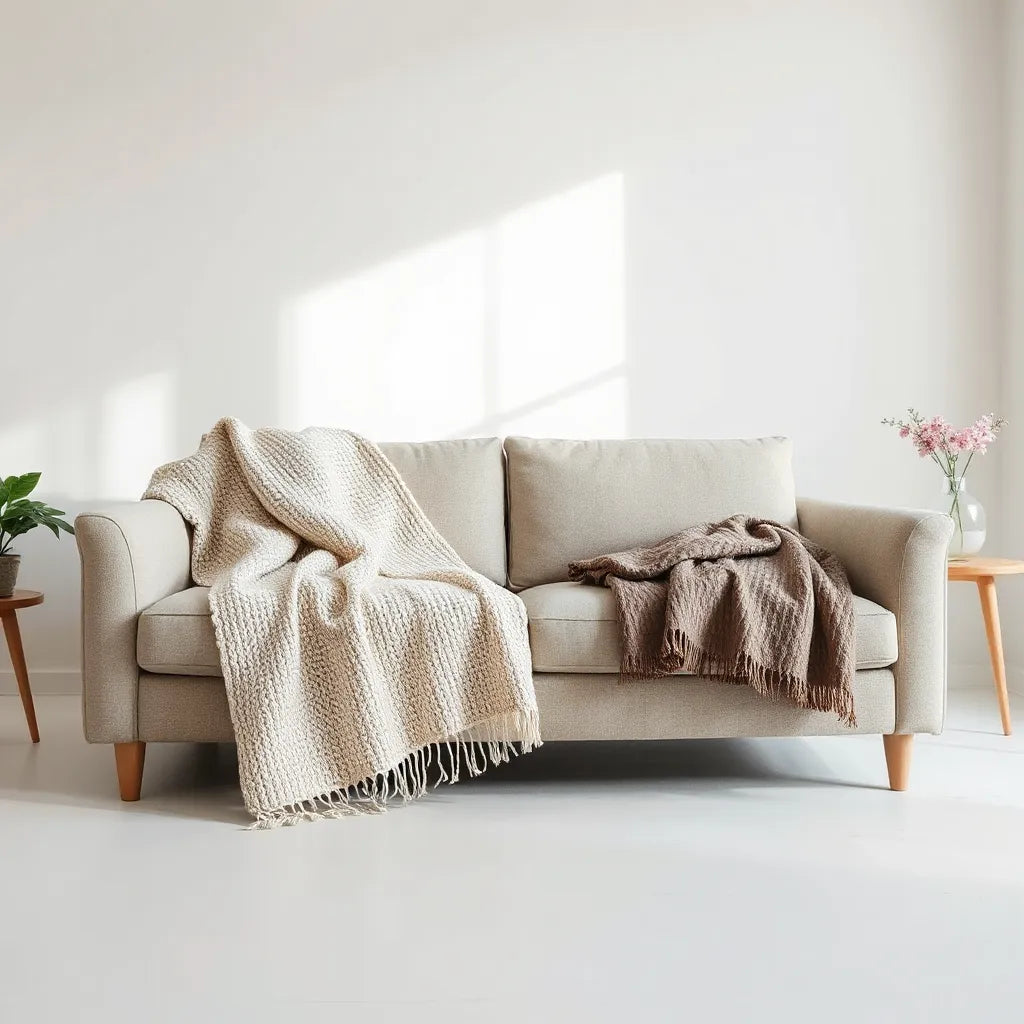
Throws are versatile textiles used to enhance comfort and appearance. On seating, they create a welcoming surface and reduce the stark look that can result from large fabric expanses. In bedrooms, they add a finishing layer that frames pillows and bed linens. In both settings, throws can also help manage day-to-day use by providing an accessible surface for resting, reading, and relaxed conversation.
Beyond function, throws support visual design. They introduce texture without requiring new furniture. They also provide a flexible way to adjust seasonal mood. Instead of replacing major items, you can swap or re-style a throw to create a new atmosphere while keeping the overall room plan stable.

Layered fabrics symbolizing comfort and intentional softness
Materials and Care Considerations
Material selection determines how throws feel, how they look, and how well they hold up with routine handling. When choosing fabric, focus on three factors: texture, weight, and care requirements.
Texture and touch
Texture can either calm a room or add energy. A smoother weave can keep a modern space crisp. A chunkier knit can create a cozy, relaxed impression. If your interiors already include many patterns, consider a texture that adds depth without heavy visual repetition.
Weight and drape
Weight influences how the throw falls over furniture. A heavier throw tends to hold shape and create structured folds. A lighter throw drapes more fluidly and can look elegant on beds and chairs. Match the drape to the furniture style. For example, traditional silhouettes benefit from fabrics that fall neatly and do not twist.
Care and durability
Even the most attractive throw will not perform well if maintenance is difficult. Confirm whether the fabric supports regular vacuuming, gentle washing, or low-heat drying. If your home has pets or frequent guest activity, prioritize fibers that resist visible lint and retain their appearance between cleanings.
For a cohesive look with your seating area, you can also coordinate throw styling with chair and furniture details. For instance, consider how the lines of your seating complement the texture you choose. If you are refreshing your seating setup, you may find inspiration at Haruto bar stool as a reference point for how form and finish can influence textile choices.
Size and Placement That Look Intentional
Good styling is often the result of correct sizing. Placement should look effortless, but it starts with measurement and proportion.
On sofas
For a sofa, aim for coverage that reaches toward the seat area without extending so far that it pools awkwardly on the floor. A common approach is to drape the throw over the back edge and let it fall to the seat, creating a clear visual boundary. For corner seats, adjust placement so the throw does not bunch at the junction.
On armchairs and accent chairs
Accent chairs typically benefit from a more deliberate placement. Fold the throw once to create a clean edge and place it where it frames the chair profile. If the chair has a strong back shape, allow the throw to follow the geometry rather than crossing over it.
On beds
On beds, the throw should integrate with the bed height and pillow arrangement. Place it at the foot of the bed for a balanced look, or layer it slightly under the top pillows so the fabric becomes part of the overall composition. Ensure the throw does not overpower the bed by covering too much surface.
On benches and seating islands
In informal seating zones, throws work best when they provide comfort without disrupting movement. Place the throw so it remains accessible and does not slide. If you notice slipping, adjust the fold size and consider pairing with cushion positioning.
Styling Ideas for Different Rooms
Throws adapt to many interior styles, but the styling method should reflect the room’s purpose. Use the following approaches to create variety while keeping the look cohesive.
Minimalist spaces
Choose one throw with a clear texture and a limited color palette. Use simple draping so the fabric becomes an intentional accent rather than a competing element. Solid tones and subtle weave variations generally fit well in minimalist rooms.
Warm contemporary rooms
Layer a throw with complementary textiles such as cushions and curtain tones. Add contrast through a single accent color. Keep pattern count low. If your room already contains multiple textures, prioritize one dominant throw texture to prevent visual noise.
Cozy, traditional rooms
Use throws to reinforce comfort. Select fabrics that feel substantial and folds that look neat and settled. Plaid or classic pattern styles can work well when the rest of the room stays relatively calm.

Color tones and folds illustrating balanced layering concepts
Dining and guest areas
For guest-friendly spaces, place throws where they can be reached easily. Keep the styling low-maintenance: a clean drape or a folded placement on a chair back is usually the simplest approach. This strategy maintains a welcoming appearance without requiring constant readjustment.
Coordinating with furniture finishes
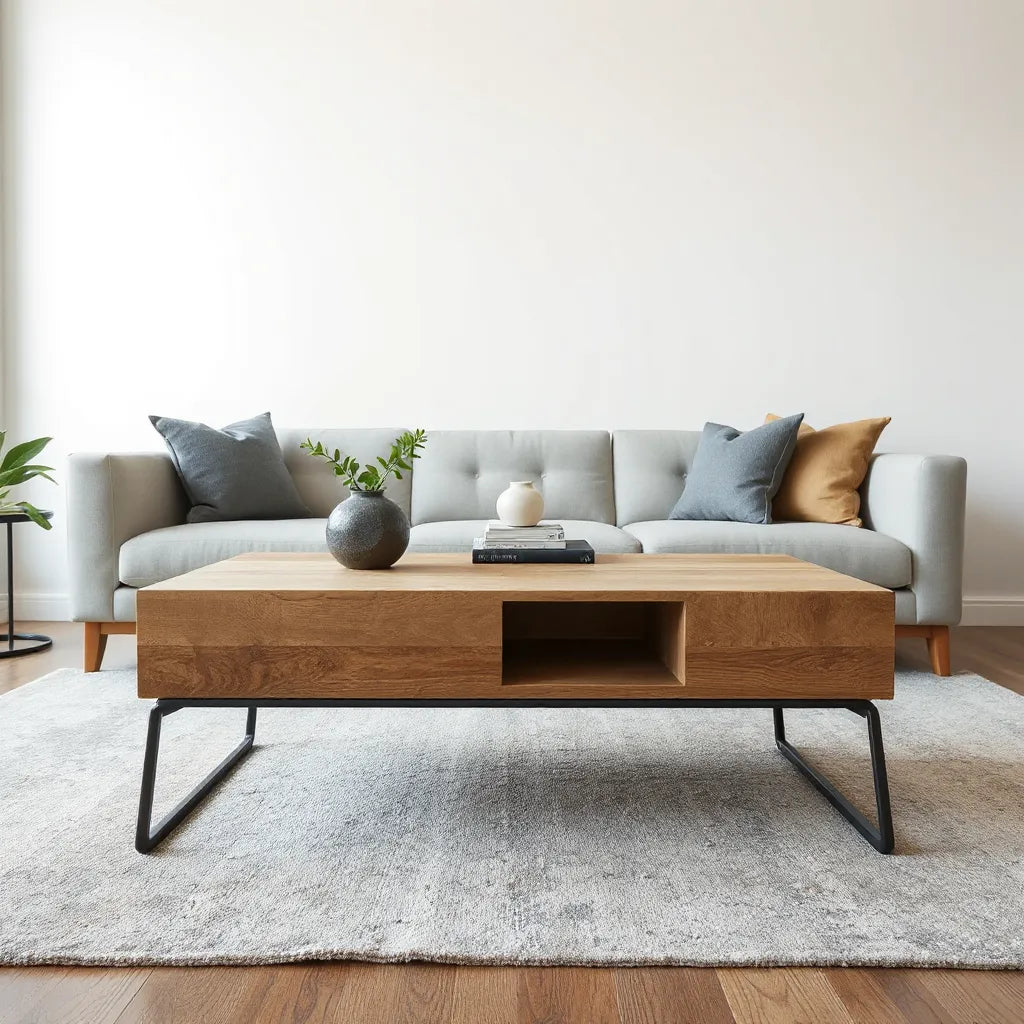
Throws should also harmonize with furniture finish and structure. If your seating includes smooth, streamlined materials, choose a throw with a refined texture. If your furniture has visible grain or detailed shapes, select a fabric that adds comfort without clashing with the furniture’s visual rhythm.
If you are organizing your living area and exploring cohesive styling beyond throws, you may also review furniture accents from OesenX to broaden design perspectives and keep your interior plan consistent across categories.
Frequently Asked Questions
How do I pick the right throw size for my sofa?
Measure the sofa width and consider how far you want the fabric to fall. A practical approach is to drape the throw from the back edge to the seat area, with enough length to look balanced. If you are between sizes, prioritize the length that creates a clean drape rather than a heavy overhang.
What fabric is best for everyday comfort?
Look for fabrics that combine stable drape with manageable care. Medium-weight textiles usually perform well because they drape nicely and remain comfortable. If the throw is used frequently, prioritize fibers with straightforward cleaning and minimal pilling concerns.
How can I style throws without making the room look cluttered?
Limit the number of patterns and focus on one hero textile. Use controlled folding and avoid stacking multiple accents in different directions. When adding a throw, ensure it connects to existing colors in the room through one shared tone.
Summary & Key Takeaways
Throws are a practical and design-forward way to improve comfort, soften surfaces, and refine a room’s visual balance. Choosing the right fabric, sizing correctly, and placing the throw with intention creates a look that appears natural rather than improvised. Start with your main goal, then select a fabric weight and color strategy that match your room. With consistent care and simple styling rules, throws can remain a reliable interior upgrade across seasons.
If you want to build a cohesive living space, consider experimenting with one or two throws and observe how texture and color change the room’s mood over time.
Q&A Section
Can a single throw work across multiple rooms?
Yes, a well-chosen throw can work in more than one space when it has a versatile color palette and a texture that suits the room style. Use the same throw in seating areas for a consistent look, then adjust placement and folding to fit each furniture shape.
How often should throws be cleaned?
Clean throws based on visible use and care instructions. If the throw is used daily, adopt a routine that supports regular maintenance, such as periodic gentle cleaning or spot care where appropriate. Keeping a consistent schedule helps the fabric remain fresh and reduces buildup.
What styling approach looks best for small living rooms?
Small rooms benefit from fewer visual elements. Use one throw as the main textile accent, choose colors that harmonize with the room’s base tones, and keep folds neat. Placing the throw where it frames a chair back or sofa arm creates structure without consuming extra visual space.
Are throws suitable for formal-looking interiors?
They can be. The key is selecting a fabric with a refined texture and a color that blends with existing furnishings. When the throw drape is controlled and the pattern intensity is moderate, it supports comfort while maintaining an orderly, polished appearance.
Do throws replace cushions?
Throws complement cushions rather than replace them. Cushions address seated support and comfort, while throws add warmth and texture. Using both allows you to manage temperature and style as needs change throughout the day.
How do I prevent a throw from sliding off furniture?
Sliding often comes from friction differences between fabrics or from an overly loose drape. Try a smaller fold, place the throw along a supported edge, and confirm that the fabric weight matches the furniture surface. Consistent placement can also reduce repeated readjustment.
What is the best way to layer throws with other textiles?
Layer by introducing one primary texture and one supporting element. Keep color connections clear and avoid placing two competing patterns at the same visual depth. If you use a patterned throw, balance it with solid cushions or vice versa.
Is it better to choose neutral or bold throw colors?
Neutral colors offer flexibility and work with changing decor. Bold colors create stronger contrast and can energize a room. Choose bold tones when you can connect them to existing accents such as artwork, ceramics, or curtain shades.
Can I use throws on dining chairs?
Yes. Throws can soften dining chair seating and add warmth during cooler evenings. Keep placement neat and avoid draping that interferes with sitting posture. Fold the throw so it remains secure and does not slide during use.
How should I store throws when not in use?
Store throws in a clean, dry location and avoid long-term compression that may affect texture. If the fabric is delicate, consider using a breathable storage method. Proper storage helps maintain appearance and reduces dust exposure.
About the Author
Nisu Home is an interior guidance brand focused on practical styling, material understanding, and long-term comfort. With expertise in how textiles and furniture work together, Nisu Home helps customers create rooms that feel balanced and lived-in. Thank you for reading, and enjoy building a more comfortable home through thoughtful choices.

Leave a comment
This site is protected by hCaptcha and the hCaptcha Privacy Policy and Terms of Service apply.