


Updated on: 2026-07-23
A geometric coffee table blends modern structure with everyday function. Its angled lines and symmetrical forms can add visual order to a room. When chosen with the right size, material, and finish, it also supports practical styling for coffee service and décor. This guide explains how to select one, style it for different interiors, and avoid common fit and maintenance mistakes.
Table of Contents
How to Choose and Style a Geometric Coffee Table
A geometric coffee table is a statement piece that can still perform like a practical centerpiece. If you want a room that feels intentional rather than cluttered, this style helps you define a focal point. The key is to align shape, scale, and surface function with your layout and lifestyle.
1) Start with measurements that match your seating plan
Before selecting a design, measure the distance from your sofa or chairs to the intended table location. A geometric coffee table typically works best when it leaves enough walking clearance and provides comfortable reach for placing cups, books, or trays. Use a tape measure and note the longest side of the table shape, not only the tabletop area.
- For typical living room circulation, prioritize clear space on at least two sides.
- Choose a width that sits within the seating zone, not beyond it.
- If your table has angled edges or facets, treat them as part of the usable footprint.
2) Select a shape that complements your room geometry
Geometric designs often include facets, triangles, or stepped forms. The most flattering choice usually mirrors the room’s existing visual language. For example, if your seating has clean lines and minimal curves, sharper geometric patterns can look cohesive. If your room includes many rounded elements, consider softer angles or a finish that visually lightens the structure.
When in doubt, use contrast strategically. A crisp geometric coffee table can balance a room that leans heavily toward soft textiles. Conversely, pairing it with warmer colors can prevent the look from becoming too rigid.

Angle-focused layout cues for seating-to-table balance
3) Pick the right material for durability and daily use
Materials determine both the visual impact and maintenance effort. Common options include engineered wood with a painted or lacquered finish, natural wood with a stain, metal accents for a modern frame, and stone or stone-look surfaces for a premium feel. For everyday hosting, prioritize scratch resistance and easy cleaning.
- Wood-based surfaces: often warmer visually and simpler to style with wood tones.
- Laminate or lacquer finishes: typically provide smooth wipe-down convenience.
- Stone or stone-look: can resist stains and supports a polished look.
4) Choose a finish that supports your lighting
Lighting affects how geometric lines appear. A matte finish reduces glare and often feels more calm and grounded. A high-gloss or reflective surface can highlight facets and create a sharper, more dramatic silhouette. Consider your ambient light sources and window brightness. If your room receives strong daylight, matte tends to look balanced. If your room is dimmer, a gentle sheen can add clarity without overwhelming the space.
5) Make sure the table height fits your styling needs
Height influences both usability and comfort. A geometric coffee table that sits too high can make it harder to reach for snacks or decorations. One that sits too low may create an unbalanced visual gap under the legs of your seating. As a general approach, align the tabletop level with your typical tray and book habits. If you plan to use a coffee tray often, choose a height that keeps items stable and accessible.
6) Embed the piece into your décor system
Geometric furniture works best when styling is organized rather than busy. Instead of scattering many small items, use fewer pieces with intentional placement. Trays help contain items and visually extend the table’s structure. Candle heights should vary slightly for dimension, but avoid extreme differences that look accidental. If your coffee table has distinct facets, keep the décor within one coherent color family.
Try this practical styling formula:
- Use one anchor item (tray, sculptural bowl, or large book stack).
- Add one vertical accent (small candle, vase, or slender plant).
- Finish with one small texture element (woven coaster set or ceramic dish).
7) Maintain the look with simple cleaning routines
Geometric surfaces often show changes in sheen and dust patterns along edges. Clean gently with a soft cloth and avoid abrasive pads that can wear finishes unevenly. Use coasters for hot mugs and wipe spills promptly, especially on lighter colors. If the table includes metal elements, dry thoroughly after cleaning to minimize water spots.
Maintenance is part of selection. Choose a surface that matches your habits. If you host often, a durable top with easy wipe-down performance will keep the geometric form looking crisp.
8) Use a proven centerpiece model as a reference point
One way to clarify your preference is to compare how a real-world design looks in a living room context. A geometric-inspired table should appear level with your seating, and its edges should visually align with your room’s focal zone. For example, consider the following product as a style reference when planning your geometric coffee table arrangement.
Ureshii Coffee Table

If you want a coherent modern look, pair the tabletop with clean textiles, simple wall art, and a single material rhythm across the room. For related living room pieces, you can explore more options on Honin coffee table.
Common Questions Answered
What makes a geometric coffee table different from a standard coffee table?
A geometric coffee table emphasizes structured visual lines, often with angled edges, facet patterns, or stepped forms. While standard tables focus on basic silhouettes, geometric designs are meant to define a focal point. This can make a room feel more organized, especially when décor is minimal and the seating layout is clean.
How do I style a geometric table without making the room feel busy?
Use fewer items and increase the spacing between them. Choose one main décor anchor such as a tray or a sculptural bowl, then add a single supporting accent like a candle or small plant. Keep colors and textures consistent. When the tabletop already has strong shape, avoid overcrowding with many small objects.
Which materials work best for everyday use and easy cleaning?
For frequent use, prioritize surfaces that wipe clean and resist everyday marks. Look for finishes designed for contact with cups and lightweight décor. If your living room experiences high traffic, surfaces such as engineered wood with protective topcoats, lacquer finishes, or stone-look tops can simplify maintenance. Always follow the manufacturer guidance for cleaning tools and products.
How can I choose the correct size when my living room is small?
Measure your circulation paths first. In compact rooms, choose a geometric coffee table with a footprint that fits within your seating zone while leaving clear routes. Consider a slightly smaller width, and keep styling minimal. If the table has bold angles, ensure that the protruding parts do not block movement. A tidy, contained arrangement helps the table feel intentional rather than bulky.
Summary & Next Steps
A geometric coffee table can elevate a living room by adding structure, clarity, and a modern focal point. The best results come from disciplined sizing, a finish that matches your lighting, and material choices aligned with your daily routine. When styling, use a simple framework: one anchor item, one vertical accent, and a small texture element, all within a coherent color set.
Next, shortlist two or three designs based on your measurements and preferred shape language. Then compare materials and finishes in your room’s natural and evening lighting. Finally, plan a cleaning routine that protects edges and maintains the visual crispness of the geometric form.

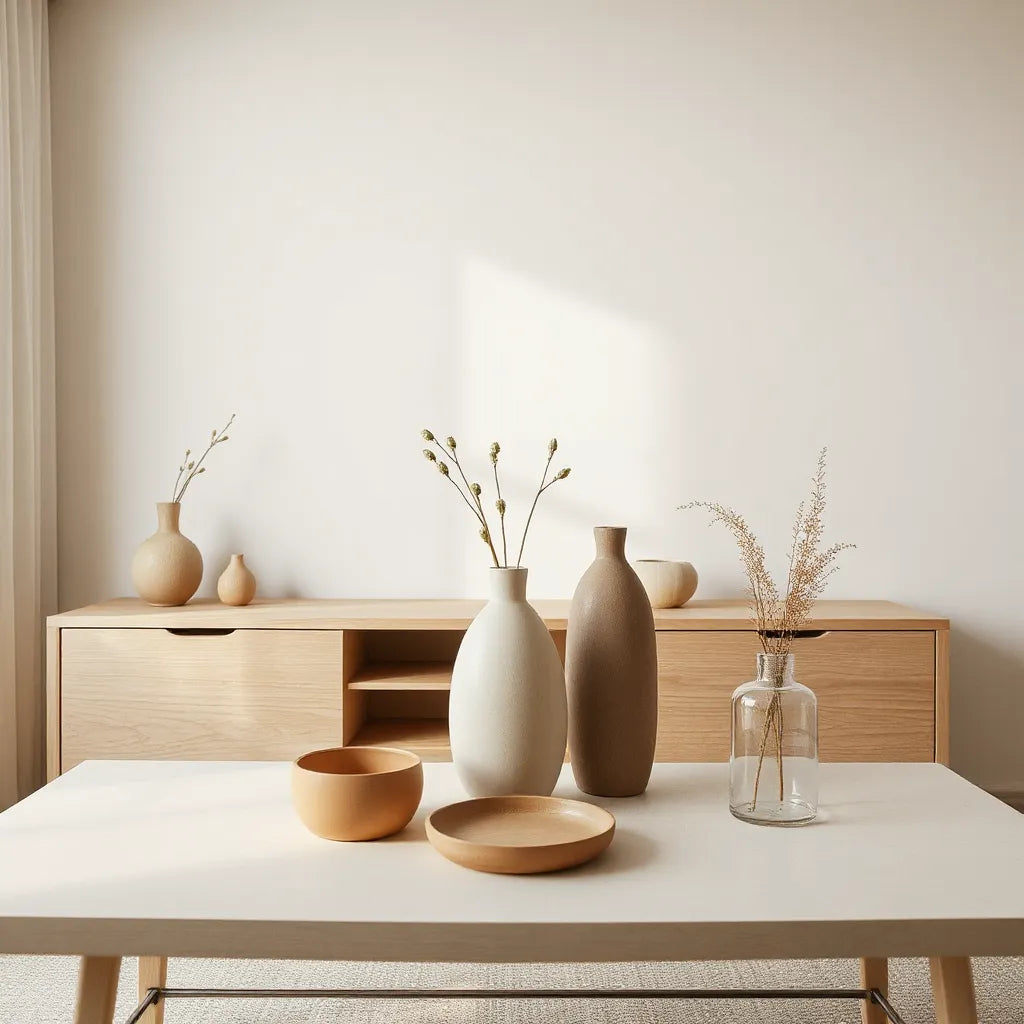
Minimal styling plan for geometric tabletop balance
If you want additional modern décor inspiration, explore matching elements at Asuka cabinet or complement your seating area with carefully proportioned pieces such as Toshiro chair.
About the Author
Nisu Home is a design-focused retail brand with expertise in contemporary home styling and furniture selection. The team regularly evaluates form, finish, and room harmony to guide customers toward practical, aesthetic choices. With a focus on modern living spaces, Nisu Home supports buyers who want pieces that look refined and function well. Thank you for reading and considering an intentional upgrade for your home.
Disclaimer: This article provides general guidance on furniture selection and styling. Product specifications, cleaning methods, and compatibility with your room layout may vary by design. Always follow the instructions provided by the manufacturer for care and safe use.


Leave a comment
This site is protected by hCaptcha and the hCaptcha Privacy Policy and Terms of Service apply.