

Updated on: 2026-07-21
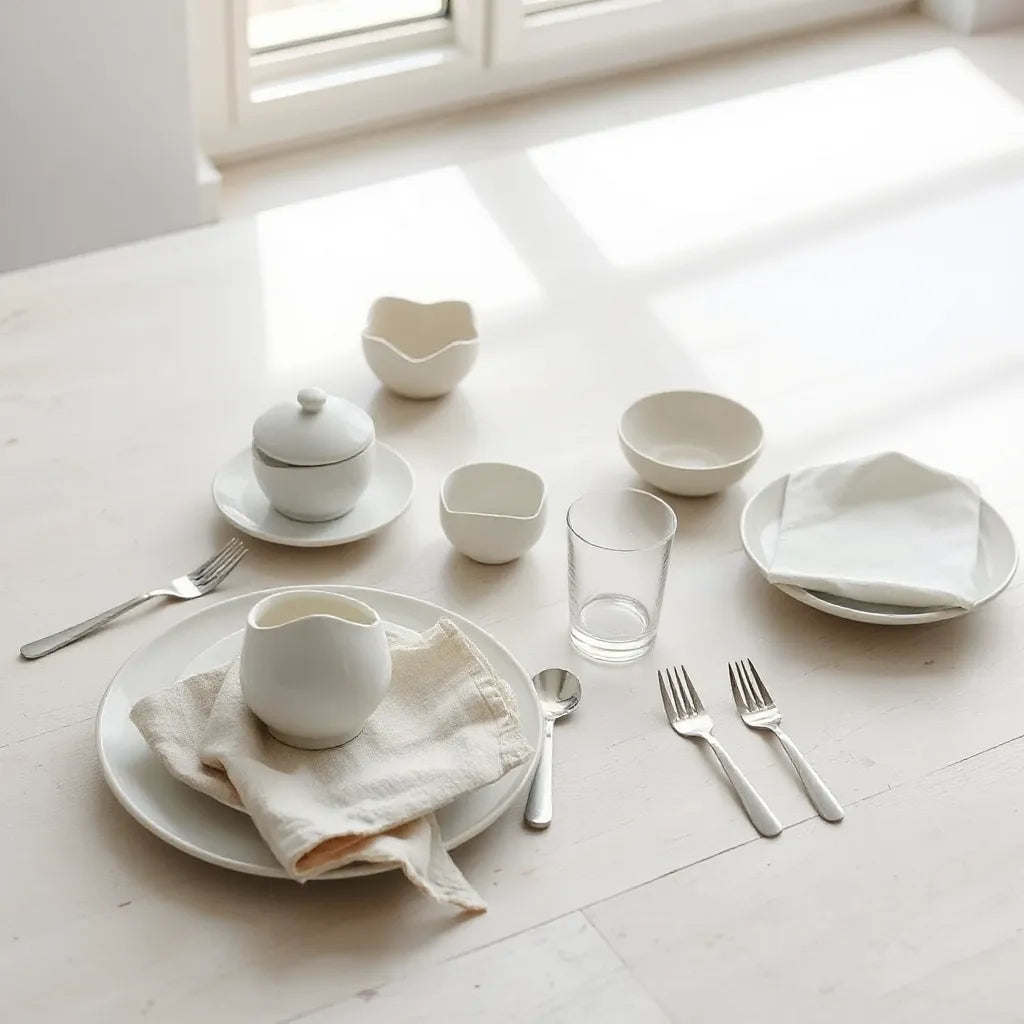
Tableware is more than plates, bowls, and cutlery. It shapes daily comfort, meal flow, and the visual tone of a dining space. Choosing the right materials, sizes, and finishes helps you avoid common problems such as chipping, staining, and poor grip. With a simple framework, you can build a practical set for everyday use and special occasions. This guide explains myths, selection criteria, and care practices so you can choose tableware confidently.
1. Tableware: What It Really Includes
3. Personal Experience: The Day I Changed My Setup
4. How to Choose Tableware for Real Life
5. Materials and Performance by Category
Tableware: What It Really Includes
Tableware refers to the items you use to serve and eat meals. Most people think of plates and cutlery first, but the term is broader and includes bowls, serving dishes, glassware, drinkware, utensils, and even functional accessories such as place settings and holders. In a well-designed setup, every piece supports comfort, portion clarity, and a smooth transition from one course to the next.
For daily meals, practical tableware reduces friction. For hosting, it sets expectations. A cohesive set also improves organization. When matching pieces have compatible sizes and finishes, you can stack, store, and clean with less effort. The result is a dining space that feels intentional rather than accidental.
Myths vs. Facts
-
Myth: Expensive tableware is automatically more durable.
Fact: Durability depends on material composition, edge construction, and heat resistance, not only price. -
Myth: Matching everything is the only way to look polished.
Fact: Visual consistency can also come from shared color temperature, similar shapes, or coordinated finishes. -
Myth: All ceramic or porcelain is equally chip-resistant.
Fact: Glaze quality, body hardness, and thickness vary significantly by brand and production method. -
Myth: More utensils always improve table flow.
Fact: A clear, minimal set usually performs better, especially for everyday meals. -
Myth: Handwashing is the safest approach for every piece.
Fact: Some materials tolerate dishwashing well; the safest method is the care guidance that fits the specific product.
Personal Experience: The Day I Changed My Setup
I used to treat tableware like a storage problem. I focused on what looked good and ignored how meals actually moved. Plates and bowls were mismatched, cutlery felt awkward in hand, and I kept everything in a mixed stack to “save space.” Over time, that setup created small but constant issues: uneven stacking that led to scratches, rims that stained quickly, and utensils that did not balance well for longer meals.
After reorganizing my set, I changed three things. First, I standardized the everyday plate size so portions were easier to manage. Second, I adjusted utensil selection to prioritize grip and weight over novelty shapes. Third, I aligned storage so fragile edges stayed protected. The upgrade felt subtle, but daily use became faster and more consistent. Hosting also improved because the table looked cohesive without needing constant rearranging.

Stacked table settings with protected edges and spacing
How to Choose Tableware for Real Life
Selecting tableware becomes easier when you start with your routines. Begin by mapping how you eat most often. Do you serve family-style or individually plated meals? Do you host frequently, or do you focus on quiet dinners? These answers influence the number of pieces you need, the shapes that suit your portion sizes, and the utensils that match your menu style.
Start with your meal format
Family-style meals often benefit from serving dishes and bowls that travel well from kitchen to table. Individually plated meals benefit from consistent plate diameters and a reliable salad-to-dinner portion relationship. If you frequently serve soups, choose bowls that hold heat comfortably and resist residue buildup.
Select the right counts, not just the right pieces
A practical set usually includes enough pieces for your most common number of guests, plus a small buffer. Consider how many you realistically use during a typical week. Overbuying creates unused clutter, and underbuying creates last-minute stress. For many households, a core set of everyday essentials is the most efficient foundation, with seasonal additions later.
Prioritize comfort in hand for utensils
Cutlery should feel balanced. If utensils are too heavy, they fatigue the hand. If they are too light, they can slip during cutting. Look for smooth edges, secure tines, and ergonomic contours where your fingers rest. Small details, such as how the handle meets the blade or fork, determine comfort during repeated use.
Use color and finish to guide the eye
A dining space looks cohesive when finishes coordinate. Matte finishes can reduce glare, while glossy surfaces reflect light and create a crisp look. If you prefer a calm atmosphere, choose consistent color temperature across pieces. If you want a statement table, keep one element visually distinct, such as a serving centerpiece, and let the rest remain steady.
For a complete dining experience, seating and table height also matter. Comfortable seating helps you enjoy meals longer, and the right chair height supports proper wrist and elbow angles. If you are updating your dining area, you may also consider complementary seating styles from Izumi chair or a bar-height setup paired with Hitsuji chair, depending on your layout.

Coordinated plate sizes and glassware forming a tidy lineup
Materials and Performance by Category
Material choice is the most practical decision you can make for tableware performance. It affects how items handle daily use, how they respond to heat, and how they clean over time. Use the guidance below as a selection framework rather than a rigid rule.
Ceramic, porcelain, and stoneware
These materials are common for plates and bowls. Porcelain is often chosen for a refined look and a smooth surface that resists liquid absorption. Stoneware can offer a comforting, artisanal feel and often performs well in everyday settings. Ceramic options vary widely; it is helpful to review thickness and glaze strength, since those factors influence chip risk.
Stainless steel and coated cutlery
Stainless steel is a standard because it resists corrosion and is predictable in care routines. Coated cutlery can look modern, but the coating must be protected from abrasion and harsh cleaning methods. For mixed-use households, uncoated stainless is often the most straightforward because it maintains performance across repeated wash cycles.
Glass and drinkware
Glassware influences the feel of beverages, especially with water and tea. For daily use, consider clarity and rim thickness. Thicker rims often provide better grip and may resist minor impact better than thin glass. For hosting, consistent shapes help you build a uniform drink presentation.
Wood, bamboo, and specialty utensils
Wood-based utensils can be gentle on cookware and comfortable to handle. However, they often require careful drying and occasional maintenance to keep surfaces in good condition. If your household runs a dishwasher, consider which pieces should remain hand-washed to prevent warping.
Care, Storage, and Longevity
Longevity is not only about quality. It also depends on how you clean and store tableware. With a few consistent habits, you can prevent most common issues such as stains, dulling, odors, and accidental chips.
Clean based on material behavior
When possible, rinse promptly after use. Food residues can dry and become harder to remove, especially with sauces and high-acid meals. For ceramics and porcelain, gentle cleaning reduces the risk of micro-scratches that later trap stains. For metal utensils, avoid aggressive abrasives that can dull finishes.
Dry thoroughly before storage
Even when items are fully clean, moisture can create odor and spotting. Drying is especially important for stacked storage, where airflow is limited. Use a drying rack or allow items to air-dry before placing them in cabinets.
Protect edges and contact points
Chips often happen when pieces touch and shift inside a stack. To reduce damage, consider separating items using soft liners or by storing pieces with natural protective spacing. Handle items with rims and corners carefully. During cabinet organization, avoid overfilling spaces that force pieces together at awkward angles.
Build a simple rotation strategy
Some households use “daily” and “occasion” sets. Rotation prevents uneven wear. Even if you do not have multiple sets, you can reduce strain by alternating utensils during busy weeks and keeping a stable set of dishes for frequent use.
If your setup includes additional furniture support, evaluate clearances. Proper table height and stable seating minimize accidental contact between hands, utensils, and dishware. For example, a stable chair choice can support better posture, which reduces spills during longer meals. If your dining area is being updated, explore pairing options such as Toshiro chair for a balanced look and comfortable seating.
Final Thoughts & Takeaways
Tableware is a system. It includes the items you use, the way you store them, and the comfort you experience while eating. When you choose pieces that match your meal format, prioritize utensil grip, and coordinate finishes, your table becomes easier to manage and more visually coherent. Avoid common selection myths by focusing on material behavior and real-world durability rather than appearance alone. With consistent cleaning habits and protective storage, you can extend the life of your set and enjoy a dining experience that feels reliable every day.
Q&A
How many pieces of tableware should a household keep for everyday use?
A practical starting point is enough to cover your most common meal size plus a small buffer for guests or short-notice needs. Focus on core items first, such as dinner plates, bowls, and primary utensils. Once your routine is covered, add serving dishes and specialty pieces gradually.
What is the safest way to prevent chips in tableware?
Preventing chips usually comes from reducing edge contact and minimizing shifting in storage. Store pieces with spacing or soft protective separation, avoid overpacking cabinets, and handle rim and corner surfaces with care. Prompt cleaning also reduces residue build-up that can lead to harder scrubbing and accidental impacts.
Are matching sets required for a polished dining table?
Matching sets are not required. A polished look comes from consistency in form, finish, and color temperature. You can mix shapes when they share a similar style language, such as complementary curves, compatible plate proportions, or coordinated surface sheen.
How should I choose tableware finishes if my lighting is bright or harsh?
For bright lighting, matte or satin finishes often reduce glare and create a calmer visual effect. If you prefer glossy surfaces, use them consistently and keep other elements simple so reflections do not compete. Coordinating glass and metal tones also helps the table look balanced under different light conditions.
Is there a difference between everyday dishware and hosting dishware?
Everyday dishware often emphasizes comfort, durability, and quick cleaning. Hosting dishware usually emphasizes presentation, portion clarity, and cohesive table styling. Many households achieve both by selecting reliable core pieces and reserving a small number of upgraded items for special moments.
What should I consider when buying utensil sets for a mixed menu?
For mixed menus, prioritize versatile utensil shapes and comfortable handle design. If you serve soups, use bowls that support spoon use without splashing. If you serve a mix of proteins, consider fork and knife geometry that supports cutting and stability for your typical portion sizes.
Where can I find dining inspiration for chair-and-table coordination?
You can explore complementary seating styles on nisuhome.com to align your dining height and overall aesthetic. Choosing seating that supports posture can also help reduce accidental spills, which protects your tableware. If your dining area needs an update, review options such as Haruto bar stool for bar-height layouts.
Author Bio
Nisu Home is a home and dining-focused brand team with expertise in creating functional, style-forward setups. The author specializes in tabletop essentials, materials, and practical organization for everyday living. The content reflects a careful approach to durability, comfort, and maintainable design. Thank you for reading and for building a dining environment that supports consistent enjoyment.
Disclaimer: This article provides general guidance on selecting, using, and caring for tableware. Always follow the specific care instructions provided by the manufacturer for each product.


Leave a comment
This site is protected by hCaptcha and the hCaptcha Privacy Policy and Terms of Service apply.