

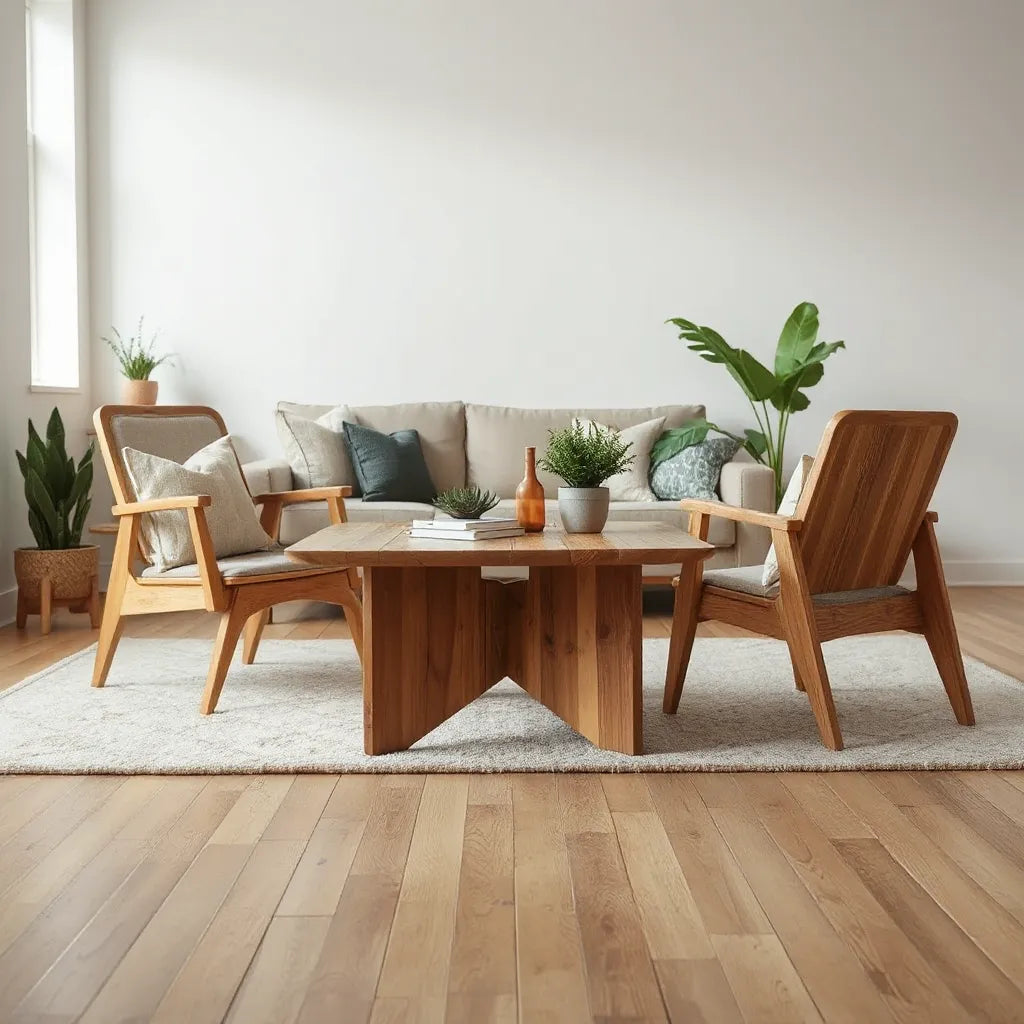
Updated on: 2026-06-15
Choosing sustainable furniture materials can lower your environmental impact without sacrificing style or durability. By focusing on responsible sourcing, safe finishes, and repair-friendly construction, you can make a practical upgrade that lasts. This guide explains how to evaluate material choices, compare common options, and avoid misleading marketing terms. Use the buyer’s checklist to select pieces that match your values and your daily needs.
What Are Sustainable Furniture Materials?
Sustainable furniture materials are the building blocks used to make furniture while reducing harm to people and the planet. The most responsible options come from sources that protect ecosystems, support fair labor, and limit pollution across the full lifecycle. This includes harvesting, milling, manufacturing, shipping, use, and end-of-life recovery.
For shoppers, the key difference is control. Conventional furniture may use materials with high environmental costs, such as rapid-growth timber that is not traceable, or adhesives and coatings that release unwanted compounds. In contrast, well-chosen sustainable furniture materials prioritize renewable feedstocks, responsible forestry, recycled content where appropriate, and safer finishing systems.
When you evaluate materials, you should treat sustainability as a set of measurable priorities. Look for evidence of traceability, attention to emissions, and design choices that extend product life. A durable chair or table reduces replacement frequency, which often has a bigger impact than small material substitutions.
To explore pieces designed with mindful selection in mind, you can review the range on Toshiro chair options for a practical view of design and material decisions.
Did You Know?
- Wood is not automatically sustainable; sustainability depends on forest management, legality, and traceability.
- Adhesives and surface finishes can contribute to indoor air quality issues when they are not carefully controlled.
- Recycled content is helpful, but it should not come with unknown contamination or unclear processing standards.
- Furniture longevity is a major sustainability lever because fewer replacements typically means fewer manufacturing impacts.
- Certified sourcing can reduce the risk of illegal or destructive harvesting by requiring audits and documentation.
Comparison: Pros & Cons
The best choice depends on your priorities, such as low emissions, water resistance, or repairability. Below is a structured comparison of common material pathways used in modern furniture design.
-
Certified responsibly sourced wood
- Pros: Supports traceability, can be strong and repairable, often ages well.
- Cons: Quality varies by supplier, and not all “wood” meets sustainability standards.
-
Reclaimed wood
- Pros: Extends material life, reduces demand for new harvesting, often offers unique character.
- Cons: Quality can be inconsistent, and older material may require careful finishing and inspection.
-
Recycled metal
- Pros: Durable, recyclable again, and suitable for long lifecycles.
- Cons: Finishes can wear, and corrosion protection must be evaluated for your environment.
-
Plant-based composites and engineered boards
- Pros: Can reduce demand for virgin timber, and may offer stable dimensions.
- Cons: Emissions depend on resin and binder choices, so you need reliable documentation.
-
Natural fibers and bio-based textiles
- Pros: Can reduce reliance on synthetic sources, and may offer breathable comfort.
- Cons: Cleaning and wear vary widely; some fibers require protective care.
Buyer’s Checklist
Use this checklist before purchasing. It helps you compare options quickly and avoid vague claims that do not reflect real outcomes.
- Material transparency: Confirm the exact wood species, board type, and component breakdown when available.
- Sourcing evidence: Look for third-party certification or traceability details for timber and fiber-based boards.
- Low-emission finishes: Prefer products that state compliance with recognized indoor air quality standards or provide emissions information.
- Recycled content details: Verify what is recycled, how it was processed, and whether processing standards are disclosed.
- Durability indicators: Check joinery quality, hardware type, and how easily parts can be replaced.
- Repair and maintenance: Prioritize designs that allow re-tightening, refinishing, or component replacement.
- Care instructions: Read care guidance because proper maintenance can extend product life and reduce re-purchases.
- Packaging and logistics: Consider shipping footprint, packaging material choices, and whether packaging is reduced or recyclable.
If you are selecting seating, you may find it easier to compare materials by looking at how the frame and surface layers are constructed. For example, you can evaluate options alongside Hitsuji chair design to focus on structural materials and finishing choices.
How to Validate Claims
Sustainability claims can be difficult to interpret because terms like “eco-friendly,” “natural,” and “green” are not always regulated. A stronger approach is to assess documentation, production practices, and product-level design choices.
First, prioritize traceability. When a brand can explain where materials come from and which standards apply, you are more likely to avoid hidden environmental risk. Second, examine the manufacturing inputs. Resins, glues, and coatings influence emissions and indoor air quality. If information is not available, you can still request details or compare products that publish relevant compliance statements.
Third, evaluate the total lifespan. A piece that withstands everyday use and accepts repairs is often more sustainable than a lower-cost item that needs replacement. Sustainability is not only about “what it is made from,” but also about “how long it stays in use.”
Fourth, consider compatibility with your space. Even sustainable furniture materials can be a poor fit if the material choice is not suited to humidity, sunlight, or cleaning routines. Correct match reduces stress damage, finishes wearing out early, and the need for premature replacement.
Checklist icons for sourcing, finishes, repairs, longevity
Visual Insight
When shoppers compare material options, visual cues can improve decision quality. Use the following visual priorities as a mental framework while evaluating product images and descriptions.
- Identify whether the design highlights structural components and joinery rather than only surface appearance.
- Look for cues about protective layers, such as consistent coating coverage and clean edge finishing.
- Prefer layouts that suggest replaceable parts or straightforward maintenance access.
For additional context on seating construction and material layering, you can review Izumi chair details to see how a product description can clarify what matters for long-term use.
Final Thoughts & Advice
Sustainable furniture materials are most meaningful when they support the full lifecycle of a piece: responsible sourcing, safer processing, and a design that stays useful for years. If you want a practical standard, prioritize traceability, low-emission finishing, durability, and repairability. These factors usually deliver better results than focusing on one headline attribute alone.
When you shop, compare at the component level. A furniture item has multiple material layers, including frames, panels, upholstery, and surface finishes. Even when one layer is responsible, another layer may determine indoor air outcomes or long-term wear. A balanced evaluation leads to more reliable sustainability outcomes.
Finally, select one well-made piece rather than several short-lived replacements. Longevity is not just a comfort issue; it is an environmental strategy. If you are also exploring related products that reflect a materials-first approach, you can review categories across Kg2g.store as a supplemental source of inspiration.
Q&A Section
What are the most common sustainable furniture materials used in modern furniture?
Common options include responsibly sourced wood, reclaimed timber, recycled metal, plant-based composites, and natural fibers used in upholstery or covers. The best approach is to match the material choice with the product function, then confirm whether the brand provides sourcing and emissions information.
Are “recycled” materials always the most sustainable choice?
Not always. Recycled content can reduce demand for new raw materials, but sustainability depends on processing quality, contamination controls, and how durable the final product becomes. You should look for clarity on what is recycled and whether the brand discloses relevant manufacturing standards.
How can I reduce my impact when buying furniture online?
You can reduce impact by selecting durable designs, checking component-level construction, and prioritizing pieces that offer repair or refinishing potential. Also, confirm whether finishing systems and adhesives meet recognized indoor air quality expectations. When in doubt, choose brands that publish specific material and process details.
Do sustainable furniture materials improve indoor air quality?
They can, especially when they involve low-emission finishes and controlled adhesives. However, indoor air outcomes depend on the full set of materials and the manufacturing process. Seek products that provide emissions-related information or compliance with recognized standards rather than relying on general marketing language.
How many times should I refinish or repair furniture to count as a sustainable choice?
There is no universal number. Sustainability is best evaluated by whether the furniture can be maintained without replacing major components. If your routine allows cleaning, tightening, refinishing, or component replacement over many years, it indicates a longer product lifecycle and stronger sustainability performance.
About the Author Section
Nisu Home provides expertise in interior design guidance, furniture material evaluation, and practical shopping standards for long-term ownership. The author focuses on helping readers make informed decisions based on construction quality and responsible sourcing. This approach supports both comfort and sustainability in everyday spaces. Thank you for reading and for choosing more thoughtful material choices.
Disclaimer: This article provides general educational guidance and does not replace professional advice. Sustainability information can vary by supplier, model, and region, so you should review product documentation and ask the seller for details when needed.



Leave a comment
This site is protected by hCaptcha and the hCaptcha Privacy Policy and Terms of Service apply.