

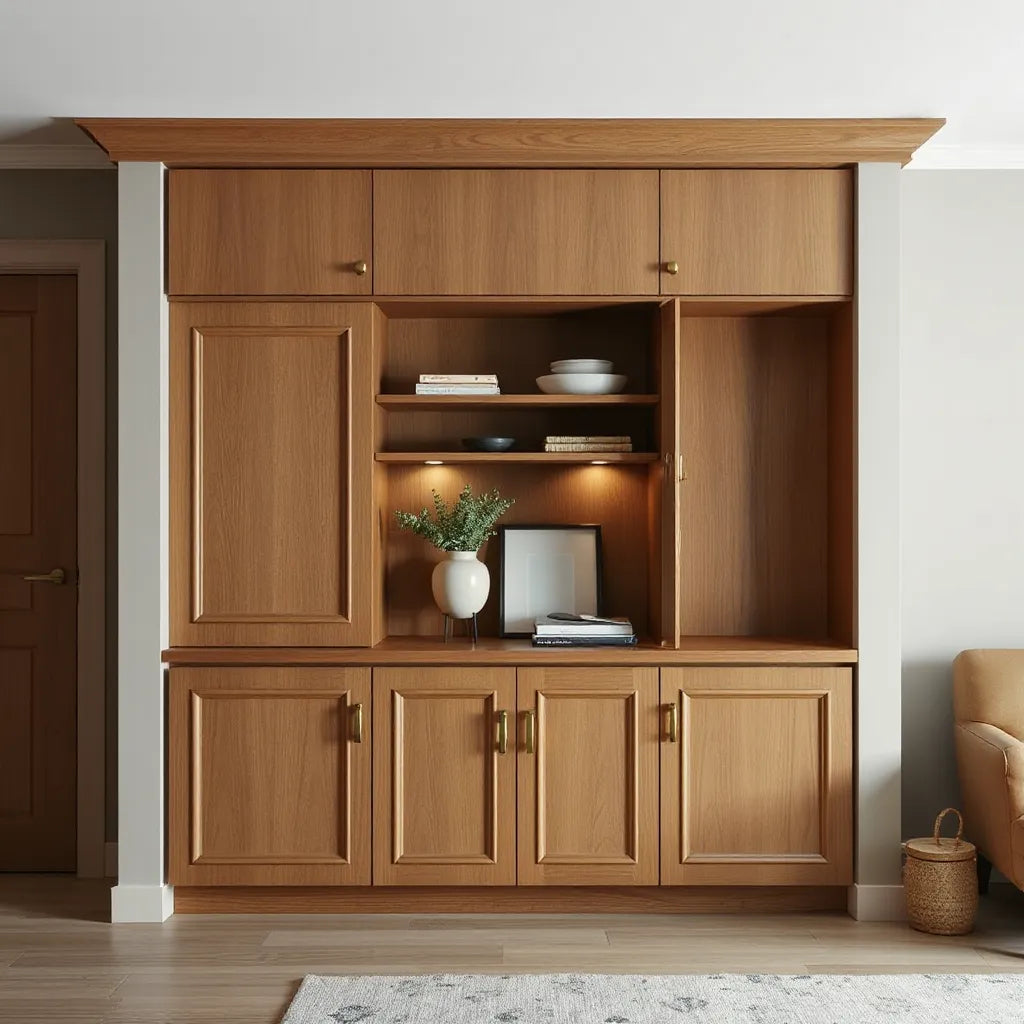
Updated on: 2026-06-16
Exquisite cabinet designs combine function, structure, and refined style. The best cabinets improve storage, protect materials, and elevate everyday routines. Planning the layout and selecting the right materials can prevent costly changes. This guide explains the most common design challenges and offers clear recommendations for a smarter build process.
Table of Contents
Exquisite cabinet designs are not only about visual appeal. They also shape how your space feels day to day. A well-planned cabinet system can reduce clutter, support better organization, and create a calm, intentional look. This article will help you choose cabinet styles, materials, and layouts with clarity, so your final results feel cohesive and durable.
Common Challenges
Many homeowners and designers start with inspiration but run into practical issues during planning. The good news is that these challenges are predictable. When you address them early, you reduce rework and protect your budget.
1. Misaligned storage needs
The most common planning error is selecting a cabinet style before defining what must be stored. Tools, pantry items, linens, dishware, and electronics each require different storage depths and access methods. If storage needs are not mapped first, doors may swing the wrong way, shelves can end up too shallow, or drawers may not support everyday handling.
Solution: Create a simple inventory list. Group items by frequency of use. Then match them to access types such as drawers for frequent items and pull-out shelves for deeper categories.
Practical checklist:
- Measure the largest item you must store, including packaging.
- Estimate the number of items in each category.
- Decide what needs quick access versus long-term storage.
- Plan for safe ventilation for humidity-sensitive items.
2. Inefficient layout and wasted space
Even high-quality cabinetry can feel disappointing if the layout wastes space. Common culprits include dead corners, narrow aisles, and inconsistent heights between zones. In kitchens, poor spacing can interfere with countertop workflow. In living areas, cabinets may block light or break sight lines.
Solution: Use zone planning. Divide the area into primary work or display zones. Then place tall storage where it will not disrupt movement paths.
If you are designing a small dining or living area, consider how seating and tables will relate to cabinetry. A coordinated approach between storage and seating supports a more polished appearance. For example, you can explore modern seating options such as Asuka cabinet collection for visual direction on how cabinetry styling can align with a broader interior palette.

Cabinet zones shown with arrows and height markers
3. Material mismatch and wear concerns
Materials affect both performance and long-term aesthetics. Wood species, veneers, laminates, and finishes each behave differently under heat, moisture, and daily touch. A surface that looks perfect at installation may degrade if it is not suited to the environment. Dark finishes can show fingerprints and dust more easily. Some coatings can also react to frequent cleaning.
Solution: Choose a finish that matches your maintenance routine. For kitchens, prioritize durability and cleanability. For bathrooms or laundry-adjacent areas, prioritize moisture stability.
4. Hardware and door behavior issues
Cabinet hardware changes the daily experience more than many people expect. Poorly selected hinges can cause uneven door alignment. Handles that are too small may feel awkward. In drawers, low-quality slides can reduce smoothness over time.
Solution: Align hardware selection with the cabinet type and expected load. Confirm door swing clearance and drawer travel before installation.
5. Style inconsistency across the room
Exquisite cabinet designs often succeed because they establish a consistent design language. However, style inconsistency can appear when cabinetry, trim, lighting, and adjacent furniture are not aligned. Mixing modern cabinetry with traditional molding details, for example, can look accidental rather than intentional.
Solution: Select a primary visual theme. Then repeat core elements such as finish tone, handle profile, and panel rhythm. Aim for continuity between storage pieces and key furniture zones.
To support a cohesive look, you may also consider how other interior elements can complement your cabinetry approach. Seating choices can influence perceived style. For instance, you can reference Toshiro chair for insight into how clean lines and refined forms can pair with structured storage.
Comparison Section
Choosing cabinet features often involves trade-offs. The comparison below helps you decide what matters most for your space and priorities.
| Design Focus | Pros | Cons | Best For |
|---|---|---|---|
| Flat-panel or slab fronts | Clean appearance, easy to coordinate, modern feel | Can show minor surface imperfections more clearly | Contemporary interiors and minimal visual clutter |
| Inset details and framed looks | Traditional craftsmanship cues, strong architectural presence | Requires careful alignment and consistent trim | Rooms that benefit from classic structure |
| Glass-front display cabinets | Elevates decor and creates visual depth | Requires organized contents to maintain a polished look | Dining areas and curated display zones |
| Integrated drawer storage | Improves access, reduces clutter, supports tool-free organization | May increase cost if extensive | Kitchens, utility spaces, and high-use storage |
When you compare cabinet styles, keep the focus on how you will live with the design. Exquisite cabinet designs usually feel effortless because storage behavior and visual rhythm work together.

Checklist visuals balancing durability and visual continuity
Material and finish comparison
Beyond style, finishes and materials define how cabinets look over time. Consider the following decision points.
- Wood tone consistency: Veneers and solid wood can vary. Confirm what variation is acceptable for your aesthetic.
- Sheen level: Matte finishes reduce visible fingerprints. Higher sheen can emphasize scratches.
- Cleaning method: Select finishes that tolerate your preferred cleaning products and frequency.
- Edge durability: Edges often experience the most contact. Verify edge quality for longevity.
If you want to coordinate cabinetry with modern interior objects, seating and side tables can reinforce the design direction. For example, you may explore Izumi chair to understand how refined forms can complement storage lines.
Summary & Recommendations
Exquisite cabinet designs succeed when planning is systematic rather than purely aesthetic. Start with storage needs, measure carefully, and select materials that match your environment and cleaning habits. Then refine the design language by aligning doors, hardware, and finishes across the room.
Key recommendations:
- Define storage requirements first: Build your layout around real item sizes and daily access patterns.
- Optimize layout: Plan for movement paths and avoid wasted corners and mismatched heights.
- Choose durable finishes: Prioritize cleanability and wear resistance for your room type.
- Refine hardware behavior: Confirm door clearance, drawer travel, and hinge alignment.
- Create style continuity: Repeat finish tone, panel rhythm, and hardware profile for a unified look.
As you refine your choices, ensure that your cabinet plan supports long-term flexibility. Adjustable shelving, modular drawer inserts, and thoughtfully placed display areas help your system stay useful as your needs evolve. If you are reviewing your broader interior set-up, you may also browse the LoG Merchandise Store to compare how brand consistency and product display can influence perceived space organization, even though it is not a cabinetry resource.
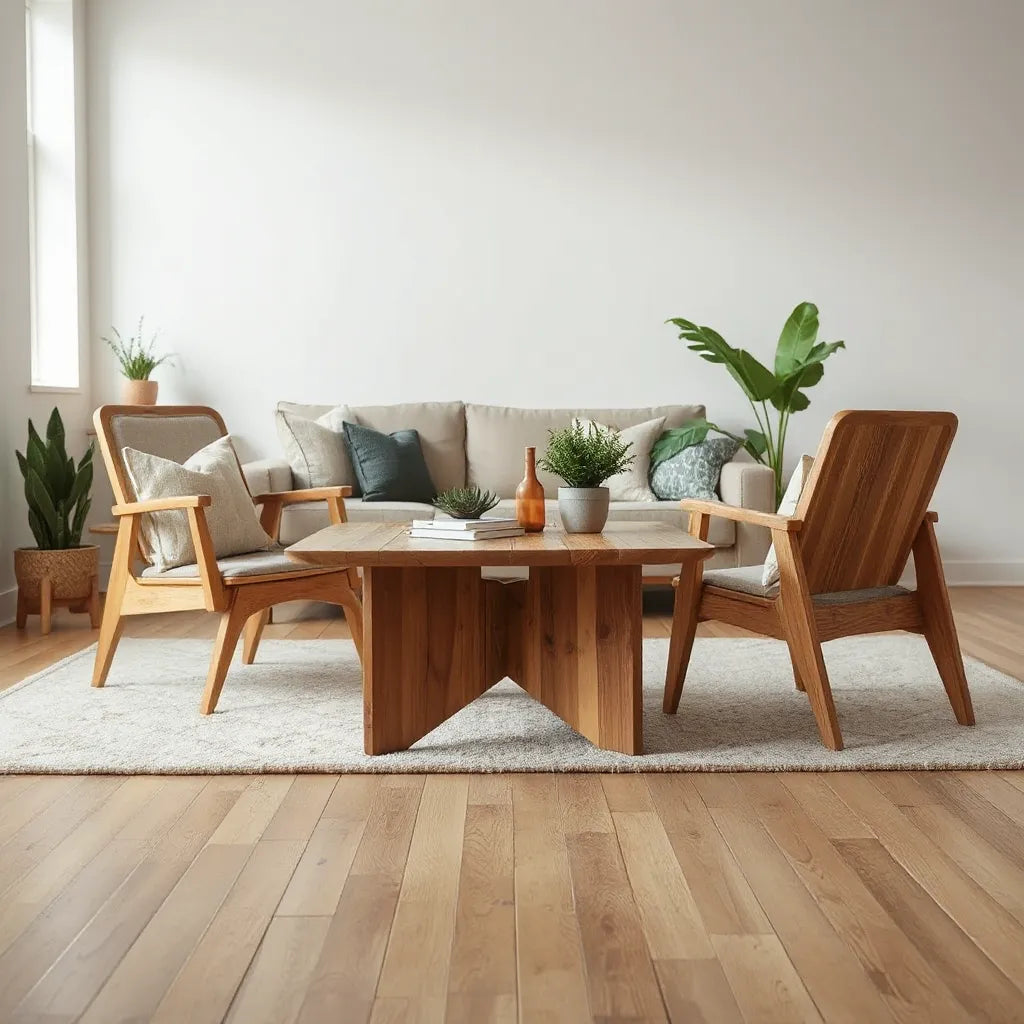
Finally, use your final design to guide purchasing decisions. When you purchase related interior pieces, consider how they will visually anchor your cabinetry. You can continue exploring complementary pieces on the Nisu Home site, including Honin coffee table, to help maintain a consistent interior style across storage and surfaces.
Q&A Section
How do I choose the right cabinet style for a small space?
Select a style that reduces visual bulk. Flat-panel or slab fronts can create a calm, continuous look. Consider lighter finishes to improve perceived brightness. Use vertical storage where practical, and choose hardware that feels proportionate to the door size. Most importantly, plan clearances so doors and drawers do not obstruct movement paths.
What is the best way to prevent cabinet clutter from returning?
Use storage zones and repeatable organization. Drawer inserts, dividers, and adjustable shelves help you assign a consistent “home” for items. Place daily-use items at accessible heights, and store seasonal items higher or deeper. Display areas should contain curated items that you regularly rotate, which keeps the overall cabinet appearance controlled.
Which finish is easiest to maintain for everyday use?
Matte finishes often hide small marks better than high-sheen surfaces. Choose a finish designed for frequent cleaning and confirm that it tolerates your preferred cleaning method. If you frequently cook or wash dishes near cabinetry, prioritize moisture-resistant coatings and consider sealing strategies appropriate for the cabinet material.
Should I prioritize drawers or shelves?
Drawers generally support faster access and more controlled organization, especially for smaller items. Shelves are efficient for larger containers and bulk storage. The best approach is often a mix: drawers for frequent, small items, and shelves or pull-out systems for larger or less frequently used categories.
About the Author Section
Nisu Home
Nisu Home is an interior-focused brand that supports thoughtful home design through curated styling and practical guidance. Our expertise centers on cabinet aesthetics, spatial planning, and cohesive room composition. We aim to help customers make informed choices that feel functional and refined. Thank you for reading, and we wish you a confident design process.


Leave a comment
This site is protected by hCaptcha and the hCaptcha Privacy Policy and Terms of Service apply.