

Updated on: 2026-06-11
The Ureshii Coffee Table can help you create a more intentional living room layout.
With the right placement, it becomes a practical surface for daily items and a visual anchor for your seating area.
This guide explains how to choose the right size, style, and materials, then how to style it for a clean, inviting look.
You will also find care and maintenance tips to keep your table looking its best over time.
Table of Contents
TLDR | Essential Tips | Detailed Step-by-Step Process | Summary & Takeaway | Q&A Section | About the Author
TLDR
The Ureshii Coffee Table supports a balanced living room feel while keeping daily items within reach.
Use the sizing and placement steps to improve comfort and flow.
Then style with light, texture, and a simple routine for lasting visual clarity.
Choosing the right centerpiece for your lounge area should feel practical and easy. The Ureshii Coffee Table is a versatile option that can strengthen your layout, improve day-to-day convenience, and elevate the overall visual rhythm of your room. When you understand dimensions, placement rules, and styling choices, you gain a cleaner look with fewer items competing for attention.
Essential Tips
- Measure your seating area first, then select a table size that supports comfortable reach.
- Keep a clear walking path and maintain enough space between sofa, chairs, and the coffee surface.
- Match the table finish with your room’s existing tones to avoid a “separate piece” effect.
- Use a functional styling approach: one tray, one centerpiece, and room to move items easily.
- Plan for everyday use by deciding where you will place remotes, coasters, books, or decorative objects.
- Protect the surface with coasters and use felt pads to reduce micro-scratches from frequent movement.
Detailed Step-by-Step Process
Follow these steps to select, position, and style your Ureshii Coffee Table with confidence. Each step is designed to reduce guesswork and support a consistent, polished outcome.
Step 1: Confirm the right size for your seating layout
Start with the space you already have. Measure the distance from your sofa or main seating to the area where the table would sit. A coffee table should support comfortable movement without forcing you to reach awkwardly. If you frequently place drinks or small items on the surface, ensure the tabletop area is wide enough to leave working space for daily essentials.
Step 2: Position it for practical reach and visual balance
Placement matters more than many homeowners expect. Aim for an arrangement where the front edge of the table supports easy reach from seated positions. Align the table so it sits centered with the seating grouping rather than drifting toward one side. If you have multiple seating pieces, consider the “symmetry zone” where the table visually anchors the center.

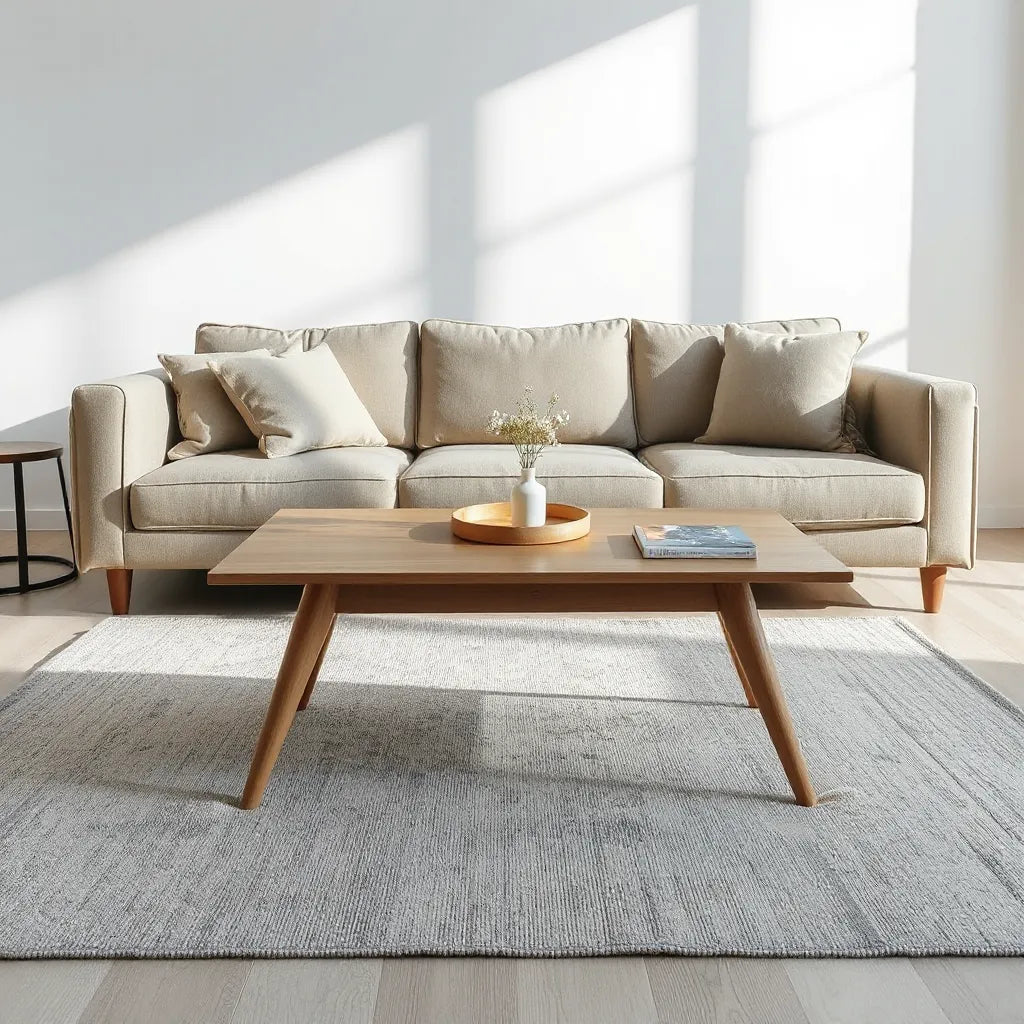
Measured spacing lines between seating and tabletop area
Step 3: Integrate materials and tones for a cohesive look
To avoid a cluttered effect, integrate the table with the existing palette. If your room has warm wood tones, choose complementary finishes or finishes that share similar undertones. If your room is more neutral and minimalist, contrast can still work, but it should be controlled. The goal is to make the Ureshii Coffee Table feel like part of the room’s design language rather than a standalone accessory.
Step 4: Embed one functional styling system
A clean coffee table often results from a consistent system. Use one tray to group small items and limit visual noise. Place coasters under frequently used drinkware. Keep everyday objects on the same surface area so you do not gradually expand the display until the entire tabletop becomes visually busy.
Step 5: Add height variation using simple objects
Visual interest comes from height differences and negative space. Use one taller element such as a book stack, sculptural vase, or small container. Pair it with flatter items like a tray, a shallow dish, or a set of neatly arranged coasters. Height variation helps the Ureshii Coffee Table appear balanced from different viewing angles, not just from directly above.
Step 6: Use secondary furniture as design support
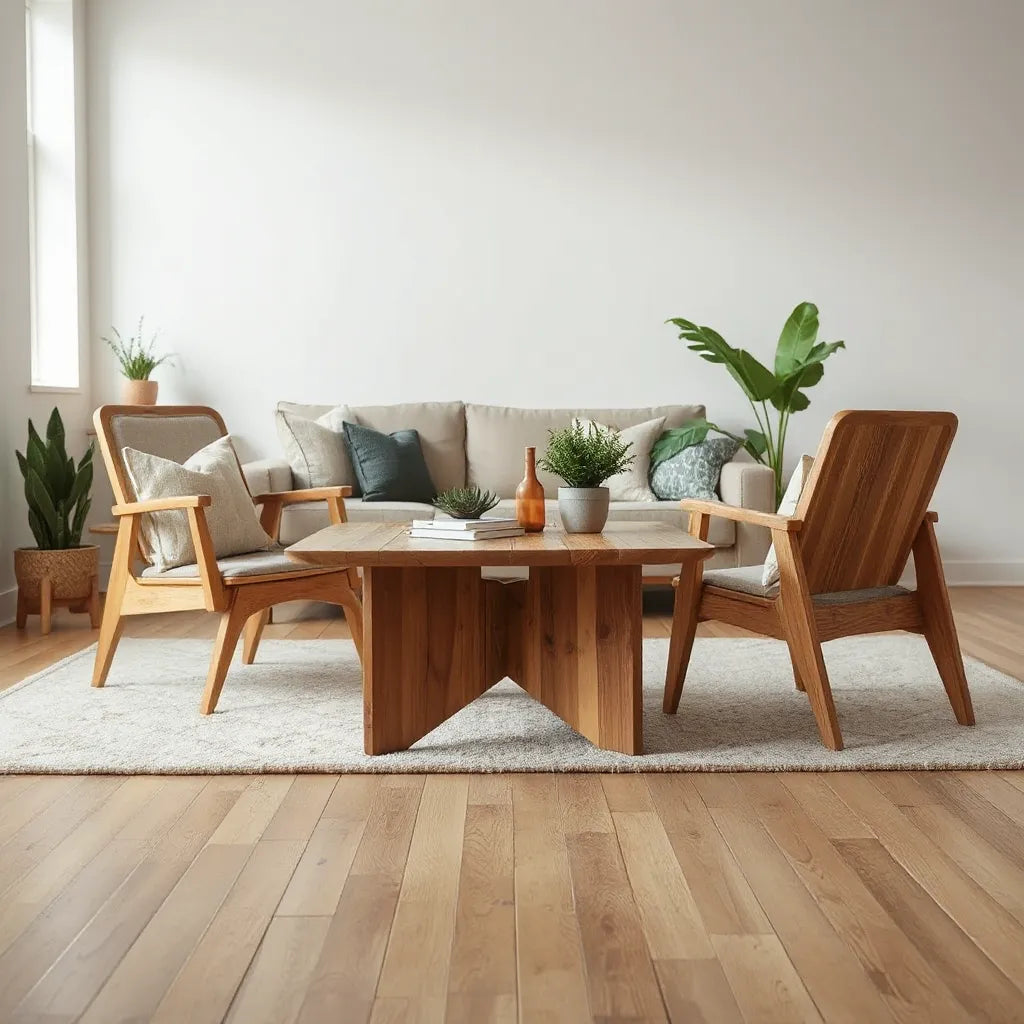
Your coffee table styling should connect to nearby furniture, including side seating, chairs, and storage. When the room includes chairs with strong lines, soften the coffee table display with a tray and minimal objects. When the room is very open and spacious, you can use a slightly fuller centerpiece while still keeping a clear “rest zone” for daily use.
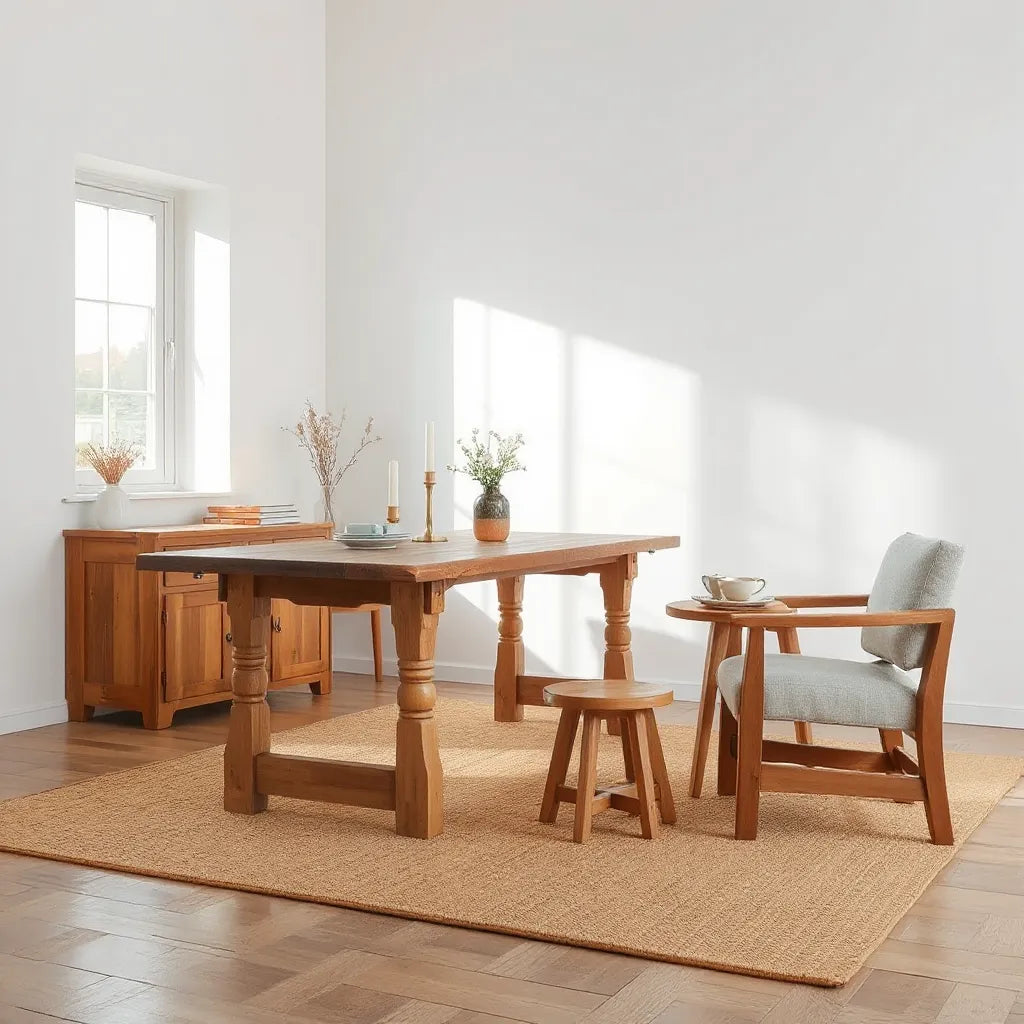
If you are building your seating arrangement, consider pairing your coffee table with complementary seating options from Izumi Chair to create a more unified lounge feel. For a modern profile, matching the chair style with the table finish can reduce visual contrast and improve overall harmony.

Layered tray, books, and negative space styling layout
Step 7: Ensure safe, everyday maintenance
Even the most attractive surfaces can lose their polish if care becomes inconsistent. Use coasters for drinks and avoid placing hot cookware directly onto the table. Wipe the surface with a soft, dry cloth for routine cleaning. For deeper cleaning, follow a gentle approach using a suitable cleaner recommended for the table finish. A simple maintenance routine helps preserve the original look and prevents buildup around decorative objects.
Step 8: Adjust the styling seasonally without changing your system
Small updates can keep the Ureshii Coffee Table feeling current. Swap the centerpiece color palette by using seasonal textiles, muted florals, or neutral-toned objects that match your existing room. Maintain your core layout: tray in the same position, coasters where they belong, and a controlled grouping size. This approach gives you variety while protecting visual consistency.
Step 9: Improve comfort with smart accessory choices
Daily comfort increases when you plan for small, frequent items. Store remote controls in a tidy organizer tray. Place reading materials in a consistent location so you avoid scattering items around the room. When you host guests, a pre-planned setup reduces frantic cleaning. It also supports a calm visual experience that looks intentional rather than reactive.
Step 10: Make the table work with storage and side surfaces
When the room includes cabinets, shelves, or side tables, your coffee table should coordinate instead of competing. If you have storage nearby, use it to keep the coffee surface lighter on busy days. A nearby cabinet can also help you store spare decor. To support a cohesive room direction, you may explore storage pieces such as Asuka Cabinet, which can help you keep frequently used items organized and out of sight.
Product integration: Ureshii Coffee Table
Here is the product reference that aligns with the guidance above:
Ureshii Coffee Table

Shop Ureshii Coffee Table
When you evaluate the Ureshii Coffee Table in your space, treat it as a design anchor first and an accessory second. If your room tends to feel busy, prioritize a simpler arrangement and fewer items. If your room feels sparse, add one meaningful centerpiece while keeping the rest of the surface controlled.
Summary & Takeaway
The Ureshii Coffee Table can elevate both function and style when it is sized correctly and placed with intention. Start by measuring your seating area, then position the table for comfortable reach and visual symmetry. Create a repeatable styling system with one tray, clear height variation, and controlled daily items. Finally, use consistent care habits to protect the finish and keep your living room looking refined.
Q&A Section
How do I choose the right placement for a coffee table in a small living room?
Measure the distance between seating and the intended table position, then prioritize clear movement paths. Place the table so it remains reachable while seated, and avoid pushing it too close to the sofa. In small rooms, a simpler styling setup with fewer objects helps prevent visual crowding.
What styling approach works best for keeping a coffee table looking clean?
Use one tray as the organizing base. Keep everyday items within that defined zone and use coasters for drinks. Add one centerpiece element that provides height, then leave negative space around it. This reduces visual clutter and makes the surface easier to reset quickly.
How should I maintain the surface of a wood-finish or mixed-material coffee table?
Use a soft, dry cloth for regular cleaning. Wipe up spills promptly and use coasters to prevent moisture marks. Avoid dragging heavy items across the top; consider protective pads for frequently moved objects. For deeper cleaning, use a product suitable for the table finish and follow the manufacturer recommendations.
Can I pair a coffee table with different chair styles without losing visual cohesion?
Yes, provided you connect the styling through shared tones, finishes, or lines. If one chair has stronger visual features, keep the coffee table styling simpler. A coordinated approach, such as balancing chair shape with a controlled tray display, supports a unified lounge aesthetic.
About the Author
Nisu Home
Nisu Home is an interior and home furnishing focused contributor with expertise in living room layout, furniture coordination, and practical styling systems. The team emphasizes clean design principles that enhance daily usability without relying on trends. Thank you for reading, and may your living room feel more organized, comfortable, and intentional.
Disclaimer: This article provides general guidance for furniture selection, layout planning, and styling. Product specifications, care instructions, and suitability for specific spaces may vary by item and manufacturer guidance. Always follow the instructions provided with your purchase and consider professional advice when needed.

Leave a comment
This site is protected by hCaptcha and the hCaptcha Privacy Policy and Terms of Service apply.