

Updated on: 2026-08-10
A soft inviting glow light can change how a room feels without altering its layout. It helps surfaces look warmer, guides movement at night, and supports a calm atmosphere for daily routines. Unlike harsh overhead lighting, a gentle glow reduces contrast and makes spaces feel more welcoming. With the right placement, dimming, and color temperature, you can achieve a result that looks intentional and stays comfortable across seasons.
Table of Contents
1. What a soft inviting glow light actually does
2. Choose the right color temperature for comfort
3. Use light layering to build depth and calm
4. Placement rules for a balanced glow
5. Dimming and controls for flexible moods
6. Avoid common lighting mistakes
7. Maintenance for consistent performance
8. FAQ
9. Closing thoughts
What a soft inviting glow light actually does
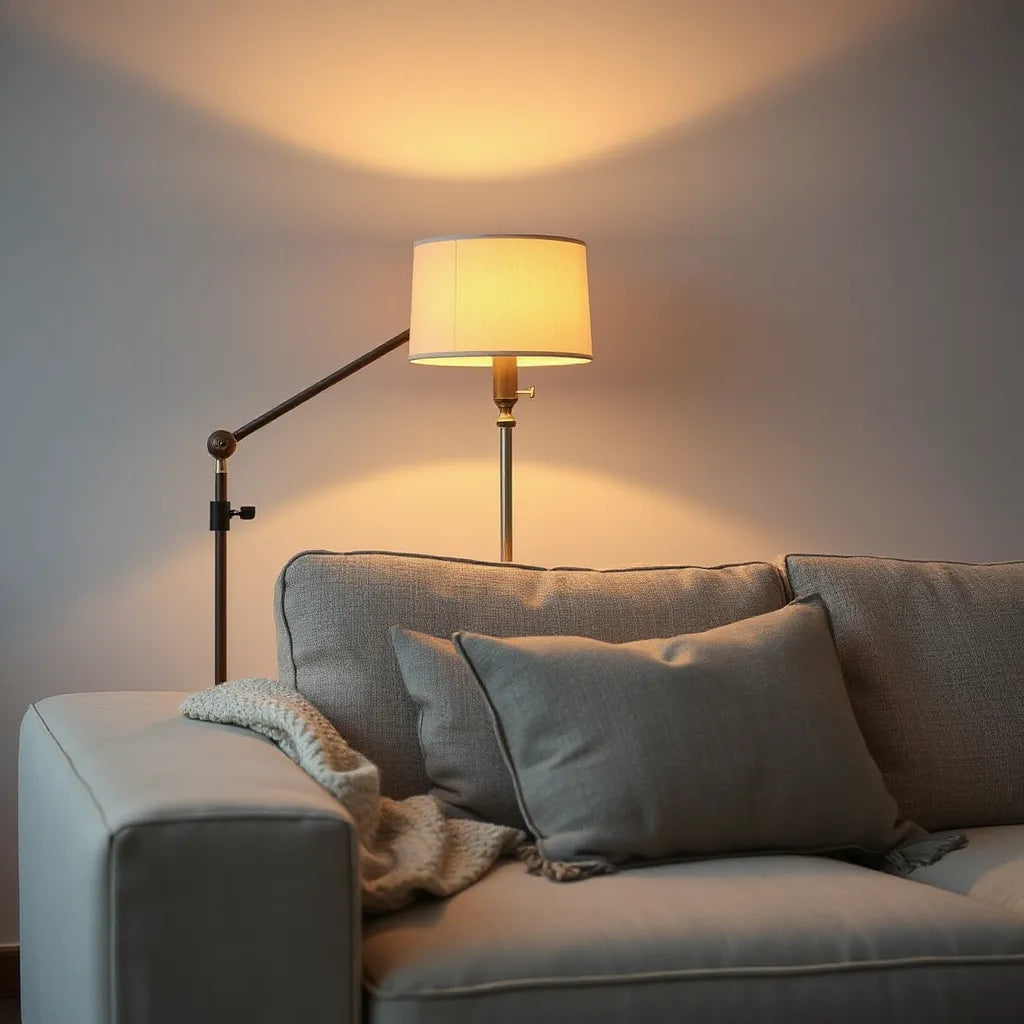
A soft inviting glow light is designed to feel gentle rather than bright. The purpose is not to remove darkness completely, but to manage it. When illumination is smooth and well-distributed, shadows become softer and the eye experiences less glare. This visual balance supports comfort in living rooms, bedrooms, and hallways.
From a practical standpoint, a welcoming glow influences three areas. First, it improves perceived color quality. Warmer, lower-glare light makes wood tones, fabric textures, and matte finishes look more natural. Second, it supports wayfinding. Even moderate light can make doors, edges, and pathways easier to navigate. Third, it changes the emotional tone of the space. A gentle glow is often associated with relaxation because it reduces visual intensity.
To achieve this effect, you need both the right fixture design and the right lighting parameters. Diffusers, shades, and indirect methods reduce harshness. Color temperature and dimming help maintain the same calm feeling at different times of day. In many homes, the best results come from mixing ambient, task, and accent light rather than relying on one bright source.

Warm diffused light, soft gradients, and gentle shadows
Choose the right color temperature for comfort
Color temperature is the most direct factor behind the mood of your lighting. It is measured in Kelvin. For a soft, inviting glow, you will generally want warmer ranges. Warmer tones feel cozy and visually calmer, especially in bedrooms and lounges.
As a starting point:
Warm white (often around 2700K to 3000K) typically supports a relaxed atmosphere and flatters skin tones and natural materials.
Neutral white (around 3500K to 4100K) can work for kitchens and home offices, but it may feel less soothing for evening spaces.
Cool white (above 5000K) usually increases contrast and can feel more clinical unless it is carefully diffused and used sparingly.
When you select bulbs, you should also consider how the light interacts with surfaces. Reflective metals can intensify brightness and make glare more noticeable. Dense fabrics and matte paints help distribute light more gently. If your room has many gloss surfaces, diffusion becomes even more important.
It is also useful to think about your typical lighting routine. Many homeowners want a room to feel consistent in the evening, not just at one brightness level. Pairing warm color temperature with dimming creates a smoother transition as daylight fades.
Use light layering to build depth and calm
Light layering is a structured way to create a soft glow without relying on a single intense source. It uses multiple types of lighting that work together. This approach improves visual comfort and prevents hotspots.
A common layering plan includes:
Ambient lighting: fills the room with steady, low-glare illumination.
Task lighting: supports reading, working, or grooming with focused brightness.
Accent lighting: adds subtle highlights to art, shelves, or architectural features.
To keep the glow inviting, aim for overlap. Task lighting should not create sharp edges. Accent light should be directed so that it enriches surfaces rather than staring directly into the eyes. Even small adjustments in aiming and placement can turn bright points into a unified, soft feel.
If you want an example of how a gentle lamp-like effect supports layering, you can consider a product built for warm diffusion:
Luna Light

Use items like decorative lighting to establish focal points. Then balance them with overhead or wall sources that remain diffused. A calm room often looks layered because it has multiple low-intensity sources instead of one high-intensity beam.
Placement rules for a balanced glow
Even with the correct bulb temperature, placement determines whether light feels soft or harsh. The goal is to avoid direct glare. Instead, you should direct light toward walls, ceilings, or diffusing surfaces that spread it naturally.
Apply these placement guidelines:
Keep light out of the direct line of sight. If a fixture has a visible bulb, add a shade or choose an enclosed design so the bright core is not facing eye level.
Raise the apparent source. Wall wash and ceiling bounce can soften contrast. Higher placement also spreads coverage.
Use symmetry carefully. Two similar lamps can stabilize lighting in a living room or bedroom, but ensure they are aimed to avoid mirrored glare.
Address key surfaces. A gentle glow often looks best when it illuminates bookshelves, textured walls, or the upper portion of furniture.
Account for sightlines. In hallways, angle lighting so it highlights the path without reflecting off mirrors or glossy flooring.
For seating areas, place secondary light near side tables or behind the main seating line. This positioning reduces steep shadows and supports relaxed conversation. In bedrooms, the light should support nighttime activities such as reading while remaining low-glare.
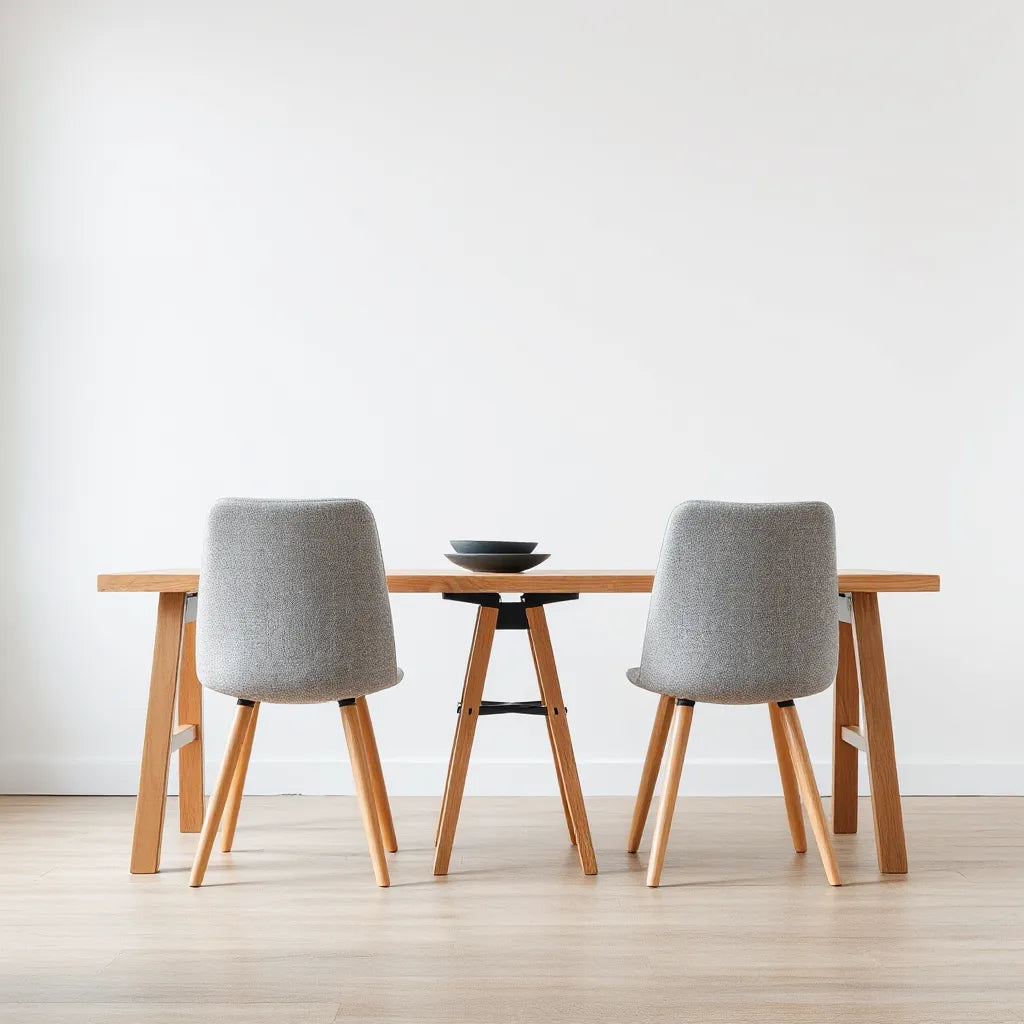
If you are refining a room with dining or lounge furniture, consider how seating elevation affects light. For example, the height of a chair or bar stool can change where shadows land. Pairing seating height with a consistent glow can improve visual comfort across the whole space. You can explore seating options here: Luna Light.

Layered ambient, task, and accent across a hallway wall
Dimming and controls for flexible moods
Dimming is the mechanism that turns lighting into a mood tool. With dimming, you can preserve comfort without changing the fixture. A soft inviting glow light often feels best at reduced brightness because it maintains lower contrast and less glare.
When you plan dimming, consider:
Compatibility: verify that your bulbs support dimming if you install dimmers.
Range: a wider dimming range helps you avoid flicker or sudden brightness jumps.
Warmth consistency: if you use adjustable color temperature lamps, you can shift warmth for daytime tasks and evenings.
Switch placement: ease of use matters. A reachable switch encourages consistent routine and reduces the temptation to use bright overhead lighting.
For larger spaces, multi-zone controls offer additional comfort. You can lower ambient light while keeping task lighting steady. This approach supports reading without making the rest of the room feel overly bright.
In hallways and stairways, consider motion-activated or low-level night lighting. The goal is steady guidance rather than startling brightness. When light levels are predictable, the home feels more secure and less disruptive.
Avoid common lighting mistakes
Many rooms look harsher than intended due to a few repeatable issues. Avoiding these errors improves results and reduces the need for constant adjustments.
Using only a single overhead source. A lone bright fixture creates hotspots and strong shadows that can feel uncomfortable.
Ignoring glare. Even warm light can feel harsh if the brightest part of the fixture is directly visible from where you sit or stand.
Over-lighting small spaces. Small rooms do not need high lumens to feel bright. They need even distribution.
Choosing a color temperature that fights the room. Cool light can flatten warmth in wood and textiles.
Neglecting surface color. Dark walls absorb light; lighter walls reflect it. This changes how soft the glow appears.
If your goal is a gentle atmosphere, you should also be cautious about too many competing light sources at different brightness levels. The room can lose cohesion when each fixture acts independently. A unified strategy with warm, diffused sources typically gives a more intentional look.
Furniture and decor can also affect the final effect. If you have strong reflective surfaces, reduce direct beams or add diffusion. When you are unsure, use test lighting temporarily and observe it at different angles.
Maintenance for consistent performance
Consistent comfort depends on consistent performance. Over time, dust, heat, and aging can change how light looks. Simple maintenance improves reliability and keeps the glow soft.
Clean diffusers and shades. Dust can scatter light unevenly and reduce the smoothness you want.
Replace bulbs promptly. Aging bulbs may shift brightness and color.
Check alignment. If fixtures are adjustable, minor shifts can change glare and shadow patterns.
Inspect dimmer behavior. Flicker or inconsistent dimming can indicate compatibility issues.
It is also helpful to evaluate your lighting after seasonal changes. Daylight direction and window coverings can change the way indoor light blends with ambient daylight. When this happens, you can adjust brightness or aiming to keep the same inviting effect.
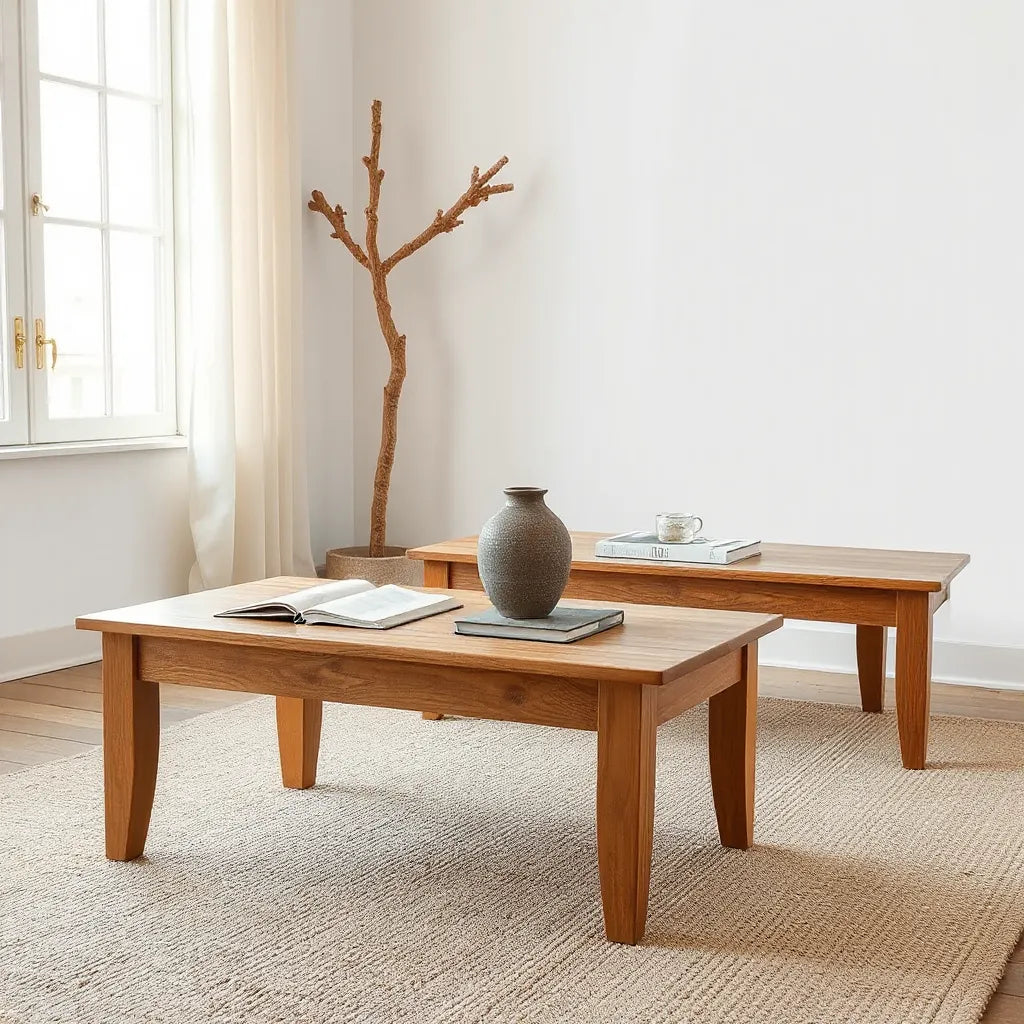
If you are building a cohesive home setup, pairing lighting with appropriate seating and decor can improve overall harmony. For instance, bar and lounge spaces benefit from warm illumination that flatters metal finishes and fabric textures. If you are exploring seating, you may also reference options such as coffee table styling to understand how surfaces influence reflections.
FAQ
What is the best color temperature for a soft inviting glow light?
A warm white range, often around 2700K to 3000K, is commonly preferred for an inviting glow. The best selection depends on your room finishes and how much you rely on dimming. Warmer light generally reduces contrast and supports relaxation.
How many light sources do I need to avoid harsh shadows?
Most rooms benefit from at least two lighting layers, such as ambient plus task lighting. Adding accent light for shelves, wall art, or architectural details can improve depth. The key is consistent diffusion and avoiding direct glare from eye level.
Can I create this effect in a small apartment?
Yes. In smaller spaces, avoid over-bright overhead lighting and instead use wall wash, lamps with shades, or indirect methods. Focus on even distribution and warm color temperature. Dimming is especially valuable because it lets you match brightness to daily activities.
Closing thoughts
A soft inviting glow light is not just a design choice. It is a practical way to improve comfort, reduce glare, and make everyday spaces feel more welcoming. When you select warm color temperatures, layer different types of lighting, and use thoughtful placement, the result looks intentional and feels easy to live with. Start with one area, such as a living room corner or bedroom reading setup, then expand the approach room by room.
If you want more inspiration from a related lifestyle and home discovery community, you can visit NuEraFinds for additional ideas on creating a balanced atmosphere.
Disclaimer: This article provides general guidance for home lighting design. Always follow manufacturer instructions for electrical installation and bulb compatibility, and consult a qualified professional for safe wiring and fixture setup.
About the Author Section
Nisu Home is an editorial brand focused on practical interior guidance and lighting-aware styling. The team behind this content applies topic expertise in home atmosphere design, fixture selection principles, and user-friendly setup strategies. For readers, the mission is to help you choose lighting that feels comfortable, looks cohesive, and supports daily routines. Thank you for reading, and take the next step by planning one improvement to your lighting today.

Leave a comment
This site is protected by hCaptcha and the hCaptcha Privacy Policy and Terms of Service apply.