

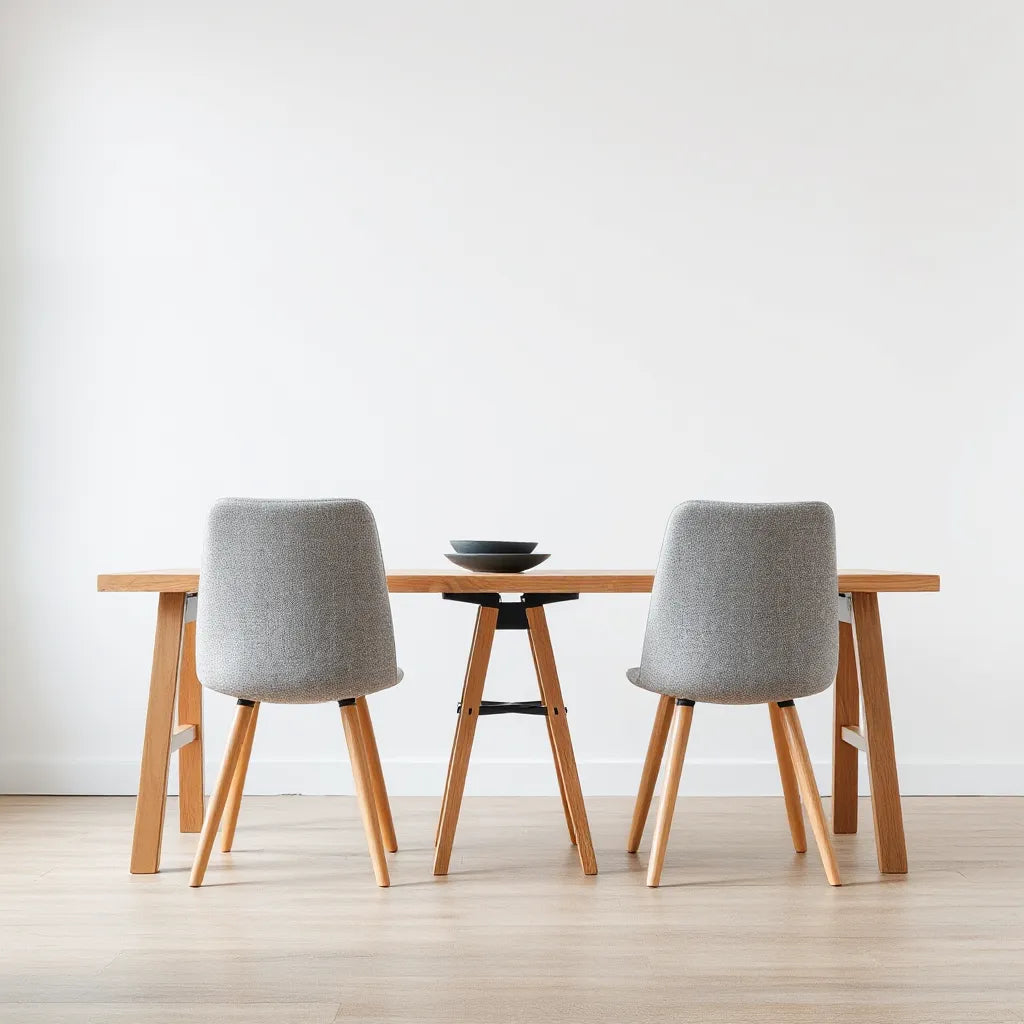
Updated on: 2026-08-06
Choosing customizable chairs can transform how a room functions, not only how it looks. You can tailor the seat, back support, finishes, and dimensions to match your space and daily habits. A well-planned setup also supports better comfort, cleaner ergonomics, and long-term satisfaction with your furniture investment. This guide explains the decision framework, measurement steps, and practical configuration ideas for homes and small offices.
Table of Contents
1. Why Customizable Seating Matters
2. Essential Tips Before You Choose
3. A Detailed Step-by-Step Process
4. Design and Comfort Factors
5. Materials, Finishes, and Maintenance
6. Buying Guide for Different Use Cases
7. Common Mistakes to Avoid
8. Summary & Takeaway
9. Q&A Section
Why Customizable Seating Matters
Room comfort is a system, not a single purchase. When a dining space, desk area, or lounge corner uses furniture designed for your needs, the entire environment feels more intentional. Customizable chairs are especially valuable because they allow you to control the variables that most strongly affect comfort and fit: seat height, depth, back support, and styling details.
In many homes, people reconfigure rooms over time. A flexible chair plan supports those changes. It also helps you coordinate with your existing surfaces, flooring height, and table proportions. Instead of settling for a compromise, you can align the chair profile with how you actually sit, move, and host.
Custom configuration also improves the visual consistency of a space. When you choose the right upholstery, color family, and finish, chairs stop looking like separate items and start working as a cohesive part of the room. That coherence is difficult to achieve with standard sizing and limited options.
Essential Tips Before You Choose
- Measure your space first, then select chair dimensions based on clearance, reach, and circulation paths.
- Decide the primary use: dining, home office, reading, meeting, or multipurpose seating.
- Confirm seating ergonomics by matching seat height to table height and accounting for footwear thickness.
- Choose finishes you will realistically maintain, especially for high-traffic households.
- Plan for future flexibility. Select options that can still look consistent if you update the room later.
If you want a practical lens for building a complete room experience, consider pairing seating decisions with lighting strategy. A complementary resource is How to Choose High-End Lighting Solutions for Your Home, which helps ensure your furniture choices are supported by the lighting atmosphere you choose.

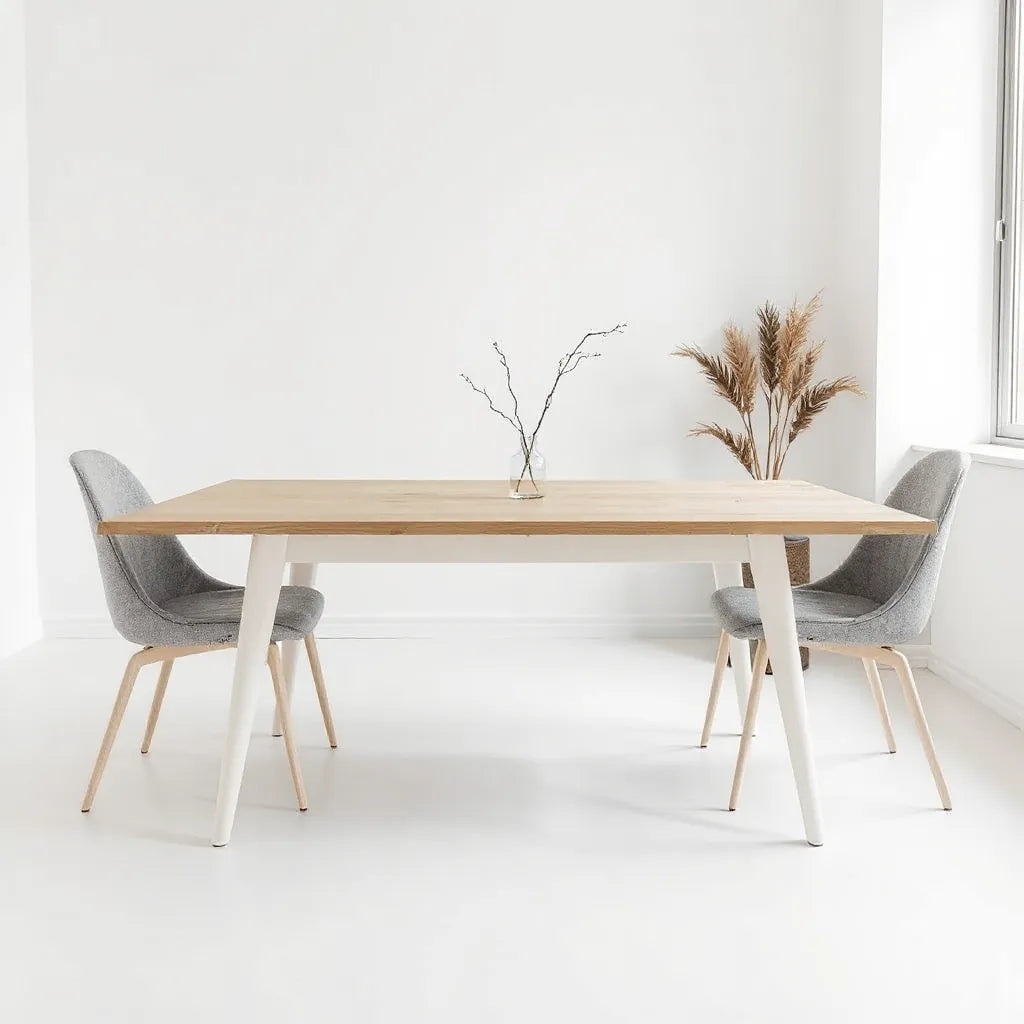
Clearances, seat depth, and table proportions visualized
A Detailed Step-by-Step Process
The goal is to configure customizable chairs that fit your body, your furniture layout, and your lifestyle. Use the following sequence to reduce guesswork and improve repeatability.
Step 1: Define the seating role
Start with how the chair will be used most often. Dining seating requires stable arm and leg clearance. Office seating needs posture support during longer sessions. Lounge seating prioritizes relaxation geometry.
Step 2: Measure the space and the table
Measure table height and the distance from the table edge to obstacles. Then measure the floor-to-point where you expect the seat to land. When possible, test the clearance by simulating typical movement: sliding in, leaning forward, and standing up.
Step 3: Choose the key dimensions
Select seat height, seat depth, and back height based on the main user group. In households with varied heights, prioritize the range that produces the healthiest posture for the majority of sitters. Seat depth should support the back while leaving room for comfortable leg positioning.
Step 4: Select back support characteristics
Back support influences comfort and fatigue management. Consider whether you want more upright support for focused tasks or a slightly reclined feel for casual use. If your chair style includes shaping or contouring, confirm it aligns with your seating habits.
Step 5: Decide on upholstery or surface type
For dining and frequently used rooms, choose surfaces that resist stains and allow easy cleaning. For quiet reading or low-traffic areas, you can prioritize tactile comfort and visual texture. Your selection should reflect your tolerance for maintenance.
Step 6: Match finishes to the room architecture
Coordinate chair frames and visible details with your existing wood tones, metal accents, or cabinetry hardware. When finishes share undertones, the room looks deliberate even when the furniture variety increases.
Step 7: Validate the look from multiple angles
Confirm how the chair appears when viewed from the side and from the entry line of sight. Chairs often become focal points. Ensure the design reads well when stacked in a set or when used singly.
For homeowners who want a clear example of how chair identity can shift with configuration, explore Izumi chair options and compare how style details change the perceived posture and visual weight in a room.
Design and Comfort Factors
Comfort is created by several interacting design choices. Customizable chairs allow you to optimize these variables instead of accepting a one-size profile.
Seat geometry and leg alignment
Seat depth should allow the body to sit back without pushing into the calves. Seat height should support a stable foot position. If the chair feels too high, users tend to hover or shift forward, which increases discomfort over time.
Back height and lumbar support
Back height influences how much support the chair provides. Higher backs can create a sense of enclosure and reduce forward hunching. For tasks requiring upright posture, a mid or higher back can provide consistent alignment. If the chair is for casual dining, a softer, less aggressive back profile can improve comfort during longer conversations.
Arm presence and movement space
Arms change how a chair interacts with your table and how easily users sit down. If the room is compact, arms can interfere with clearance when people pull chairs closer to the dining surface. In that case, prioritize a streamlined design that maintains adequate reach.
Ergonomic posture for different activities
Dining seating favors stable posture and easy standing. Office seating favors sustained alignment. Reading or lounge use favors a more relaxed recline. When configuring a chair, align the design with the primary posture users adopt naturally.

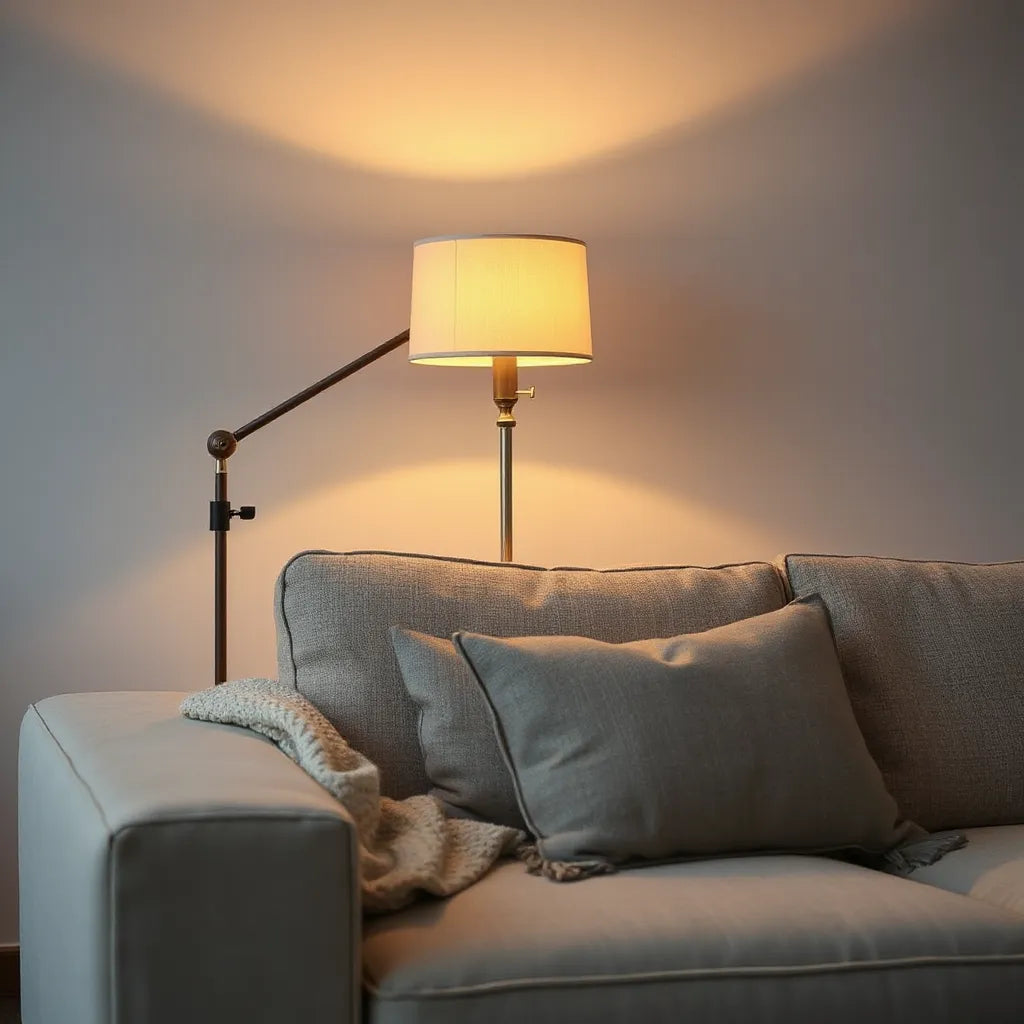
Back support angles and posture comfort cues
Materials, Finishes, and Maintenance
When you select customizable chairs, you also select a care routine. A furniture configuration should remain attractive with reasonable upkeep for your household.
Upholstery performance for daily life
Dining and family rooms benefit from upholstery that resists staining and allows quick spot cleaning. Textures can hide minor marks better than smooth surfaces. For households with frequent spills, consider a fabric that supports easy cleaning and uses seams designed to reduce dirt trapping.
Frame and surface durability
Frames carry the structure that keeps seating stable. Choose finishes that resist scuffing and match your cleaning method. If your home uses regular polishing, select finishes that tolerate that routine without dulling.
Color strategy for cohesive interiors
Use a color approach that works with the rest of the room. Neutral chair tones create flexibility across seasons. If you want a statement, choose one consistent accent color across multiple chairs to prevent the room from looking fragmented. When customizing, keep undertones consistent, such as warm wood tones with warm fabric palettes.
Cleaning and longevity planning
Plan for long-term use. Protect surfaces with appropriate cleaning products and avoid abrasive tools that can wear finishes over time. For upholstered chairs, use a gentle method that preserves texture and prevents water marks.
If you want a different seating feel for variety within the same interior style, you can compare configurations through Toshiro chair and review how its design language can complement your existing layout.
Buying Guide for Different Use Cases
Customizable chairs should match the context where they live. Use this guide to select configurations that fit your functional needs.
Dining rooms and entertaining spaces
Focus on table height, stability, and comfortable seating duration. Choose dimensions that allow users to sit close without crowding their legs. For hosting, aim for consistent chair heights so the room looks orderly in photos and during gatherings.
Home offices and study areas
Prioritize back support and seat geometry that reduces slouching. If the chair will be used for focused work, choose a configuration that encourages upright alignment. Ensure the chair supports the user’s most common task posture and does not force awkward reaching.
Reading corners and lounge settings
For relaxation, consider a softer back angle and upholstery that feels comfortable to the touch. Seat depth can be slightly adjusted to promote a relaxed posture. Choose finishes that feel calm and visually quiet, so the chair supports rest rather than visual distraction.
Multipurpose rooms
If a room shifts between dining, work, and informal gatherings, choose a chair configuration that remains visually consistent and comfortable across multiple activities. Neutral color families and durable upholstery often perform well in multipurpose spaces.
For compact rooms, lean toward streamlined options. When you want additional room flexibility, consider pairing seating with other supportive elements such as side tables. A related item option is Min chair when you need a lighter visual footprint.
Common Mistakes to Avoid
- Choosing chair dimensions based on aesthetics alone, without validating clearance and standing movement.
- Ignoring table height differences that create an unnatural sitting posture.
- Selecting upholstery solely for color, without considering cleaning tolerance.
- Mixing finishes without a unifying undertone, which can make the room look assembled instead of designed.
- Overlooking future use. A chair configured for dining may not suit long desk sessions, and vice versa.
Summary & Takeaway
Customizable chairs enable you to build seating that aligns with your space, posture needs, and style goals. Begin with careful measurements, define the chair role, and then select dimensions, back support, and surface characteristics that support daily comfort. Finally, validate the full room experience by considering visual coherence from multiple angles and planning realistic maintenance. When these steps are executed in order, your final configuration offers a better fit, stronger durability, and a more cohesive interior.
Q&A Section
How do I determine the correct seat height for customizable chairs?
Measure your table height and aim for a seating position where users can place feet comfortably on the floor while keeping knees at a natural angle. In practice, prioritize stable foot placement and enough leg clearance for sliding in and out. If your household includes multiple heights, configure for the most common user group and test movement rather than relying on visual estimation.
What back support style is best for long sitting sessions?
For longer sessions, select a back profile that encourages upright posture and supports the lower back without forcing a rigid position. A chair that supports consistent alignment helps reduce forward slumping. If you prefer a more relaxed feel, choose a design that still maintains lumbar comfort, rather than a purely flat back.
Are darker chair finishes practical for everyday use?
Darker finishes can be practical when paired with upholstery or surface materials that resist visible marks and support cleaning. However, the final suitability depends on your cleaning habits and the typical activity level in the room. If you expect frequent spills or high traffic, prioritize materials with straightforward maintenance over purely aesthetic goals.
How many customizable chairs should be ordered at once for a consistent look?
For a dining set or a cohesive seating area, ordering enough chairs to match your primary layout is usually the most efficient approach. Consistency improves the visual rhythm of the room and reduces variation between batches. If you anticipate future additions, keep a record of the configuration choices so additional chairs match the original set.
What is a safe way to confirm chair dimensions before final purchase?
Validate dimensions using both measurement and movement checks. Measure clearance around the chair and test the most frequent motions: pulling the chair close to the table, leaning slightly forward, and standing up. This practical check often reveals issues that measurements alone do not capture, particularly in compact dining or office spaces.
About the Author
Nisu Home
Nisu Home specializes in home interior guidance with a focus on furniture selection, spatial planning, and practical styling. With expertise in creating cohesive, comfortable setups, the team supports customers in making confident decisions for their everyday spaces. A key principle is to match design to real routines. Thank you for reading and for choosing thoughtful seating solutions.
Disclaimer: This article provides general guidance for selecting furniture. Seating comfort varies by individual body mechanics and preferences. Always measure your space, test the fit where possible, and follow the manufacturer care instructions for durability.

Leave a comment
This site is protected by hCaptcha and the hCaptcha Privacy Policy and Terms of Service apply.