

Updated on: 2026-10-29
Ornamental vases can elevate everyday spaces with texture, color, and rhythm. This guide explains how to choose the right scale, shape, and finish so the piece aligns with your interior style. You will also learn practical placement strategies for shelves, console tables, dining areas, and entryways. Finally, the article answers common questions on materials, cleaning, and styling without overwhelming the room.
1. Why Ornamental Vases Matter
2. How to Choose the Right Ornamental Vase
3. How-To Guide
4. Styling Ideas for Different Rooms
5. Common Questions Answered
6. Summary & Next Steps
Why Ornamental Vases Matter
Ornamental vases are not only decorative objects. They create visual structure, add depth, and help define a room’s mood. A well-chosen vase can soften sharp lines, balance negative space, and introduce a focal point that draws the eye without demanding attention. When you select the right form and finish, the piece connects with other design elements such as textiles, wall color, and lighting temperature.
In modern interiors, vases also support flexible styling. You can use them with dried botanicals for long-lasting texture, with fresh stems for seasonal color, or alone for a sculptural look. This adaptability is one reason decorative ceramics, glass vessels, and metal-toned accents remain popular across many decor trends. Even when you change your plants or flowers, the vase continues to anchor your arrangement.
Beyond appearance, ornamental containers can guide how guests move through a space. Place one near a console or entryway, and it functions as a quiet “welcome” marker. Place one in a dining setting, and it can frame the centerpiece area with subtle symmetry. The best results come from treating the vase as part of a composition, not as an afterthought.

Curves, height, and negative space in a room
How to Choose the Right Ornamental Vase
Choosing decorative vases becomes easier when you evaluate a few practical factors. Start by matching the vase to the scale of the surface it will occupy. Then, align the shape and finish with your existing decor. Finally, choose a functional detail that supports your intended styling, such as opening size or stability.
1) Prioritize scale and proportion
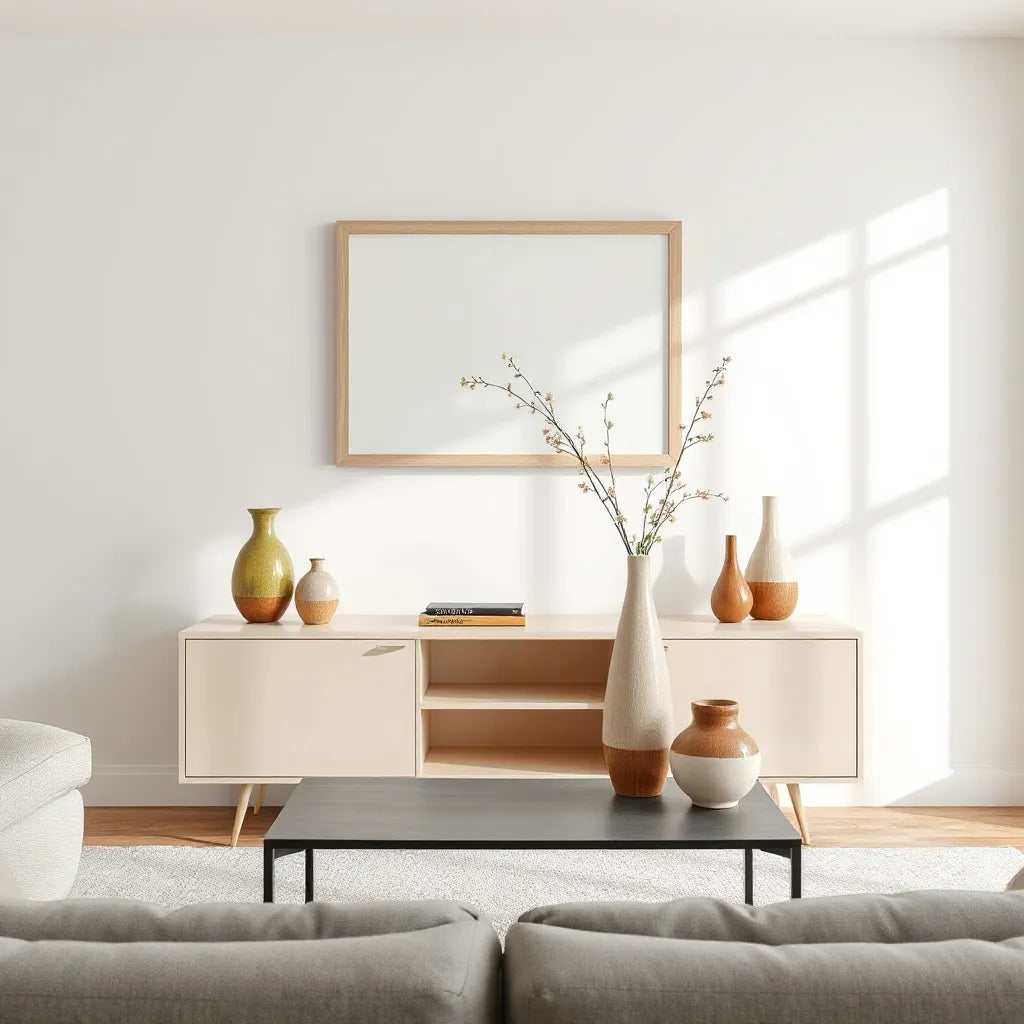
Scale determines whether the vase looks intentional or visually crowded. For shelves, consider the height of your books and the spacing between objects. For console tables, use a taller piece to create vertical presence, especially if the tabletop is low to the floor. If you are styling a grouping, vary heights by at least a small margin to avoid a flat, uniform look.
2) Match the silhouette to your interior style
Shape communicates style. Rounded profiles often complement warm, traditional spaces. Angular or geometric silhouettes fit well with contemporary minimalism. Taller, narrow forms can elongate sightlines, while wider bases add stability and a sense of grounded weight.
3) Consider material and finish
Materials influence both the look and the way light travels through a room. Ceramic and stoneware can feel earthy and softly textured. Glass can add airiness and reflect highlights. Metal finishes can introduce an elegant contrast, especially in rooms with matte walls or neutral textiles.
Finish matters as well. Glossy surfaces look crisp under bright light, while matte finishes create calm, low-contrast depth. If your space already has many high-shine elements, a matte ceramic or textured vessel can restore balance.
4) Plan for what will go inside
Before purchasing, decide whether you will style the vase with stems, dried fillers, or leave it as a standalone sculpture. An opening that comfortably supports stems reduces slipping and makes arrangements easier to maintain. If you plan to use dried botanicals, choose a shape that prevents pieces from falling outward.
5) Balance color without overpowering the room
Ornamental vases can bring color, but they should support your overall palette. A neutral vase works as a bridge between mixed materials. A bold color can act as a focal accent if the rest of the room remains visually quiet. If you are unsure, select a hue that already appears in your rugs, cushions, or artwork.
How-To Guide
Use this simple process to style Ornamental Vases with confidence. Each step is designed to help you create a composition that looks cohesive from every angle.
Step 1: Choose the placement surface
Select a surface that has enough visual space around it. Ideal locations include a console table, mantel area, dining sideboard, entryway bench, or a large bookshelf panel. Clear the surface first so you can judge balance without clutter.
Step 2: Pick a vase height range
For most rooms, choose either one dominant height or a two-tier arrangement. A single tall piece can anchor a corner. A combination can create rhythm, such as a medium vase paired with a smaller vessel nearby.
Step 3: Build an arrangement structure
Start with a base. Then add stems or dried pieces in layers. Keep the tallest element near the center or slightly off-center. This approach creates a natural flow that looks deliberate rather than random.
Step 4: Add texture with compatible fillers
If you use dried botanicals, mix shapes and thicknesses. Thin stems add movement, while fuller elements add volume. Aim for three texture types at most so the arrangement remains refined.
Step 5: Finalize with spacing and alignment
Step back and check alignment relative to nearby objects. Ensure the vase does not visually collide with frames, lamps, or wall decor. Adjust spacing until the arrangement feels centered and stable.
Step 6: Keep a maintenance routine
Dust the surface regularly and wipe the vase exterior with a soft cloth. If the vase holds water, refresh it as needed and clean the inner walls to reduce residue. For decorative-only styling, remove any debris from dried stems to keep the look crisp.
Styling Ideas for Different Rooms
Ornamental vases perform best when they reflect the function of each space. Use the same vase in multiple ways, but adjust size, density, and color intensity to match the room’s purpose.
Entryway: Create a first impression
Place a medium or tall decorative vase on a console or narrow table. Use dried stems for low-maintenance styling and consistent year-round texture. If your entryway has mirrors, a glass or glossy finish can reflect light and make the space feel more welcoming.
Living room: Establish a focal point
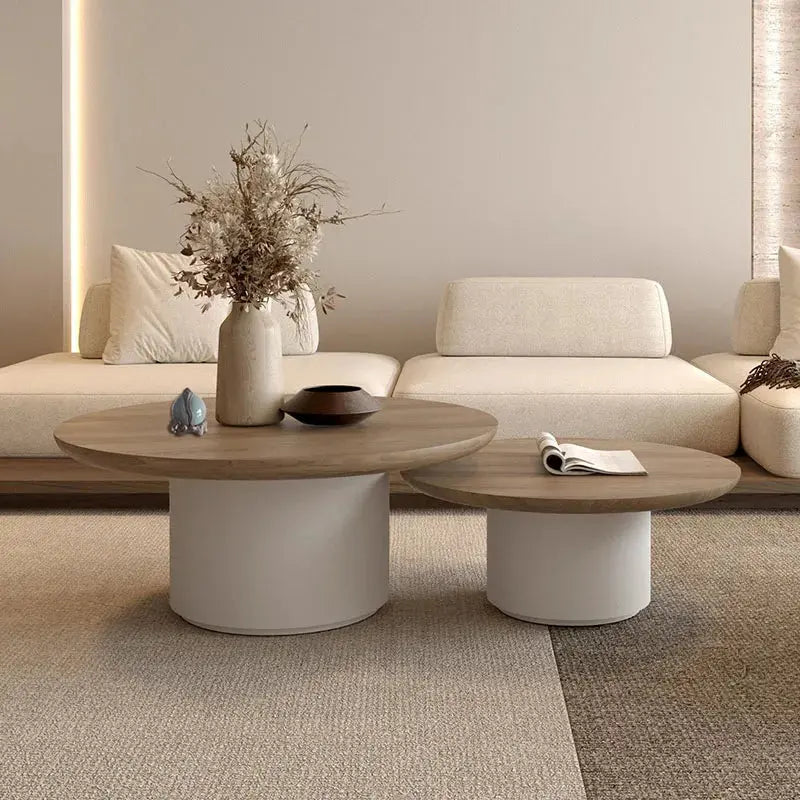
In the living room, a vase can anchor a coffee-table vignette or sit on a sideboard. Keep the arrangement slightly elevated and leave breathing room around it. If the sofa is patterned, choose a simpler silhouette to avoid visual competition.
If you want a balanced tabletop look, coordinate the vase color with one recurring accent, such as cushion tones or lamp bases. This is also a good place to experiment with negative space by allowing part of the vase to remain visually dominant.

Layered shelf styling with varying heights
Dining area: Support the centerpiece without clutter
Dining tables call for controlled visual rhythm. Choose a vase that complements your centerpiece style. For formal settings, use symmetry with two smaller vases or a single taller one placed centrally. For casual dining, a shorter vessel with a wide arrangement can work well, especially if table surfaces are shared with everyday items.
Bedroom: Add calm texture
In bedrooms, ornamental vases should feel soothing rather than bold. Neutral or soft-toned ceramics create a restful atmosphere. Consider placing a small vase on a dresser with a minimal stem arrangement or dried texture. This creates a refined look that supports relaxation.
Office or reading nook: Improve atmosphere
For work areas, choose a compact decorative vase that does not compete with task lighting. A subtle matte finish can reduce glare. Use a single stem cluster to maintain focus and keep surfaces practical.
Coordinate with other decor elements
Vases become more effective when they relate to other design features. Match the vase finish to the metal accents in your room, such as lamp hardware or picture frame trims. If your space uses mostly warm neutrals, opt for ceramics and textured materials that echo those tones. If your space is cooler and minimalist, consider a glass vessel or a cleaner geometric profile.
As a practical tip, you can also bring in complementary pieces from your existing decor. For example, a well-proportioned chair or side table can add balance around a decorative display. If you are refreshing nearby seating, you may find design ideas by browsing izumi chair from Nisu Home.
Common Questions Answered
What size ornamental vase should I buy for a shelf?
Choose a vase that occupies a clear portion of the shelf without crowding the sides. A good starting point is to measure the shelf width, then select a vase that leaves visible space on both ends. For most shelves, a medium height vessel looks balanced when paired with one or two small supporting items, such as a framed photo or a textured tray.
Are ceramic, glass, and metal vases suitable for everyday use?
Ceramic and stoneware are widely used for frequent styling because they are stable and visually warm. Glass vases can look elegant and light-reflective, but they require careful handling to avoid chips. Metal-toned vases work well for decorative-only displays or dried arrangements, especially when you prefer a sharper, more structured aesthetic.
How do I clean an ornamental vase without damaging the finish?
Use a soft, dry cloth for dust and a gentle damp cloth for surface grime. Avoid abrasive scrubbers that can dull matte finishes. For inside cleaning, use mild soap and water for most materials, then rinse thoroughly and dry with a lint-free cloth. If the vase has a delicate coating, test cleaning methods on a small hidden area first.
Can I style ornamental vases without flowers?
Yes. Many ornamental vases look intentional on their own, particularly when the shape has strong design lines or interesting texture. You can enhance standalone styling by adding dried filler elements or using a single stem for subtle interest. Minimal styling often works best when the vase has a distinctive silhouette.
Summary & Next Steps
Ornamental vases add structure, texture, and personality to interior spaces. The most reliable results come from choosing the correct proportion, aligning the silhouette and finish with your decor style, and planning what will go inside. After that, focus on placement and spacing so the arrangement feels balanced from multiple viewpoints.
Next, select one location in your home and apply the steps in this guide. Start with a single vase and a simple arrangement, then refine by adjusting height, density, and color connection. If you want additional decor direction, explore a broader home styling approach through resources from Natures Derivatives Legacy and compare how different textures and tones are used across living spaces.
With a small, intentional setup, ornamental vases can become a long-term design asset rather than a seasonal purchase.
About the Author Section
Nisu Home is a home styling brand focused on practical design guidance and durable aesthetic choices. The team behind Nisu Home draws on years of experience in interior presentation, material selection, and composition planning for modern living spaces. If you want to refine your decor with clarity and confidence, you are in the right place. Thank you for reading, and may your space feel more intentional every day.

Leave a comment
This site is protected by hCaptcha and the hCaptcha Privacy Policy and Terms of Service apply.