

Updated on: 2026-09-21
Modern rustic interior decor blends warm, natural materials with clean lines and intentional styling. The goal is to feel grounded and comfortable while still looking current. A successful room balances texture, color, lighting, and functional furniture so the space does not become cluttered or visually heavy. With a few targeted upgrades, you can create a cohesive look that works in both open-plan living areas and compact homes.
1. What Modern Rustic Interior Decor Means
2. Core Elements That Make It Feel Modern and Rustic
3. How To Build Modern Rustic Interior Decor in Your Home
4. A Practical Style Checklist by Room
5. Finishes, Materials, and Color Pairings That Work
6. Common Mistakes to Avoid
7. Common Questions Answered
8. Summary & Next Steps
What Modern Rustic Interior Decor Means
Modern rustic interior decor is a design direction that combines two ideas: the raw warmth of rustic style and the restraint of modern design. Rustic decor often emphasizes wood grain, natural fibers, and traditional shapes. Modern design favors simpler forms, smoother surfaces, and a calm visual rhythm. When these approaches are balanced well, a room looks inviting rather than themed or dated.
In practice, modern rustic interior decor is not about copying a cabin aesthetic. It is about using natural textures in a controlled way. For example, you can pair a light-toned wood media console with metal details, choose neutral textiles with clear patterns, and add soft ambient lighting. The result is a space that feels lived-in, functional, and visually fresh.
Core Elements That Make It Feel Modern and Rustic
To achieve a cohesive look, treat the style as a set of design rules rather than a list of decorative items. Focus on the elements that carry the look across the entire room. These elements create continuity even when you change accessories.
- Texture balance: Combine tactile materials such as linen, wool, reclaimed wood, and textured stone with cleaner, simpler surfaces like painted walls or smooth cabinetry.
- Color discipline: Use a neutral base and add warmth through wood tones, soft browns, and muted greens or clay. Avoid overly saturated colors.
- Line control: Choose furniture with streamlined silhouettes and minimal ornamentation, then soften the look with rustic textures.
- Layered lighting: Use a mix of overhead light and low-glare lamps. Warm color temperatures help natural materials look rich rather than flat.
- Meaningful decor: Add fewer pieces, but make them texturally interesting or visually functional (such as a bowl, tray, or sculptural vase).
How To Build Modern Rustic Interior Decor in Your Home
This approach works in any home because it starts with structure and ends with finishing touches. Follow the steps below to create a room that feels intentional, comfortable, and modern.
1) Start with a neutral foundation
Choose a primary wall color and a flexible palette for large areas. Cream, warm white, light greige, and soft beige are reliable choices. These tones give wood and stone a natural stage. If you prefer color, select a muted secondary tone such as sage, clay, or dusty olive and use it on accents rather than across every surface.
2) Choose one dominant natural material
Pick one material to lead the room. It can be oak, walnut, reclaimed-style wood, rattan, or textured stone. Dominance prevents a “mixed materials” look that feels random. Then support it with smaller texture sources like woven throws or matte ceramics.
3) Select modern furniture shapes with rustic warmth
Look for furniture with clear lines: low-profile sofas, simple armchairs, and cabinets with minimal detailing. Then introduce rustic warmth through finishes such as worn wood tones, brushed metal, or natural fabric upholstery. The shape should read modern even when the finish reads rustic.

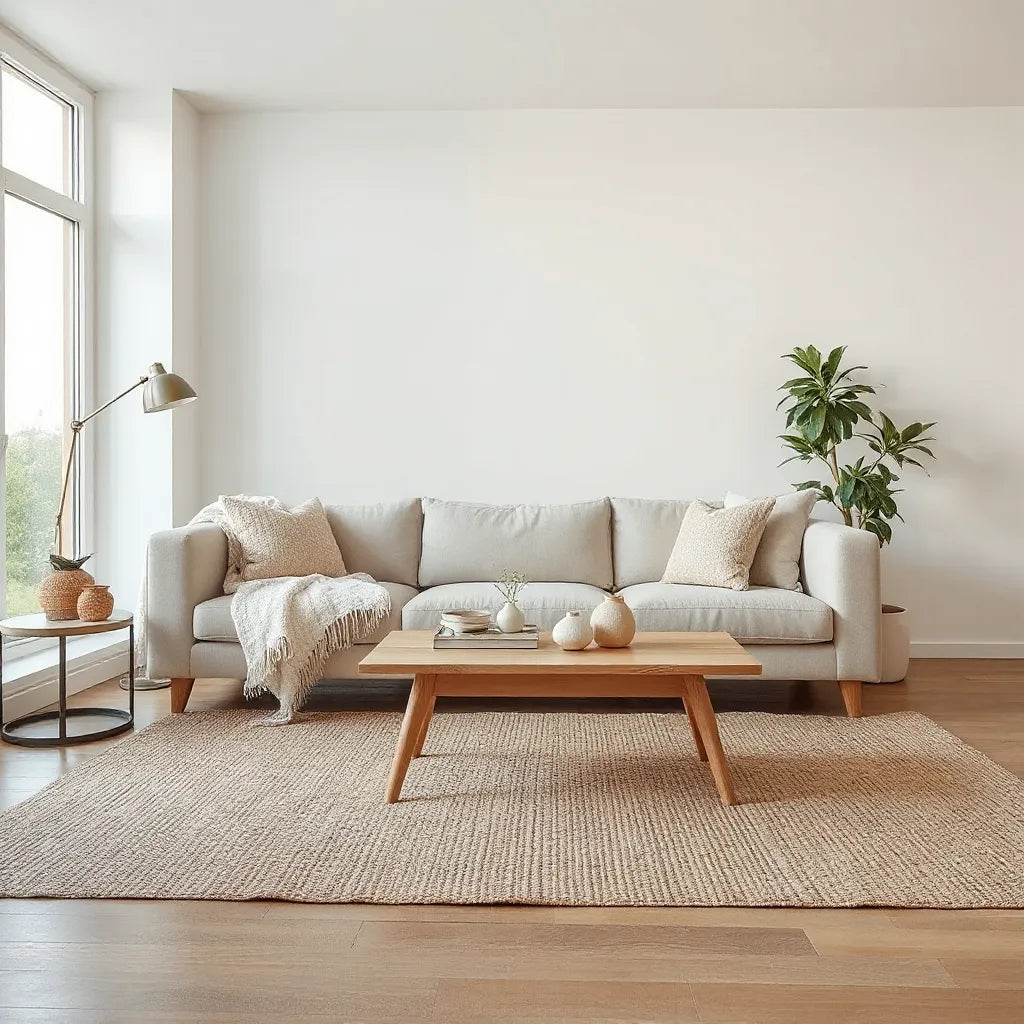
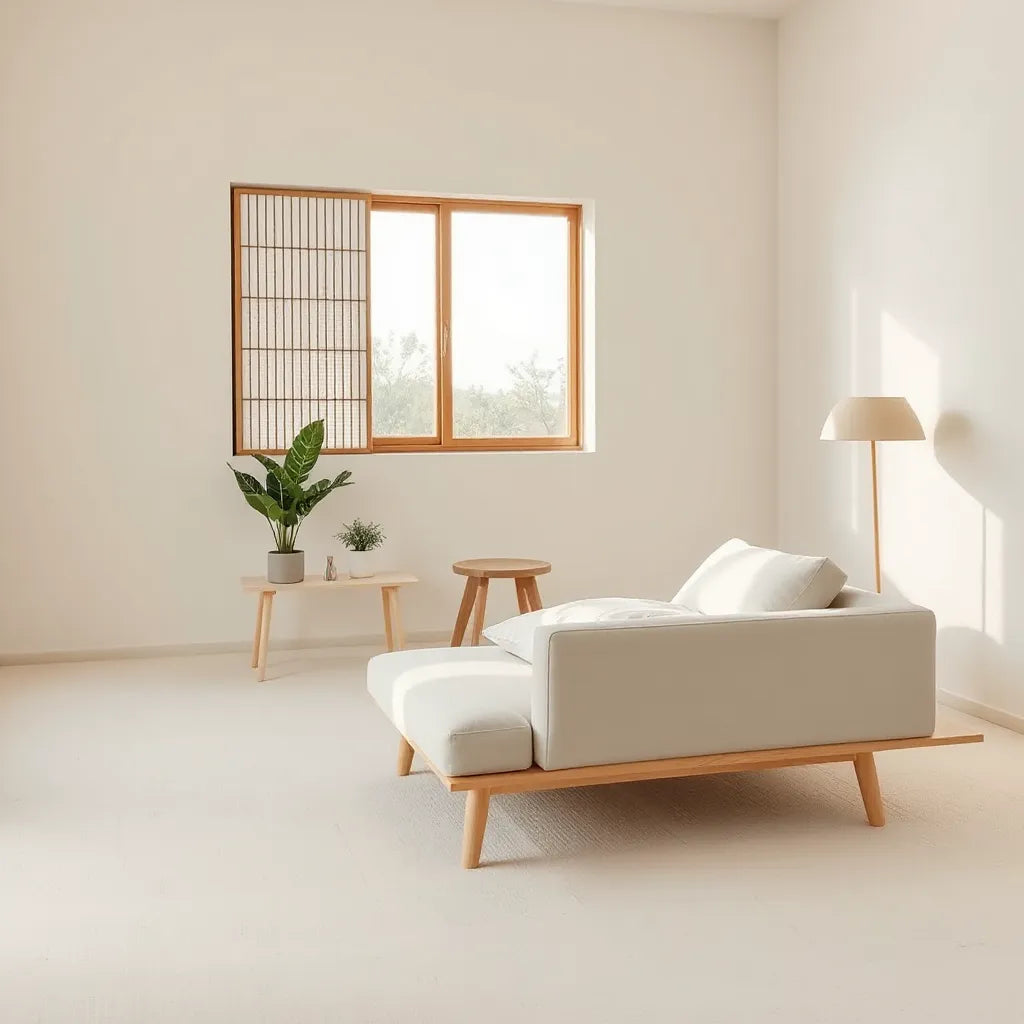
Neutral walls, wood tones, and simple line furniture
4) Layer textiles for softness and depth
Textiles are a practical way to add rustic character without clutter. Use layered elements such as a textured rug, linen curtains, and a knit throw. Choose patterns that remain calm: subtle stripes, small plaids, or organic motifs. Avoid high-contrast prints that can overpower wood textures and metal accents.
5) Build a lighting plan that flatters materials
Lighting is where the room usually either comes together or looks unfinished. Use a combination of ceiling light and two or more lamps. Prioritize warm bulbs to keep wood and stone looking inviting. If you want a modern touch, choose fixtures with clean shades and simple geometries, then let the lamp base or diffuser add softness.
6) Add curated decor and keep negative space
Modern rustic interior decor benefits from breathing room. Place decor intentionally: a single sculptural vase, one textured tray, or a wall piece with organic shapes. If you add multiple items, group them by color and material so they look coordinated rather than scattered.
Product recommendation:

7) Finish with small texture upgrades
Once the main furniture and textiles are in place, refine the look with details. Consider a woven basket for storage, a ceramic accent piece, or a runner rug that adds grounded warmth. These small upgrades make the space feel complete.
A Practical Style Checklist by Room
Use this checklist to adapt the same design principles across your home. Keeping the rules consistent is the fastest way to maintain a modern rustic interior decor style from room to room.
Living room
- Choose a neutral sofa and add one rustic texture element, such as a wool or boucle style throw.
- Use a large rug with a subtle pattern to anchor the seating area.
- Include one statement piece: a wood media console, a simple mantel, or a sculptural vase arrangement.
Dining area
- Prioritize a dining table with visible wood grain or a warm finish.
- Use chairs with consistent silhouettes; metal accents can support the modern side.
- Hang a pendant or chandelier that uses clean lines and warm light.
Bedroom
- Start with layered bedding: a textured duvet cover, breathable sheets, and a knit throw.
- Choose bedside elements with warm finishes and uncluttered shapes.
- Add one organic accent such as a woven basket or a natural fiber wall hanging.
Entryway and hallway
- Use a console or bench with simple forms and a warm wood tone.
- Add a mirror with minimal framing to brighten and modernize the space.
- Include baskets for keys and small items so the rustic textures remain clean and organized.
If you want a quick wardrobe-adjacent lifestyle perspective, you may also enjoy this selection from Olympic Virtue | Athletic Lifestyle Apparel for texture and color inspiration across different daily contexts.
Finishes, Materials, and Color Pairings That Work
Modern rustic interior decor relies on strong pairings. The key is to combine materials with complementary visual weight.
- Wood + matte metal: Light oak with blackened steel or brushed iron creates a crisp modern contrast.
- Stone + soft textiles: Pair a stone-like surface with linen, cotton, or wool to keep the room comfortable.
- Woven fibers + smooth ceramics: Rattan, jute, or cane can soften straight edges in cabinets and shelving.
- Warm neutrals + muted greens: Greige walls and beige rugs are supported by sage accents for a calm, natural mood.
For furniture styles, streamlined silhouettes help the room feel modern. If you select a rustic table or cabinet, balance it with simpler shapes elsewhere. One focal piece is usually enough; additional rustic elements should be more subtle.
Color palette examples
- Warm neutral core: Cream, sand, and light greige with medium oak and black accents.
- Earthy calm: Beige and clay with muted olive textiles and warm brown leather or fabric.
- Light and airy: Whitewashed wood tones with soft greys, natural fibers, and brushed metal.

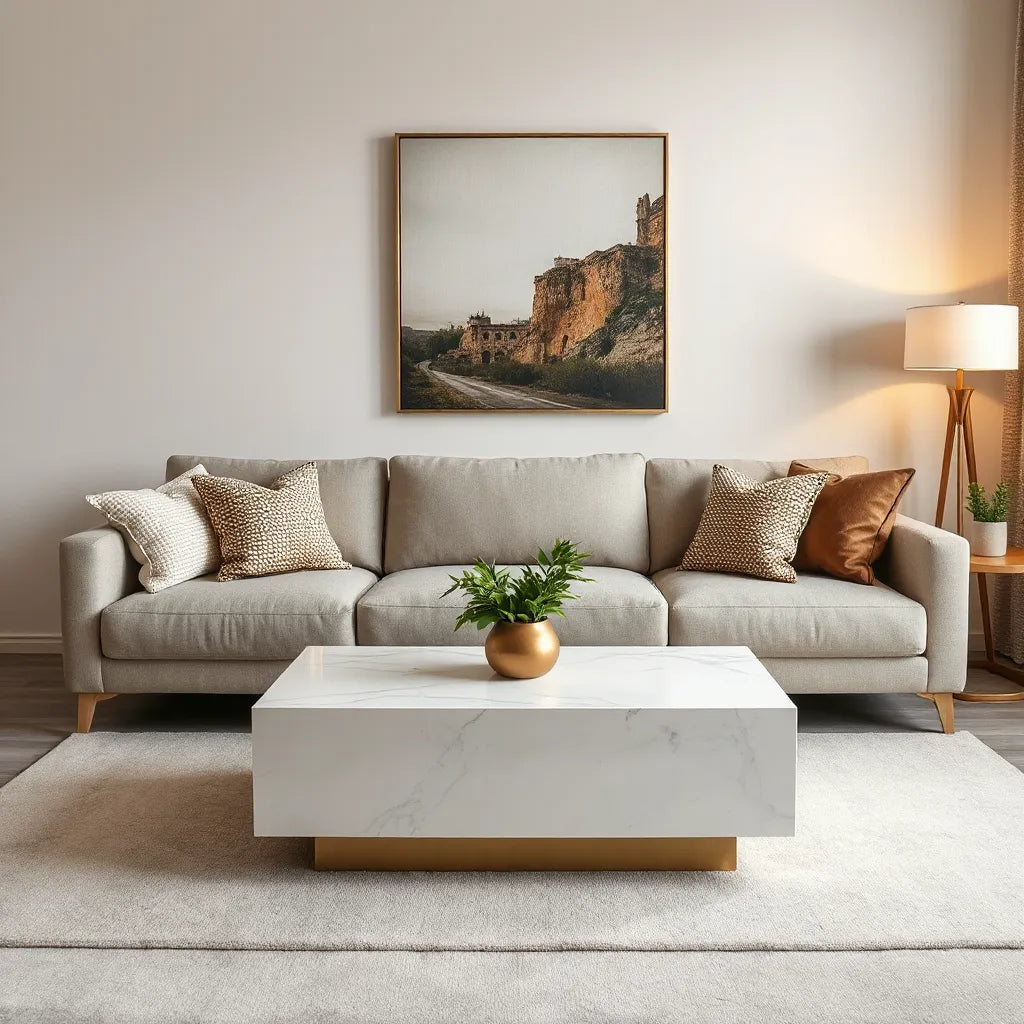
Warm neutrals, muted greens, and layered textures
When you implement color, use the 60-30-10 rule as a guide. Use 60 percent for your primary base, 30 percent for secondary tones, and 10 percent for accents. This method prevents the room from looking either too rustic or too modern.
Common Mistakes to Avoid
Even with good materials, a room can miss the intended style. These are common issues that weaken the modern rustic effect and how to correct them.
- Overloading texture: If every surface is highly textured, the room becomes visually noisy. Use texture in layers, not everywhere.
- Ignoring scale: Small rugs and undersized lighting can make the room feel incomplete. Measure key items and build layers to proportion.
- Using the wrong wood tone: Very dark wood can overwhelm small spaces. In compact rooms, choose lighter woods or distressed finishes with high clarity.
- Choosing decor without purpose: Modern rustic interior decor works best when items look good and serve a function such as storage or display.
- Inconsistent hardware and finishes: Mixing too many metals and finishes can disrupt cohesion. Select one primary metal tone and repeat it in lighting or hardware.
For additional styling consistency, you can keep chair or table designs aligned across the room. If you are planning a dining area update, consider a cohesive seating selection such as izumi chair or toshiro chair to reinforce the modern lines while maintaining the warm tone that rustic decor brings.
Common Questions Answered
How do I keep modern rustic interior decor from looking outdated?
Focus on clean silhouettes, neutral base colors, and controlled accents. Use rustic character through texture and natural materials, but keep decorative elements minimal and symmetrical when possible. Update lighting with simple modern fixtures so the room reads current.
What textures work best together in this style?
Woven textiles pair well with smooth ceramics and matte metals. A practical combination is linen curtains, a wool or boucle throw, and a textured rug grounded by a natural wood tone. If you use a strong texture, balance it with a simpler surface elsewhere.
Can I use dark wood in a modern rustic room?
Yes, but keep the rest of the palette light. Choose warm neutrals, use brighter textiles, and add layered lighting so dark wood does not absorb all visual light. Dark finishes look especially strong when paired with brushed metal or warm white walls.
What is the fastest way to refresh a room using this decor direction?
Replace or update the largest soft item first, such as the rug or curtains, then upgrade lighting. After that, add one focal natural element like a sculptural vase or a wood-toned accent. This sequence delivers the most visible change with less disruption.
Summary & Next Steps
Modern rustic interior decor is a balanced design approach that blends natural warmth with modern clarity. By starting with a neutral foundation, choosing one dominant material, and layering textiles and lighting thoughtfully, you create a room that feels grounded and up to date. Avoid common pitfalls such as over-texturing, poor scale, and inconsistent finishes.
Next, review one room and apply the checklist step by step. Select one focal feature, reinforce it with coordinated textures, and then refine the details until the space feels cohesive. If you want to streamline your shopping process, plan your palette first and select pieces that repeat the same metal tone and wood warmth across the room.
About the Author
Nisu Home is a design-focused brand with expertise in creating warm, functional interiors that reflect contemporary taste. The team combines material knowledge with practical styling guidance to help homes feel comfortable and intentional. With experience in interior styling and decor curation, Nisu Home supports readers in building cohesive spaces. Thank you for reading, and may your next room update feel both confident and effortless.

Leave a comment
This site is protected by hCaptcha and the hCaptcha Privacy Policy and Terms of Service apply.