

Updated on: 2026-09-17
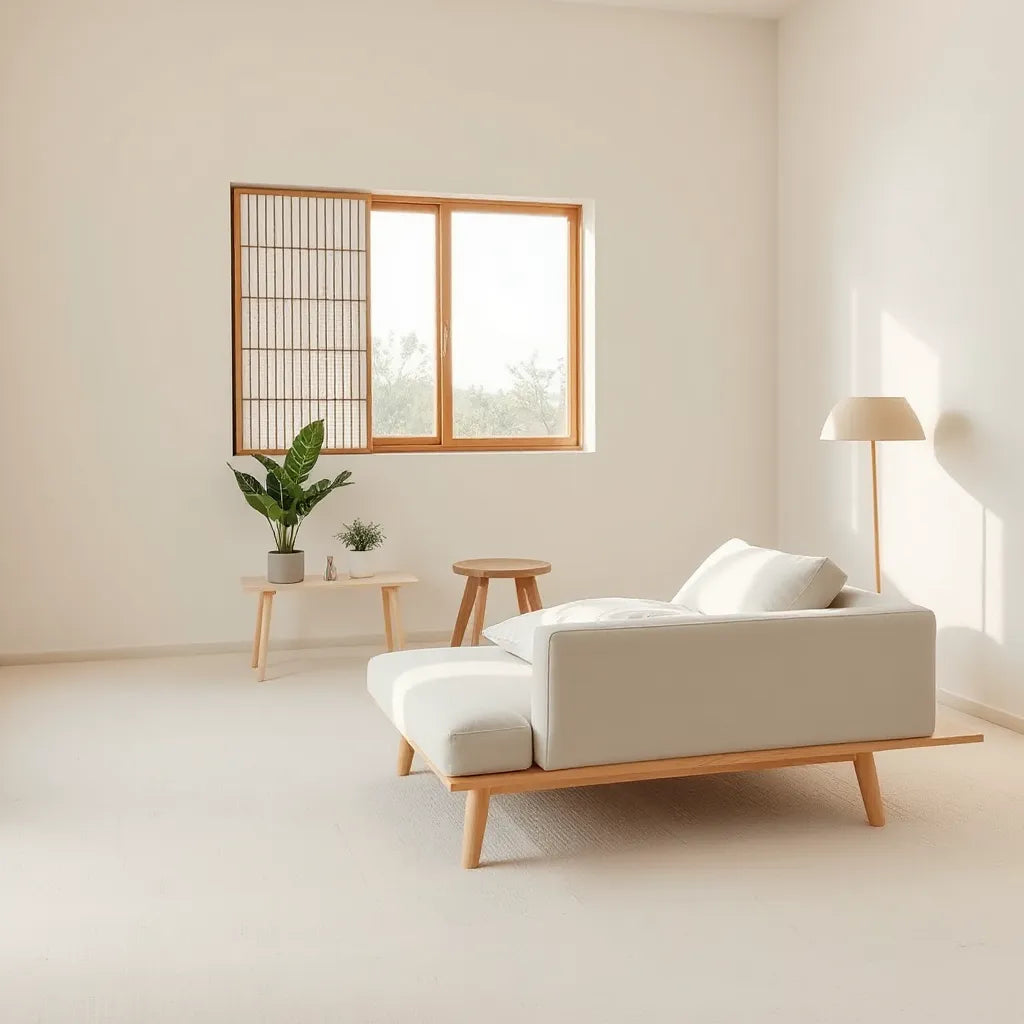
Japanese Minimalist Furniture focuses on clean lines, calm proportions, and purposeful storage. It helps reduce visual clutter while keeping daily life practical. When chosen thoughtfully, it can make rooms feel brighter, quieter, and easier to maintain. This guide explains the design principles, common buying errors, and a checklist to help you select pieces that fit your space and habits.
- Common Mistakes
- Buyer’s Checklist
- Design Principles That Define Japanese Minimalist Furniture
- Materials and Finishes: How to Choose for Longevity
- Layout and Proportions: Making Minimal Feel Comfortable
- Storage Without Visual Noise
- Care and Maintenance for Everyday Durability
- FAQ
- Wrap-Up & Final Thoughts
- About the Author
Common Mistakes
People often associate minimalism with removing everything. In practice, Japanese Minimalist Furniture is about selecting fewer items that work harder. The first mistake is buying pieces that look “simple” but do not fit your routines.
- Ignoring scale: A visually light chair can still be bulky in a narrow room. Measure walking paths and door clearances before purchase.
- Choosing style over function: Open shelves can look airy, but they usually demand constant organization. Closed storage is often more realistic.
- Overdoing the theme: Too many matching items can feel flat. Minimal design benefits from contrast in texture and grain.
- Forgetting ergonomics: Seating should support posture and comfortable daily use, not only aesthetics.
- Neglecting materials: Some finishes scratch easily, and some fabrics wear faster than expected. Choose based on how your household lives.
Another frequent error is treating minimalism as a one-time purchase. A cohesive look is built over time through storage, maintenance habits, and thoughtful placement.
Buyer’s Checklist
Use this checklist before you commit to any piece. It helps you buy with clarity and avoid costly returns.
- Confirm dimensions: Measure your space and compare with product measurements, including width, depth, and clearance needed to open drawers or doors.
- Define the role of the item: Decide whether the piece is for seating, storage, dining, or serving. Minimalism prioritizes purpose.
- Plan for daily storage: Select storage that supports what you actually use. If you frequently move items, choose accessible compartments.
- Check material fit: Choose wood tone, metal finish, or upholstery fabric that aligns with your maintenance preferences.
- Assess visual weight: Look for balance between negative space and the solid parts of a room. Too many “solid” items will feel heavy.
- Evaluate comfort: For chairs and stools, sit testing or comfort notes matter. Support and height affect long-term satisfaction.
- Review assembly needs: Minimal pieces often use clean construction lines. Verify hardware and assembly steps to prevent misalignment.
- Look for modular flexibility: If your layout may change, favor pieces that can adapt across rooms.
If you are building a dining or seating area, it can help to reference existing dimensions in your home. For example, if you are exploring modern bar height seating, you may also evaluate options like bar stool designs that emphasize clean silhouettes.

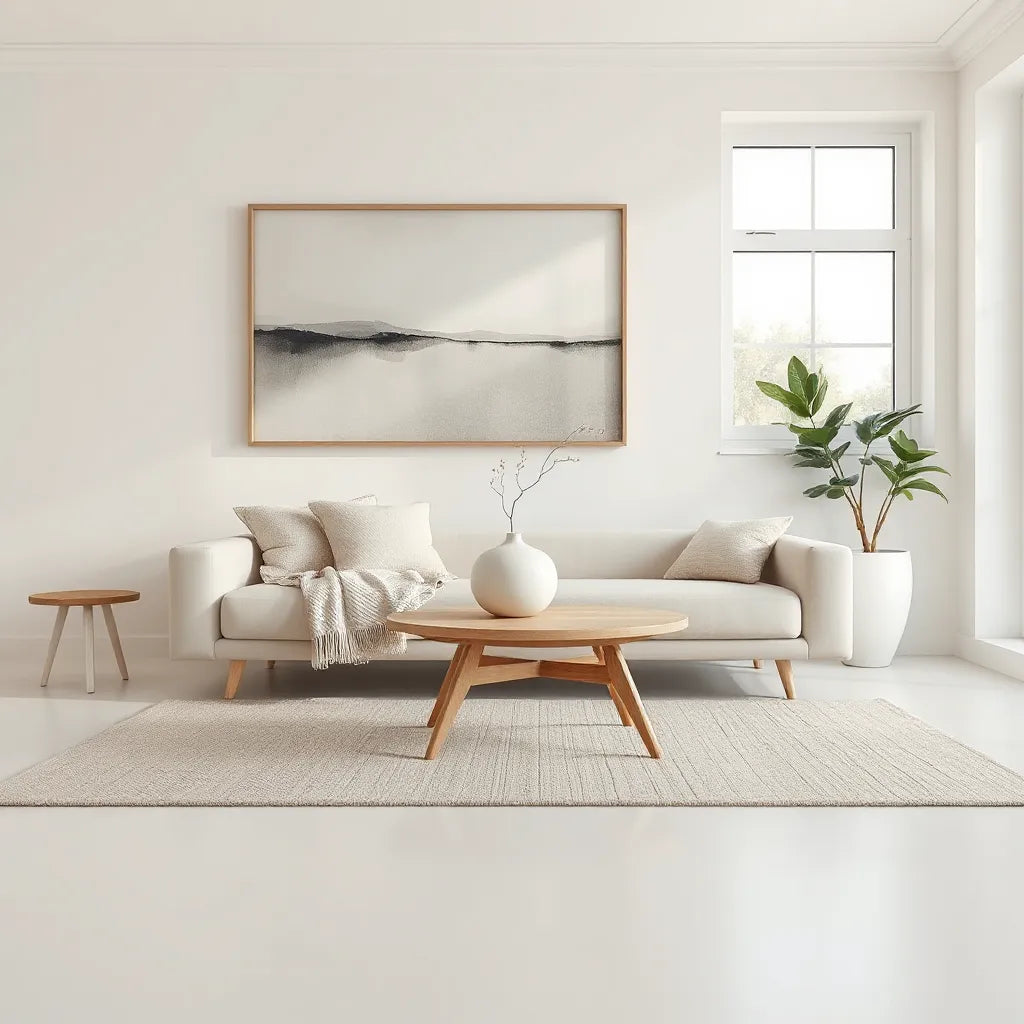
Streamlined geometry lines over calm neutral surfaces
Design Principles That Define Japanese Minimalist Furniture
The phrase Japanese Minimalist Furniture is often used as a style label. However, the deeper value is in the principles that shape how rooms function. These principles are easy to apply even if you start with only one or two pieces.
1) Clean lines and controlled forms
Minimal design favors straight edges, low visual clutter, and consistent proportions. This does not mean every item must be identical. Instead, the structure should be clear at a glance. When lines are controlled, the room reads as calm.
2) Purposeful negative space
Negative space is the visual breathing room between objects. It makes a small apartment feel larger and reduces the “busy” impression of many homes. When selecting furniture, leave consistent gaps around key pathways.
3) Natural textures and warm restraint
Minimalism works best when warmth comes from materials rather than decoration. Wood grain, matte finishes, and subtle upholstery textures offer depth without overwhelming patterns.
4) Low-to-ground influence
Many minimalist interiors use lower profiles. This can create a relaxed, grounded look. If you prefer a higher seat for comfort, you can still keep the visual language by choosing simple frames and balanced proportions.
5) Storage that disappears
Minimal homes typically hide everyday items. Cabinets, closed drawers, and discreet organizers reduce visual noise. The result is a room that looks tidy without constant staging.
These principles apply to chairs, tables, and cabinets. They also apply to how you arrange multiple pieces. For example, placing a seating set too tightly can erase negative space. A minimal layout often feels better with measured spacing.
Materials and Finishes: How to Choose for Longevity
Durability is part of minimalism. When furniture lasts, you avoid frequent replacements and maintain a consistent interior style. Materials also affect how “minimal” a room feels, because sheen levels and texture influence visual calm.
Wood: grain, tone, and protective finish
Wood is a common foundation in Japanese-inspired interiors. The key is choosing a tone that complements your walls and flooring. Light tones visually open spaces, while medium and darker tones add warmth and contrast. Protective finishes also matter. Matte finishes tend to hide minor scuffs better than high-gloss surfaces.
Metal and engineered frames: clean geometry
Metal components can support a minimalist aesthetic when the finish is consistent and the form is restrained. Choose finishes that match other hardware in the room. This prevents the space from feeling mismatched.
Upholstery: texture over patterns
For seating, you should prioritize fabric and padding quality. Neutral fabrics often support a calmer look, but texture is what prevents the room from feeling flat. If you have pets or frequent spills, consider performance fabrics and easy-clean covers.
Table surfaces and maintenance
Dining and coffee table surfaces receive daily contact. Selecting a surface that resists stains and can be cleaned without special care helps maintain the minimalist look longer.
If you want a refined seating experience that remains visually light, you may find it helpful to compare chair styles such as the izumi chair category for simple silhouettes and practical presence. The goal is to choose designs that suit your comfort needs while preserving the minimal visual language.

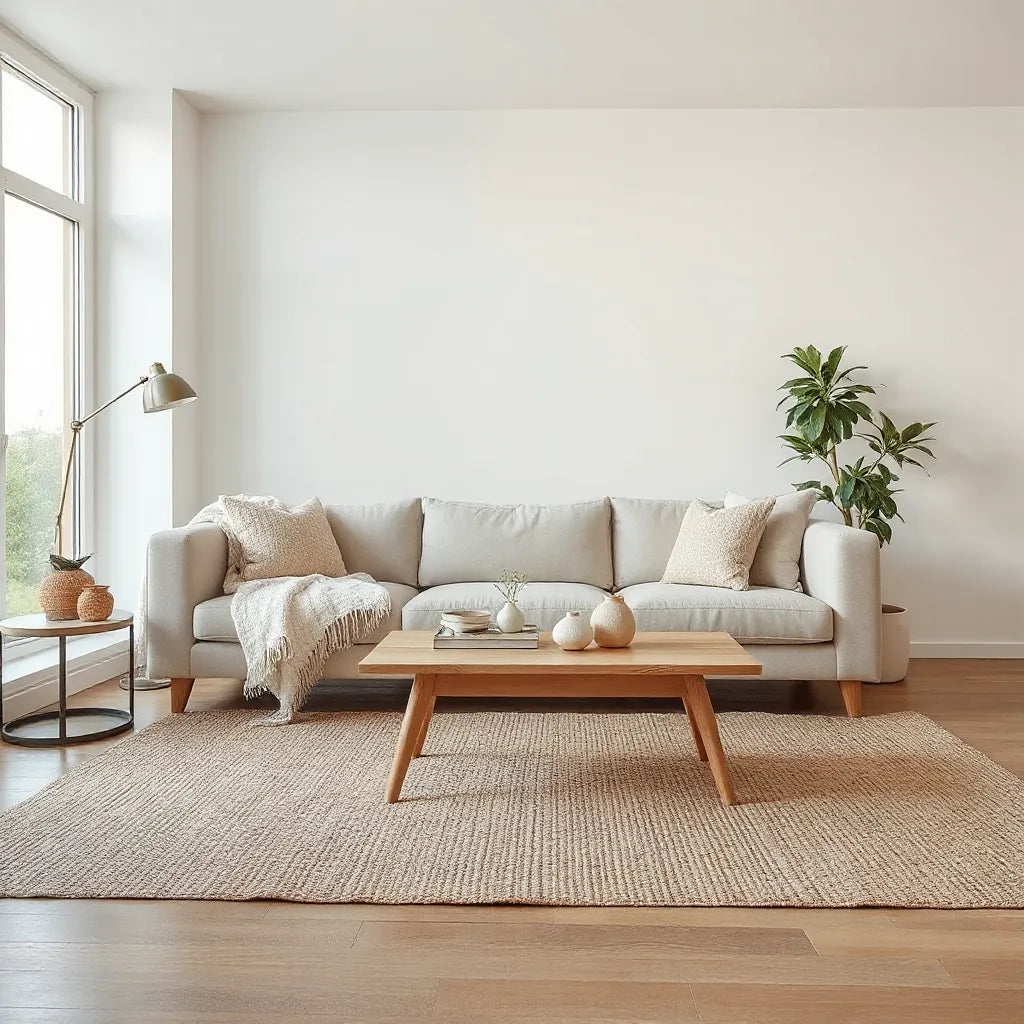
Hidden storage doors with calm open space
Layout and Proportions: Making Minimal Feel Comfortable
Even the best Japanese Minimalist Furniture can feel wrong if the layout does not support movement. Minimalism is not only visual. It is spatial. A comfortable room allows effortless transitions between zones.
Start with the walking line
Choose a primary walking path and build around it. Keep at least enough clearance for people to pass without turning sideways. If you have a narrow entry, use slimmer profiles near the route.
Balance solid forms with open areas
When you place a larger piece such as a cabinet, offset it with a lighter visual element elsewhere. For example, pairing closed storage with a simple chair or a low table helps maintain a calm, balanced composition.
Use height variation intentionally
Minimal interiors often use a mix of heights. Low tables ground the space, while upright seating adds structure. When all pieces are the same height, a room can appear rigid.
Consider sight lines
Look from the main viewing angle, such as from a couch or kitchen doorway. Minimal design aims to prevent “object stacking” in the background. If many items align visually, the room can feel cluttered even when surfaces are clean.
Storage Without Visual Noise
Storage is where minimalist homes become truly functional. The goal is not to hide everything forever. It is to hide what should not be constantly seen and to keep daily items reachable.
Choose closed storage for high-frequency items
In many households, items used every day generate the most visual clutter. Cabinets and enclosed drawers reduce everyday exposure to mess. Closed units support a calmer aesthetic with less effort.
Use compartments to limit “surface clutter”
When storage is not divided, items accumulate on top. Dividers, drawer organizers, and baskets can keep the number of “touch points” low while still allowing quick access.
Keep surfaces purposeful
Minimal surfaces do not need to be bare. They need to be intentional. A single tray, a small lamp, or a neatly arranged set of essentials can serve function and still support the minimalist tone.
If your space needs a structured storage anchor, consider cabinet-style furniture with discreet lines and integrated storage behavior. A strong reference point for minimalist storage aesthetics is asuka cabinet, which aligns with the idea of clean structure and contained visual noise.
Care and Maintenance for Everyday Durability
Japanese Minimalist Furniture often uses finishes and materials that reward careful cleaning. With simple maintenance, pieces keep their appearance and feel consistent over time.
Adopt a light-clean routine
Dust and surface debris can dull finishes. Use a soft, dry cloth frequently, and avoid abrasive tools that can scratch wood or metal.
Use appropriate cleaners
Follow material-specific care. For wood finishes, choose cleaners intended for sealed wood surfaces. For upholstered items, clean according to fabric guidance and consider spot testing in an inconspicuous area.
Prevent water rings and heat marks
Tables and countertops benefit from coasters and protective pads. This is a practical habit that preserves the minimal “clean face” of surfaces.
Re-tighten and inspect
For furniture with assembly hardware, periodically inspect joints and fasteners. This helps the minimalist structure stay stable and aligned.
Minimalism looks best when the room is not stressed by constant repairs or unstable seating. Care is an investment in that stability.
FAQ
What defines Japanese Minimalist Furniture compared with simple modern design?
Japanese Minimalist Furniture typically emphasizes quiet forms, balanced negative space, and purposeful storage. While modern design can be minimal, Japanese-inspired approaches often prioritize warm natural textures and visual calm that supports everyday living rather than showroom styling.
Can I use Japanese Minimalist Furniture in a small apartment?
Yes. Minimal design is often ideal for small spaces because it reduces visual crowding and supports simpler layouts. Choose pieces with clear silhouettes, measure pathways carefully, and prioritize closed storage to prevent clutter from accumulating on surfaces.
How do I keep a minimalist room looking tidy without constant effort?
Use storage solutions that match your routine, keep daily items inside drawers or cabinets, and limit what remains on visible surfaces. When items have defined storage locations, the room stays neat without frequent organizing sessions.
Are neutral colors required for a Japanese minimalist look?
Neutral tones are common, but they are not mandatory. The minimalist principle is restrained visual complexity. You can include color through upholstery or wood tone, as long as patterns remain subtle and the overall palette supports calm transitions.
Wrap-Up & Final Thoughts
Japanese Minimalist Furniture offers more than a clean aesthetic. It supports daily comfort through scale, storage, and materials that age well. By avoiding common mistakes such as poor measurements and mismatched comfort, you can build a room that feels quiet, functional, and easy to maintain.
Start with one high-impact category, such as a storage cabinet or seating piece, and then refine your layout. If you want a practical path forward, evaluate dimensions, confirm material durability, and choose designs that preserve negative space. When your furniture supports your routines, minimalism becomes effortless.
For additional inspiration, you may explore Otaku Haven and use it as a reminder that personal style can still be expressed through restraint. Minimal interiors allow your life to take center stage.
Q&A Section
What should I prioritize when choosing my first piece?
Prioritize comfort and function first. A minimalist room still needs ergonomic seating and stable storage. After that, prioritize clean lines and materials that match your cleaning preferences.
How many furniture pieces are enough for a minimalist room?
There is no universal number. The right amount is the number that supports your daily tasks without forcing objects onto visible surfaces. As storage improves, you can reduce visible items and keep the look consistent.
How can I make Japanese minimalist style look warm rather than cold?
Choose warm wood tones, matte finishes, and textured textiles. Add comfort through seating fabrics and natural accessories with minimal patterns. Warmth usually comes from material choices rather than decorative complexity.
About the Author
Nisu Home supports furniture design guidance with a focus on minimalist living, practical storage, and durable material choices. The author team specializes in curating calm, functional interior concepts that translate into real daily use. For readers, the goal is simple: build a space that feels organized, comfortable, and timeless. Thank you for reading, and may your interior decisions feel clear and confident.
Disclaimer: This article provides general guidance for furniture selection and home design. Product availability, specifications, and care instructions vary by manufacturer. Always verify measurements and follow official care recommendations for the specific items you purchase.

Leave a comment
This site is protected by hCaptcha and the hCaptcha Privacy Policy and Terms of Service apply.