

Updated on: 2026-09-22
Luxury Home Decor is not only about expensive materials. It is about intentional choices that create calm, proportion, and visual coherence. When you balance texture, light, and design details, your space feels curated rather than cluttered. The right pieces can also improve how a room functions day to day. This guide explains practical ways to design with elegance, avoid common mistakes, and make confident buying decisions.
A Practical Framework for Luxury Home Decor
Materials, Color, and Lighting
Finishing Details That Elevate the Room
Product Spotlight
Luxury Home Decor often appears effortless because it is built on a few repeatable principles: refined silhouettes, durable finishes, and a sense of architectural structure. In dining and seating areas, thoughtfully designed chairs and stools can set the tone for the entire room. Consider how a well-proportioned chair supports the body and also frames the dining table or counter. A consistent design language across seating, storage, and surfaces helps your home look intentional, not random.
When browsing for statement items, prioritize construction and finish quality over surface-level trends. Look for pieces that work across multiple settings, such as a chair that transitions from a dining nook to a guest space. Storage cabinets can also anchor a room by keeping visual noise under control. If your interior feels visually heavy, choose lighter tones and cleaner lines for larger furniture. If it feels too plain, add warmth with textured textiles and matte surfaces that absorb light.
To see how structured design can elevate a space, you can review seating options from Izumi chair or explore bar seating styles like Haruto bar stool. For a more compact seating need, Min chair offers a streamlined profile that pairs well with minimalist interiors.

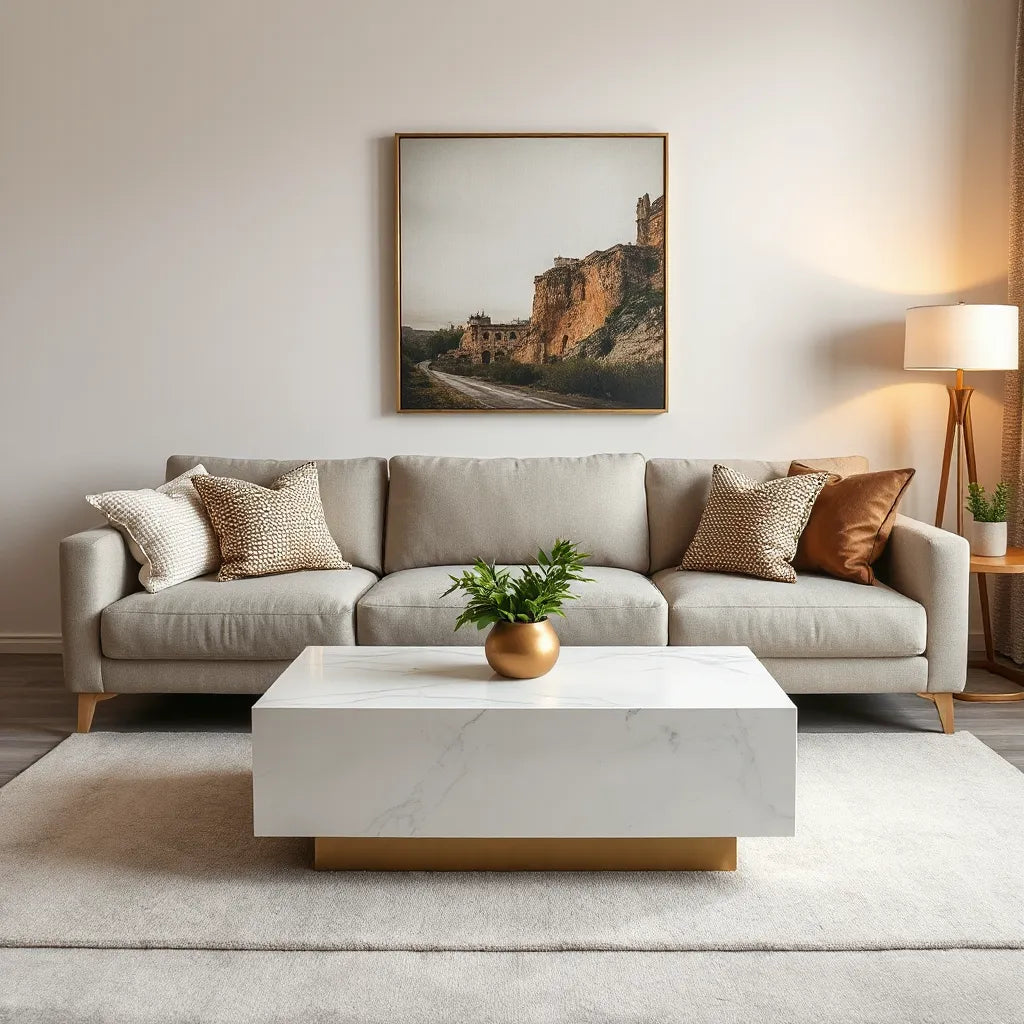
Balanced shapes and soft light suggest curated elegance
Myths vs. Facts
Myth: Luxury Home Decor is only for large budgets.
Fact: Luxury is a design outcome. Strategic choices, such as selecting fewer but more cohesive pieces, can create a high-end look without overspending.
Myth: Matching every item is required for an elevated style.
Fact: Cohesion matters more than perfect sameness. You can mix tones and textures as long as they share a common rhythm, such as consistent undertones or complementary finishes.
Myth: Decorative accents are what make a room feel luxurious.
Fact: The foundation is more important. Proportion, layout, lighting, and material quality establish the feeling first, while accents refine it.
Myth: Natural materials always look better.
Fact: The best option is the one that fits your lifestyle. Many finishes can mimic natural character while offering practical maintenance and durability.
A Practical Framework for Luxury Home Decor
Luxury design is easiest when you treat it as a system rather than a single purchase. Use a simple framework: define mood, create structure, then add refinement. First, choose the feeling you want. Calm and warm interiors often use soft contrast and gentle texture. Crisp, modern spaces tend to rely on clean lines and controlled color ranges.
Next, create structure with the largest elements. This includes sofas, tables, cabinets, and major lighting fixtures. When these pieces share visual cues—such as consistent leg shapes, similar material undertones, or aligned proportions—the room reads as cohesive. Finally, refine with smaller layers: window treatments, rugs, wall art, and accent lighting. These elements should support the mood rather than dominate it.
One overlooked advantage of Luxury Home Decor is clarity. When you reduce competing visual signals, the mind relaxes. That is why even minimal designs can feel luxurious. The key is not how much you display, but how thoughtfully you edit.
Materials, Color, and Lighting
Materials are the fastest route to a premium impression. Start with a primary base, then add a secondary texture. For example, pair smooth surfaces with a tactile layer such as a woven textile. Matte finishes often feel more refined than glossy ones because they reduce harsh reflections and create a softer visual field.
In color, aim for a limited palette with subtle variation. Neutrals can still feel luxurious when they are not all identical. Consider warm white, greige, and light taupe. Then introduce a controlled accent, such as deep bronze, muted black, or a restrained earthy tone. If you prefer color, use it with restraint: pick one accent family and repeat it in two or three places, such as a curtain tone, a decorative item, and a metal finish.
Lighting is essential because it shapes texture and tone. Use more than one light source. Ambient light creates overall balance. Task lighting supports reading and daily routines. Accent lighting highlights architectural details such as shelving or artwork. When you mix warm bulbs with dimming options, you can shift the mood from functional to intimate.
Layout, Scale, and Comfort
Luxury Home Decor looks right when the scale is correct. Measure key distances before you buy. Ensure there is comfortable walking space between furniture. In dining areas, confirm that chairs allow movement without crowding. In living rooms, keep seating aligned so conversation feels natural.
Comfort is also part of elegance. A room that looks impressive but feels awkward will not feel luxurious over time. Choose seat heights that match the intended activities. For example, counter seating should support relaxed posture. When you select seating, test it conceptually: can you imagine where guests will place their feet and how easily they will move around the space?
Consider the role of negative space. High-end interiors often include breathing room around furniture. That does not mean the room must be empty. It means the empty spaces are intentional, so your eye can rest.
Finishing Details That Elevate the Room
Details should feel purposeful. Hardware, trims, and visible joints all contribute to perceived quality. When you choose cabinets or accent pieces, pay attention to how doors align and how edges are finished. In textile choices, prioritize fabric weight and drape. Heavier curtains often create a more polished look than thin panels because they soften the room while maintaining structure.
Another luxury marker is how a room handles storage. Clutter breaks the illusion of coherence. If you have open shelving, use a curated selection: a few consistent shapes and tones. Then balance visually busy items with calm, solid surfaces. If you prefer a more streamlined approach, select storage that hides daily items while keeping the room visually quiet.
If you want a targeted example of how structured storage supports elegant interiors, explore Asuka cabinet. A cabinet with a defined profile can anchor a dining room or hallway and reduce visual distraction in daily use. This approach supports a calm, premium atmosphere without requiring constant re-styling.

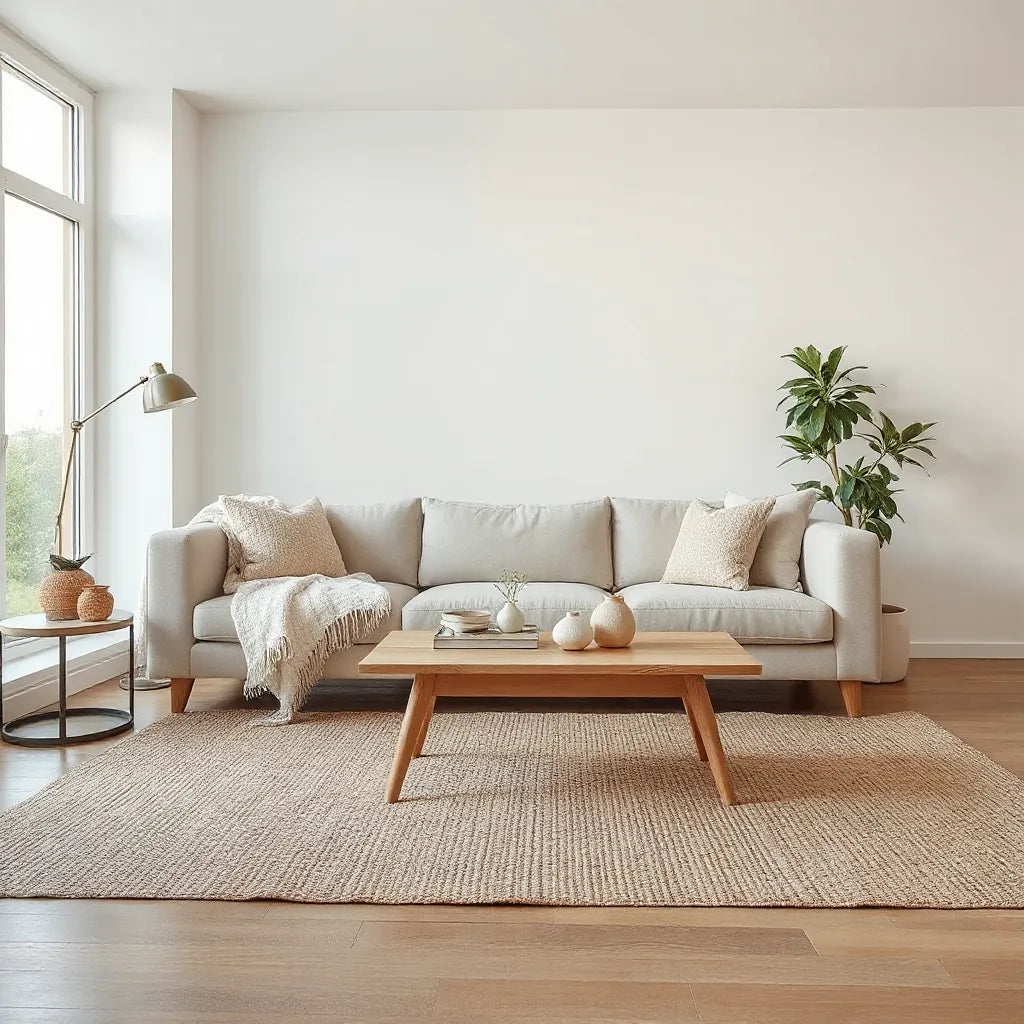
Layered textures and refined color accents create depth
Shopping Checklist for Confident Choices
Before purchasing, use a checklist that protects your design plan. This reduces returns and prevents mismatched styling.
- Confirm the style language: Identify whether your room is modern, classic, transitional, or minimal. Then choose pieces that share the same level of visual formality.
- Audit your palette: List your existing wall color, flooring tone, and major textiles. Choose new items that fit within that range.
- Measure before you decide: Record widths, clearances, and sight lines. Luxury design depends on proportion.
- Check finish compatibility: If you have brushed metal, consider similar undertones for hardware. Mixing extremes can still work, but it must be intentional.
- Evaluate texture contrast: Premium spaces often combine at least two textures, such as smooth + woven or matte + natural grain.
- Prioritize functional beauty: Seats must support long use. Surfaces must withstand your daily rhythm. A well-made piece stays elegant because it performs well.
- Plan for lighting placement: If a room is dim, it will hide details. Choose lighting that reveals texture and color.
Use this checklist when you build your Luxury Home Decor over time. You can start with structure, then add refinements. A staged approach also helps you learn what works in your specific lighting and daily routines.
Final Recommendations
Luxury Home Decor is best achieved by focusing on design fundamentals. Choose a coherent mood, then anchor it with larger pieces that share consistent proportions and finishes. Use lighting to reveal texture and control contrast. Finally, refine the space with textiles, curated accents, and smart storage.
As you shop, prioritize quality construction, not only appearance. Ensure each purchase supports comfort and long-term use. When your choices form a consistent system, your home will look elevated without constant effort.
If you want to develop a cohesive look across multiple rooms, consider reviewing dining seating such as Toshiro chair and pairing it with a compatible bar or counter option when relevant. Consistent design language across categories creates a unified interior that feels intentionally designed.
Frequently Asked Questions
What makes Luxury Home Decor look expensive without being overly ornate?
It is usually the combination of proportion, material quality, and controlled color contrast. When furniture silhouettes are refined and finishes are consistent, the room reads as curated. Lighting also plays a major role because it enhances texture and reduces harsh reflections.
How many accent colors should I use in a luxury-styled room?
For most interiors, one main accent color is enough. Keep the remaining palette neutral and repeat the accent in two or three locations, such as textiles, artwork, or metal finishes. This approach preserves calm while still creating visual interest.
What is the fastest way to upgrade a room using Luxury Home Decor principles?
Improve lighting first, then refine texture. Add layered light sources with a warm color temperature, and include a tactile element such as a rug, drapery, or textured cushions. After that, ensure storage is organized so the room remains visually quiet.
Can I mix modern and classic pieces in Luxury Home Decor?
Yes. Mixing works best when you align the underlying design language. For example, you can combine a modern shape with classic materials, or pair clean lines with warm neutrals. The goal is cohesion through shared finishes, consistent proportions, and a unified palette.
How do I choose the right size furniture for an elegant layout?
Measure key spaces, especially walkways and the clearance around seating. Use a simple rule: furniture should not block natural movement, and seating should allow comfortable access to tables and counters. If a piece makes the room feel tight, scale down or reconsider its placement.
About the Author
Nisu Home contributes practical guidance on interior styling and product selection, with an emphasis on how materials, proportions, and lighting work together. Our expertise focuses on creating homes that look refined and feel comfortable in daily life. Thank you for reading, and we look forward to supporting your next interior improvement.
Disclaimer: This article provides general design guidance for informational purposes only. Product availability, specifications, and visual appearance may vary by seller, materials, and lighting conditions.


Leave a comment
This site is protected by hCaptcha and the hCaptcha Privacy Policy and Terms of Service apply.