

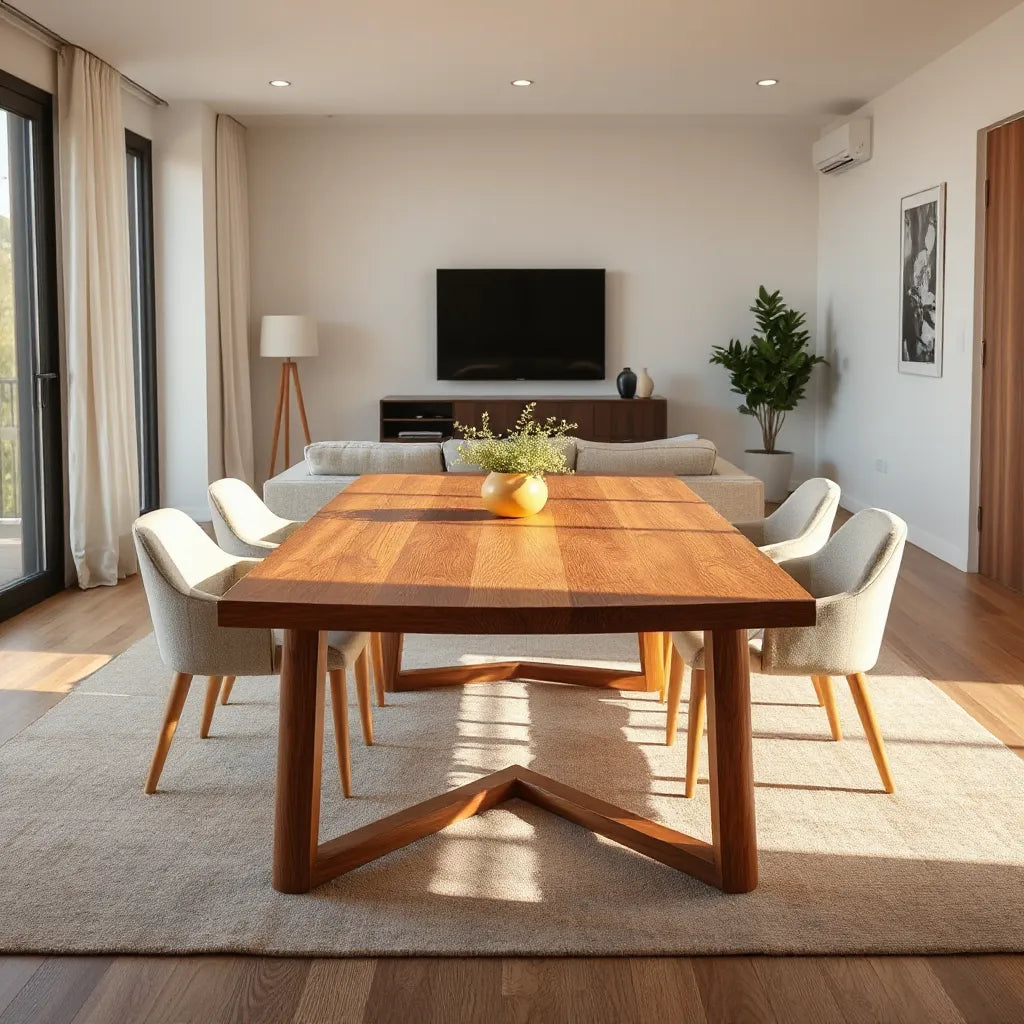
Updated on: 2026-07-30
Luxury crafted furniture is defined by proportion, material integrity, and workmanship that improves with time. The best pieces balance comfort, storage efficiency, and visual calm through thoughtful design. This guide explains how to evaluate construction quality, finishes, and hardware before you purchase. It also addresses common buying questions, from care routines to how to match styles across a room.
Table of Contents
- 1. What Luxury Crafted Furniture Really Means
- 2. How to Choose Luxury Crafted Furniture
- 3. Visual Guidelines for a High-End Look
- 4. Care and Maintenance for Long-Term Beauty
- 5. Common Questions Answered
- 6. Summary and Next Steps
What Luxury Crafted Furniture Really Means
Luxury crafted furniture is more than a higher price point. It reflects a design philosophy where every visible element has a purpose, and every hidden component supports long-term performance. In practical terms, luxury is expressed through balanced proportions, stable construction, refined surfaces, and hardware that operates smoothly. When these elements align, the piece becomes both functional and quietly impressive.
To recognize quality quickly, focus on how the furniture behaves in everyday use. Doors close with consistency. Upholstery holds its shape. Drawers glide without resistance. Surfaces feel uniform to the touch and look intentional from every angle. This is why luxury crafted furniture often feels calm and cohesive rather than overly decorative.
Material choices are central. Premium wood, well-selected veneers, and durable metal components can support a wide range of design styles. Equally important is how those materials are prepared. Stable boards reduce movement over time. Clean joinery minimizes stress points. Finishing layers protect against everyday wear, while still allowing the grain or texture to remain visually rich.

Close-up scenes: wood grain, joinery lines, smooth edges
How to Choose Luxury Crafted Furniture
Selecting luxury does not require guesswork. Use a structured checklist that covers materials, construction, finish quality, and usability. The steps below are designed to help you compare options objectively and reduce the risk of disappointment after delivery.
Step 1: Verify materials and sourcing
Begin by identifying what the furniture is made from. When wood is used, confirm the type and whether the piece relies on solid components, engineered core, or veneer. Each approach can be high quality when executed correctly. Solid wood typically offers a classic look and can be re-finished in some cases. Veneers can deliver dramatic grain while reducing movement.
For metal components, verify that finishes are consistent and not overly thin. For upholstered pieces, check the fabric and the foam density. Luxury is often felt through resilience. Good cushioning maintains comfort without collapsing quickly, even after repeated seating.
Step 2: Assess construction and joinery
Construction quality is where luxury crafted furniture becomes durable. Inspect joinery methods at accessible points and look for signs of rigid alignment. Clean seams, consistent spacing, and minimal gaps often indicate careful assembly. If the furniture includes shelves, confirm that supports are secured and that panels sit flat without visible bowing.
Also evaluate load paths. A sturdy chair or table must transfer weight safely from the top surface into the frame and base. The best pieces resist wobble and maintain stability on different flooring types.
Step 3: Evaluate finishes and protective layers
Finishes should look uniform and feel even. Run your hand lightly across edges. A premium finish typically has smooth transitions, with no roughness where layers meet. Look for clarity in color and grain definition rather than heavy over-coating that hides texture.
For wood finishes, confirm that the surface is designed for everyday living. A protective layer should help resist minor scuffs and make cleaning straightforward without damaging the look.
Step 4: Check hardware, alignment, and tolerances
Hardware is a reliable quality signal. Handles, hinges, and drawer runners should operate smoothly with consistent resistance. Misalignment often shows up in the final moments when a piece is used daily: doors should close flush, and drawers should not require forcing.
Inspect screws, mounting plates, and fasteners for consistency. Quality often appears as careful spacing and secure attachment points, not as visible clutter.
Step 5: Test comfort and ergonomics
Even beautifully made furniture must support real-life use. For seating, evaluate seat depth, back angle, and cushion support. If the chair is intended for long sitting, look for balanced back support and stable leg positioning. A luxury crafted furniture piece should feel designed for the body, not merely styled for the showroom.
Comfort evaluation is also about daily ease. Consider whether arms, head support, or seat height help you sit and stand with less strain. Pay attention to how the piece feels after several minutes, not just the initial impression.
Step 6: Confirm style fit across your space
Luxury is cohesive. To ensure fit, decide on a primary style direction first. Then choose complementary elements that share the same visual language: similar wood tones, consistent metal finishes, or a shared design silhouette. This approach helps you build a room that looks intentionally curated.
If you are adding seating, consider whether the chair lines echo the dining or living area. If you are adding storage, choose doors and handles that match the rest of the palette.

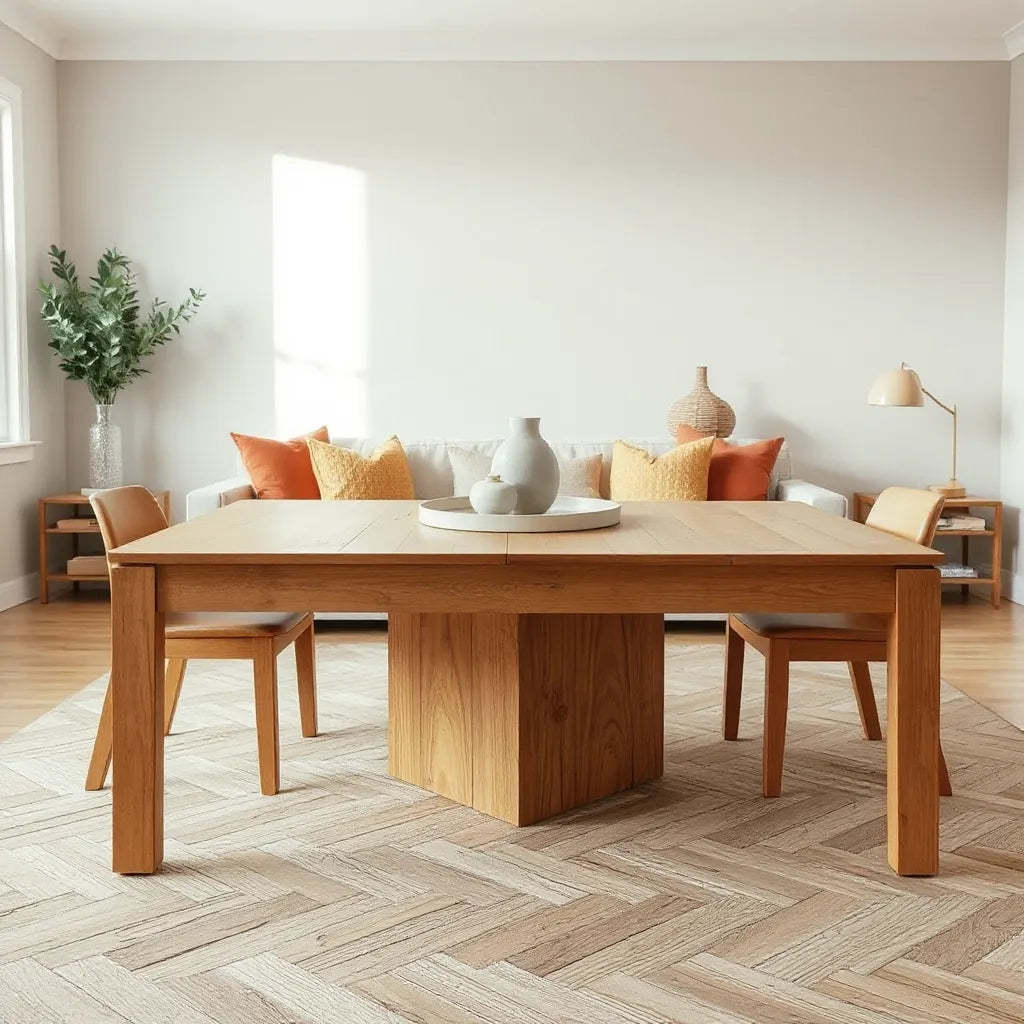
Room vignette: aligned silhouettes, warm tones, balanced spacing
Visual Guidelines for a High-End Look
High-end appearance comes from control. Luxury crafted furniture often uses restrained detailing and purposeful proportions. To create that effect, use a few visual rules that are easy to apply even in a small room.
First, manage contrast. Pair warm wood with subtle matte metals or soft textiles. Too much shine can look busy. Too little contrast can feel flat. Aim for one clear focal material and allow the rest to support it.
Second, repeat shapes. If your space uses rounded edges on tables, choose seating with similar curves. If your room has clean, straight lines, maintain that geometry in cabinets and case pieces. This does not mean everything must match; it means the design language should remain consistent.
Third, keep spacing deliberate. Crowded rooms reduce the visual impact of craftsmanship. Leave enough breathing room between the furniture and walls so surfaces can be seen clearly. This is especially important for pieces with fine detailing or textured finishes.
Finally, consider how the piece frames the room. A chair with strong structure can act as a design anchor. A coffee table can balance a seating group through scale and height. A cabinet can bring order by establishing clear visual boundaries.
When you want inspiration from thoughtfully designed seating and storage, you can explore options on Izumi chair for a refined seating profile. For additional contemporary structure, review Asuka cabinet to see how storage surfaces contribute to a composed room.
Care and Maintenance for Long-Term Beauty
Luxury crafted furniture should stay attractive through daily use, provided you maintain it correctly. The goal is to protect surfaces and preserve original appearance rather than to over-treat or refinish prematurely.
Start with dusting habits. Use a soft, dry cloth for wood and metal surfaces. Avoid abrasive cleaners that can dull finishes. For upholstered pieces, vacuum gently with an attachment designed for fabric. Treat stains early with care-specific methods that match the upholstery type.
For wood furniture, maintain stable indoor conditions. Rapid temperature changes and high humidity can increase movement in natural materials. Use coasters and placemats to reduce heat and moisture exposure. When cleaning, use products recommended for the finish type rather than generic household chemicals.
For tables and surfaces that receive regular use, protect with appropriate liners. Table pads can reduce the risk of scratches while preserving the finish. If the furniture includes drawers, keep them free of debris so hardware continues to glide smoothly.
Hardware deserves attention as well. Periodically check for loose screws or misalignment. Proper tightening helps maintain smooth operation without damaging mounting points.
If you prefer a simpler routine, focus on three consistent actions: gentle cleaning, protective accessories, and careful handling. This combination typically preserves the original look and supports the long-term stability that luxury crafted furniture is expected to deliver.
To complement your maintenance workflow, you may also consider seating options that are designed for everyday comfort, such as Toshiro chair, which pairs structured support with an elegant silhouette.
Common Questions Answered
How can I tell if luxury crafted furniture is truly high quality?
Look for consistent construction, smooth operation of moving parts, and finishes that feel even to the touch. Quality pieces show minimal gaps, stable alignment, and hardware that works without friction. Comfort should also be assessed in real usage conditions, not only in brief showroom checks.
What is the best way to protect wood and metal surfaces?
Use coasters, mats, and liners to reduce heat, moisture, and scratches. Dust gently with a soft cloth, and avoid abrasive products that can damage surface layers. For metal components, choose cleaners appropriate to the finish so you do not remove protective coatings.
How should I match luxury crafted furniture across different rooms?
Maintain a common design language. Repeat key elements such as wood tone family, metal finish style, or the overall silhouette shape. Choose one piece to lead the palette, and let the remaining items support it with complementary textures and proportions.
Do I need to refinish or reupholster premium furniture often?
Typically, a well-made piece should require less frequent refinishing or reupholstery. Proper care, protective accessories, and prompt stain treatment help preserve surfaces and cushioning. Over time, minor maintenance may be required, but the need for major restoration should be limited when the furniture is used as intended.
Summary and Next Steps
Luxury crafted furniture represents durable craftsmanship, thoughtful design, and refined materials. When you choose with intention, you can avoid common pitfalls such as unstable construction, inconsistent finishes, or hardware that fails under daily use. Use the selection steps to evaluate materials, joinery, surface layers, and comfort.
Next, build a cohesive room by repeating design language and managing visual contrast. Apply a consistent care routine focused on gentle cleaning and surface protection. If you want a direct starting point, review curated seating and storage options on Honin coffee table to understand how scale and finish contribute to a high-end look.
With the right evaluation process, your furniture selection becomes a long-term investment in comfort and style.
About the Author Section
Nisu Home is a design-focused team with expertise in interior curation and product craftsmanship. The editorial approach prioritizes practical guidance on materials, construction quality, and long-term care for premium furnishings. If you plan your next purchase with these criteria, you can select pieces that look refined and perform reliably. Thank you for reading, and we look forward to supporting your home design decisions.
Disclaimer: This article provides general guidance on furniture selection and care. Individual results may vary based on product materials, usage conditions, and maintenance practices. Always follow the care instructions provided by the manufacturer for your specific piece.

Leave a comment
This site is protected by hCaptcha and the hCaptcha Privacy Policy and Terms of Service apply.