

Updated on: 2026-07-29
This guide explains how a herringbone pattern table creates a tailored look through its distinctive zigzag layout. You will learn what the design communicates, how to choose the right size and material, and what to expect from everyday maintenance. The article also provides practical steps for styling your table with flooring, seating, and lighting. Finally, it includes answers to common questions so you can make an informed purchase decision.
Table of Contents
- 1. Practical Guide: Choosing and Styling a Herringbone Pattern Table
- 2. Key Advantages of a Herringbone Pattern Table
- 3. Summary & Next Steps
- 4. Q&A Section
Practical Guide: Choosing and Styling a Herringbone Pattern Table
A herringbone pattern table stands out because it is built on a repeatable geometry. The motif guides the eye and adds rhythm to a room without relying on bright colors or loud ornamentation. When you select the right table, the pattern can elevate both modern and classic interiors. The goal is to align the design with your space, your everyday needs, and your long-term care plan.
1) Start with your room goals
Before you choose a specific finish or size, identify the visual role of the table. In dining areas, the motif can add structure around shared meals. In living rooms, it can act as a focal surface that balances surrounding textures. If your room already has strong visual elements, use the herringbone pattern to introduce controlled movement rather than competing with patterns on walls or textiles.
2) Choose the right size and proportions
Proportion determines whether the pattern looks intentional or overwhelming. Measure your space and plan for circulation. Leave enough clearance for chairs, foot traffic, and movement around the tabletop. As a practical rule, if your room has limited width, select a table that does not dominate the floor plan. If your room is larger, a bolder surface presence can make the zigzag layout feel more grounded.
3) Select a material aligned with your routine
The look of a herringbone pattern table is affected by material. Wood options tend to show natural grain and warm undertones, while engineered surfaces can deliver consistent coloration. If you host often, prioritize finishes that resist scuffs and simplify cleaning. If your space receives frequent sunlight, choose a finish that maintains its tone and reduces visible wear over time.
4) Confirm the pattern direction and visual density
Not all herringbone patterns read the same. Some layouts appear tight and crisp, while others look more relaxed. A tight pattern can feel refined and modern. A wider, more spaced layout can feel softer and easier to integrate with casual styling. Look closely at how the design sits on the tabletop or surface area, and consider how it will align with your flooring and nearby furniture.

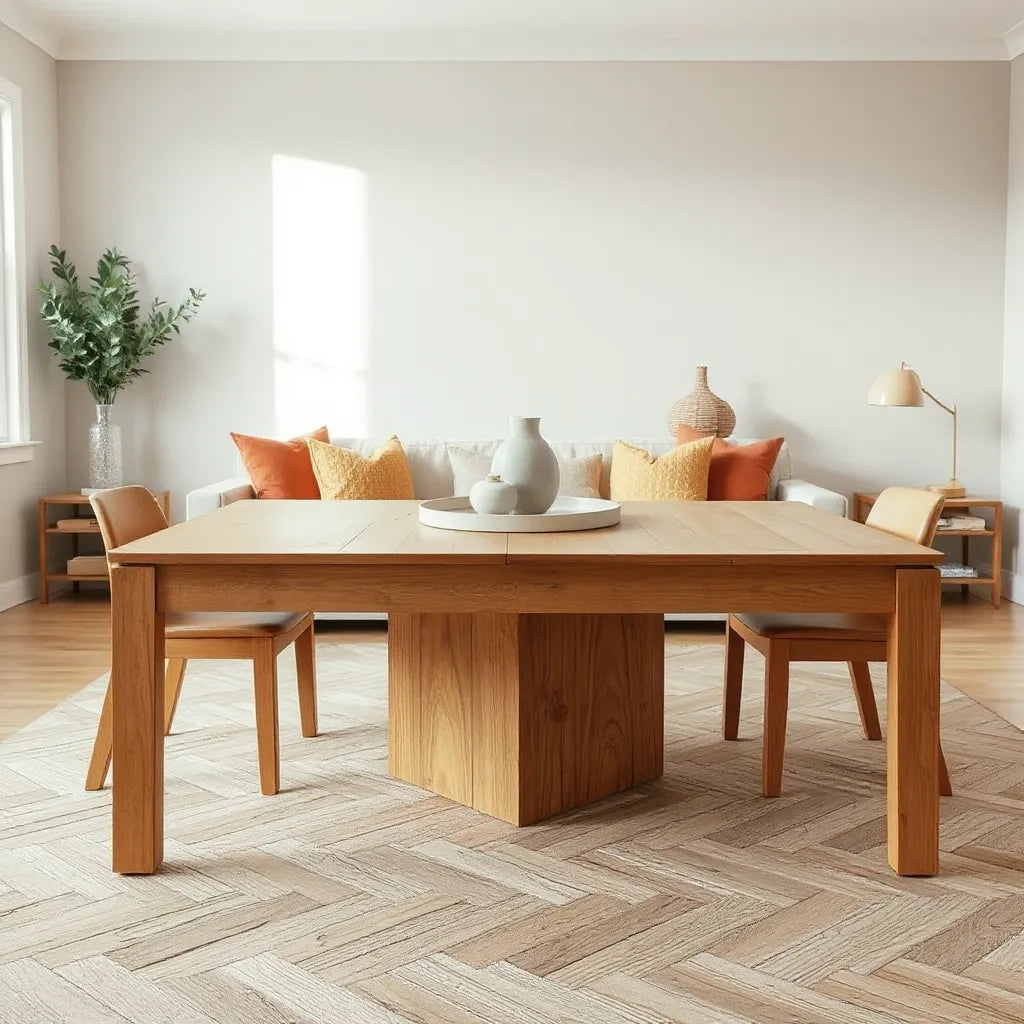
Zigzag layout visual guide for balanced proportions
5) Style the table with complementary textures
Once you select the right table, styling completes the effect. Pair the herringbone pattern table with solid surfaces that let the motif remain legible. For example, use smooth placemats, a plain table runner, or a curated set of simple ceramic pieces. If your room has patterned textiles, choose fewer accessories and keep colors within a controlled palette. The zigzag design already provides visual structure, so the rest should support it.
6) Match the table to flooring and lighting
Because the herringbone motif is directional, it can interact with flooring geometry. If your floors have straight lines or minimal texture, the table pattern becomes the primary design element. If your floors have a subtle texture, the table may still stand out while maintaining balance. Lighting also matters. Use overhead or ambient light that reduces glare and highlights the material surface. Avoid strong side lighting that exaggerates minor imperfections or uneven reflections.
Key Advantages of a Herringbone Pattern Table
A herringbone pattern table offers more than visual appeal. Its structure supports a coherent design story and can perform well in everyday settings. The motif is not simply decorative; it is a geometric framework that can shape how your room feels.
- Creates a refined focal point: The zigzag arrangement draws attention in a controlled way, making the tabletop feel designed rather than incidental.
- Works across interior styles: Herringbone lines can suit modern spaces, transitional rooms, and classic interiors when the color and finish are aligned.
- Adds visual depth: The repeated angles create texture and dimension, even when you keep decor minimal.
- Pairs well with simple accessories: Because the pattern provides structure, you can choose fewer items with more confidence.
- Supports styling flexibility: Seasonal updates are easier because the pattern remains the constant anchor.
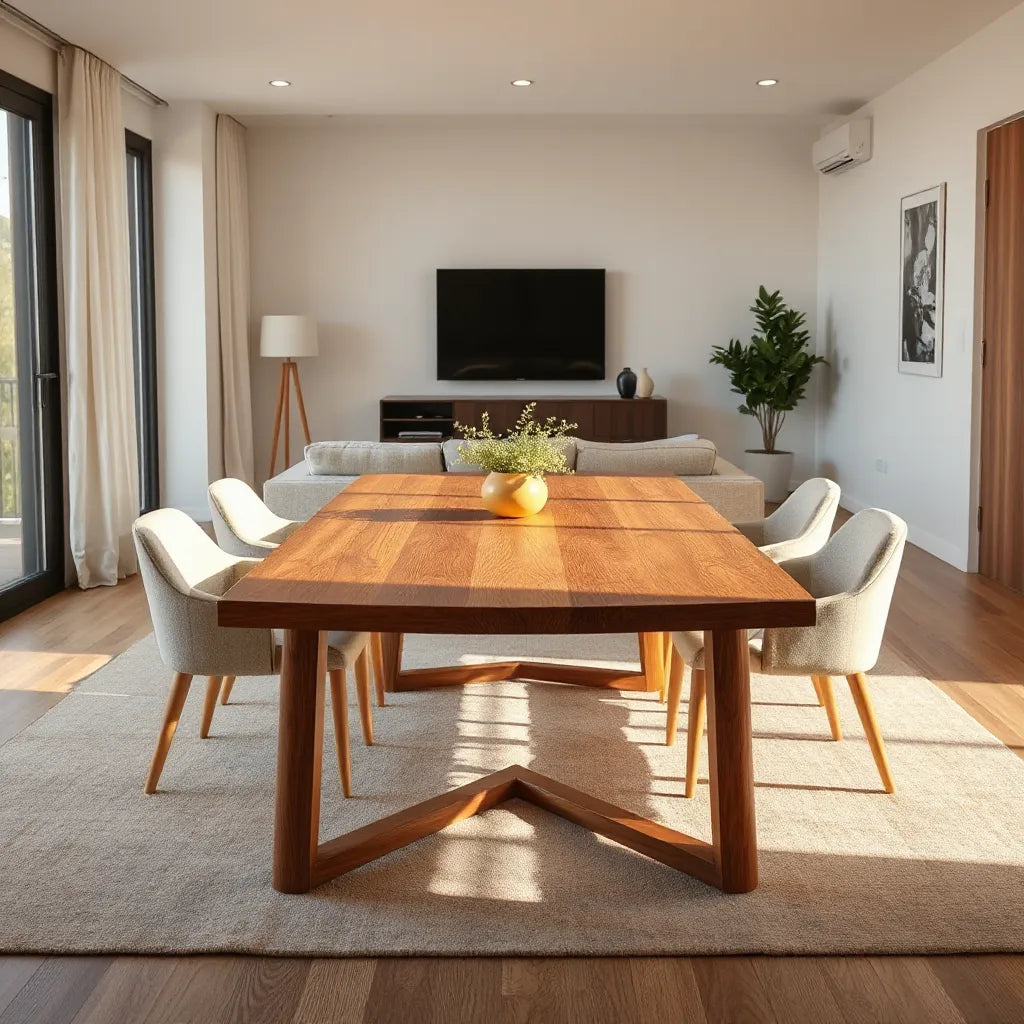
To see how a crafted table surface can fit into a living space, consider pairing a geometric centerpiece with coordinated seating. If you want additional inspiration for table-and-seating balance, you can explore seating options such as the Izumi chair for a clean, modern silhouette that complements structured surfaces.

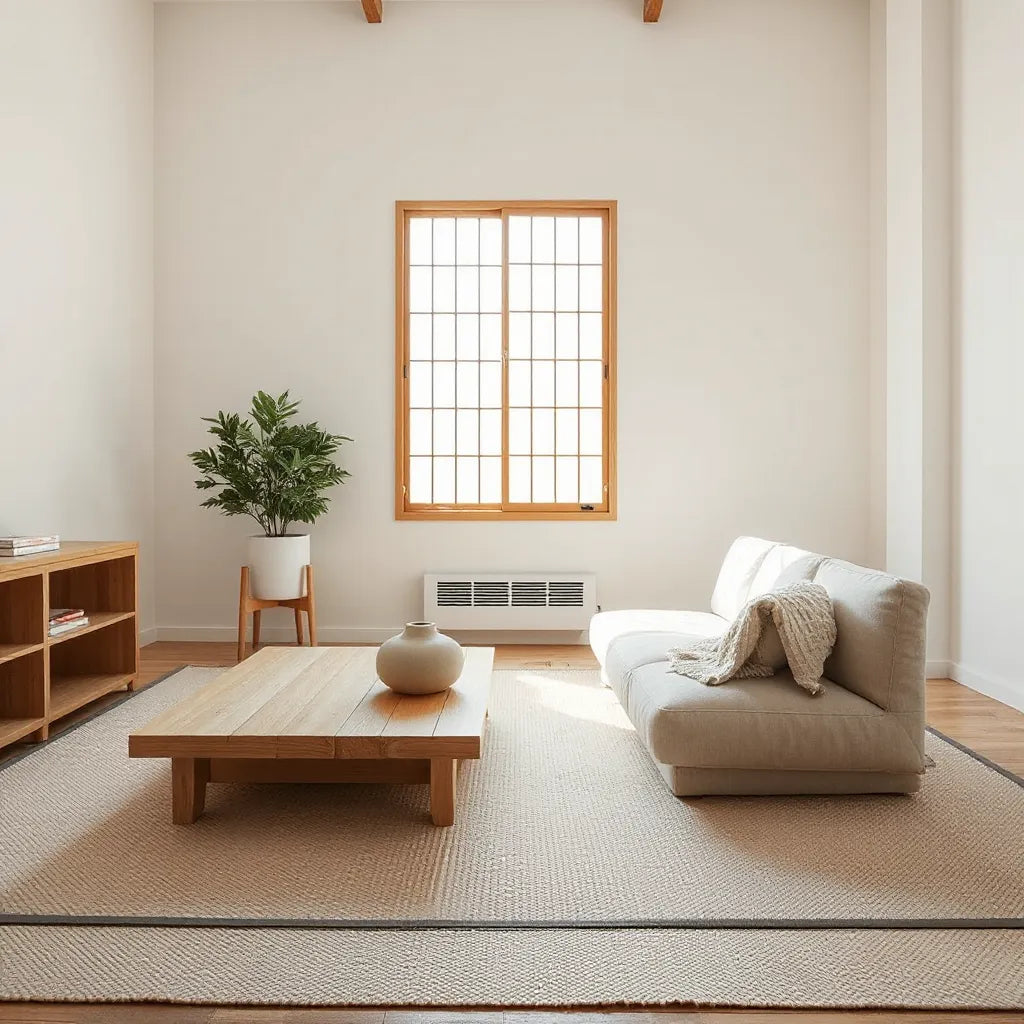
Home styling vignette with balanced neutrals and shadow
Another practical advantage is visual harmony with complementary cabinetry and storage. When the rest of the room uses straight edges or minimal detailing, the herringbone pattern table can bring movement without adding clutter. If you have nearby storage, consider matching the finish intensity so the room feels unified rather than mismatched.
Product integration: A crafted tabletop approach
If you want an example of how a decorative surface can function as a daily anchor, you can consider the following product selection and evaluate how its materials and proportions suit your space.
Ureshii Coffee Table

While the specific design details vary by model, the same selection principles apply: confirm size, assess finish, evaluate how light interacts with the surface, and style with items that support the motif rather than compete with it. A well-chosen coffee or dining table can improve both visual coherence and functional flow.
Summary & Next Steps
A herringbone pattern table is a strong design choice because it combines geometry with everyday practicality. You can make a confident selection by focusing on proportion, material suitability, and how the pattern will look with your flooring and lighting. When styling, prioritize minimal accessories, consistent color tones, and textures that support the motif.
- Measure your space and plan circulation around the table.
- Choose a finish that matches your lighting conditions and maintenance preferences.
- Style with simple elements that keep the zigzag pattern visually dominant.
- Review nearby furniture so the entire room looks cohesive.
If you are ready to refine your interior setup, start by identifying the table size you need and shortlist finishes that align with your current palette. Then, confirm your seating compatibility for a smooth, well-balanced look.
Q&A Section
How do I prevent the herringbone pattern from clashing with my flooring?
Begin by analyzing your flooring direction and overall visual intensity. If your flooring is highly patterned, choose a table finish that is calmer in tone and keeps accessories minimal. If your flooring is mostly solid or linear, a herringbone motif will usually integrate naturally. Lighting and placement also help: keep glare controlled and position the table so the main pattern is readable from your primary view.
What cleaning routine works best for a herringbone pattern table?
Use gentle, non-abrasive cleaning methods. Wipe the surface with a soft, dry cloth for routine dust removal, then use a lightly damp cloth when needed. Avoid harsh chemicals and abrasive pads because they can alter surface sheen over time. Place heat-protecting items under hot dishes and use coasters for beverages to reduce the risk of marks.
Should I match chair styles to the table pattern?
It is usually better to coordinate chair silhouette and finish rather than repeating the same pattern. A clean chair design, neutral fabric, and consistent wood tone often complement a geometric tabletop. If your chairs have decorative details, reduce the number of additional accessories so the table remains the room’s central visual anchor.
Is a herringbone pattern table suitable for small rooms?
Yes, provided you select a size that respects circulation and keeps the pattern readable. In compact layouts, choose a finish that does not overwhelm the room and limit additional patterns in textiles. A lighter tone and a modest footprint can preserve openness while still delivering the structured look of a zigzag design.
How can I style the table for a more formal look?
Use a simple centerpiece and controlled table settings. A runner or placemats in a solid color typically works best, paired with coordinated ceramics and glassware. Keep the number of decorative items limited and choose materials that reflect light softly. The goal is to frame the herringbone pattern rather than cover it.
About the Author
Nisu Home
Nisu Home is an interior and home-design focused retailer known for curating pieces that balance function with refined aesthetics. The team shares practical styling guidance, material awareness, and layout principles that help customers build cohesive spaces. This article reflects our emphasis on informed selection and responsible care. Thank you for reading, and we look forward to supporting your next design decision.

Leave a comment
This site is protected by hCaptcha and the hCaptcha Privacy Policy and Terms of Service apply.