

Updated on: 2026-07-28
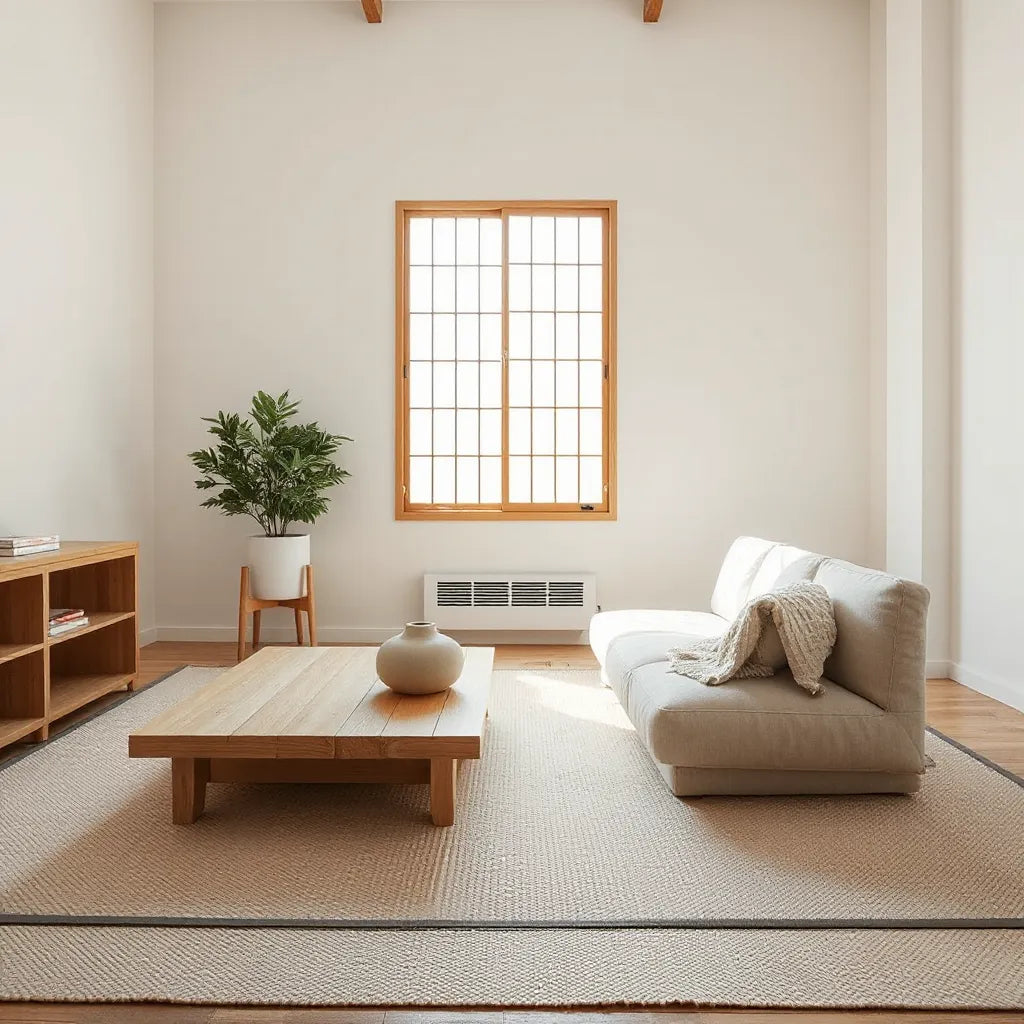
Japanese minimalist furniture supports a calm, functional interior with fewer, better-chosen pieces. It emphasizes proportion, clean lines, and purposeful storage so everyday items remain organized. When you select materials and finishes thoughtfully, the room can feel both warm and visually light. This guide explains key benefits, selection criteria, and practical steps to build a cohesive space that lasts.
Table of Contents
Japanese minimalist furniture: benefits that improve daily living
Japanese minimalist furniture is not only an aesthetic choice. It is a system for living with less visual noise while keeping practical comfort. The design approach typically favors simple forms, clear silhouettes, and storage that disappears into the overall layout.
To ensure the style performs well in real homes, you should evaluate it through three lenses: usability, spatial balance, and material honesty. When these elements align, the room often feels easier to clean, easier to maintain, and easier to enjoy.
- Visual calm through refined lines: Clean edges and balanced spacing reduce clutter and help the eye rest.
- Better organization: Many pieces integrate concealed storage or low-profile compartments.
- Flexible layout planning: Neutral colors and uncomplicated shapes adapt to changing needs.
- Material warmth: Natural grains and tactile finishes can make minimal spaces feel inviting rather than cold.
- Long-term value: Timeless proportions and durable build quality often support years of use.
Step-by-Step Guide to choose and arrange minimalist pieces
A successful minimalist interior is not built by adding more rules. It is built by making deliberate decisions that reinforce function and proportion. Follow the steps below to evaluate pieces, plan the layout, and style with restraint.
1) Start with the room’s function, not the design trend
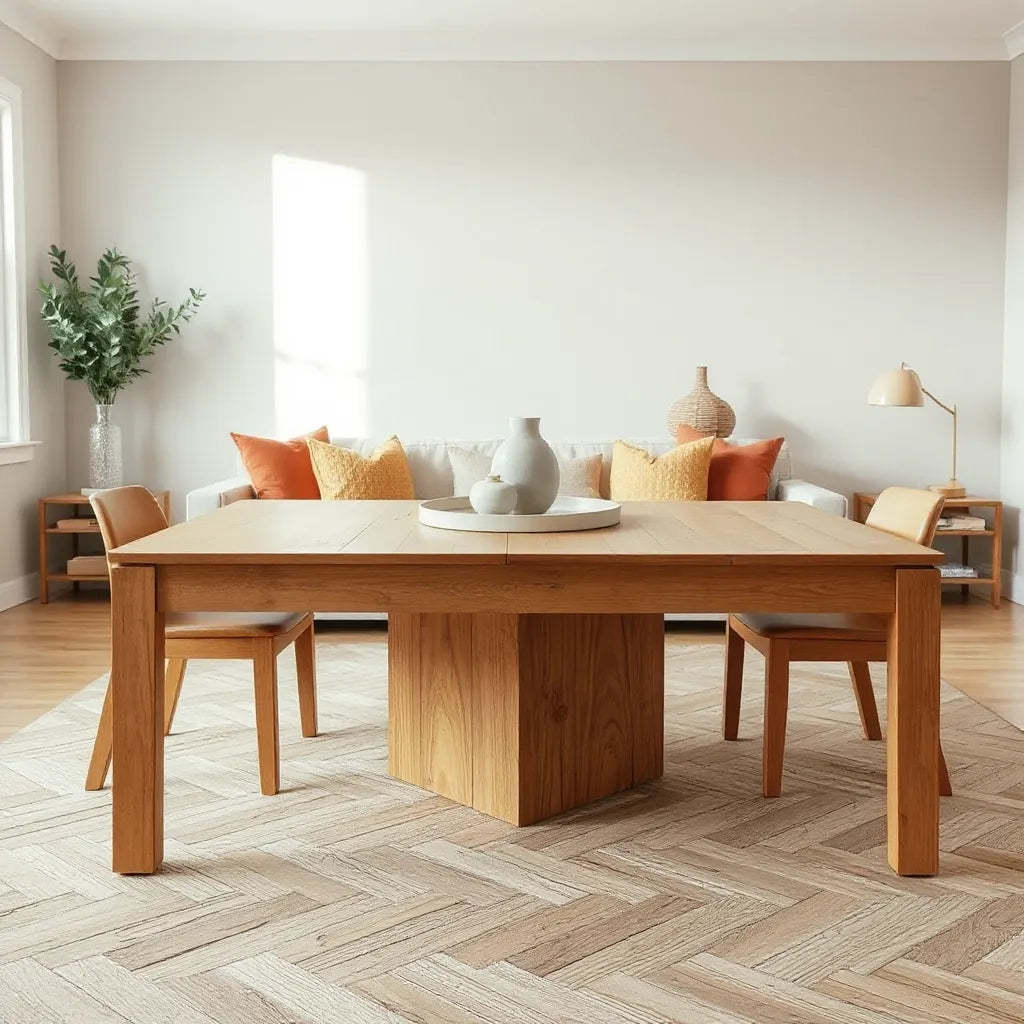
Begin by listing how you use the space. A living area needs clear circulation paths, surfaces for daily routines, and a seating arrangement that supports conversations or quiet work. A dining area requires stable seating height, sufficient clearance around the table, and a practical storage plan for table linens and daily items.
Japanese minimalist furniture works best when each piece directly supports an activity. If a piece does not serve a function within your daily rhythm, it will likely create visual weight without real benefit.
2) Measure for proportion and movement
Minimalist rooms can feel spacious even with more furniture, as long as spacing is intentional. Measure key distances: walking paths, door clearance, and the space needed when you pull out drawers or move chairs. For seating, verify that there is enough room to sit comfortably and stand without obstruction.
This step reduces common errors such as choosing an aesthetically pleasing sofa or cabinet that blocks movement. With correct measurements, the room will look balanced from multiple angles.
3) Pick a restrained palette with natural depth
Japanese minimalist furniture often uses neutral tones such as light oak, medium walnut, charcoal accents, or matte white finishes. Choose one primary wood tone and one secondary contrast. Then use textiles in calm shades to add softness without increasing visual noise.
As a result, surfaces look cohesive and the room appears intentionally composed rather than empty.

Balanced spacing cues with neutral floor and line accents
4) Evaluate materials for clarity and longevity
Minimalism highlights material quality because the design has fewer distractions. Look for finishes that protect surfaces from everyday wear while keeping the grain or texture visible. Wood can provide warmth, but it should also match your maintenance preferences. For metal or lacquer elements, verify that the finish looks consistent and resists smudging where hands frequently touch.
When you prioritize material clarity, the furniture can remain visually attractive even as trends evolve.
5) Choose forms that support a calm silhouette
In minimalist design, the silhouette matters. Pieces with overly complex carvings or highly reflective surfaces can dominate the room. Prefer straight or gently tapered profiles, thin legs that reveal floor space, and hardware that blends into the overall look.
For seating, consider designs that provide ergonomic support without bulky visual mass. For tables and storage, choose proportions that align with the scale of the room.
6) Use storage as a visual strategy
Japanese minimalist furniture frequently relies on concealment and zoning. Cabinets, sideboards, and low shelving can keep daily items out of sight. The goal is not to hide life, but to reduce the visual interruptions created by scattered objects.
Adopt a simple storage rule: store items where you use them, but keep surfaces mostly clear. When you do this consistently, the interior remains tidy even during busy weeks.
7) Style with negative space, not decoration
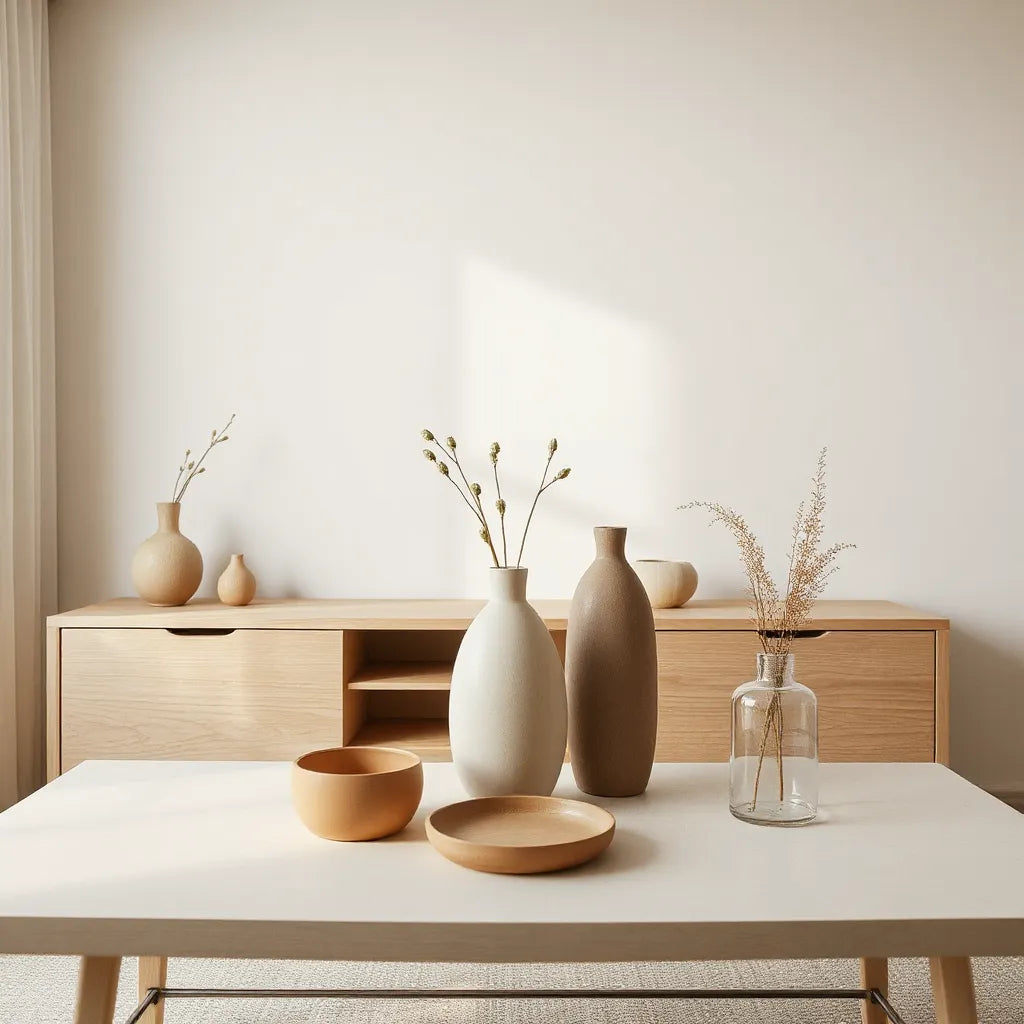
Minimalism often looks intentional because it uses negative space. Instead of adding many small objects, select a limited set of items with purpose. A single tray for everyday essentials, a framed print with generous margins, or a vase with minimal stems can provide balance.
When styling, ensure that the visual weight of decor does not compete with the furniture. If the room includes storage and seating in neutral tones, keep decor in a comparable range and use texture as the primary interest.
8) Plan lighting to enhance grain and calm contrast
Lighting changes how wood tone and matte finishes appear. Use layered lighting: one overhead source for general visibility and one secondary source such as a floor or table lamp for evening comfort. Warm lighting can emphasize wood grain and make neutral palettes feel richer.
Minimalist interiors benefit from soft light because it reduces harsh shadows and supports the feeling of order.
Practical piece-matching ideas for Japanese minimalist furniture
To make the selection process more precise, match pieces to the room by role. A minimalist home typically uses a small number of categories: seating, a primary table or surface, and storage. Each category should share a consistent tone and proportion system.
If you need a compact seating solution, consider chairs that keep sightlines open. For a dining space, chairs with slender profiles can complement simple table designs. For lounge or reading corners, select seating that supports comfort while maintaining a light silhouette.
If you are building a dining or bar area, it can be helpful to review seating options from your chosen retailer and confirm that their dimensions align with your layout. For example, you can explore additional seating styles at honin coffee table to better coordinate surface heights and room balance.
Similarly, if bar-height seating is part of your plan, compare chair height and leg spacing to ensure access and comfort. You may also evaluate your cabinet and table pairing by checking how neutral wood tones and matte finishes interact under your existing lighting.
When to add contrast and when to avoid it
Contrast can strengthen a minimalist scheme when used sparingly. Consider adding one dark accent through seating legs, a cabinet frame, or a textile texture. Avoid introducing multiple strong colors or heavy patterns, because they can interrupt the calm effect.
Japanese minimalist furniture typically performs best when contrast appears as a structural detail rather than an overall color shift.

Layered lighting over wood textures and clear surfaces
Common mistakes and how to correct them
- Overfilling surfaces: Limit flat displays. Use trays or baskets for essential items, and keep the rest stored.
- Ignoring chair and walkway clearance: Recheck dimensions after measuring; adjust seating angles if needed.
- Choosing mismatched wood tones: Pick a dominant wood family and allow one accent tone for balance.
- Adding too many decor objects: Reduce quantity and improve spacing between items.
- Underestimating storage needs: If clutter returns quickly, the storage plan likely needs revision, not additional decoration.
FAQ Section
What defines Japanese minimalist furniture compared with other minimalist styles?
Japanese minimalist furniture typically prioritizes proportion, quiet surfaces, and functional organization. It often includes design choices that support daily routines, such as storage solutions that reduce visible clutter. The look usually emphasizes natural materials, calm color ranges, and silhouettes that maintain open sightlines.
How do I keep a minimalist room from feeling empty?
Use texture, wood grain depth, and purposeful lighting rather than adding many objects. Select a small number of decor items with clear spacing, and include furniture with warm material finishes. Storage that remains mostly concealed also helps the room feel complete without looking crowded.
Can I use Japanese minimalist furniture in a small apartment?
Yes. The style is well suited to smaller spaces because it encourages efficient layouts and integrated organization. Focus on correct measurements, choose compact silhouettes, and prioritize multifunctional storage. Keeping walking paths clear is essential for comfort.
Summary & Final Thoughts
Japanese minimalist furniture helps you build a home that feels ordered, functional, and visually calm. By choosing consistent tones, confirming proportions, and using storage as a design tool, you can create a space that remains comfortable as your needs change. If you are ready to refine your interior, begin with one room and apply the steps methodically. For broader lifestyle inspiration, you can also review ideas from Party Savvy and adapt the principles of organization and clean presentation to your everyday environment.
Disclaimer: This article provides general design guidance for selecting and arranging home furnishings. Product availability, sizes, and specifications may vary by retailer and batch. For important fit and compatibility decisions, verify measurements and details directly from the product listing.
About the Author
Nisu Home is a home design and styling authority focused on practical minimalism, spatial planning, and material-focused interiors. The editorial team helps readers apply clear selection criteria to create calm rooms that support daily routines. Explore the site to find curated inspiration and guidance that aligns with your living space. Thank you for reading, and best wishes for building an organized, enduring interior.

Leave a comment
This site is protected by hCaptcha and the hCaptcha Privacy Policy and Terms of Service apply.