

Updated on: 2026-08-03
Bar stools for modern homes can transform both everyday routines and the overall look of a kitchen or dining area. The right stool balances height, comfort, materials, and stability while matching your interior style. This guide explains how to choose features that work for real spaces, from counter height to seating posture. You will also find practical setup tips, a pros-and-cons assessment, and common questions answered in a clear way.
Product Spotlight: Bar Stools for Modern Homes That Feel Intentional
Bar stools are no longer a purely functional accessory. In contemporary interiors, they often serve as a design focal point near counters, kitchen islands, and home bars. When you select bar stools for modern homes with purpose, you gain a seating solution that supports daily routines and improves visual cohesion.
Before choosing any stool, focus on five practical criteria: height alignment, comfort, base stability, finish and material, and style consistency. Each element influences how your space feels, especially during frequent use such as morning coffee, quick meals, and casual conversations.
1) Height that matches the space
Modern kitchens commonly mix different surfaces, such as islands, breakfast bars, and pass-through counters. The stool must align with the top of the surface to support a neutral seating posture. As a starting point, measure the counter or bar height and then choose a stool height that positions your thighs comfortably with feet supported. If the stool is too low, people tend to lean forward. If it is too high, legs may dangle and comfort decreases.
2) Comfort without bulky design
Comfort is not limited to thick cushions. Many modern spaces benefit from stools that have a well-shaped seat, supportive backrest design when needed, and a footrest that reduces strain. For shorter interaction periods, a seat with a comfortable contour can be sufficient. For longer seating, a slightly wider seat and a stable backrest can improve overall experience.
3) Stability and safety for everyday use
Stability matters more than many shoppers expect. A stool that shifts or wobbles can quickly reduce confidence, especially in a household with children or frequent guests. Look for a sturdy frame, a balanced base footprint, and materials that resist daily wear. Smooth surfaces should still provide appropriate grip so the stool feels secure.

Balanced seating concept with counter height and foot support
4) Materials that match your room lifestyle
Material selection can make the difference between furniture that looks refined and furniture that remains practical. Metal frames suit modern, minimal interiors and often provide a clean visual line. Wood offers warmth and a natural tone that blends well with Scandinavian, rustic-modern, or transitional designs. Upholstered seats can add softness, but they require mindful fabric care if your space sees heavy daily traffic.
When you evaluate materials, consider cleaning habits and exposure. For example, kitchens experience spills and splashes. A finish that wipes clean without special treatments generally reduces maintenance friction. In high-traffic areas, choose durable fabrics or easy-clean surfaces.
5) Style that integrates with your existing design
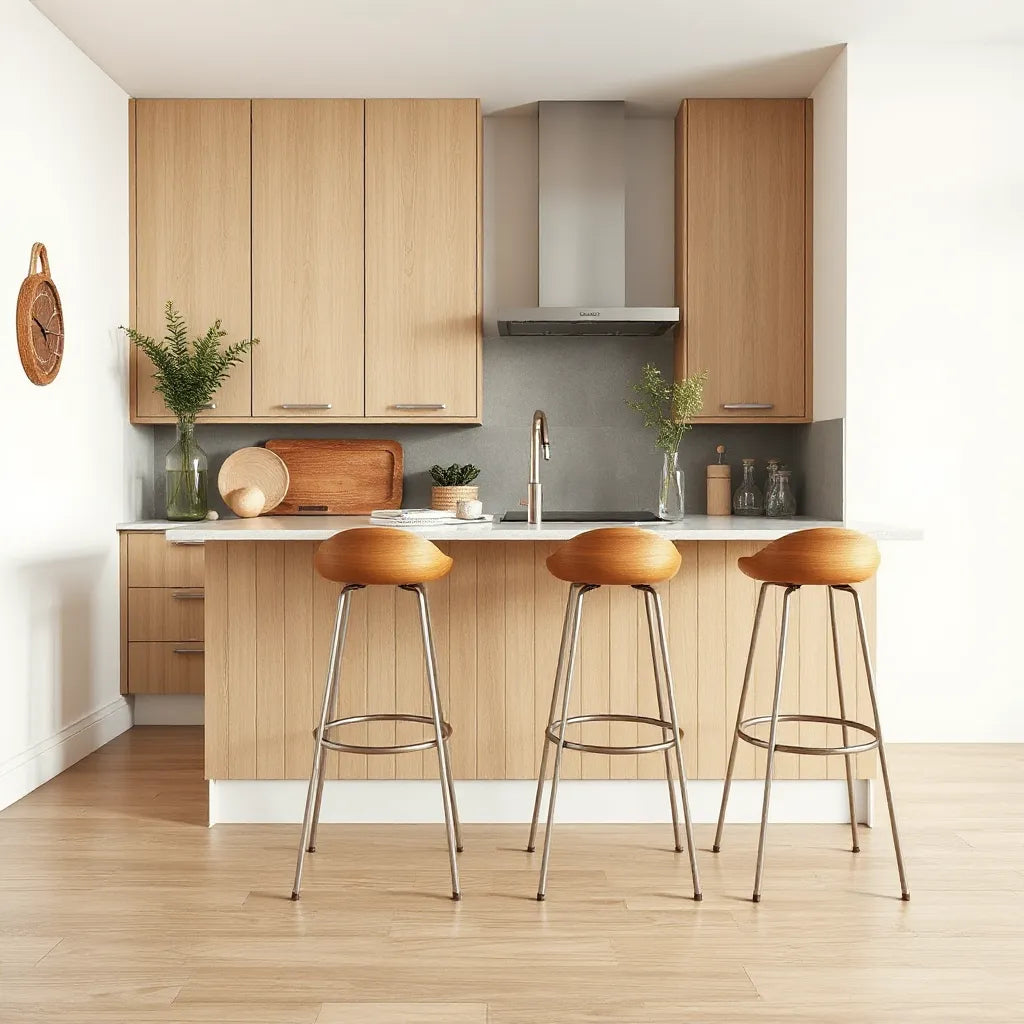
Modern homes typically feature consistent design language. That language may include simplified shapes, careful color selection, and consistent finishes across hardware or lighting. If your kitchen cabinets have warm wood tones and your lighting uses brushed metal, a stool that reflects those choices will look intentional. If your space is more monochrome, stools in matte black, neutral beige, or light gray can enhance the streamlined feel.
For style guidance, you can also explore coordinated seating options that align with modern design principles. If you want to compare silhouettes and seat profiles, visit Haruto bar stool to see how a contemporary approach to form and function can fit a modern layout.
Did You Know?
- Many modern seating plans use stools as “visual anchors” to define kitchen zones without adding bulky dining chairs.
- A footrest is not only comfortable; it also helps seated posture look more relaxed and less stiff during longer conversations.
- Frame geometry matters: wider base patterns often improve perceived stability even when stools look visually minimal.
- Color choice influences space brightness; lighter finishes can make narrow kitchens feel more open.
Small adjustments can produce a noticeable result. If you notice that people stand up often or shift positions, the height may be slightly off, or the seat width may not match the most common user profile in your household.
Pros & Cons Analysis
Selecting bar stools for modern homes is rarely about one feature. It is usually about trade-offs. The following checklist-style analysis helps you weigh the most common stool design decisions against everyday needs.
-
Pros: Height-appropriate stools improve posture. When seat height and counter height align, people sit more naturally and spend less effort adjusting.
-
Pros: Thoughtful materials simplify maintenance. Durable finishes and easy-clean surfaces reduce time spent on routine upkeep.
-
Pros: Cohesive style supports a modern look. Matching stool lines to cabinetry, lighting, or flooring creates a unified interior.
-
Pros: Compact seating helps flexible layouts. In many homes, stools allow you to keep walkways clear while still adding functional seating.
-
Cons: Wrong dimensions can feel uncomfortable quickly. A slight height mismatch can cause leaning or leg strain during repeated use.
-
Cons: Some designs prioritize appearance over seating comfort. Slim seats may look sleek but can reduce comfort for longer stays.
-
Cons: Upholstery may require more attention. Fabric seats can be a design win, but maintenance needs should be understood upfront.
-
Cons: Oversized bases may limit movement. Stools with very wide footprints can crowd smaller kitchens unless spacing is planned.
Quick spacing guidelines for a modern layout
Spacing is one of the most overlooked elements. Even a perfect stool can feel inconvenient if it blocks movement or forces people to sit awkwardly. Plan for comfortable leg clearance and room to pull the stool in and out. In a kitchen island setup, leave enough distance between stools so that both seated and standing users can move naturally.
If you entertain guests often, consider how different body types will sit. A small seat width may become a problem during longer gatherings. A footrest, when present, can improve comfort for a wide range of users.

Layout sketch showing clearance around an island seating area
How to Choose the Right Bar Stools for Your Home Style
To make the best decision, connect the stool selection directly to your home’s aesthetic and practical needs. Modern homes vary widely, so it is helpful to define your style direction before comparing options.
Scandinavian-inspired modern
If your home uses light woods, soft neutrals, and clean lines, consider stools with warm materials and subtle curves. Choose finishes that blend with your flooring or cabinet tones. A simple backrest or a minimalist frame can keep the look airy without feeling stark.
Industrial-modern blend
For spaces that include metal accents, darker finishes, and a more rugged texture palette, select stools with metal frames or strong, straight lines. A footrest can add practicality while maintaining the industrial character. Ensure the seating surface is comfortable enough for daily use.
Minimalist and monochrome interiors
In monochrome kitchens, bar stools for modern homes can serve as a refined accent. Look for consistent finishes and clean silhouettes. Matte textures often reduce visual glare and help the stool blend with modern surfaces like stone countertops.
Warm transitional modern
If your interior balances contemporary structure with traditional comfort, stools with wood tones and supportive seating features work well. This style benefits from subtle design details such as gently contoured seats or integrated footrests.
Complementary upgrades that improve the seating experience
Stools can be even more effective when paired with smart layout decisions and supporting elements. Consider the following upgrades:
- Lighting over the counter: Focused lighting improves atmosphere and makes the stool area feel intentional.
- Accessories that echo finishes: Match hardware tones, such as brushed metal or warm wood, to reinforce visual consistency.
- Simple storage: Keep frequently used items within reach so stools support daily routines without clutter.
If you want additional seating and coordination ideas, you may also review other furniture pieces available at Emi bar stool to understand how different seat shapes can affect comfort and visual rhythm.
FAQ Section
What height bar stools work best for a kitchen island?
Kitchen island stool height depends on the island surface height. Measure the counter height from floor to the top of the surface and select a stool that positions the seat so thighs sit comfortably and feet rest securely. If the seating feels cramped or people lean forward, the height selection likely needs adjustment.
Should bar stools have a backrest in a modern home?
A backrest is optional. For short meals and quick conversation, a backless stool can work well and supports a clean minimalist look. For longer seating periods, a backrest can improve comfort and help maintain posture. Consider how long guests typically stay and whether family members use the area frequently.
How many inches of space should be left between stools?
There is no single universal number because island widths vary. A practical approach is to ensure there is enough room for one person to sit without crowding the other and enough space to pull stools in and out easily. Measure your usable aisle width and test your movement patterns before finalizing the arrangement.
Are upholstered bar stools practical for kitchens?
Upholstered stools can be practical when the fabric and construction are suitable for kitchen use. Choose materials designed for regular cleaning, and consider stain resistance and care requirements. If your kitchen sees heavy daily activity, prioritize easy-clean seating surfaces and durable finishes.
Conclusion & CTA
Choosing bar stools for modern homes is a design decision with real daily impact. When you align stool height with your counter or island, prioritize stable construction, and select materials that fit your lifestyle, the result is seating that looks polished and feels comfortable.
If you want a cohesive modern look, compare stool silhouettes and comfort features across options and then confirm spacing in your specific room. For additional styling inspiration, you can also explore ideas for complementary home décor at Gems & Minerals Rock, where curated visual concepts can help you think about color, texture, and focal points.
Take the next step by selecting stools that match your space measurements and interior style. A well-chosen stool set elevates the entire kitchen experience.
About the Author
Nisu Home is a home lifestyle and interior presentation brand with a focus on practical design decisions for modern living. The author team specializes in furniture selection, layout planning, and material-based guidance that helps shoppers make confident choices. With an emphasis on clarity and durability, this content supports readers in building interiors that look refined and function reliably. Thank you for reading.

Leave a comment
This site is protected by hCaptcha and the hCaptcha Privacy Policy and Terms of Service apply.