

Updated on: 2026-10-15
Kitchen pendant lights can transform daily routines by improving task visibility and adding a clear design focal point. The right size, height, and light output help your kitchen feel balanced rather than cluttered. With practical selection criteria and careful placement, pendant lighting can support both cooking and social spaces. This guide explains how to choose styles that match cabinetry, ceilings, and your preferred atmosphere.
- Introduction
- Personal Experience or Anecdote
- Key Advantages
- Key Criteria for Choosing Kitchen Pendant Lights
- Quick Tips for Placement and Sizing
- Styles and Materials That Work in Real Kitchens
- Product Spotlight
- Summary & Next Steps
- Q&A Section
- About the Author
Introduction
Kitchen pendant lights are a practical and aesthetic upgrade for many homes. They provide focused illumination over key zones such as islands, prep counters, and dining areas, while also defining the visual style of the room. When pendant lighting is chosen with the right scale and installed at the correct height, the kitchen becomes easier to use and more comfortable to inhabit. The goal is not only brightness, but also clarity, contrast, and a cohesive atmosphere that fits your layout.
If you are planning a refresh, it helps to treat pendant selection as part of your kitchen design system. Ceiling height, cabinet finish, countertop material, and the spacing of seating all influence the final result. This guide covers the decisions that matter most, so you can select kitchen pendant lights with confidence and avoid common design mistakes.
Personal Experience or Anecdote
During one renovation consult, a homeowner described their kitchen as “nice, but visually flat.” The room had clean cabinetry, a modern backsplash, and a strong countertop, yet the center of the space did not feel intentional. The lighting consisted mainly of overhead fixtures that spread light evenly, but did not create a clear focal area above the island.
Once we added properly sized pendant lights over the island, the difference was immediate. The homeowners noticed better visibility for meal prep and a calmer feel during evenings. Even with no other changes, the kitchen looked more layered and more “finished,” because the lighting started to match the geometry of the room.
Key Advantages
Improved task lighting: Pendants can be directed where you need light most, such as chopping surfaces and stovetops near an island line.
Clear design focal point: A pendant cluster or single statement fixture draws attention to the island or dining corner.
Better layering: Pendants complement recessed lighting, under-cabinet lights, and ambient ceiling fixtures.
Flexible style matching: Metals, glass, and woven textures can align with modern, transitional, and warm minimalist aesthetics.
Upgradable without full renovation: Changing fixtures, bulbs, or dimming settings can refresh the entire room.
Key Criteria for Choosing Kitchen Pendant Lights
Choosing kitchen pendant lights is easier when you evaluate them through a small set of criteria. Focus on light behavior first, then on scale and style. When these fundamentals align, the decorative details look intentional rather than random.
1) Determine the correct fixture size
Start by estimating the island or dining surface dimensions. A pendant should fit the space without overwhelming it. As a general approach, wider islands often support multiple pendants, while smaller counters can use one well-proportioned fixture. If the shade is too small, the light looks disconnected from the work zone. If it is too large, it can dominate sight lines and feel cramped.
2) Match light output to the kitchen task level
Even the most attractive design will underperform if the brightness is incorrect. For cooking zones, select bulbs and fixtures that deliver dependable illumination. Many kitchens benefit from a warmer tone for evening comfort, paired with clear visibility for prep. If your kitchen has dark cabinetry or low-gloss finishes, you may prefer brighter output to maintain balance.
3) Choose a shape that supports workflow
When a pendant shade directs light downward, it supports task visibility. Wider shades spread illumination across a larger area. Taller or narrow shades can work in higher-ceiling spaces, while shorter ceiling clearances may require a more compact profile. If you frequently use the island for multiple tasks, consider lighting coverage rather than only aesthetics.
4) Plan the visual relationship to ceilings and cabinetry
Ceiling height and the cabinet style influence how far pendant lights visually “drop” into the room. A modern kitchen with sleek lines typically pairs well with clean metal finishes and crisp geometric shapes. A warmer, traditional kitchen often looks best with softer forms, diffused glass, or finishes that echo hardware and faucets.
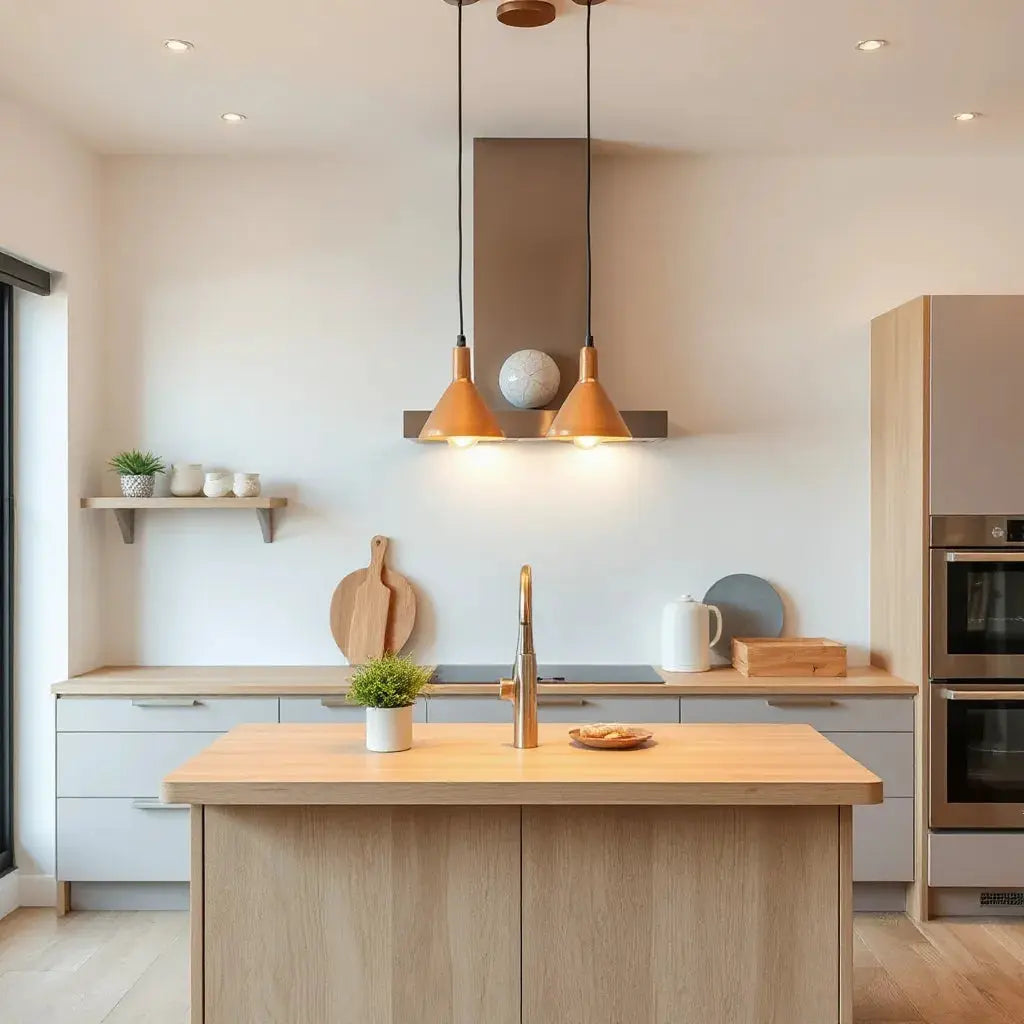
Island lighting: ceiling height, shade shape, and spacing cues
Quick Tips for Placement and Sizing
Great pendant placement is what makes the lighting feel professional. Small adjustments can improve symmetry, reduce glare, and keep the fixture comfortable to live with. Use these short steps to refine your plan before purchase or installation.
Center the pendant over the work zone: Align the fixture with the island edge, cooking center, or seating line, depending on your primary use.
Maintain a comfortable clearance: Ensure the pendant is high enough to prevent bumping and low enough to illuminate the surface effectively.
Balance the number of pendants: A single pendant can work for smaller surfaces. Multiple pendants can create rhythm, but spacing must remain even to avoid visual clutter.
Use dimming when possible: Dimming supports evening dining, while full brightness supports cooking and cleanup.
Consider glare and reflection: Glossy countertops and polished tiles can reflect light. Shades that diffuse light help reduce harsh glare.
Coordinate with under-cabinet lighting: Pendants should not fight the under-cabinet glow. Consistency creates a calmer visual pattern.
Styles and Materials That Work in Real Kitchens
Kitchen pendant lights come in many designs, but successful kitchens usually share a consistent material story. Metals often match faucets or cabinet hardware. Glass and diffusers influence softness. Textures can add warmth when used carefully.
Metal finishes for modern clarity
Brushed nickel, matte black, and warm brass are common in kitchen lighting. Matte black can provide contrast against light walls and cabinetry. Brushed nickel often feels clean and timeless. Warm brass can create a gentle heat that pairs well with wood tones and beige neutrals. Select one primary metal finish and repeat it in details around the room for a cohesive result.
Glass and diffuser choices for comfortable light
Glass shades can range from clear to frosted. Clear glass highlights the bulb, which can be desirable with decorative filament styles. Frosted glass reduces glare and gives a softer, more uniform glow. If your kitchen is frequently used at night, diffused lighting is often the easiest way to maintain comfort.
Fabric and woven textures for warmth
Woven shades can add texture and soften the look of stainless appliances and hard surfaces. When choosing textured materials, ensure the shade remains easy to maintain and does not trap dust in visible areas. Pairing texture with a simpler metal framework helps the design stay balanced.
Linear pendants for islands with clean geometry
For long islands, linear fixtures or multiple pendants arranged in a deliberate row can align with the countertop edge. This approach supports consistent illumination across the length of the workspace. When the kitchen has a straight backsplash line and uniform cabinet spacing, linear arrangements often look especially natural.
Product Spotlight
If you want a reliable design direction, it helps to review an example fixture style and how it could integrate with your ceiling and island proportions. Below is a featured option that many homeowners consider when refining their kitchen lighting plan.
Luna Light

View Luna Light
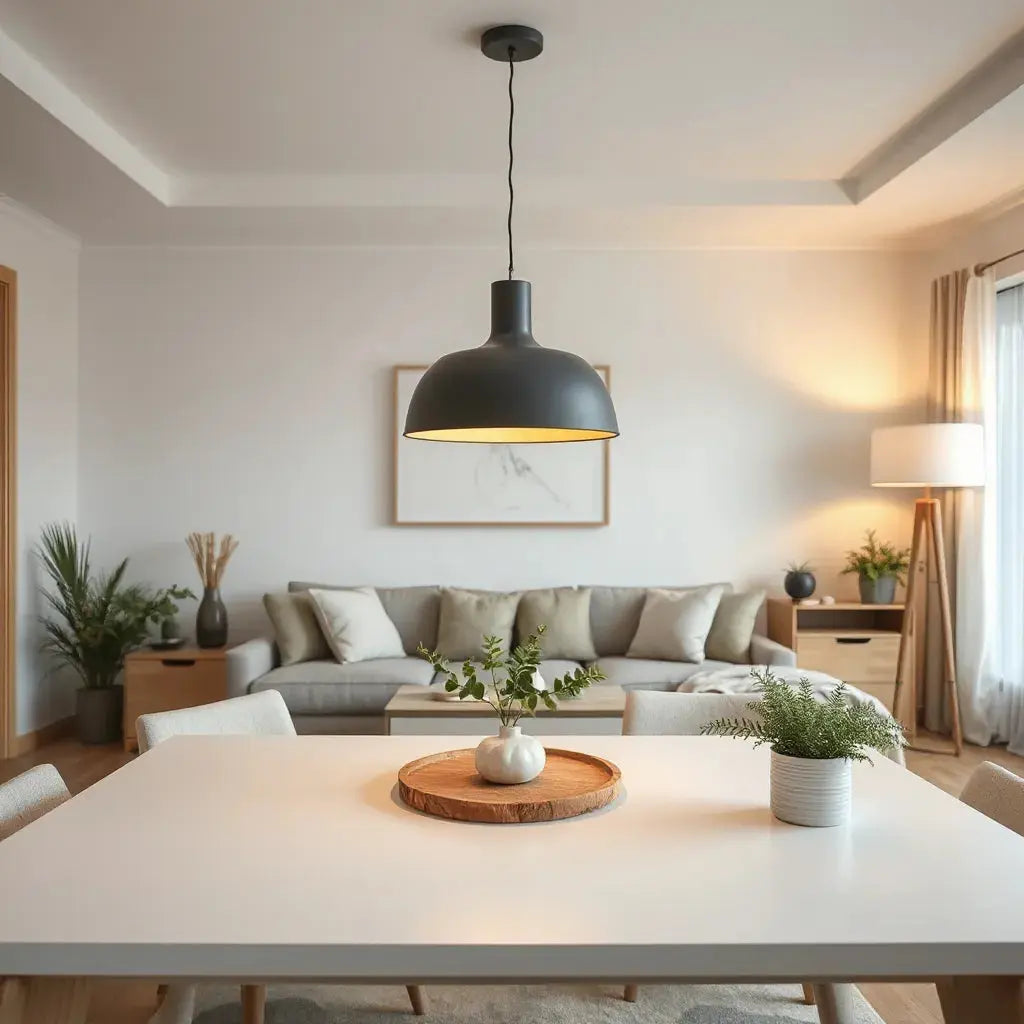
Use this fixture as a reference point for your own selections. Think about how the shade style would distribute light over your countertop, and how the finish would coordinate with your hardware. For additional room harmony, you can also match the pendant lighting mood with seating forms. If your island includes bar seating, consider how the chair style relates to the pendant silhouette.
Summary & Next Steps
Kitchen pendant lights succeed when they are selected as part of a system: size, height, brightness, and style must work together. Start with the island or seating layout, then choose the fixture profile that supports your tasks. Layer lighting by pairing pendants with under-cabinet illumination and ceiling sources. Finally, refine the mood with dimming so the kitchen performs in daytime cooking and nighttime dining.
Next, measure your island width, decide whether you need one pendant or a group, and compare finishes against cabinet hardware. If possible, test the look by observing how the chosen bulb tone affects reflections on your countertops.
Q&A Section
How do I choose the right height for kitchen pendant lights above an island?
Plan for safe clearance and effective illumination. Measure from the counter surface to the bottom of the pendant shade, then ensure there is enough space for movement and daily use. For task lighting, the fixture should be low enough to light the work zone, but high enough to avoid glare and accidental contact. When unsure, confirm with your ceiling height and the height of any seated activities.
Should I use one pendant or multiple pendants over a kitchen island?
Multiple pendants are often suitable for wider islands because they can distribute light more evenly. A single pendant can work well for smaller surfaces or when you want a minimal, focused design statement. The key is visual balance: spacing between pendants should be consistent, and the group should align with the island width so the light coverage feels intentional rather than scattered.
What bulb color temperature works best for evening comfort?
Many kitchens benefit from warmer bulb tones for evening use because they create a softer ambiance. Brighter and cooler tones can be useful for daytime tasks, but they may feel harsh during dining. If your pendant fixtures support dimming, you can fine-tune comfort across different activities without changing the overall design.
How can I prevent glare on glossy countertops?
Glare typically appears when light sources reflect directly off shiny surfaces. Choose shades with diffusion, use appropriate bulb placement, and consider rotating or adjusting the shade angle if your fixture design allows. Consistent under-cabinet lighting can also reduce strong contrast that contributes to visual discomfort.
Do pendant lights need to match other kitchen hardware exactly?
Exact matching is not required, but coordination matters. Select one primary metal finish and repeat it in at least one other element such as faucets, cabinet pulls, or ceiling accents. When there is a mismatch, ensure the undertones are compatible; warm metals generally pair best with warm wood and beige tones, while cool metals align more easily with gray and crisp white palettes.
About the Author
Nisu Home is a home and interior design-focused publication with expertise in lighting, layout planning, and cohesive kitchen styling. The author draws on practical guidance to help readers make confident decisions for everyday spaces. If you are refining your kitchen look, the right pendant choice can improve both function and atmosphere. Thank you for reading and for investing in a more purposeful home.

Leave a comment
This site is protected by hCaptcha and the hCaptcha Privacy Policy and Terms of Service apply.