

Updated on: October 19, 2026
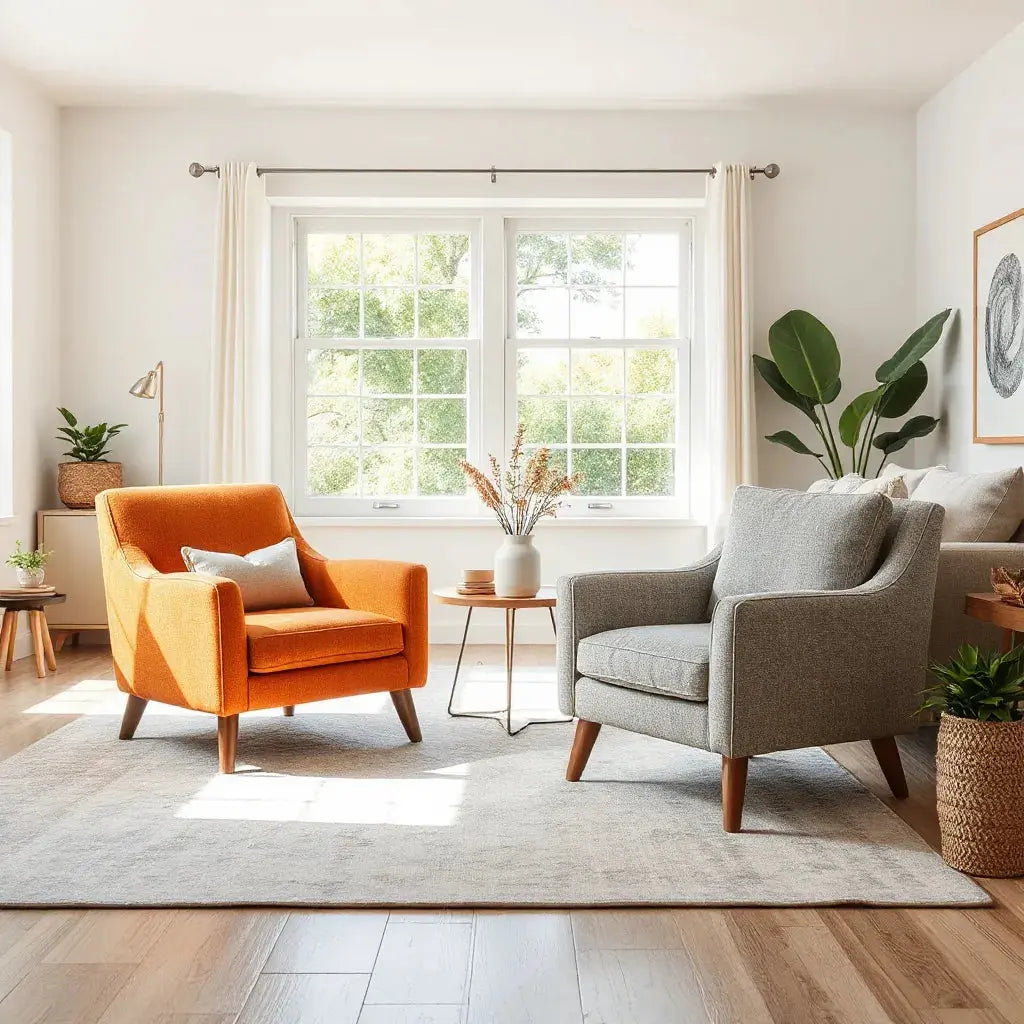
Stylish accent chairs are one of the most efficient ways to upgrade a room without redesigning the entire space. The right design adds color, texture, and visual balance while supporting everyday comfort. Thoughtful placement and sizing help your chair look intentional rather than accidental. This guide explains how to choose, style, and maintain accent chairs for a polished result that endures.
Key Benefits of Stylish Accent Chairs
Stylish Accent Chairs deliver both aesthetic impact and practical value. They can serve as a focal point, a functional seat, or a design bridge between different furniture pieces.
- Instant visual structure: An accent chair defines a corner, creates symmetry, or balances a sectional or sofa.
- Flexible styling: You can switch the overall look with throw pillows, a blanket, or a seasonal upholstery theme.
- Improved room function: They provide an extra seat for guests, a reading spot, or a landing place for bags and everyday items.
- Material and texture variety: Upholstery, wood finishes, and metal details offer visual depth without major renovations.
- Design coherence: The chair can tie together flooring tones, wall colors, or nearby decor elements.
Step-by-Step Guide to Choose and Style Stylish Accent Chairs
Selecting an accent chair is a design decision with measurable outcomes. Start with the room’s needs, then move toward proportions, comfort, and finishes. Finally, refine the styling so the chair feels integrated.
1) Identify the role of the chair in your space
Before selecting a style, decide how the chair will function. Some spaces require a reading or work seat near a lamp. Others need an extra seat in a living area, or a decorative element in a bedroom corner. When the purpose is clear, it becomes easier to choose a chair with the correct height, seat depth, and arm style.
2) Measure for proportion and traffic flow
Proportion affects both comfort and visual appeal. Use these checks:
- Clearance: Leave enough space for walking paths and for the chair to open fully if it has a swivel function.
- Seat height alignment: Match the chair to nearby furniture heights so your eyes read the room as intentional.
- Arm width and landing space: Ensure arms do not crowd the side of a coffee table or block access to drawers.

Diagram of room spacing and furniture alignment
3) Choose a style direction that matches your existing decor
Accent chairs work best when they complement the rest of your furniture. Consider three common design directions:
- Modern and minimal: Look for clean lines, neutral upholstery, and refined legs.
- Transitional: Combine subtle curves with classic materials for a calm, adaptable look.
- Eclectic: Add one distinct element such as a bold color, patterned fabric, or sculptural silhouette, while keeping the surrounding pieces simple.
If you want dependable cohesion, select a chair that shares at least one visual cue with nearby items, such as wood tone, metal color, or the direction of lines.
4) Select upholstery and finishes for texture and durability
Upholstery influences how the chair looks in daylight, under evening lighting, and across seasons. For a polished result, balance appearance with performance.
- Fabric feel: Velvet-like textures add depth, while performance weaves can support everyday use.
- Color strategy: Choose either a complementary tone or a contrast tone that pulls from the room’s palette.
- Finish harmony: Match or intentionally contrast the chair legs with nearby hardware and frames.
When your room includes multiple materials, the chair should echo one primary material and add a secondary texture. This approach prevents the chair from looking disconnected.
5) Place the chair where it creates a clear design moment
Placement determines whether the chair appears like an accent or an afterthought. Strong placement options include:
- Near natural light: A chair by a window reads refined and makes the upholstery color more accurate.
- Opposite a sofa: A pair of accents can create conversation flow if space allows.
- At the end of a console or credenza: It can soften hard edges and add a human scale.
If your room is compact, a single chair can still anchor the space. Select a design with a lighter visual footprint through slimmer arms or legs.

Styling scene showing pillows, lamp, and textured rug layers
6) Style with accessories that increase polish
Accessories help your accent chair look curated rather than temporary. Use a limited palette and apply the following guidelines:
- Throw pillow proportions: Prefer two pillows that vary slightly in size to create depth.
- Blanket placement: Drape it casually over one arm or the seat edge for relaxed elegance.
- Lighting support: Pair the chair with a floor lamp or table lamp to highlight the chair’s silhouette.
- Rug coordination: Ensure the chair sits on the same rug, or align it with a rug border to maintain continuity.
7) Maintain a clean look through routine care
Regular care preserves both appearance and structure. Start with basic habits:
- Vacuum or brush: Remove dust from upholstery and crevices.
- Spot cleaning: Use manufacturer-approved methods and test in an inconspicuous area.
- Rotate cushions: If the chair includes removable cushions, rotate them to minimize uneven wear.
- Protect from harsh exposure: Keep the chair away from direct sunlight when possible to reduce fading.
Consistent maintenance is the difference between a chair that looks new and one that becomes visually tired.
8) Avoid common selection mistakes
Many design issues come from a few predictable errors. Consider the following:
- Overlooking scale: A chair that is too large overwhelms a small living room, while a chair that is too small can look lost.
- Ignoring color undertones: Warm fabrics may clash with cool-toned woods, especially near lighting.
- Choosing style without purpose: An accent chair should match how you actually use the space, not only how it looks in a catalog.
- Overdecorating: Too many competing patterns can flatten the chair’s silhouette. Keep accessories cohesive.
How to Match Accent Chairs to Different Rooms
Stylish accent chairs adapt well across home environments. The key is to match the chair’s visual language to the room’s function and lighting.
Living rooms
In living rooms, an accent chair should create balance. Place it near a side table and lamp to form a reading or conversation zone. If your sofa has strong lines, consider a chair with complementary geometry. If your sofa is rounded or textured, choose a chair that adds a stabilizing contrast through sharper edges or a refined base.
Bedrooms
In bedrooms, accent chairs often become a practical landing spot. A chair with supportive arms can support dressing routines. Choose upholstery that visually softens the room, such as textured neutrals or calm tones. Coordinate the chair with bedding colors or wood frames to prevent visual separation.
Home offices
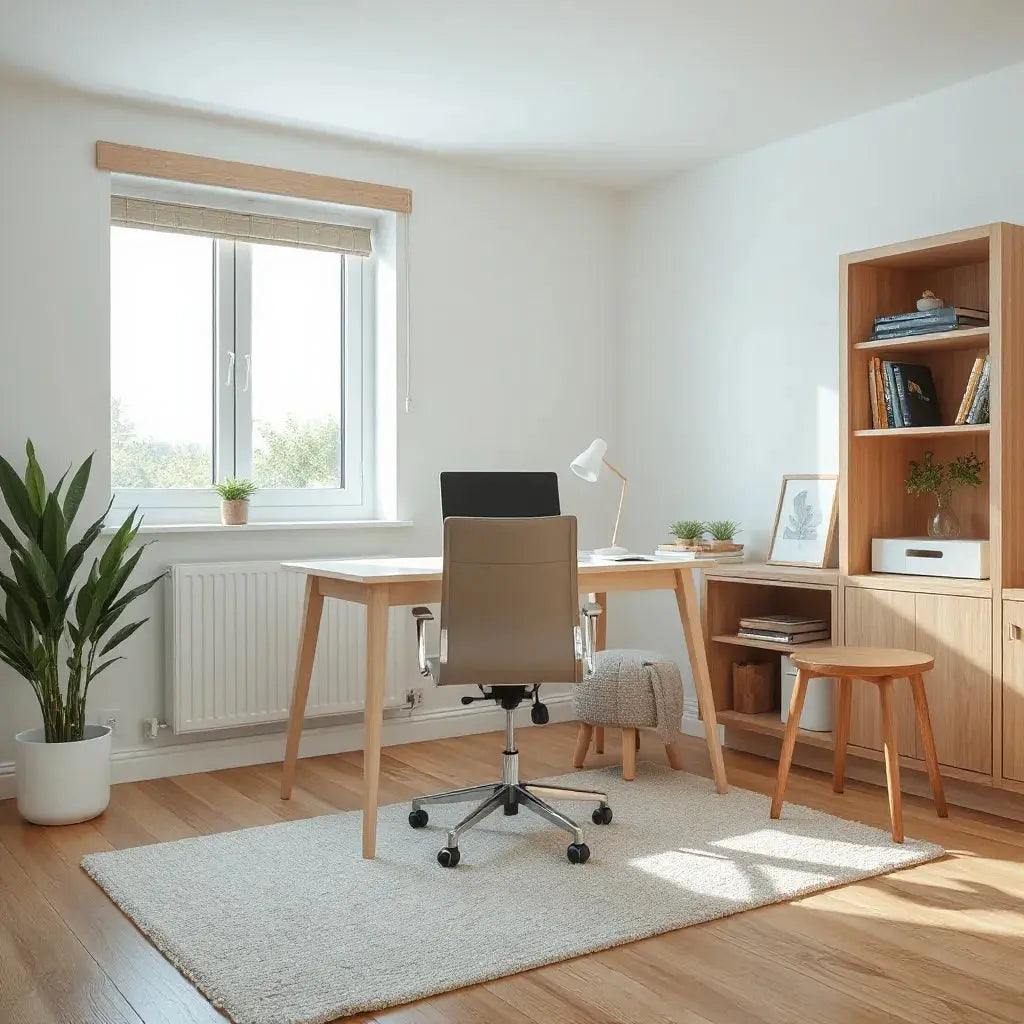
An accent chair in an office can elevate comfort for breaks and light reading. For a cohesive look, align materials with the desk and shelving. Keep the chair silhouette clean so it does not compete with work surfaces. If the office includes a task chair, the accent chair can serve as a separate zone that feels more personal and relaxed.
Entryways and reading corners
When space allows, place an accent chair near a small side table. This creates an immediate welcome moment and improves day-to-day usability. Select durable finishes for entry areas because they endure frequent movement, bags, and quick changes in weather.
When you compare designs across rooms, prioritize consistency in undertones and silhouettes. This method produces a home that feels curated rather than assembled.
FAQ Section
How do I choose the right size for Stylish Accent Chairs?
Start with room measurements and clearance. Confirm the chair seat height works next to your main seating, and ensure there is enough space for movement around the chair. If you are unsure, prioritize chair leg visibility and arm width, since both influence perceived size.
What colors work best for an accent chair in a neutral room?
In neutral spaces, contrast adds personality without destabilizing the palette. Consider a deeper shade of the same undertone, a muted jewel tone, or a texture-forward fabric that reflects light differently. If you want a safe option, select a slightly warmer or cooler neutral and build contrast through pillows and a throw.
What maintenance steps keep an upholstered accent chair looking new?
Vacuum regularly to reduce dust buildup, and address small spots quickly using manufacturer-approved methods. Rotate cushions if the chair design allows it, and avoid direct sunlight when feasible. Routine care maintains color depth and reduces premature wear.
Summary & Final Thoughts
Stylish accent chairs offer a fast, high-impact way to upgrade your interior with clarity and comfort. When you select the right role, measure proportions, and align upholstery choices with your existing palette, the result looks intentional and refined. If you are ready to elevate a space, choose one chair that anchors your design and style it with a focused set of accessories. For further inspiration, review your room dimensions and test accessory pairings until the chair feels like a natural part of the layout.
About the Author
Nisu Home brings practical, design-forward expertise in home styling and product selection. The author focuses on helping readers make confident furniture decisions by connecting proportion, texture, and daily usability. Their work emphasizes long-term satisfaction through thoughtful planning and clear, objective guidance. For more resources, continue exploring modern home design insights and apply them to your own space.
Disclaimer: This article provides general guidance for home styling and furniture selection. Always review manufacturer instructions and care recommendations for specific products.

Leave a comment
This site is protected by hCaptcha and the hCaptcha Privacy Policy and Terms of Service apply.