


Updated on: 2026-10-14
Chic Lighting Fixtures can elevate a home by combining strong design with reliable everyday function. The right lighting balances brightness, color temperature, and placement so spaces feel comfortable and intentional. This guide explains how to choose styles, plan layouts, and avoid common mistakes. You will also find practical tips for dimming, layering, and maintenance, along with clear answers to common questions.
Lighting is one of the fastest ways to change how a room looks and feels. When done well, Chic Lighting Fixtures provide more than illumination. They add structure to the design, highlight key features, and create a mood that matches daily life. A well-planned lighting system also makes spaces more functional, such as improving task visibility in kitchens and reducing glare in living rooms.
Choosing the right fixtures requires more than selecting a “pretty” design. You must consider light color, beam spread, placement height, and how each layer interacts with surrounding materials. The goal is to create a balanced glow that looks composed during the day and feels welcoming at night.
In this article, you will learn a practical method for selecting chic fixtures for any space. You will also receive guidance on how to build layered lighting, coordinate finishes, and maintain performance over time.
Step-by-Step Guide
1) Define the room’s purpose and desired mood
Start by describing what the room needs to accomplish. A dining area may require even light for conversation, while a home office needs focused clarity. Then decide what mood you want to reinforce. For a calm atmosphere, choose warmer color temperatures and softer diffusion. For a more energetic look, use neutral tones and slightly higher brightness.
Write down two or three priorities. For example, “comfortable evenings” and “no harsh glare.” These priorities will guide decisions on fixture style, placement, and bulb selection.
2) Choose a design direction that fits the architecture
Chic lighting is often characterized by thoughtful proportions, refined finishes, and clean silhouettes. To select the right direction, consider the architecture and existing decor. If the space has streamlined furniture and minimal surfaces, select fixtures with simple geometry and consistent metals. If the space includes traditional details, consider fixtures with more decorative structure, such as curved arms or layered shades.
Use a finish strategy. Most homes look cohesive when you limit metal tones. If your room already uses black hardware and dark frames, repeating a compatible dark finish on lighting creates visual continuity.

Balanced lighting sketch: zones, beams, warm glow icons
3) Plan layers: ambient, task, and accent
The most flattering spaces usually use layered lighting rather than a single overhead source. Treat ambient light as the baseline, task light as the practical support, and accent light as the design emphasis.
- Ambient lighting: Creates general brightness. Examples include flush mounts, semi-flush fixtures, and ceiling pendants.
- Task lighting: Improves visibility for work, grooming, or reading. Options include wall-mounted lights, table lamps, and focused pendant placements.
- Accent lighting: Adds drama and depth. Use it for artwork, architectural features, and textures through wall grazing or adjustable spot lighting.
When you plan layers together, the room feels styled and functional. It also reduces shadows that can occur when only one fixture is used.
4) Select the right color temperature and brightness
Color temperature strongly affects comfort and perceived color accuracy. A warmer light typically feels more inviting for living rooms and bedrooms. A neutral tone often suits kitchens and offices. Always check bulb specifications and match them to the room’s purpose.
Brightness should correspond to how the space is used. Rather than relying only on wattage, consider lumens and how the fixture distributes light. A decorative fixture may appear bright visually, but if the distribution is narrow, it may not provide adequate coverage.
For layered systems, balance higher ambient output with softer accent levels. This approach maintains contrast without creating hotspots.
5) Match fixture scale to the room size
Scale affects whether lighting looks intentional or awkward. A common mistake is choosing a fixture that is too small for the ceiling height or the wall area. Measure the available space, then estimate the fixture’s visual weight relative to furniture and decor.
For pendants, pay close attention to hanging height. Too low can feel crowded, while too high may reduce the impact. For wall lights, keep proportions aligned with the artwork or mirror size.
If you are styling a dining area, the pendant line should relate to the table width. For a coherent look, select fixtures that visually center over the table and maintain consistent spacing.
6) Coordinate materials and finishes for a chic, unified look
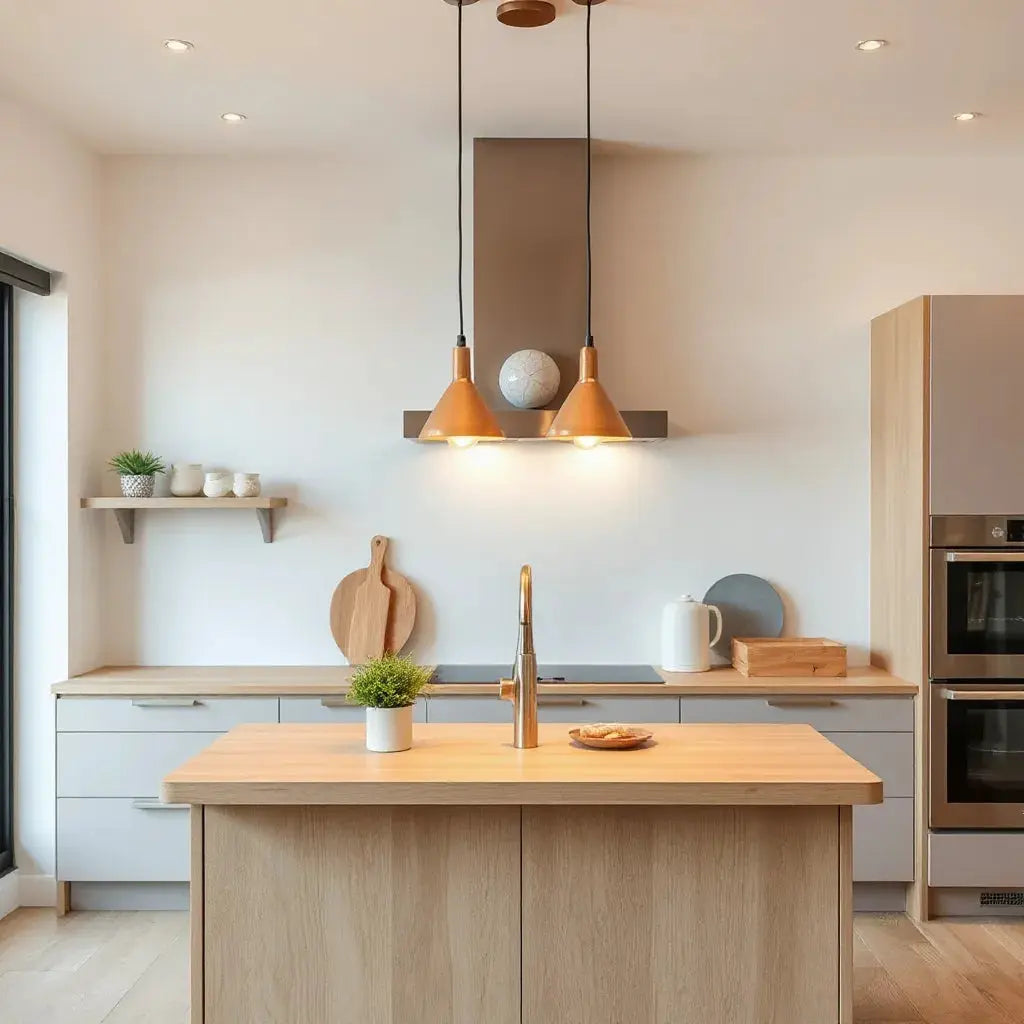
Chic Lighting Fixtures often share a consistent design language. To achieve this, coordinate finishes such as matte black, brushed brass, chrome, or soft white. Select complementary metals rather than mixing several bold tones.
Also consider how materials interact with light. For example, glass shades create brightness and softness, while fabric or linen diffusers can add warmth. Textured finishes can hide minor imperfections and add dimension when lit from multiple angles.
When you coordinate finishes, the space looks curated, even if fixtures differ in type. A consistent finish family ties the lighting together.
7) Add dimming controls where it improves comfort
Dimming is not only decorative; it improves comfort by letting you adjust brightness for different activities. Lower settings feel cozy for evenings, while brighter levels support tasks like cleaning or hosting. Confirm compatibility with your bulb type and the dimmer rating before purchase.
If you plan to update lighting across a home, prioritize dimming in the living room, bedroom, and dining area first. These zones typically benefit from flexible mood control.
8) Use placement guidelines to prevent glare and shadows
Placement determines how light travels across surfaces. Aim to avoid direct glare in sightlines. If the fixture has exposed bulbs, consider shades or diffusers to soften the beam. For reading areas, place task lighting so that it supports the activity without shining into eyes.
For accent lighting, position carefully so that highlights reveal texture rather than washing it out. In hallways, consider symmetrical placement to create a steady visual rhythm.
If your home uses wall art, ensure the accent layer does not cast harsh shadows across frames. A small adjustment in angle can significantly improve the look.

Layered room diagram: ambient ceiling glow, task hotspot
9) Test the final effect with light layering and real bulbs
Before finalizing, test the system with the selected bulbs. Turn on one layer at a time to understand how each fixture contributes. You are aiming for a smooth gradient rather than sudden bright zones.
Pay attention to how light affects surfaces. Mirrors, glossy floors, and reflective countertops can amplify brightness. If glare appears, adjust the angle or add a diffuser. If the room feels dim despite multiple fixtures, increase ambient coverage or reposition accent sources for more even distribution.
Finally, evaluate the design at different times of day. A chic fixture should remain visually attractive both when it is lit and when it is off.
Tips
- Plan lighting as a system, not as separate purchases, to maintain consistency in brightness and mood.
- Keep color temperature consistent across connected areas so transitions feel natural.
- Use a repeatable finish rule, such as matching metal tones across ceiling and wall fixtures.
- Favor diffusers and shades for softer visuals in areas where people sit and read.
- Consider adjustable accents for artwork, because wall decor often changes over time.
- For a professional look, align hanging heights by measuring from key surfaces, such as tabletops or seating lines.
When you are updating the dining or seating zone, also think about how furniture and lighting work together. For example, if you are styling with bar or counter seating, the lighting should enhance comfort and visibility. You can explore seating options that pair well with modern interiors, such as an aesthetic upgrade with bar stool styling for a cohesive counter area.
FAQs
How do I choose Chic Lighting Fixtures that look modern without feeling cold?
Choose warmer or neutral color temperatures and prioritize diffusers or shades that soften the beam. Then select finishes that match your room materials, such as matte black paired with natural textures. Finally, include accent lighting to add depth and warmth.
What is the most reliable lighting layout for living rooms?
A common approach is a layered setup: ambient light from a ceiling fixture, task lighting from a lamp or wall light near seating, and accent lighting aimed at artwork or architectural texture. This combination prevents shadows and supports both daily comfort and evening ambiance.
Should I match all lighting fixtures exactly?
Exact matching is not required. A chic look typically comes from a consistent design language, such as repeating a metal finish and using similar shape families. Differences in fixture type can still look cohesive when proportions and colors are coordinated.
How can I prevent glare when using bright bulbs?
Glare is often caused by direct exposure to the bulb. Use fixtures with opaque shades, diffusers, or recessed designs. Also adjust aiming angles for wall-mounted lights and consider dimming for evening comfort.
Is it better to buy multiple smaller fixtures or one statement fixture?
A single statement fixture can work for ambient lighting, but multiple smaller fixtures often provide better flexibility and control. Layered lighting usually delivers superior results because you can adjust each zone independently while maintaining a refined overall look.
Wrap-up & Final Thoughts
Chic Lighting Fixtures succeed when they balance design and performance. Start with the room’s purpose, select a coherent style direction, and build layers for ambient, task, and accent light. When you match color temperature, scale, and finish strategy, the result is a space that feels intentional every day.
If you want an immediate improvement, focus on placement first, then refine with bulbs and dimming controls. With a clear plan, lighting becomes a functional design tool rather than a last-minute upgrade.
About the Author
Nisu Home is guided by practical interior expertise and a design-first approach to home styling. The author focuses on helping readers make confident lighting decisions through clear, evidence-based guidance and real-world planning methods. Thank you for reading, and may your next lighting update bring clarity, comfort, and a more polished atmosphere to your home.
Disclaimer: This article provides general guidance for lighting selection and home design planning. Always verify electrical requirements, compatibility with bulbs and dimmers, and local safety standards before installation or replacement.

Leave a comment
This site is protected by hCaptcha and the hCaptcha Privacy Policy and Terms of Service apply.