

Updated on: 2026-10-13
Myths vs. Facts
When people search for Elegant Coffee Tables, they often encounter advice that is either outdated or too broad. The right choice depends on your space, daily routines, and styling goals. Below are the most common myths and the facts that help you buy with confidence.
-
Myth: A refined coffee table is only for formal living rooms.
Fact: Elegant designs can work in everyday spaces when you prioritize durability, easy cleaning, and safe edges.
-
Myth: Dark finishes always make rooms feel smaller.
Fact: Proportions, lighting, and reflections matter. Dark tones can add depth when paired with balanced textures and adequate illumination.
-
Myth: Matching everything creates a cohesive look.
Fact: Coordinated materials and consistent silhouettes create harmony. You do not need identical colors across every piece.
Step-by-Step Guide
Use this practical sequence to select a table that looks polished and functions well. Each step reduces guesswork and helps you avoid costly returns.
Measure the room and seating zone. Determine available width in front of the sofa and the walking paths around it.
Set your daily purpose. Decide whether the surface will host drinks, books, trays, or display items. This directly affects height and surface finish.
Choose a visual style direction. Select a silhouette that matches your interior, such as clean-lined, organic, or softly rounded designs.
Confirm material expectations. If you need everyday resilience, prioritize finishes that resist marks and are simple to wipe clean.
Check stability and edge details. Stable legs and well-finished edges support safety and a premium feel.
Plan styling intentionally. Use trays, coasters, and small groupings to maintain a neat look without overcrowding the center.
Validate scale with accessories. Consider how large your serving tray or decorative objects typically are, and choose a surface area that accommodates them.

Balanced layout: sofa spacing, measuring tape, floor grid
Design Tips for Elegant Coffee Tables
An elegant table is not only about appearance. It is also about how the piece visually organizes your seating area. Start by treating the tabletop as a design stage, then reinforce the style with supporting elements.
Create a focal point
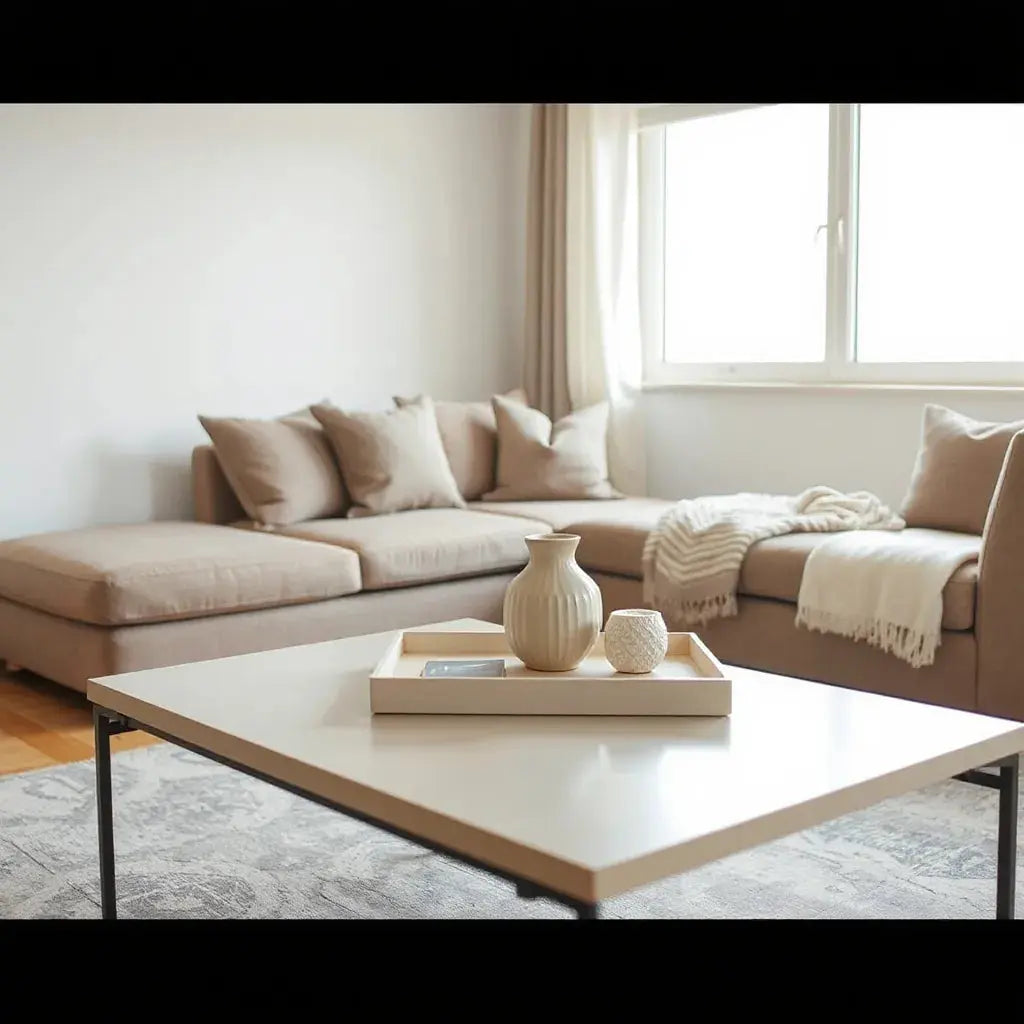
Place the table at the center of the seating conversation. If your living room is open-plan, keep the table aligned with the main sofa to anchor the space. A well-proportioned centerpiece supports a finished look even with minimal accessories.
Use height cues for visual harmony
The table should visually relate to your sofa height and the armrest level. When the tabletop is too tall, it can feel intrusive. When it is too low, it can create a gap that interrupts comfort. Aim for a comfortable reach for everyday items.
Layer textures without clutter
Elegant interiors often feel intentional rather than crowded. Choose one primary surface texture, then add contrast with a tray, a fabric accent, or a single sculptural item. Maintain generous negative space so the table remains visually refined.
Let lighting do part of the work
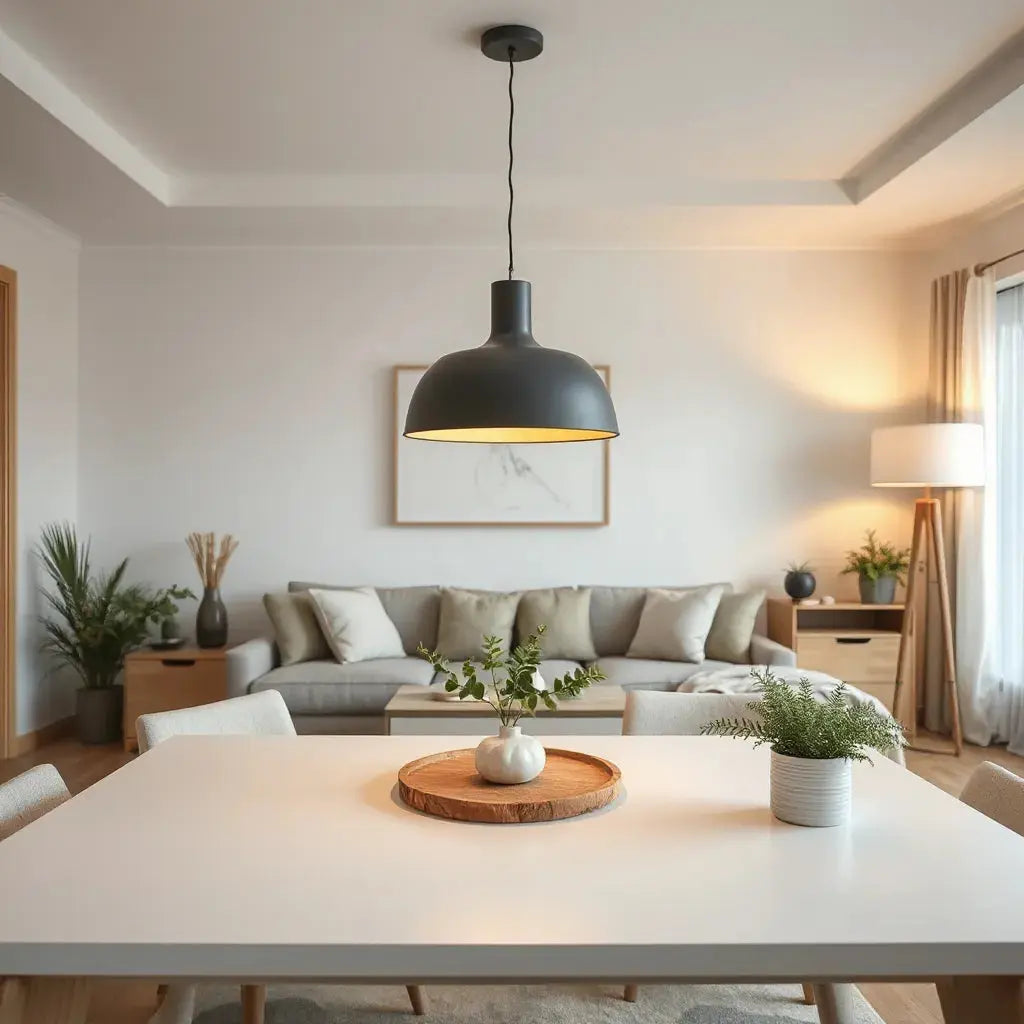
Refined finishes can look different across lighting conditions. Use warm ambient light and, when appropriate, a nearby lamp to enhance the depth of the material. This approach helps the tabletop appear richer without adding more objects.
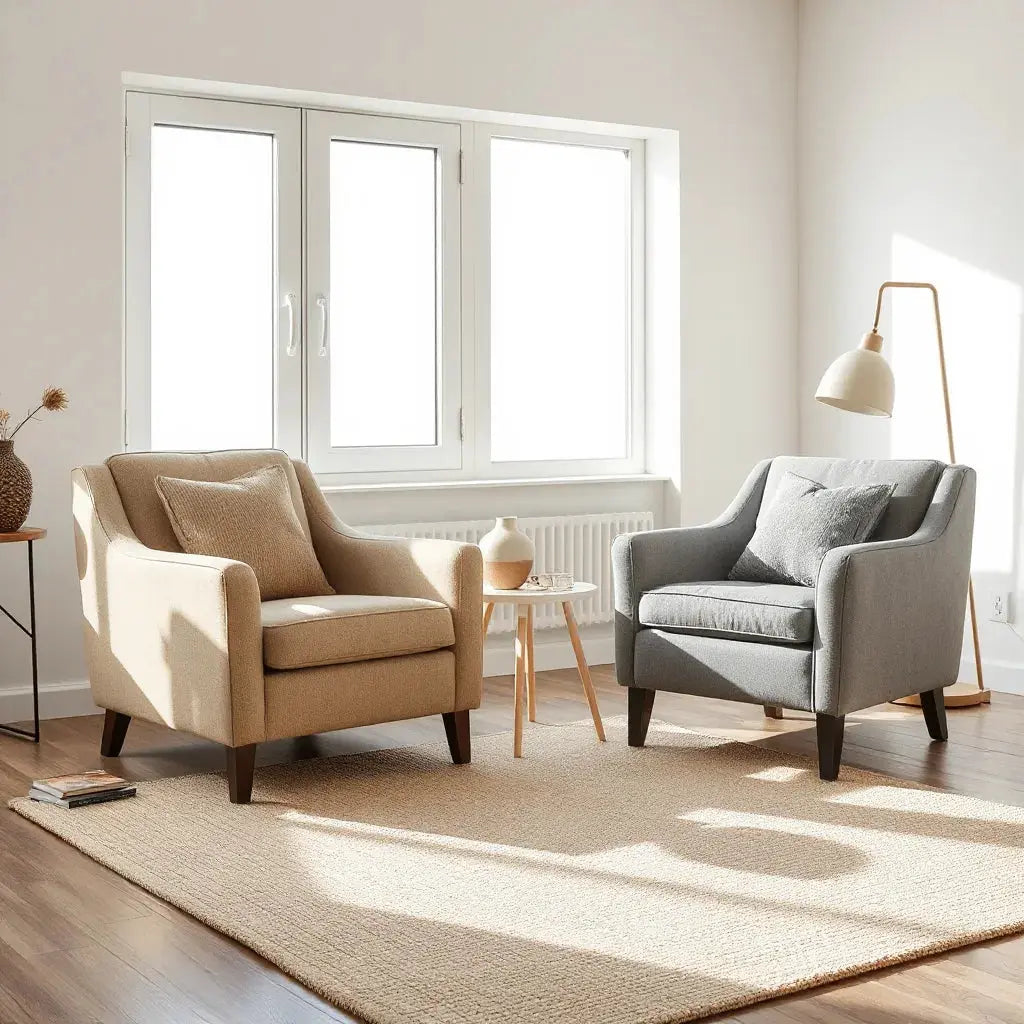
If you are updating other living-room seating, you can coordinate the overall look by choosing complementary forms. For example, pair a refined table with a thoughtfully styled chair selection such as Izumi chair to maintain a consistent design language.
Materials and Finishes That Last
Elegant coffee tables require a finish strategy. You want surfaces that look premium and remain easy to manage. The best material depends on how your home is used, how often you clean, and what kind of visual tone you want.
Wood for warmth and timeless character
Wood brings a natural texture that often looks elegant in both modern and classic interiors. To keep wood looking polished, use a gentle cleaner designed for the finish type and wipe spills promptly. A quality lacquer or varnish can help resist everyday marks.
Stone or stone-look surfaces for a crisp aesthetic
Stone surfaces can deliver a clean, sophisticated look. They often suit spaces where you want a sleek visual line. Use coasters and trays to reduce abrasion and help protect the surface from repeated contact with hot items.
Metal accents for structure
Tables with subtle metal elements can increase perceived craftsmanship. Metal components also support stability and can look excellent when paired with warm lighting. Avoid overly reflective finishes if you want a softer, calmer ambiance.
Glass for openness
A glass tabletop can help smaller rooms feel less confined because it visually reduces bulk. It can also make styling easier when you want a light appearance. For daily use, choose a version that feels sturdy and clear, and plan your cleaning routine.
When you connect materials across your living room, your space tends to feel cohesive. For example, if your area includes compact seating, a consistent tone in metal or wood elements helps maintain the same visual rhythm. Consider chairs such as Toshiro chair when building a layered, elegant setup.

Material harmony: wood grain, stone texture, soft light
Sizing and Layout Considerations
Correct sizing is one of the strongest predictors of whether a coffee table looks truly elegant. Even the most beautiful design can appear awkward if the scale is off. Use the guidance below to align the table with your seating arrangement.
Set the correct distance from the sofa
Maintain comfortable walking space and easy access to items. Too close makes the area feel cramped. Too far makes the table less useful and can break the sense of unity in the seating zone.
Match the table shape to your layout
Rectangular and oval forms tend to suit larger seating areas and provide broad surface coverage. Round designs can soften sharp lines and support smooth movement around the space. Choose shape based on traffic patterns and how your seating is arranged.
Balance table width with negative space
A coffee table should not dominate the room. Select width that visually supports the sofa without swallowing the surrounding area. If the room is narrow, a sleeker profile can maintain an elegant look while leaving room for movement.
Consider storage needs
If you regularly manage blankets, remotes, or small essentials, a table with integrated storage can reduce visual clutter. A clean surface reads as more elegant, because there are fewer distractions.
Maintenance and Care Practices
Elegance should not require complicated maintenance. A few consistent habits keep your coffee table looking refined while extending its lifespan.
Clean gently and consistently
Use a soft cloth and a non-abrasive cleaner appropriate for the finish. Frequent light cleaning is usually easier than occasional deep cleaning. Avoid aggressive scrubbing, because it can reduce shine and create uneven wear.
Protect the surface during daily use
Use coasters and trays for hot drinks and daily items. This simple practice reduces the risk of staining and helps preserve a polished appearance. If your home has children or high traffic, consider a routine that prevents accidental marks.
Handle seasonal changes
Wood can react to humidity changes. Maintain stable indoor conditions when possible, and wipe moisture immediately. For stone or metal elements, focus on keeping them free from residue and avoid cleaners that may dull finishes.
Inspect for stability
Periodically check screws and fasteners if the design includes assembly components. Stability not only supports safety, it also ensures the table remains aligned and visually straight.
If you want to coordinate with compact seating or secondary areas, you can also explore chair options like Hitsuji chair or Min chair to keep the room styling cohesive around your center piece.
Frequently Asked Questions
What makes a coffee table look elegant?
An elegant appearance comes from balanced proportions, a finish that reflects light well, and styling discipline. Choose a shape that fits your seating layout and keep the tabletop organized with a tray or a small set of curated items.
How do I choose the right size?
Measure your seating area first, then confirm comfortable reach and walking space. A table should visually anchor the sofa, not crowd it. When in doubt, prioritize a proportion that leaves enough negative space around the edges.
Are glass-topped tables practical?
Glass can be practical when cared for consistently. Regular wiping prevents smudges and maintains clarity. Use coasters and trays to reduce residue and protect the surface from repeated contact with daily items.
Summary & Key Takeaways
Elegant coffee tables are defined by more than style. They combine suitable scale, durable materials, and a finish that stays attractive under everyday use. When you measure your space, select a complementary silhouette, and maintain the surface with simple routines, your table will look refined for years. If you are ready to elevate your living room, review your measurements and shortlist options that match your layout and daily needs.
Q&A Section
How can I style an elegant tabletop without clutter?
Choose one primary base element, such as a tray, and add two or three items with consistent scale. Use coasters for drinks and keep everyday objects off the main surface. Leave room for negative space so the table remains visually calm.
What should I prioritize: material or shape?
Prioritize comfort and proportion first, which are strongly influenced by shape and size. Then select a material that matches your cleaning comfort and lifestyle. When both are aligned, the table reads as coherent and intentional.
How do I ensure the table matches my existing decor?
Identify two design anchors you already have, such as wood tone, metal color, or fabric texture. Select a coffee table that shares one or more of these anchors. Keeping consistency in material language is often more effective than matching colors exactly.
Is a single statement coffee table enough for a complete look?
A coffee table can anchor the seating zone, but you typically need small supporting elements to complete the visual story. Pair it with coordinated lighting, a rug or runner that frames the area, and a seating arrangement that aligns with the table’s proportions.
Disclaimer
All guidance in this article is for general informational purposes. Product availability, dimensions, finishes, and care requirements vary by item. Always follow the care instructions provided with your specific purchase and verify measurements before ordering.
About the Author
Nisu Home is a design-focused content team with expertise in home styling, layout planning, and long-term furniture care. We aim to help customers choose pieces that look refined and function reliably in daily life. Thank you for reading, and we welcome your next design step.

Leave a comment
This site is protected by hCaptcha and the hCaptcha Privacy Policy and Terms of Service apply.