

Updated on: 2026-10-27
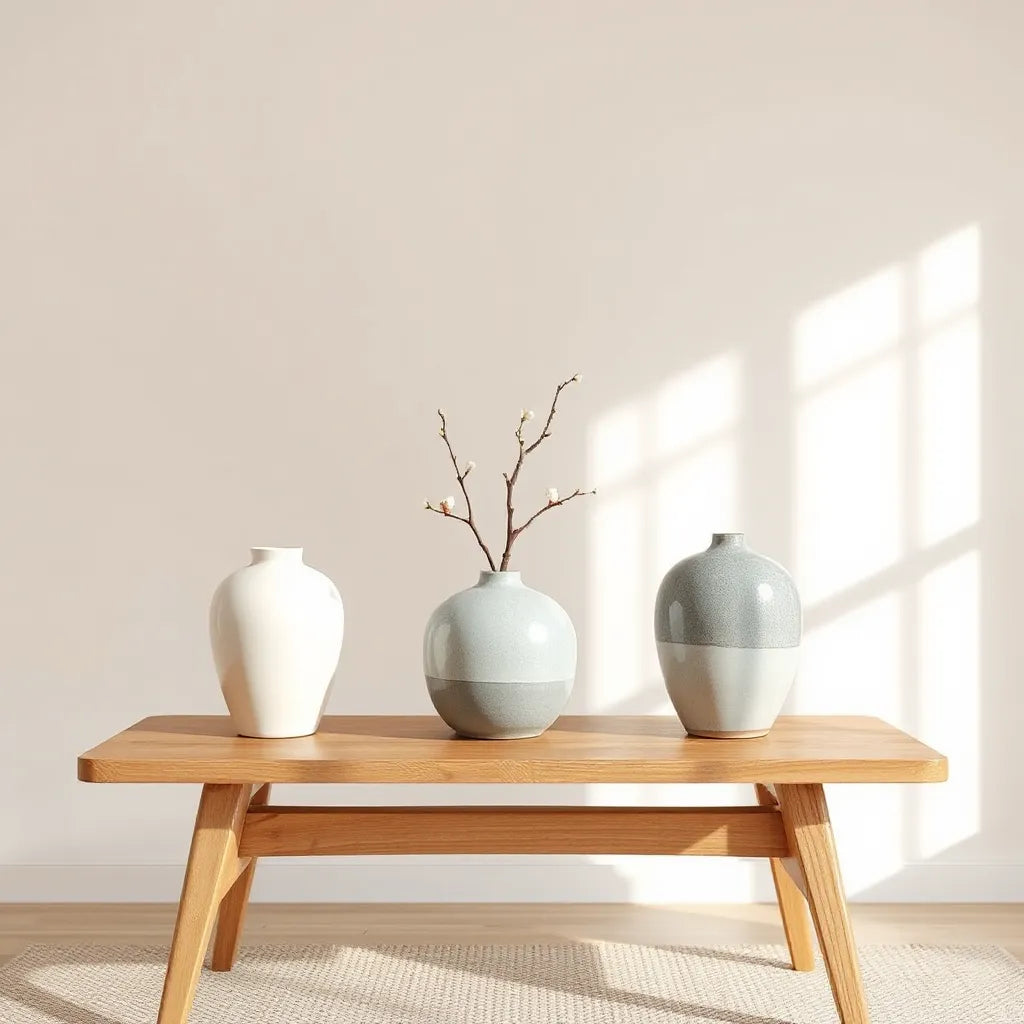
Japanese-inspired vases bring calm structure to modern rooms. They pair well with both minimal and layered interior styles. Their shapes and finishes encourage thoughtful placement rather than cluttered decoration. With the right scale and styling, they can elevate everyday surfaces, shelves, and entry moments. When you choose materials and colors carefully, these vases also support a cohesive design story.
- 1. Myths vs. Facts
- 2. Step-by-Step Guide
- 3. Frequently Asked Questions
- 4. Summary & Key Takeaways
- 5. Q&A Section
- 6. About the Author
Myths vs. Facts
Myth: Japanese-inspired vases are only for traditional interiors.
Fact: Their balance of shape and negative space works well in contemporary homes. A single statement vase can anchor a shelf, console, or dining table without turning the room into a theme.
Myth: You must always display fresh flowers.
Fact: Many styles look complete on their own. You can use minimalist stems, dried botanicals, or even no florals at all for a sculptural effect. The vase form becomes the focal point.
Myth: They are difficult to style.
Fact: Styling is easier when you follow a simple system: choose a consistent height, match one accent color, and keep the arrangement intentional. A few decisions produce a refined look.
Myth: Only one finish looks “Japanese-inspired.”
Fact: Visual harmony comes from proportions, texture, and restraint. You can combine matte ceramic, subtle glaze, and warm tones with natural wood, stone, or woven textiles.

Balanced shapes, calm tones, minimal styling cues
Step-by-Step Guide
Designing with Japanese-inspired vases is not about filling space. It is about controlling balance. Use the steps below to achieve a polished outcome that feels intentional.
-
Measure the surface first.
Confirm the vase placement area. Leave breathing room around the piece so the silhouette remains clear. -
Choose the right height for the viewer.
For shelves and consoles, select a mid-height profile. For tables, use a slightly taller proportion to create vertical rhythm. -
Decide on the floral strategy.
Use live stems for softness, dried botanicals for texture, or no florals for a sculptural look. If you use stems, keep them intentionally spaced. -
Match one color note, not many.
Pick one accent tone from your room, such as warm beige, muted gray, or deep earth. Repeat it once in the stems or decorative elements. -
Set a focus point and reduce distractions.
Clear clutter from the immediate area. A single vase looks more sophisticated when the surrounding surface is calm. -
Use materials that add warmth.
Pair the vase with wood trays, linen textures, or stone-toned decor. These materials support the refined, grounded feel.
To make the styling process even simpler, use a repeatable composition. Start with a single stem group and one vase, then adjust spacing until it feels “quiet but complete.” That visual pause is the core of Japanese-inspired aesthetics.
Product styling example:
Kabin Vase

Shop Kabin Vase
In a real room setup, this type of vase works best as a single focal piece. Place it on a matte surface, then add a small number of stems or branches. The goal is to preserve negative space around the silhouette so the form reads clearly.

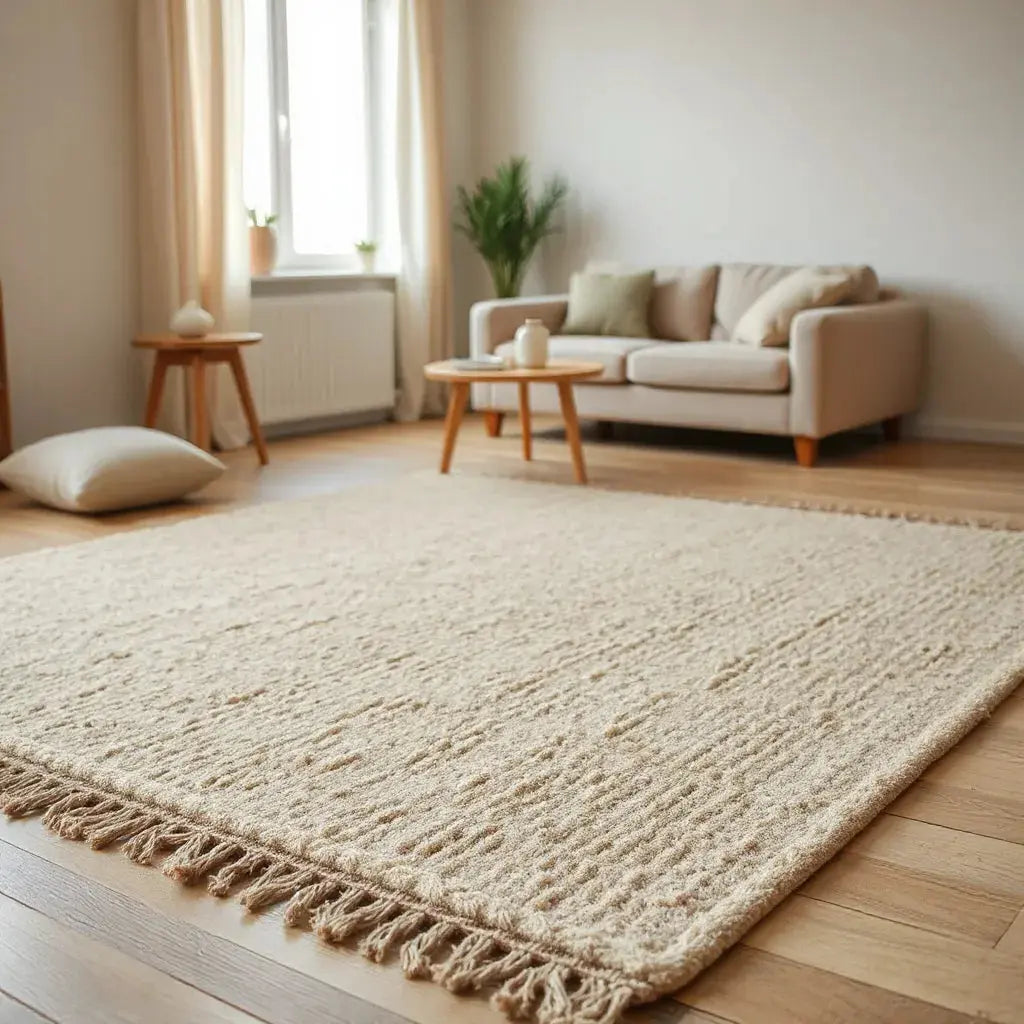
Layered textures, vertical rhythm, calm shelf composition
Frequently Asked Questions
How do I prevent a vase display from looking crowded?
Keep the number of stems low. Use consistent spacing and do not fill the entire vase opening. When in doubt, reduce quantity before adjusting color.
What colors pair well with Japanese-inspired vases?
Warm neutrals, muted grays, soft black accents, and natural wood tones are reliable choices. Choose one accent color and repeat it once through stems or a nearby decor element.
Where should I place a vase for the best visual impact?
Entry consoles, dining tables, and bookcase shelves are strong options. Choose a location where the silhouette can be seen from your main viewing angle.
Summary & Key Takeaways
Japanese-inspired vases succeed because they combine form, restraint, and thoughtful styling. Choose a size that fits the surface, decide whether you want a floral or sculptural display, and keep the palette focused. When you balance height, texture, and negative space, the result feels calm, modern, and deliberate. If you want to explore additional style directions, consider pairing your vase with refined furniture accents from Asuka Cabinet or adding clean seating lines like those in Toshiro Chair.
Q&A Section
How many stems should I use with a Japanese-inspired vase?
Use fewer stems than you think you need. A balanced arrangement typically uses one main cluster with optional small offshoots. Keep the stems separated so each one contributes to the overall line, rather than blending into a dense mass.
Should I use water, or can I style without it?
Use water if you display live stems. If you prefer a longer-lasting look, consider dried botanicals or branches styled for structure. Without water, focus on shape and texture since the vase form becomes the main design element.
What is the best way to match a vase with existing interior materials?
Match texture and undertone first. If your room includes warm wood, select warm-toned finishes and organic stem colors. If your room is mostly cool and minimal, choose subtler tones and a calmer stem palette to maintain visual coherence.
Can I combine more than one vase in a room?
Yes, but keep the grouping intentional. Use variations in height rather than identical sizes, and keep the surfaces around the display tidy. If you use multiple pieces, limit the color notes so the arrangement reads as a single composition.
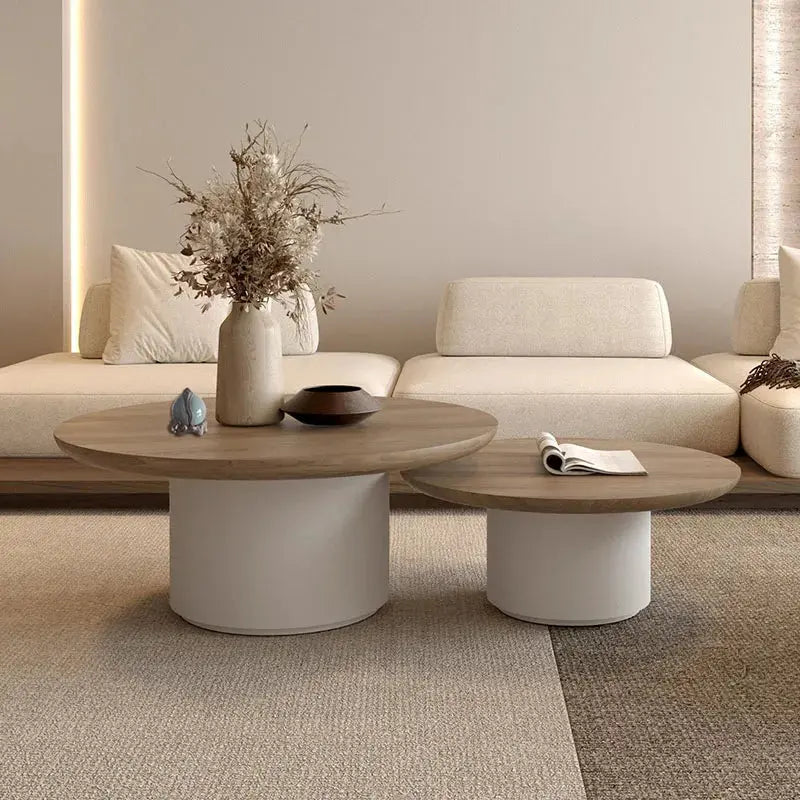
If you are building a complete dining or kitchen scene, a vase display looks even stronger beside well-proportioned furniture. Many customers find that adding a complementary seating piece, such as Honin Coffee Table, helps the room feel cohesive rather than scattered.
About the Author
Nisu Home is guided by a design-focused approach that prioritizes proportion, texture, and everyday usability. The author contributes expertise in styling guidance for modern interiors, with an emphasis on creating calm visual narratives. Thank you for reading, and may your next decor choice feel both intentional and inspiring.
Disclaimer: This article provides general styling guidance. Results vary based on room lighting, existing decor, and personal preference.

Leave a comment
This site is protected by hCaptcha and the hCaptcha Privacy Policy and Terms of Service apply.