

Updated on: 2026-10-26
Handcrafted Rugs bring a distinct visual warmth that factory-made alternatives rarely match. Their construction methods often result in strong texture, nuanced color depth, and a more natural look. When you choose the right size and material, a rug can improve comfort, protect flooring, and anchor the overall layout. With thoughtful care, well-made pieces can remain attractive for years and become a long-term design foundation.
Table of Contents
Handcrafted Rugs: A Curated Spotlight on Timeless Craft
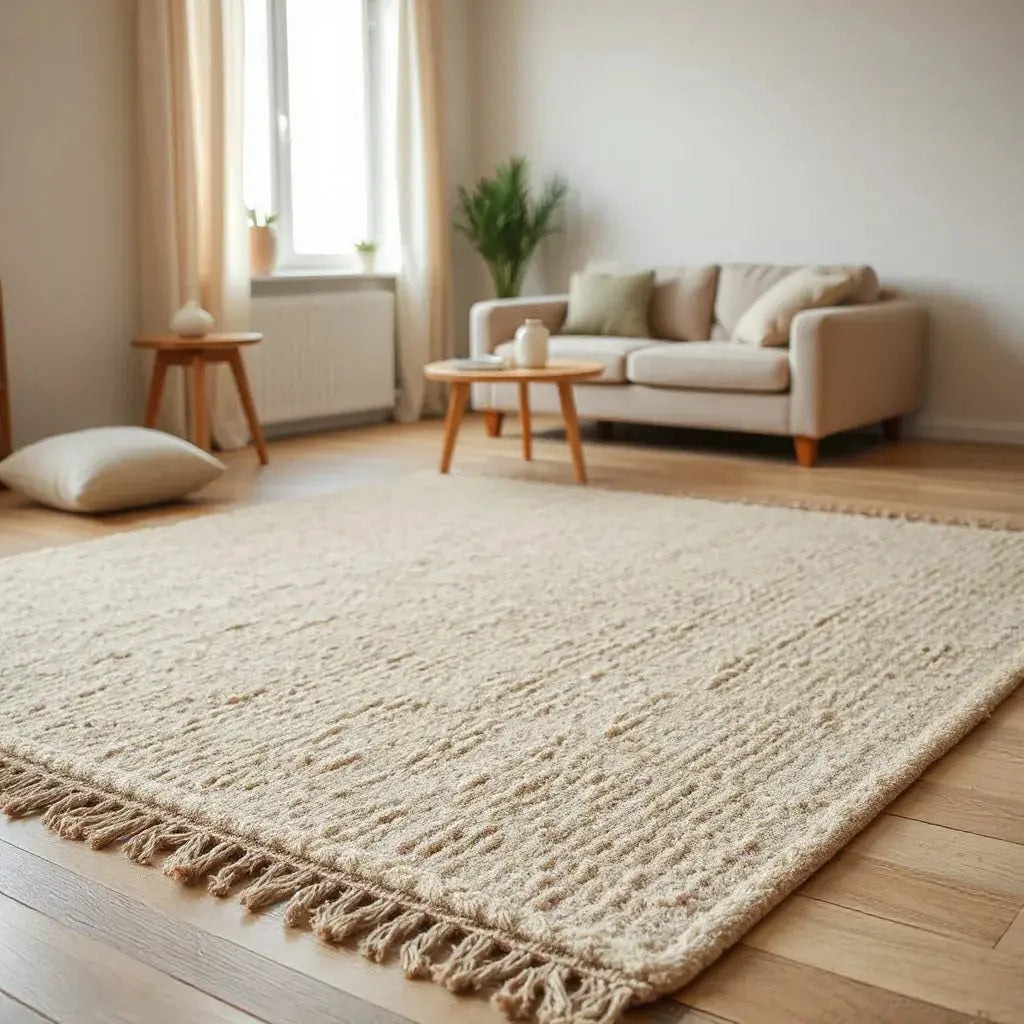
When people search for Handcrafted Rugs, they often want more than a covering for the floor. They want a piece with character, readable texture, and an aesthetic that feels intentional. The most compelling handcrafted designs share a common theme: the maker’s decisions remain visible in the final surface. That can include slight variations in weave density, subtle shifts in color tone, and patterns that feel alive rather than printed.
In a modern home, these qualities matter. They introduce softness around furniture lines and help balance hard materials such as wood, metal, and stone. A handcrafted rug can also improve acoustics by reducing echo and creating a calmer soundscape. For many households, that comfort becomes the first reason the rug is kept long-term.
From a practical perspective, handcrafted rugs are frequently built with attention to edge finishing and overall structure. A secure border and stable backing can reduce curling and movement, especially in rooms with regular foot traffic. Still, performance depends on material choices and maintenance habits, which is why selection matters as much as craftsmanship.

Close texture, natural fibers, and pattern clarity
Did You Know?
- Natural fiber rugs can show color nuance rather than uniform dye blocks.
- Hand weaving and knot-based construction can produce distinct surface texture.
- Rug placement affects room flow, not only appearance.
- Regular rotation can reduce uneven wear from daily sunlight and traffic.
Pros & Cons Analysis
- Pros: Rich texture with visible depth and detail.
- Pros: Often designed for long-term use when cared for properly.
- Pros: Patterns tend to feel organic and less repetitive.
- Pros: Improves comfort underfoot and can soften echoes.
- Cons: Initial cost can be higher than mass-produced options.
- Cons: Some materials require careful cleaning methods.
- Cons: Size selection mistakes can disrupt the layout.
For most buyers, the decision comes down to expectations. If you value texture, detail, and a design that evolves with your space, handcrafted options usually justify the investment. If you need a fast replacement or prefer minimal care, you may weigh materials and thickness requirements more carefully.
Choose Materials With Intention
Handcrafted rugs are not one uniform category. They vary widely in fiber content, weave method, and dye approach. Understanding the material helps you predict how the rug will feel, how it will wear, and what cleaning practices are safe.
Wool for resilience and warmth
Wool is frequently chosen for its natural cushioning and recovery. Many wool rugs resist everyday wear because fibers can spring back after compression. Wool also tends to blend color softly, which supports warm neutrals and grounded tones.
Cotton for crisp lines and lower loft
Cotton often supports flatter, structured weaves. Rugs with a cotton foundation can feel tidy and work well in rooms where you want clean geometry. They can also be simpler to maintain when spills are addressed quickly.
Viscose or silk-like blends for sheen and elegance
Some handcrafted designs use blends that add subtle shine. These options can look especially refined under natural light. Because sheen fibers can highlight texture differences, careful selection and placement are important to ensure the surface remains visually balanced.
Synthetic blends for practical everyday use
Many modern rugs use synthetic materials designed for durability and easier care. Even in handcrafted-style construction, the fiber chemistry influences stain behavior and dry time. If your priority is low-maintenance performance, consider how the rug will be cleaned in real conditions.
If you are planning a full room refresh, coordinate rug material choices with your furnishings. For example, crisp edges and neutral tones can pair well with streamlined seating, while deeper wool textures complement more organic silhouettes. If you also enjoy curated furniture, you can explore pieces such as the honin coffee table for a balanced focal point.
Size and Layout That Look Designed
Rug size determines whether the room feels cohesive or fragmented. A rug that is too small can make furniture look disconnected. A rug that is too large can visually overwhelm circulation paths. To avoid both issues, start with the room’s main seating area and measure the footprint you want to unify.
Common placement approach for living rooms
A reliable guideline is to keep front legs of seating on the rug. This creates a continuous visual anchor. For open-plan spaces, the rug can also define zones such as conversation areas versus dining or work zones.
Dining rooms require stability under movement
In dining spaces, chairs pull outward during use. Select a size that allows chairs to remain on the rug when fully extended. This helps protect flooring and maintains a consistent pattern relationship between chair bases and rug borders.
Bedrooms benefit from a warm landing zone
In bedrooms, consider extending the rug so that both sides of the bed have a comfortable landing. If the rug stops too short, it may look accidental. A well-sized rug frames the bed and softens transitions between flooring types.
Consider thickness and height relationship
Thickness affects how a space feels and how doors and transitions behave. If you have thick baseboards or narrow door clearances, choose a rug with a profile that remains practical. If you want extra comfort, a slightly loftier construction can create a more cushioned feel.

Room layout grid showing rug overlap with seating
Care and Maintenance for Longevity
Handcrafted Rugs often reward consistent care. The objective is not complicated cleaning. It is prevention plus gentle maintenance. A few habits can help preserve texture, color, and overall structure.
Vacuum with a responsible method
Use a vacuum setting appropriate for rugs, and avoid excessive force that pulls fibers. For textured surfaces, gentle suction and occasional brush-free passes can reduce fuzzing. Test any method in a small area when in doubt.
Address spills quickly
Blot liquids immediately using a clean, absorbent cloth. Do not rub aggressively, because rubbing can push stains deeper or damage fibers. After blotting, let the area dry completely before resuming normal cleaning.
Rotate to balance wear
Sunlight and foot traffic often concentrate in specific pathways. Rotating the rug every so often can distribute wear and maintain even appearance. This practice is especially useful in rooms with strong window exposure.
Use a rug pad for support and safety
A quality rug pad improves stability and reduces friction. It also supports the rug’s shape and can extend usable life. Choose a pad that matches your floor type and ensures the rug does not shift.
Professional cleaning on a schedule
For long-term preservation, periodic professional cleaning can be appropriate, especially for rugs with dense weaving or higher fiber sensitivity. Always communicate the rug material and construction to the cleaner so methods align with the fiber needs.
For buyers who also curate furniture with comfort and durability in mind, aligning rug care routines with your broader home maintenance plan is efficient. For instance, pairing a stable seating setup with a well-supported rug area helps minimize shifting and repeated friction. If you are building a cohesive lounge, you can also consider complementary seating options such as the izumi chair.
Matching Rug Style to Your Interior
Handcrafted rugs can fit many interior directions, but the choice becomes easiest when you start with your existing design language. Think in terms of palette, pattern scale, and texture contrast.
Use color temperature to maintain harmony
Warm rugs with beige, rust, or honey undertones pair naturally with warm woods and brass finishes. Cooler palettes with gray, charcoal, or blue undertones often work best with darker metals and cool-toned flooring.
Match pattern scale to furniture proportions
Large rooms often support larger pattern scale. Smaller rooms generally benefit from finer detail or more understated motifs. When patterns are too bold for the room scale, they can visually compete with art and furniture.
Balance texture with smooth and matte surfaces
If your room uses many smooth surfaces, a rug with visible weave depth adds dimensional comfort. If your room already has heavy texture through upholstery and wall treatments, choose a rug pattern that remains visually coherent without becoming dominant.
Choose a border style that frames the space
Borders can guide how the rug reads as a foundation. A structured border adds formality, while softer transitional edging can make the rug feel more relaxed. Consider how the border aligns with other geometry in the room, such as tile grout lines or shelving spacing.
Where to find reputable options
When purchasing online, review construction details and care guidance. Look for clarity on fiber content, recommended cleaning, and whether the rug is suitable for your flooring type.
FAQ Section
How do I choose the right size for Handcrafted Rugs?
Measure the area you want to anchor first, then decide how much furniture overlap you want. For living rooms, keep front legs of the main seating on the rug to unify the seating cluster. For dining rooms, ensure chairs remain on the rug when pulled back. In bedrooms, extend the rug so that stepping out of bed lands on it naturally.
What is the safest way to clean Handcrafted Rugs at home?
Start with regular vacuuming using a gentle setting designed for rugs. For spills, blot immediately with a clean cloth and allow the area to dry fully. Avoid aggressive rubbing and harsh chemicals. For deeper cleaning, consider professional rug cleaning, especially for wool or sheen-sensitive blends.
Do Handcrafted Rugs shed initially?
Some new rugs may release small fibers during the break-in period, particularly with natural materials. This can be reduced through gentle vacuuming and routine care. If shedding continues beyond an expected adjustment window, verify the fiber type and consult the care guidance from the seller.
Are rug pads necessary for Handcrafted Rugs?
Rug pads are strongly recommended because they improve grip, reduce shifting, and protect both the rug and the flooring. A proper pad also helps the rug maintain its shape and reduces friction wear from regular foot traffic.
Conclusion & CTA
Handcrafted Rugs offer a rare combination of design character and tactile comfort. When you select the right material, choose a size that supports your layout, and maintain the rug with practical routines, the result is a foundation piece that elevates the entire room. If you are planning a style update, approach the purchase as a long-term investment in comfort and visual balance.
Review your room measurements, identify the color and texture direction you prefer, and choose a rug that aligns with your lifestyle needs. When you are ready, continue building your home with coordinated design elements that support the rug’s role as the anchor. For more curated furnishing inspiration, browse the available seating options on toshiro chair.
About the Author
Nisu Home is a design-focused team with expertise in interior textiles, home styling, and product selection for everyday comfort. The author contributes research-driven guidance on materials, layout planning, and maintenance practices that help buyers choose with confidence. The goal is to make refined design decisions feel clear and attainable. Thank you for reading, and may your next home update feel deliberate and rewarding.
Disclaimer: This article provides general guidance for product selection and care. Always follow the manufacturer and retailer instructions specific to your rug’s material and construction.

Leave a comment
This site is protected by hCaptcha and the hCaptcha Privacy Policy and Terms of Service apply.