

Japanese furniture has a way of feeling settled from the moment it enters a room. Its appeal comes not from decoration, but from discipline: clean proportions, careful materials, and a respect for everyday use. Whether it is a low table, a pared-back chair, or a storage piece with quiet presence, the look is shaped by restraint and by the belief that beauty should support life rather than interrupt it. That balance between usefulness and calm is what gives the style such lasting power, especially when natural grain, subtle texture, and thoughtful craftsmanship are allowed to lead.
Japanese furniture and the appeal of restraint
The editorial fascination with Japanese furniture begins with its refusal to overstate itself. Pieces often feel measured rather than decorated, with details that reveal themselves gradually: a softened edge, a precise joint, a timber surface that changes with the light. This is furniture that works hard without looking busy. It can bring visual order to a room while still feeling tactile and human, which is part of why it translates so well across interiors, from compact city apartments to spacious homes that need a quieter focal point. Natural materials do much of the expressive work, while the making itself stays attentive and controlled.
Design principles that define the look
The Japanese aesthetic is often described in broad terms, but its strength lies in the practical discipline behind it. Proportion matters. So does negative space. A well-made piece is given room to breathe, and that breathing space becomes part of the design rather than an empty afterthought. Forms tend to be minimal, but never accidental. Each line usually serves a purpose, whether to lighten a silhouette, frame a surface, or make a piece easier to use every day. That combination of warmth and understatement is what allows Japanese furniture to feel both serene and liveable.
Just as importantly, the style often works hand in hand with the materials it uses. Wood, paper, stone, metal, and textile are not treated as competing effects; they are balanced so the whole feels coherent. The result is a design language that can seem quiet at first glance but proves rich over time, especially when pieces are lived with rather than simply displayed.
Material honesty and visible grain
Wood grain is not hidden in this tradition; it is often celebrated. Knots, variation, and subtle shifts in tone can become part of the composition, adding character without disturbing the overall calm. In a stronger decorative style, imperfections might be masked. In Japanese furniture, they are more likely to be understood as evidence of a living material. That honesty gives surfaces depth and makes each piece feel individual. It also helps explain why japanese wooden furniture has such enduring appeal: the finish is not about flattening the material, but about revealing it with care.
Simplicity without sterility
Minimal does not have to mean cold. The best examples manage to feel pared back and welcoming at the same time, often through softened corners, tactile finishes, or a sense of proportion that suits the human body. A low cabinet can feel grounded rather than severe. A chair can be spare without looking brittle. This is why the style works in both traditional rooms and contemporary interiors. It creates calm without demanding a complete design reset, and it can sit comfortably alongside older pieces, modern upholstery, or more expressive art without losing its identity.
Craftsmanship, wood, and making methods
The quiet confidence of Japanese furniture is closely tied to how it is made. Precise joinery, careful finishing, and a disciplined approach to production all contribute to pieces that feel considered from the inside out. The emphasis is often on longevity rather than novelty, which makes sense in a design culture that values use as much as appearance. Timber selection matters greatly, as do the methods used to shape and stabilise it. Woods such as Japanese cedar bring their own softness and character, while other species may be chosen for strength, grain pattern, or the way they age over time.
That material judgment is a practical design decision, not only an aesthetic one. A maker may choose a wood for scent, density, weight, or the way it responds to finishing, with the aim of producing furniture that feels generous to live with and steady in service. The appeal is not simply that the piece looks natural, but that it behaves naturally in a home.
How wood choice shapes the final piece
Wood selection can determine everything from the silhouette to the emotional tone of a piece. Japanese cedar, for example, is associated with a distinctive softness in both appearance and tactility, which can suit furniture intended to feel calm and unobtrusive. Other woods may be compressed, bent, or carefully graded to create forms that seem light without sacrificing integrity. These decisions influence how much visual weight a piece carries, how its surfaces age, and how strongly the grain reads in a room. In this way, the timber is not just a material; it becomes part of the design language itself.
Traditional skill meeting modern production
Japanese furniture is not preserved in amber. Many makers now work at the meeting point of heritage skill and contemporary production, using traditional sensibilities to inform objects designed for present-day homes. That might mean refined machine work guided by a craftsman’s eye, or classic woodworking principles adapted for cleaner assembly and repeatability. The value of this approach is consistency without flattening the character of the piece. It allows modern collections to retain the discipline and clarity associated with Japanese making while remaining relevant to current interiors and expectations.
Notable Japanese furniture makers and design voices
Part of the enduring interest in Japanese furniture lies in the range of makers and designers who have helped shape it. Some focus on timber-led forms that express structure with unusual clarity; others reinterpret familiar furniture types through a more contemporary lens. What connects them is not a single look, but a shared respect for proportion, material, and the lived experience of a piece. In many cases, these makers have helped carry Japanese design beyond domestic tradition and into international conversation, showing that restraint can be distinctive rather than plain.
Several brands have become known for bridging craft heritage and modern collaboration, working with designers to extend the vocabulary of wood furniture without losing its cultural grounding. Their relevance comes from continuity: the pieces feel rooted in place, but not trapped by nostalgia. They offer a model of evolution that remains recognisably Japanese in spirit.
There are also designers whose influence comes from turning very simple forms into lasting references. A table, stool, or chair becomes iconic when its balance is exact and its purpose clear. These pieces often travel well across borders because they rely on universal design values rather than surface trends. In that sense, their impact goes beyond style; they help explain why Japanese furniture continues to shape the way people think about calm, useful, and beautifully resolved interiors.
Brands that preserve heritage while evolving form
The most compelling makers tend to keep one foot in tradition and the other in experimentation. Their collections often reflect artisanal woodworking, but they are not frozen in history. Instead, they use collaboration, design refinement, and careful material choices to keep the work relevant. That balance matters in a market where furniture must serve modern needs while still carrying a sense of origin. When done well, the result is culturally rooted and globally legible at the same time.
Designers who turned simple forms into icons
Some of the most influential Japanese pieces are memorable precisely because they are so resolved. Their power lies in clarity, not ornament. A frame that feels perfectly judged, a surface that seems to float, or a stance that is quiet but confident can become a lasting reference point for international design. These icons helped broaden awareness of Japanese furniture beyond specialist circles, proving that simplicity can have a strong and enduring voice when every detail is considered.
How to bring the style into a modern interior
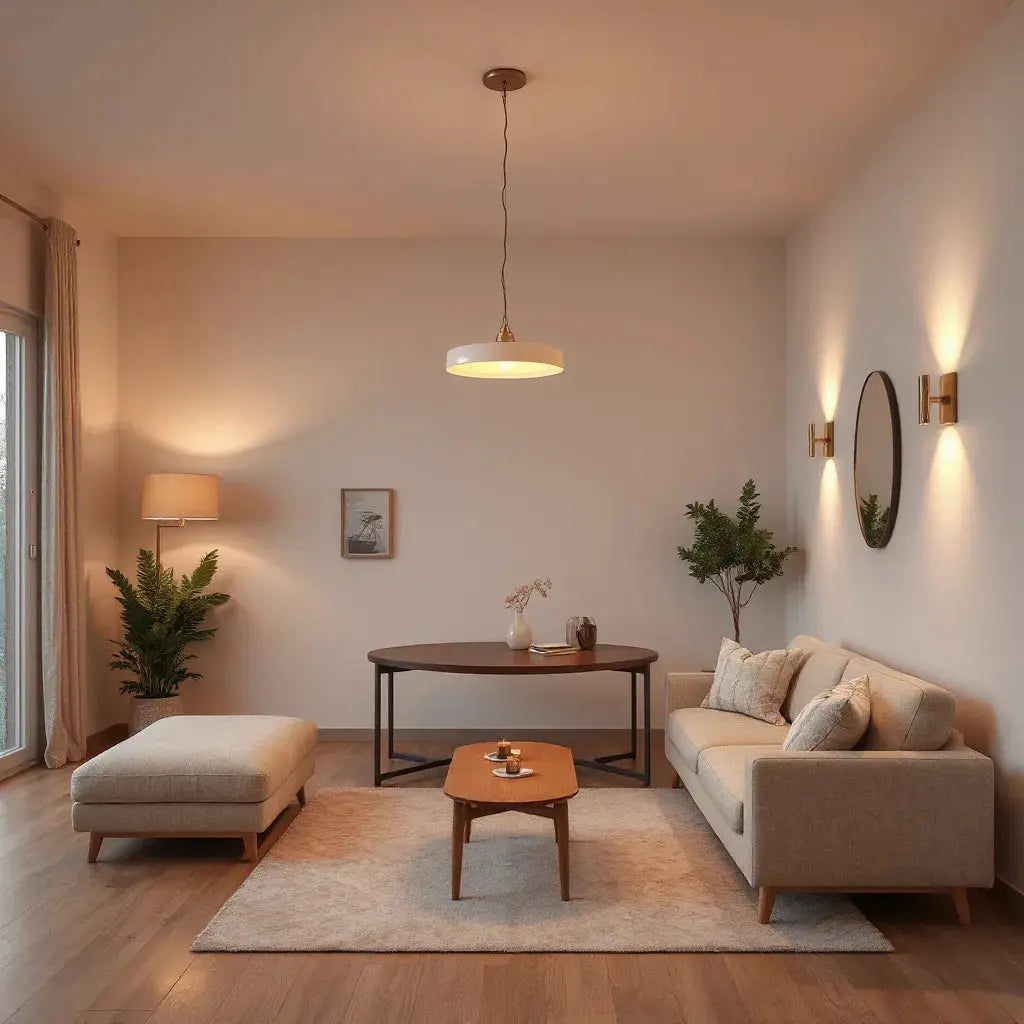
Bringing Japanese furniture into a contemporary home is less about creating a themed room and more about editing with care. One or two strong pieces can be enough to change the atmosphere of a living room, dining area, or workspace. Keep scale considered, allow for space around the furniture, and pair timber with materials that echo its calmness rather than compete with it. Soft upholstery, matte finishes, and natural textures all help. The goal is an interior that feels intentional, not staged.
If you want the look without copying it literally, focus on proportion, openness, and visual lightness. Avoid crowding the room. Let storage and seating do their job with as little fuss as possible.
Pairing wood, light, and texture
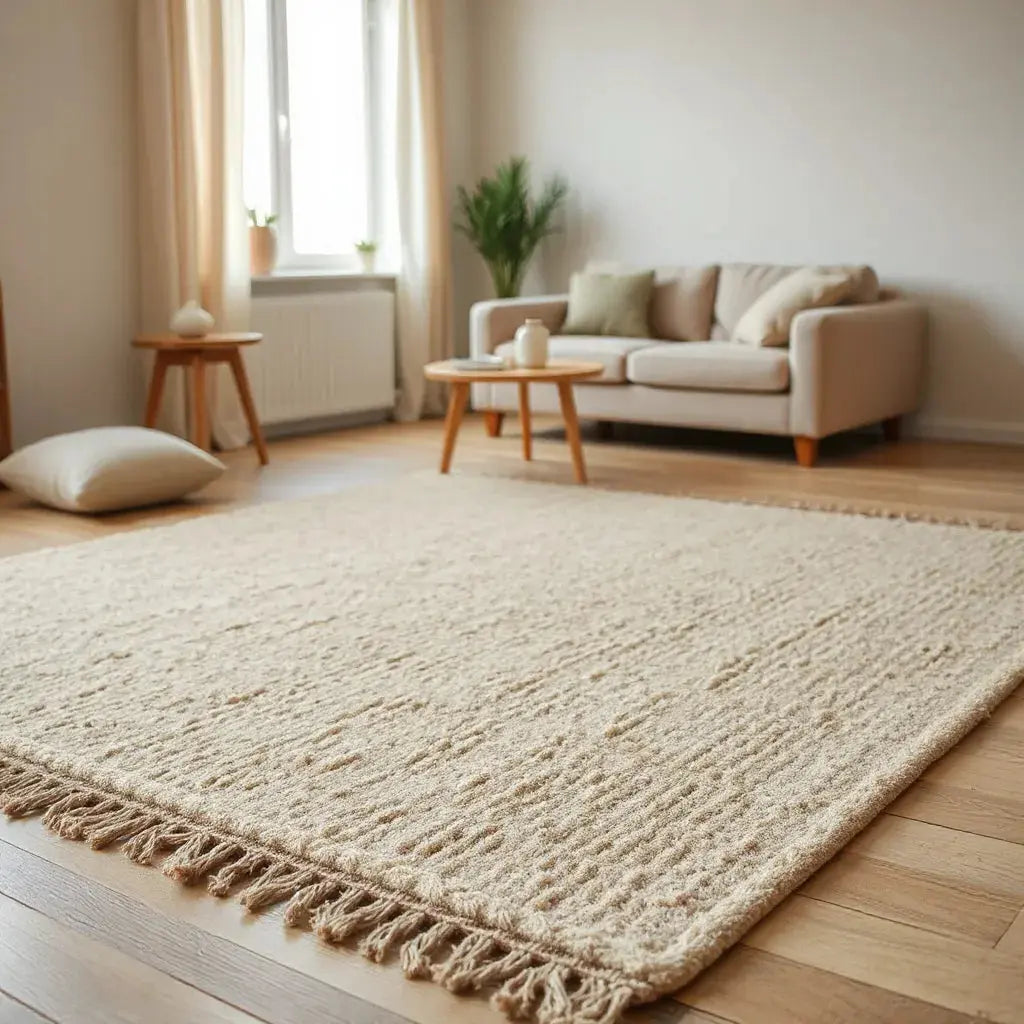
Natural light gives Japanese furniture much of its quiet authority, especially when it plays across grain and softly finished surfaces. Earthy materials, linen, wool, and restrained accessories can strengthen that effect without overwhelming it. Open space matters too; it allows each piece to hold its shape in the room. Whether the setting is a dining corner, a reading area, or a bedroom, the most successful pairings are usually the simplest ones.
Why Japanese furniture still feels current
Japanese furniture remains relevant because it answers modern needs without chasing them. It offers utility, calm presence, and durable beauty in equal measure, which is increasingly rare in a fast-moving market. The style’s strength lies in its discipline: materials are respected, forms are considered, and nothing is overdone. For anyone drawn to interiors that feel composed rather than crowded, that combination still feels fresh. Its appeal is not tied to trend cycles, but to the enduring pleasure of living with objects that are made thoughtfully and made to last.

Leave a comment
This site is protected by hCaptcha and the hCaptcha Privacy Policy and Terms of Service apply.