

Updated on: 2026-07-09
Choosing an Izumi Chair is a practical decision for comfort-focused spaces. This guide explains how to evaluate fit, material, support, and style so you can select a chair that suits your daily routine. You will also find a structured checklist for sizing and placement, plus answers to common buying questions. The goal is to help you make an informed purchase with confidence.
Table of Contents
Key Benefits
The Izumi Chair is designed to support everyday sitting while maintaining a clean visual profile. Many buyers choose it because it blends comfort with a modern, practical aesthetic. When selected with the right measurements and room placement, it can elevate both functionality and style.
- Comfort-forward seating: The design supports relaxed posture for daily use.
- Room-friendly appearance: A balanced silhouette helps the chair integrate with varied decor styles.
- Practical durability: Strong construction and finish choices are made for routine living.
- Better workflow in dining or work areas: A properly fitted chair supports smooth movement at the table or desk.
- Ease of styling: It pairs well with different table materials and color palettes.
How the Izumi Chair Fits Into Modern Interiors
Modern interiors reward consistency: stable proportions, cohesive materials, and clear sight lines. An Izumi Chair contributes to that goal through a form that looks intentional from multiple angles. It also supports practical furniture planning. For example, when a chair sits at the correct height relative to the seat-to-table distance, diners can move in and out with less effort.
It is also common for buyers to compare seating options across collections. If you are building a cohesive set, you may find value in reviewing other seating designs from the same store. For instance, you can compare the Izumi Chair with alternative chair styles here: Izumi Chair collection. If you want a bar-height option for a kitchen island, consider these related stools: Emi bar stool and Haruto bar stool.

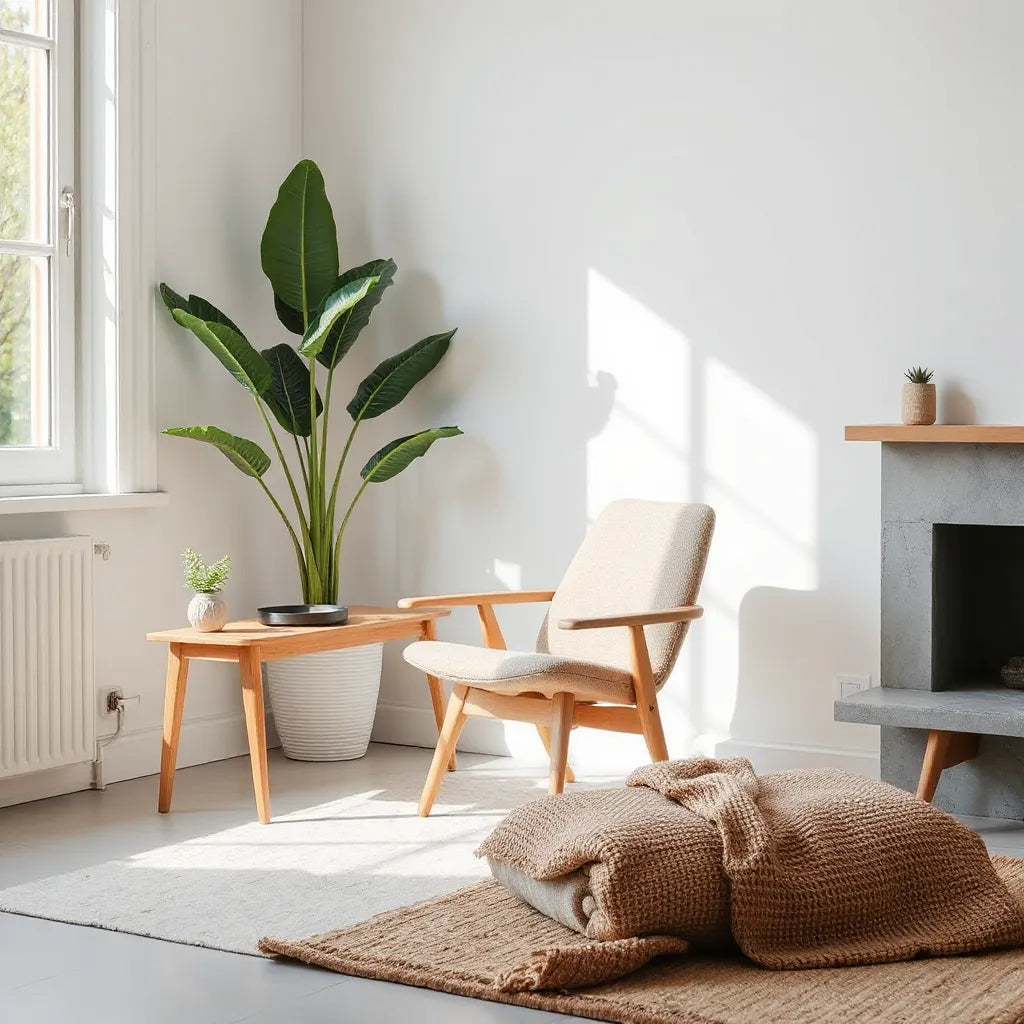
Chair silhouette lines, spacing guides, and comfort cues
Step-by-Step Guide
Choose the intended use and seating frequency
Start by defining the chair’s job. Dining chairs are used differently from office or reading chairs. If the seating is frequent, prioritize support and stable construction. If the seating is occasional, you can focus more on style and easy matching with existing furniture.
Ask a simple question: How long will you sit per session? A chair that supports posture during shorter meals may feel different during longer work sessions. Matching the chair’s comfort profile to your routine reduces the likelihood of regret after purchase.
Measure the space and plan clearances
Measure your room before final decisions. You need enough clearance for smooth movement and safe chair pull-out at the table. Use these steps:
- Measure the distance between furniture edges that the chair may contact.
- Confirm the table height relative to your seating plan.
- Allow room for the chair to move back without bumping walls or cabinets.
When measurements align, the chair feels effortless to use. When they do not, even a comfortable design becomes inconvenient.
Evaluate comfort and ergonomic support
Comfort is not a vague concept. It results from balanced support points and a stable sitting position. While every body is unique, you can evaluate seating quality by checking the following:
- Seat stability: The chair should feel steady when you sit and stand.
- Back support: The backrest should encourage an upright posture without forcing tension.
- Leg clearance: Ensure your feet have space and your knees do not feel cramped.
- Weight distribution: The chair should distribute your weight evenly rather than concentrating pressure.
If possible, test the chair in your living environment by adjusting seating position relative to the table. Even small changes can improve comfort significantly.
Match the chair with your room style
The Izumi Chair can fit into multiple decor directions, especially when you match the chair’s finish and shape to the room’s dominant elements. Look for harmony in the following areas:
- Color temperature: Warm finishes pair well with light woods and soft neutrals.
- Material balance: If your room uses metal and glass, integrate the chair without overpowering the scene.
- Shape language: Keep lines and curves consistent across the table and nearby decor.
Style matching is also about visual rhythm. When your chair complements the table rather than competes with it, the room appears more deliberate.
Check construction, maintenance, and durability
Durability affects cost-per-year value. A chair that remains stable and easy to maintain usually serves you better than a chair that requires frequent repairs or replacement. Evaluate durability using practical signals:
- Construction quality: Look for rigid joinery and an overall solid build.
- Finish resistance: Choose materials that handle routine cleaning and daily use.
- Maintenance simplicity: Ensure that cleaning is straightforward and does not require specialized products.
For a longer lifespan, treat the chair carefully and keep it away from harsh impacts and constant direct exposure to extreme conditions.
Visual guidance: what to look for
Buying decisions become easier when you can translate features into visual cues. This section is intended to help you “see” the chair attributes that matter, even before you sit down to evaluate comfort.
- Seat and back balance: Notice how the backrest aligns with the seat plane for a stable posture.
- Clearance planning: Visualize how the chair moves relative to your table and floor space.
- Material integration: Identify whether the chair finish complements the surrounding textiles and wood tones.
Buying Checklist for the Izumi Chair
Use the checklist below as a final review. It is designed to reduce uncertainty and ensure the chair you choose fits your room and routine.
- Fit for the room: Confirm the chair size and the space around your table or seating area.
- Comfort alignment: Validate support for the back and the feel of the seat when seated.
- Mobility needs: Ensure the chair supports the way you move to and from the table.
- Style coordination: Match the chair profile and finish with the room’s dominant materials.
- Durability expectations: Assess the construction quality and how you will maintain it.
- Cleaning approach: Choose finishes that align with your preferred cleaning routine.
- Long-term usability: Consider how the chair will work after seasonal decor changes.
If you are comparing chair categories, you can also review other seating options within the same retailer to clarify differences in height, silhouette, and use case. For example, you may find a style direction that pairs well with your table setup by exploring: Toshiro chair.
Care and maintenance for everyday longevity
Proper care is a practical way to protect the chair’s appearance and structural integrity. The goal is to maintain surface cleanliness while avoiding damage caused by harsh cleaning methods.
Cleaning basics
Use gentle cleaning methods that match the chair’s materials. Remove dust regularly and wipe surfaces using a soft, clean cloth. For stains, address them promptly and avoid aggressive scrubbing that could wear down the finish.
Protection and routine handling
Reduce wear by following everyday habits. Place the chair on stable flooring and avoid dragging it across surfaces. If you have a dining area with frequent movement, consider felt pads for contact points where appropriate.
Seasonal checks
Every few months, inspect the chair for loose connections and check that all fasteners remain secure. These checks can prevent minor issues from becoming long-term problems.

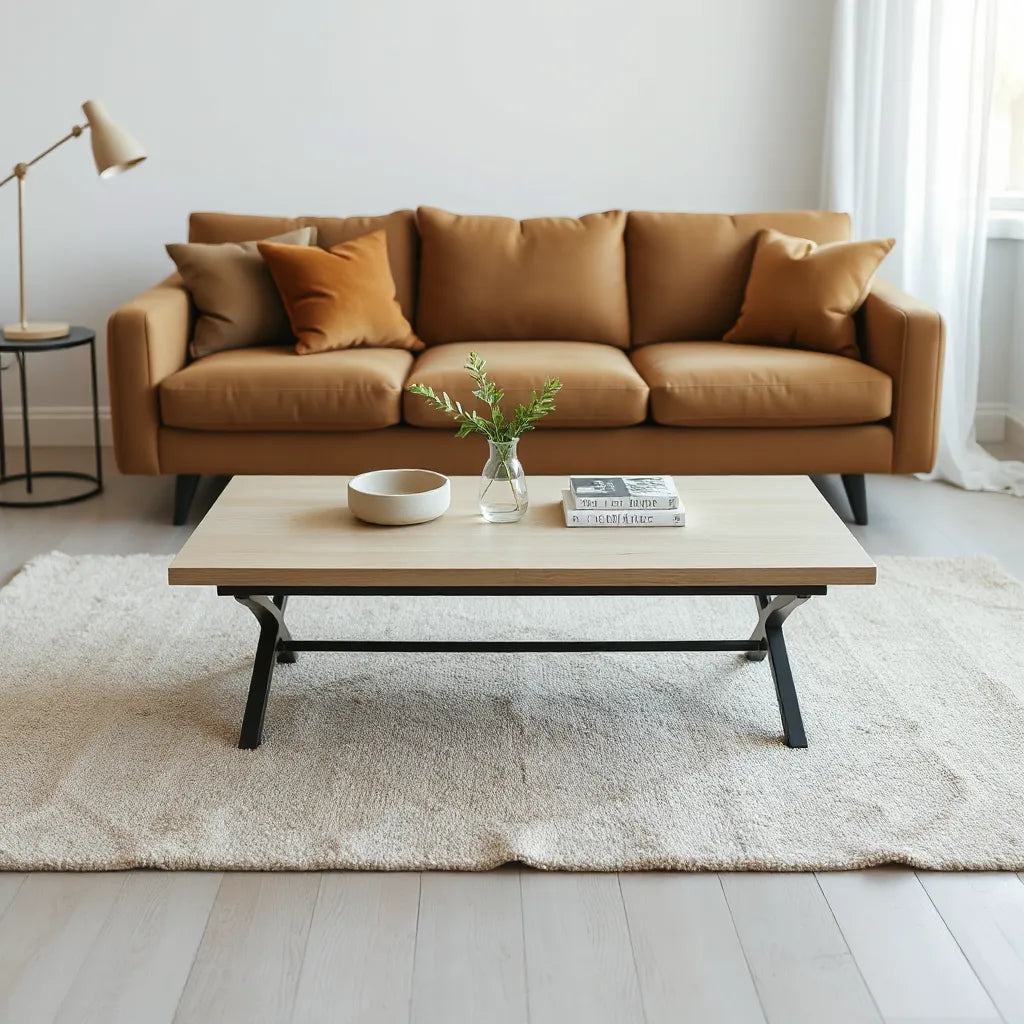
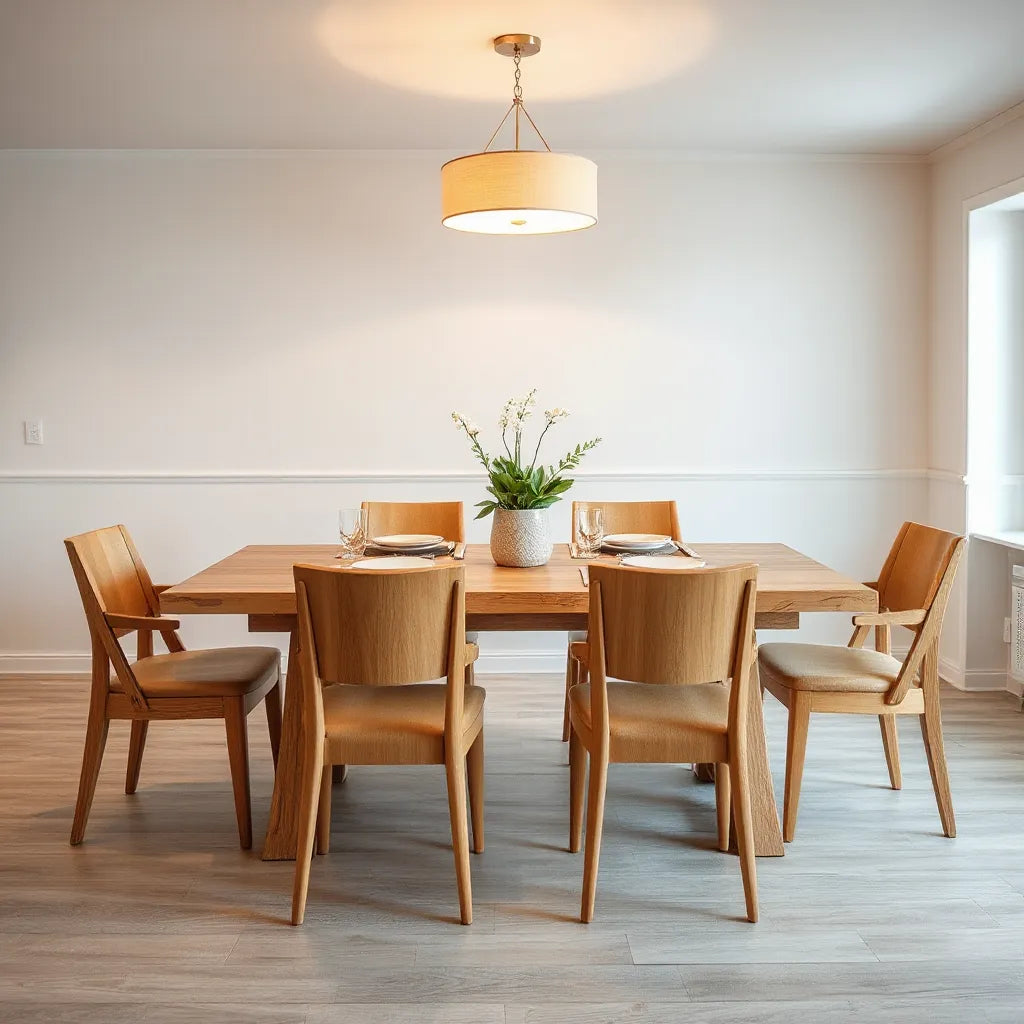
Layout map showing clearances and cohesive material tones
Visual guidance: styling and placement
Even a well-built chair can look out of place if placement and styling are not aligned. The following visual ideas help you plan a cohesive seating zone without relying on guesswork.
- Centered seating: Keep chair spacing consistent around the table for a balanced look.
- Material harmony: Pair the chair finish with nearby wood tones, textiles, and lighting.
- Unblocked movement: Visualize the pull-out path so the chair does not collide with nearby furniture.
FAQ Section
What should I prioritize when choosing an Izumi Chair?
Prioritize room fit, comfort support, and construction durability. Start with measurements to ensure proper clearance, then evaluate seat stability and back support to match your typical sitting duration. Finally, choose materials that fit your cleaning routine.
How do I confirm the right chair size for my table?
Measure the space around the table and test the chair pull-out distance. Ensure there is enough room for comfortable movement and that your knees and feet are not constrained during sitting. If the chair arrangement feels cramped, adjust the number of chairs or reposition the table.
How can I keep the chair looking good over time?
Use gentle cleaning methods and wipe surfaces regularly. Address spills promptly and avoid harsh scrubbing. Periodically check fasteners and protect contact points to reduce wear from everyday movement.
Can the Izumi Chair work in different decor styles?
Yes, the Izumi Chair can integrate into multiple modern interior directions. Matching the chair finish with dominant room materials such as wood tones, metals, and textiles helps it blend naturally. Consistency in shape and color temperature usually creates a more cohesive result.
Summary & Final Thoughts
Selecting the Izumi Chair becomes straightforward when you use a structured approach: measure your space, evaluate comfort support, confirm durability, and align the chair with your interior style. This process helps you choose a chair that performs well during daily use and remains visually consistent over time. If you are ready to compare options, visit the Izumi Chair product page and review details that matter for your specific setup.
About the Author Section
Author: Nisu Home
Nisu Home specializes in home furnishing guidance with a focus on practical comfort, room planning, and durable material choices. The team aims to help customers select pieces that fit real living needs and align with modern interior standards. For curated options and layout inspiration, visit Nisu Home. Thank you for reading.

Leave a comment
This site is protected by hCaptcha and the hCaptcha Privacy Policy and Terms of Service apply.