


Updated on: 2026-07-13
Dining Tables shape how daily life flows in a home. They influence how people gather, how food is served, and how a space feels. Choosing the right size, material, and style helps you balance comfort with long-term usability. This guide explains how to select Dining Tables that fit your room, your habits, and your budget.
- 1. Key Benefits
- 2. Step-by-Step Guide
- 3. FAQ Section
- 4. Summary & Final Thoughts
- 5. About the Author Section
Key Benefits
Selecting Dining Tables well provides practical and aesthetic advantages. A thoughtful purchase supports comfort at every meal and improves the way the room functions.
- Better everyday comfort: Correct seating clearances reduce crowding and improve posture during long meals.
- More flexible space planning: The right dimensions support traffic flow, serving areas, and storage access.
- Stronger design coherence: Coordinating table style with your dining chairs and lighting creates a calm, intentional look.
- Longer product lifespan: Durable materials and proper care reduce wear, warping, and surface damage.
- Greater entertaining capability: Extending options and expandable layouts help you host without permanent clutter.
Step-by-Step Guide
1) Measure your space and define the dining zone
Start with a practical plan. Measure the room and identify where the table will sit. Keep at least a comfortable walking space between the table and walls or nearby furniture. If you plan to add a bench, account for its movement when someone sits down or stands up. For smaller areas, prioritize a compact footprint and consider a layout that supports both everyday meals and occasional hosting.
2) Choose the right table size for your seating needs
Dining Tables come in many formats, including rectangular, square, and round designs. Each shape affects how people sit and how the space feels. A rectangular table often supports multiple chairs along both long sides, which is useful for families. A round option encourages conversation because sightlines stay open. As a general planning approach, select a size that allows each person to eat comfortably without shoulder contact.
3) Match the table height to your chair and intended comfort
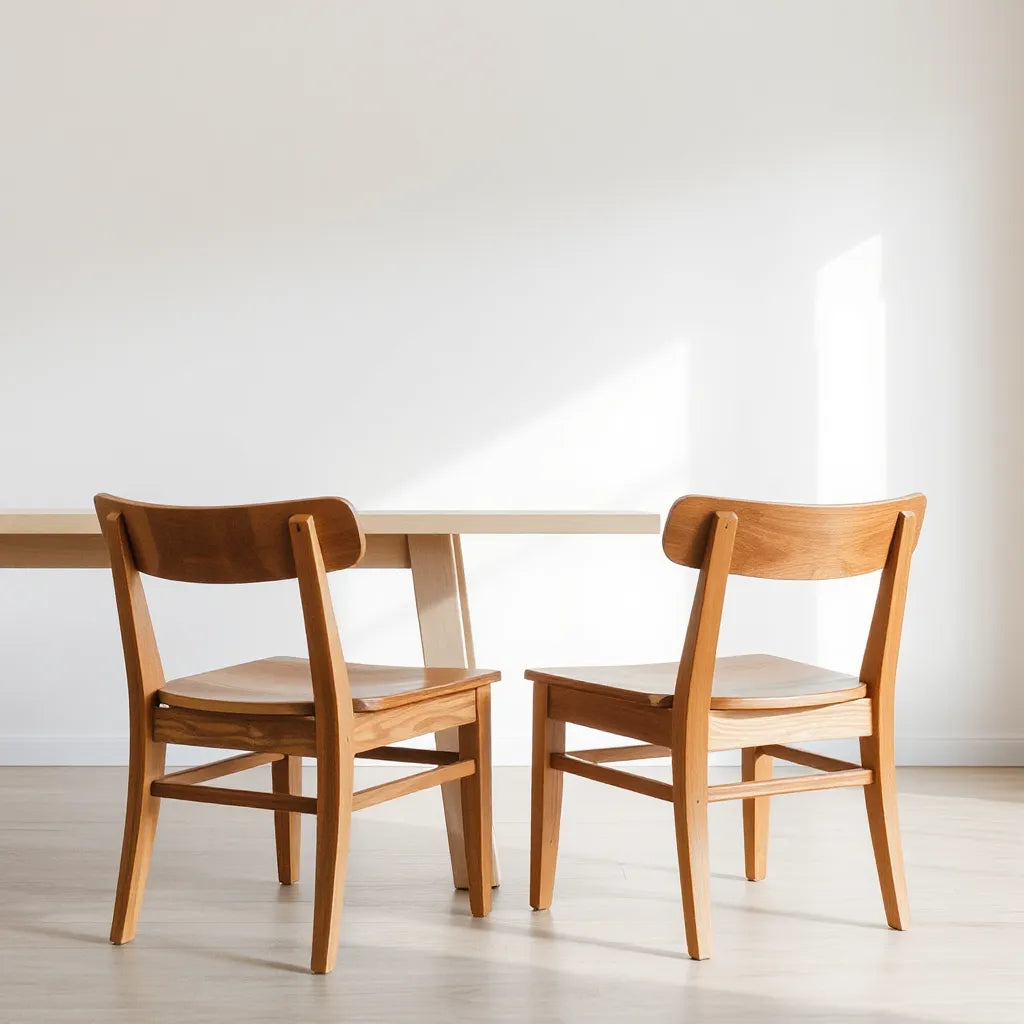
Table height is easy to overlook, but it affects seating comfort. When the table height aligns with chair design, diners can sit naturally and maintain relaxed arm positioning. Before purchase, confirm that your dining chairs pair well with the table. If you are building a set, choose chairs with compatible seat height and consider the presence of armrests, which can reduce effective space at the table.
4) Select materials based on maintenance and lifestyle
Material choice should reflect how you eat and how often you entertain. Wood tables offer warmth and natural texture, while metal or engineered surfaces can provide practical stain resistance. For households with frequent meals, prioritize surfaces that can be cleaned without aggressive chemicals. For humid climates, select finishes designed to handle moisture changes. The goal is to align material properties with your daily routine so the table stays attractive over time.
Layout sketch showing clearances and seating flow
5) Consider style balance: table, chairs, and lighting
A well-chosen dining set is not only about a single piece. Style cohesion matters. If your interior is modern, a dining table with straight lines and a minimal surface can create a clean look. In traditional spaces, a table with richer grain and classic proportions can add character. Lighting also plays a role. Overhead fixtures should sit low enough to define the dining zone but high enough to avoid glare and headroom issues.
6) Evaluate finishes for durability and appearance
Finishes impact both visual impact and real-world performance. A satin finish can hide small marks, while a high-gloss surface may highlight scratches. Consider how you will use placemats, coasters, and table runners. If you plan to use candles or hot dishes, ensure that your finish can handle routine exposure to heat. For long-term value, select a finish that remains easy to maintain while still matching your preferred aesthetic.
7) Decide on fixed versus adaptable designs
Adaptability is a major advantage when your household changes. Fixed tables are stable and straightforward, which suits steady everyday routines. Adaptable designs, such as extendable or leaf-based configurations, can support more guests during special occasions. If you frequently host, prioritize a design that expands without requiring extra storage. If space is limited, choose a format that keeps expansion efficient and does not disrupt walkways.
8) Plan for surfaces and add-ons that improve usability
Even the best Dining Tables benefit from thoughtful accessories. Use protective pads under dishes and serveware. Choose felt or silicone pads that do not trap moisture. For family meals, a wipeable table cover can prevent residue buildup while keeping the surface clean. Select centerpieces that respect dining clearance so serving remains easy. The best accessories support everyday convenience and do not visually overwhelm the table.
FAQ Section
How do I choose the correct Dining Table size for a small room?
Start by measuring the room and checking walkways around the table. Aim for seating that allows people to stand and sit without scraping chairs against walls. Consider a round or slim rectangular format to reduce the visual bulk. If you host occasionally, an adaptable table can provide flexibility without permanently consuming space.
What material is best for everyday use?
For daily meals, focus on surfaces that clean easily and resist common wear. Wood can be an excellent choice when paired with a protective finish and regular maintenance. Engineered or laminate options can provide practical durability with a consistent appearance. The best material depends on your cooking habits, cleaning routine, and exposure to moisture.
Should I prioritize style or comfort first?
Comfort should be the foundation, because a beautiful table that does not fit your seating habits becomes inconvenient. Once you confirm proper height, clearances, and chair compatibility, style selection becomes simpler. Align the table proportion with your chairs and lighting so the dining zone feels coherent and inviting.
Summary & Final Thoughts
Dining Tables are central to comfort, functionality, and room character. By measuring your space, selecting the right dimensions, pairing chairs for proper height, and choosing materials that match your lifestyle, you can confidently invest in a table that performs for years. If you are ready to refine your dining setup, explore curated furniture options and use the buying checklist in this guide to choose with clarity. For additional dining room inspiration, visit Nisu Home.
About the Author Section
Nisu Home
Nisu Home is a home design and furnishing expertise focused on practical room planning and durable style choices. The team supports customers with guidance on selecting furniture that fits real daily routines. For a coordinated dining look, consult a curated selection at Nisu Home. Thank you for reading, and may your dining space feel both functional and welcoming.
Disclaimer: This article provides general guidance on selecting dining furniture. Measurements and fit may vary by product design, room layout, and personal preferences. Always verify dimensions and compatibility before purchase.

Leave a comment
This site is protected by hCaptcha and the hCaptcha Privacy Policy and Terms of Service apply.