

Updated on: July 13, 2026
handcrafted wooden chairs combine material integrity, design discipline, and long-term usability. Buyers often face uncertainty about wood type, joinery quality, comfort, and care requirements. This guide explains what to inspect, which features matter most for daily seating, and how to match chairs to your room and lifestyle. You will also find practical comparison points, care routines, and decision steps that reduce purchase risk.
- Why handcrafted wooden chairs are worth the investment
- Common Challenges When Buying Handcrafted Seating
- How to Choose the Right Chair for Your Space
- Material and Build Quality Checklist
- Comparison: Handmade vs. Mass-Made Wooden Chairs
- Summary & Recommendations
- Q&A
- About the Author
Why handcrafted wooden chairs are worth the investment
Choosing handcrafted wooden chairs is not only about appearance. It is also about structure, feel, and performance over time. A well-made chair reflects careful selection of lumber, responsible joinery, and finishing that is intended for years of everyday use. When you understand what drives durability and comfort, buying becomes more predictable.
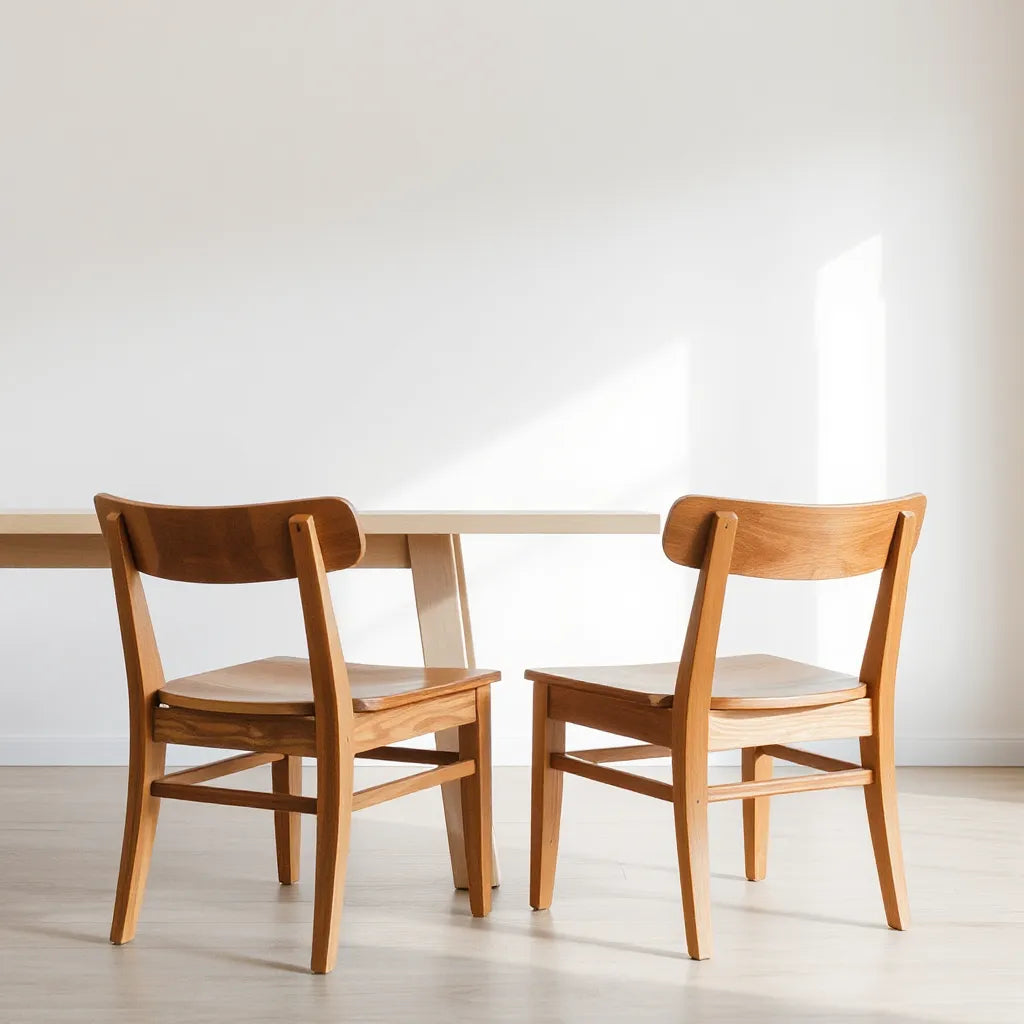
Handcrafted chairs usually emphasize craftsmanship details that you can see and sometimes feel. Tight-fitting joints reduce wobble. Balanced proportions support better posture. Thoughtful sanding and edge shaping improve comfort at contact points. Even subtle choices, such as how the legs are braced and how the seat surface is finished, influence stability and day-to-day use.
Another advantage is that handcrafted furniture can adapt to your interior style. Wood tones and grain patterns are distinct, so your seating can look intentional rather than generic. In addition, solid wood can respond well to proper care. With correct cleaning and humidity management, many chairs remain serviceable for a long lifespan.

Joinery and grain details in a handcrafted chair
Common Challenges When Buying Handcrafted Seating
Even experienced shoppers can struggle with a few recurring issues. These are practical concerns, not abstract preferences. Addressing them early helps you buy with confidence.
Comfort that matches real usage
Many buyers focus on looks first, but comfort decides whether a chair becomes your daily favorite. Seat height, depth, and back support must align with your typical sitting posture. For dining areas, chair height should coordinate with table clearance so knees and feet rest naturally. For work-adjacent seating, you should consider how long you will sit and whether the chair supports frequent posture changes.
Solution: measure the space you have. Record table height, floor-to-seat preference, and clearance for movement. Then evaluate seat contours and edge shaping. Chairs that avoid sharp corners and provide comfortable contact surfaces usually feel better over longer periods.
Stability and movement over time
Unwanted wobble often comes from inconsistent joinery, uneven leg alignment, or poor connection between frame components. Even if a chair feels sturdy initially, movement can increase after repeated use, especially in high-traffic areas.
Solution: inspect for tight joints, consistent leg contact with the floor, and secure hardware. When you gently test the chair, the frame should resist twisting and shifting. If a chair includes adjustable feet, confirm that adjustment range is adequate for your floor.
Finish durability and maintenance expectations
Wood finishes vary widely. Some finishes look beautiful but may be more sensitive to daily wear, heat, or moisture. Others are more resistant and easier to maintain.
Solution: ask what kind of finish is applied and whether it is designed for indoor use with normal household conditions. Then commit to a realistic care routine. Most damage is not sudden; it is cumulative. Using coasters, avoiding prolonged dampness, and cleaning with non-abrasive methods can preserve the finish.
How to Choose the Right Chair for Your Space
After you clarify your goals, you can select a chair that fits both style and function. The most reliable approach is to work in three layers: spatial fit, use case, and aesthetic alignment.
Step 1: confirm spatial fit
Begin with measurements. You need enough seat clearance for people to sit and stand comfortably. Consider aisle width, chair-to-chair spacing, and how far chairs will slide when pulled out. If your dining space is tight, prioritize chairs with slimmer frames and careful leg placement.
Also consider vertical clearance. If you choose chairs with higher backs, ensure there is adequate distance from the underside of pendant lights, ceiling fixtures, or wall shelves.
Step 2: define the use case
Not all seating needs the same support. For dining, the chair must coordinate with table height and encourage natural reach. For lounges or occasional sitting, comfort at rest becomes more important than strict posture. If the chair will be used in a workspace, you should prioritize ergonomic support and stable leg geometry.
Solution: match the chair type to your routine. If you expect frequent movement, choose a stable frame that tolerates repeated positioning.
Step 3: align with design goals
Handcrafted wooden chairs come in different tones and grain expressions. You can select a chair that blends with existing wood pieces or acts as a contrast point. A consistent color temperature helps. If your room includes warm cabinetry and flooring, warmer wood tones usually look cohesive. If your space is cooler and minimalist, a lighter stain can integrate more smoothly.
Solution: bring the chair into the room by choosing finishes that do not fight your existing materials. Also consider how light changes throughout the day, since wood grain can appear different in morning and evening lighting.
Material and Build Quality Checklist
A reliable way to evaluate handcrafted chairs is to examine three categories: wood selection, construction method, and surface finishing. This is where quality becomes visible.
Wood selection: grain, stability, and source
Wood species affect appearance and performance. Some woods naturally resist dents, while others show character through grain variation. Stability also matters. Boards that are too dry or too green may move with changes in humidity.
Solution: look for consistent frame alignment, clean joinery edges, and a finish that does not hide everything. Grain should appear intentional, not random patchwork.
Construction method: joinery that limits wobble
Strong joinery helps a chair keep its shape under daily use. Common quality indicators include tight fits, correct alignment, and joints that distribute stress across the frame. The goal is to reduce stress concentration at a single point.
Solution: inspect corners and leg connections. If the chair is built with reinforced structural elements, it usually feels more stable and remains steady as you move it.
Surface and comfort: edges, seat texture, and finish
Comfort is influenced by how edges are shaped and how the seat surface is treated. Rounded edges on the seat perimeter and leg contact points reduce discomfort. A seat finish that is smooth but not slippery improves everyday usability.
Solution: use a simple tactile check. Run your hand along edge transitions. The chair should feel even and consistent, without rough patches.
Handcrafted chairs also benefit from thoughtful proportions. When seat depth matches typical comfort expectations, people can sit with better balance. That balance reduces fidgeting and improves the perception of comfort.

Care routine icons for wood furniture maintenance
Comparison: Handmade vs. Mass-Made Wooden Chairs
Every buyer wants value. Value is not only about the price tag. It is about the tradeoffs you accept: time to break in, expected wear, and how easily the chair retains its appearance.
| Criteria | Handcrafted wooden chairs | Mass-made wooden chairs |
|---|---|---|
| Build details | Often emphasizes joinery alignment and refined finishing | Varies widely; may prioritize speed and uniformity |
| Stability over years | Usually stronger frame design choices and tighter joints | May show increased movement depending on components |
| Comfort feel | Edges and seat surfaces often tuned for comfort | May feel flatter or less contoured |
| Appearance uniqueness | Wood grain and tone differences create character | More standardized appearance |
| Care expectations | Best results with gentle cleaning and humidity awareness | Care needs vary by finish type |
If you value long-term stability, comfort, and a refined look, handcrafted options usually deliver stronger outcomes. If you need a temporary solution with fast availability, mass-made chairs can still work. The right choice depends on how long you plan to keep your seating.
Summary & Recommendations
Handcrafted wooden chairs are a practical investment when you select for build integrity, comfort fit, and finish suitability. To reduce risk, evaluate chair stability, inspect joinery and edge finishing, and ensure the chair dimensions match your table and room layout. These steps make your purchase more predictable and improve satisfaction after installation.
If you are curating a dining area, prioritize consistent seat height and reliable frame alignment. If you are styling a living or reading corner, select wood tones that blend with existing surfaces. Either way, commit to proper care: use non-abrasive cleaning methods, protect finishes from prolonged moisture, and manage indoor humidity.
For shoppers who want a ready-to-consider example from the same general design category, you can explore this option:

Additional guidance can be useful when comparing seating types. You may also review related chair options on Izumi chair and Toshiro chair for different stylistic directions.
Finally, consider how the chair will age in your environment. Well-built handcrafted wooden chairs often maintain their appeal because the materials are selected for long use and the construction focuses on stability.
Q&A
What should I check first when evaluating handcrafted wooden chairs?
Start with stability and edge finishing. Inspect joints for tight alignment and confirm that all legs make full contact with your floor. Then check seat comfort by looking at seat depth, edge rounding, and how the chair feels when you sit. These are high-impact indicators of daily usability.
How do I maintain a wooden chair finish without damaging the surface?
Use a soft, dry cloth for routine cleaning and a slightly damp cloth when needed. Avoid abrasive cleaners and prolonged moisture exposure. Protect the chair from direct heat sources and use coasters or placemats where spills are likely. With consistent gentle care, the finish typically stays even and presentable.
Are handcrafted wooden chairs suitable for households with active daily use?
They can be suitable when the chair is constructed with stability-focused joinery and an appropriate finish for indoor environments. For active households, prioritize sturdiness, choose a finish designed for everyday conditions, and adopt basic protective habits, such as using mats and avoiding impacts. Quality construction often reduces the appearance of wear over time.
How can I compare chairs when wood tones look different under various lighting?
Assess the chair in the room where it will be used. Natural light and indoor lighting can change the perceived warmth of wood grain and stain. View the chair during both daytime and evening hours. If possible, compare it against nearby surfaces, such as flooring and cabinetry, to ensure the overall color relationship remains cohesive.
Where can I find curated seating and related home items?
You can browse NuvaHaven for a broader selection of home styles. When evaluating any store, prioritize item specifications, material descriptions, and clear images that show construction details.
About the Author
Nisu Home is a home-focused team with expertise in furniture selection, material understanding, and practical styling guidance. We help buyers choose pieces that align with room performance needs and long-term durability. Our goal is to make product decisions clear, objective, and confidence-building. Thank you for reading, and we hope you find the right chair for your space.
Disclaimer: This article is for general informational purposes only. Product availability, specifications, and material performance may vary by manufacturer and finish type. Always follow care instructions provided by the seller and evaluate products with your own measurements and usage needs.


Leave a comment
This site is protected by hCaptcha and the hCaptcha Privacy Policy and Terms of Service apply.