

Updated on: 2026-07-16
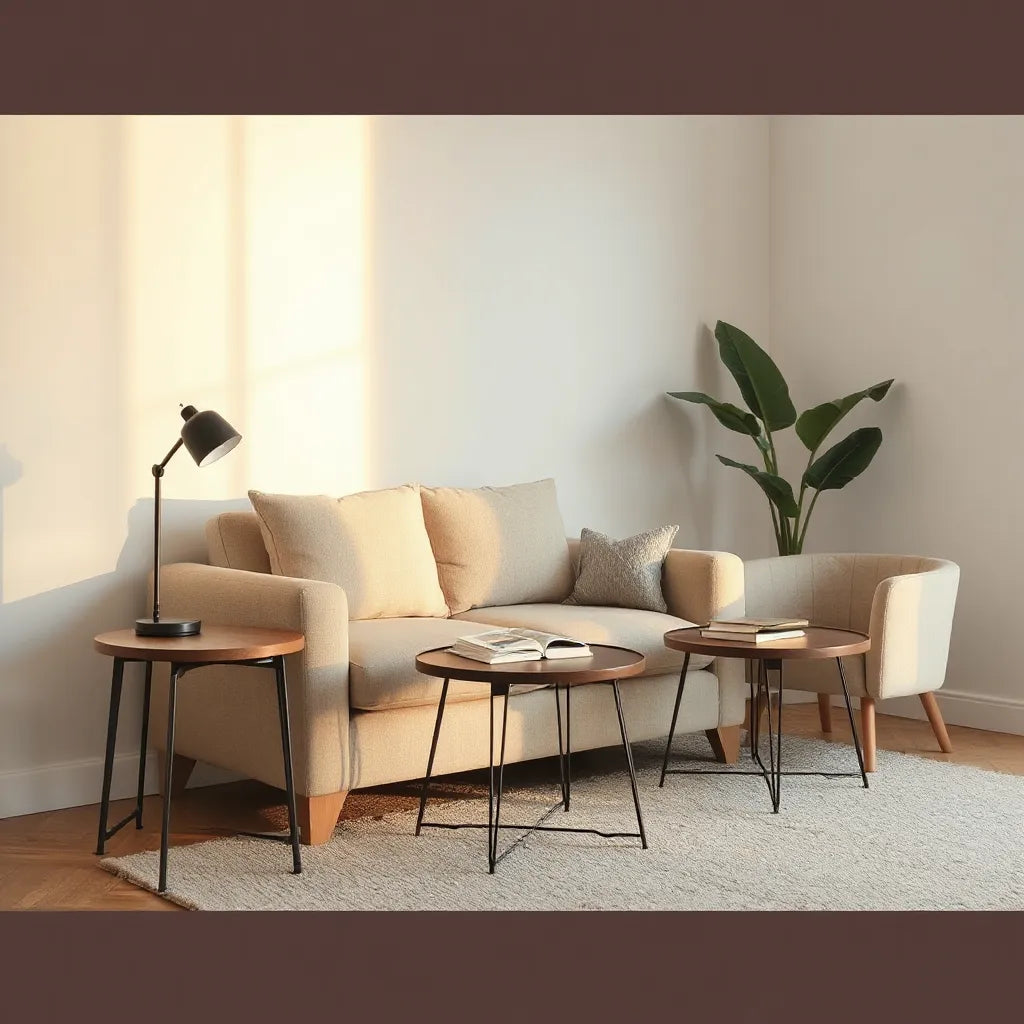
Side Tables are small pieces with outsized impact on comfort and usability. They help you keep everyday items within reach while improving the balance of a room. The right size, height, and finish can make a space feel intentional rather than cluttered. This guide covers selection criteria, placement strategies, and style pairing so your purchase supports both function and aesthetics.
Introduction
Side Tables are practical furniture that support everyday routines, from holding a drink to staging a lamp or display. They can also reduce visual clutter by consolidating small items in one place. In living rooms, they bridge the gap between seating and storage. In bedrooms, they offer a convenient surface beside a bed. In offices, they can act as a compact workstation add-on for paper, a planner, or a small printer.
Choosing the right piece requires more than selecting a color you like. You need to match the dimensions to the room, align the height with nearby seating, and choose a finish that harmonizes with existing materials. The guidance below is designed to help you make a confident decision that improves both usability and style.
Step-by-Step Guide
Use the steps below to select Side Tables that fit your layout and your long-term needs.
-
Measure the space where the table will live. Determine the maximum width and depth you can accommodate without blocking walkways. Pay attention to door swings, circulation paths, and the distance between seating and wall areas. If you use more than one table, confirm that you will not crowd the room when you pull chairs or open storage.
-
Set the target height based on the primary use. If the table will function as a place for drinks, align the top surface with the arm height of nearby seating for comfortable reach. If it is for reading, align it so a lamp and book are easy to access without straining. For decor-only placement, the exact height is less critical, but visual proportion still matters.
-
Choose a surface type that matches your daily routine. For frequent use, select a stable top that resists everyday wear. If you plan to store remotes or chargers, consider tables with shelves or baskets that keep items contained. If you prefer a minimal look, select clean lines and an uncluttered tabletop.
-
Decide on storage needs before style. Storage is not only about capacity. It also shapes the look of your room throughout the week. A table with a lower shelf can hide small items that would otherwise accumulate on top. A table with an open design can keep the area feeling airy.
-
Match the design language to your existing furniture. Consider the shapes and profiles you already have. If your room uses rounded edges and softened silhouettes, choose a table with compatible curves. If your room is defined by straight lines and structured forms, select a piece that mirrors that geometry.
-
Select finishes for both appearance and maintenance. Wood tones, metal accents, and composite surfaces each require different care habits. Choose finishes that complement your floor and larger furniture, while remaining practical for your household. Consistent undertones across the room make the space feel cohesive.
-
Confirm stability and safe placement. A side table should not wobble, especially if it will hold a lamp or a heavier item. Verify that the legs are balanced for your floor surface and that the table will not interfere with foot traffic.
How to Decide the Best Height and Surface
Height affects comfort and the overall look of a room. When Side Tables are too low, items feel inconvenient to reach. When they are too high, they can visually dominate the space and disrupt the natural sightlines across a seating area. Start with the room’s primary activity: resting a drink, placing reading materials, or displaying decor.
For a living room, aim for top alignment that supports easy hand placement from the sofa or armchair. For a bedroom, coordinate the height so bedside essentials remain within reach at night. In both rooms, prioritize a surface that suits the items you actually use. Smooth tops work well for drinks and decor. Textured surfaces can help hide minor marks but may require more attention when cleaning.

Height guides: seat, arm reach, and lamp placement
Tips
- Use one table as an anchor, then add symmetry if desired. A single table can be a focal point. Two matching tables create balance, especially in bedrooms.
- Keep a clear walkway. A narrow room becomes uncomfortable quickly when a table reduces circulation space. Maintain room to move around furniture comfortably.
- Plan for cables if you use lighting or charging devices. If you place a lamp or charge a phone nearby, choose a layout that does not trap cords underfoot.
- Layer style with accessories, not clutter. Add a tray, a small vase, or a book stack to make the table feel styled. Rotate seasonal decor to keep the surface fresh.
- Consider visual weight. A darker finish can feel grounded, while a lighter finish can make the room feel open. Use this intentionally.
- Think about maintenance before purchase. If you clean frequently, choose materials that match your cleaning routine. Smooth surfaces are generally easier to wipe down.
When you are also selecting chairs or nearby seating, pair the overall proportions. For example, a compact living room can benefit from cohesive silhouettes. If you are exploring dining or lounge arrangements that connect visually to your living space, you may find helpful options on these pages: structured seating and balanced chair profiles.
Matching Materials and Finishes
Side Tables appear in many styles, from minimalist designs to more decorative forms. The key is to match materials and finishes with the rest of the room so the table feels integrated rather than inserted. Start by identifying the dominant finish in the space: the tone of wood floors, the color of cabinetry, or the metal accents on light fixtures and hardware.
When coordinating, prioritize undertone consistency. Warm wood tones often pair best with warm metals. Cool grays and lighter woods can connect more naturally with silver-toned finishes. If you have multiple materials in the room, a table with mixed elements can help bridge the gap. However, avoid bringing in too many distinct finishes at once. Two complementary finishes plus one accent is usually sufficient.
Also evaluate the tabletop finish in relation to daily use. If the table will host drinks, a finish that resists water marks and easy wipe cleaning is advantageous. If it is mostly for decor, you can be more flexible with texture and sheen. The goal is to select a finish that remains attractive under your real usage, not only under ideal conditions.

Finish pairing: warm wood, cool metal, and soft textiles
Styling Ideas for Different Rooms
Living rooms
Use a Side Table to connect seating to function. Place a lamp so the light source supports reading without glare. Add a slim tray for remotes and small items. If you style with books, keep the stack low enough that it does not tip visually into clutter. For open layouts, position the table to guide movement rather than obstruct it.
Bedrooms
Bedside Side Tables should support nighttime routines. Choose a top surface that can hold a phone, a glass of water, and a book. If you prefer a calm look, keep the top minimal and store items in a drawer or shelf. Symmetry can create a hotel-like feel when both sides match. If your bedroom layout is irregular, a single table paired with a lamp can still look deliberate.
Home offices
In an office, Side Tables often act as an extension of desk functionality. Use one as a staging area for paper, a cup of pens, or frequently used folders. A table with a shelf can store reference materials and reduce desk clutter. Keep the finish consistent with your desk and monitor setup for a cohesive work environment.
Entryways and hall spaces
Even small entry areas can benefit from a table that provides landing space for keys, mail, or a small plant. Choose a size that fits behind doors and does not block entry flow. If the table is near a wall, ensure it has enough clearance for comfortable use.
Common Mistakes to Avoid
- Ignoring height alignment. A table can look correct yet feel inconvenient if it is not proportionate to the seating or bed height.
- Overcrowding the surface. If every item is visible, the room can feel busy. Use trays and storage to keep surfaces calm.
- Choosing style first without measuring. A beautiful design is not useful if it blocks movement or creates tight corners.
- Forgetting floor stability. Wobble increases the risk of spills and makes daily use frustrating.
FAQs
What is the ideal height for Side Tables next to a sofa?
A practical target is to align the tabletop with the seat or arm area so items can be reached comfortably without leaning. Measure the arm height of your sofa or armchair, then select a table height that places the surface at a convenient level for drinks and everyday items.
Should Side Tables match exactly across a room?
Exact matching is not required, but visual harmony matters. Two tables can be symmetrical for balance in bedrooms and paired seating areas. In other spaces, complementary designs with similar proportions and finish undertones often look more natural than identical pieces in every detail.
What materials are best for frequent daily use?
For daily use, prioritize stable construction and surfaces that are easy to wipe clean. Wood with a durable finish, engineered surfaces designed for home use, and sealed metal components typically perform well for routine placement of lamps, drinks, and small decor items. Choose based on your cleaning habits and the room’s activity level.
Wrap-up & Final Thoughts
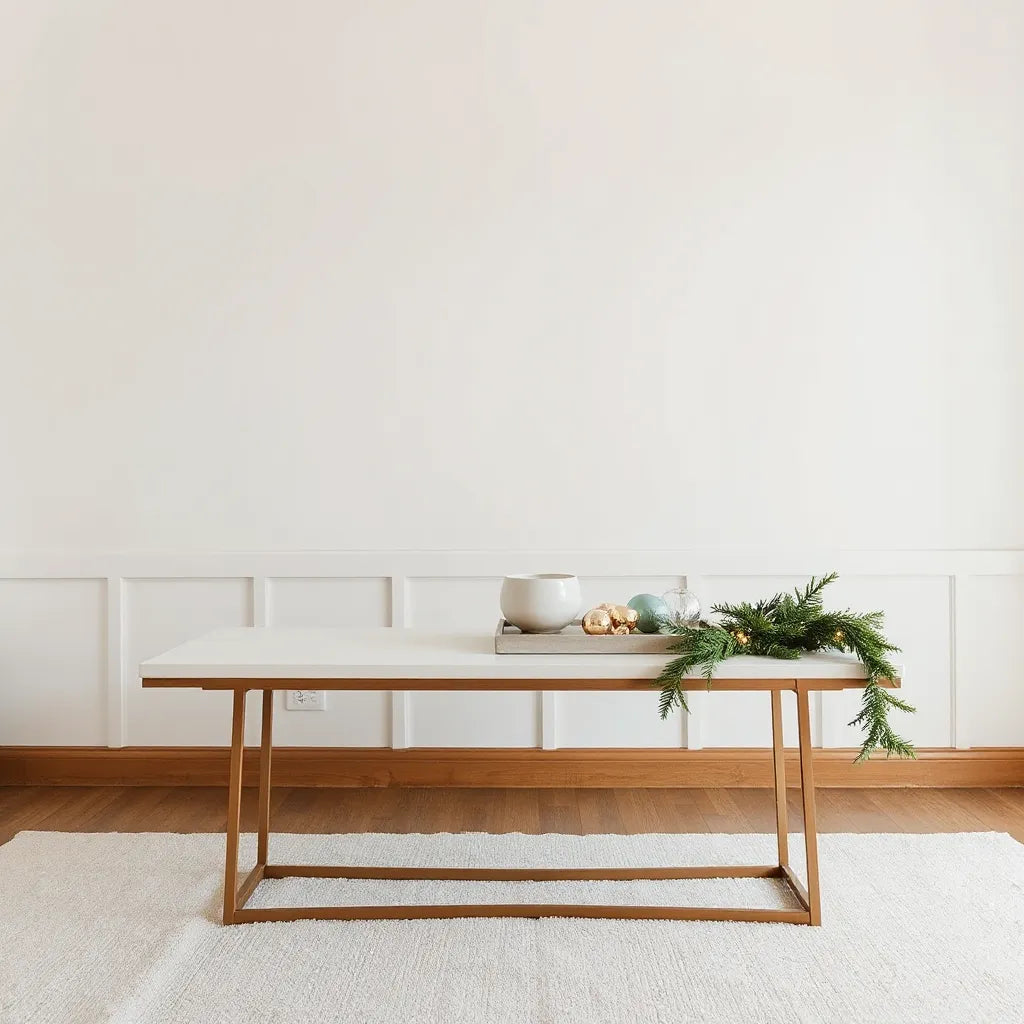
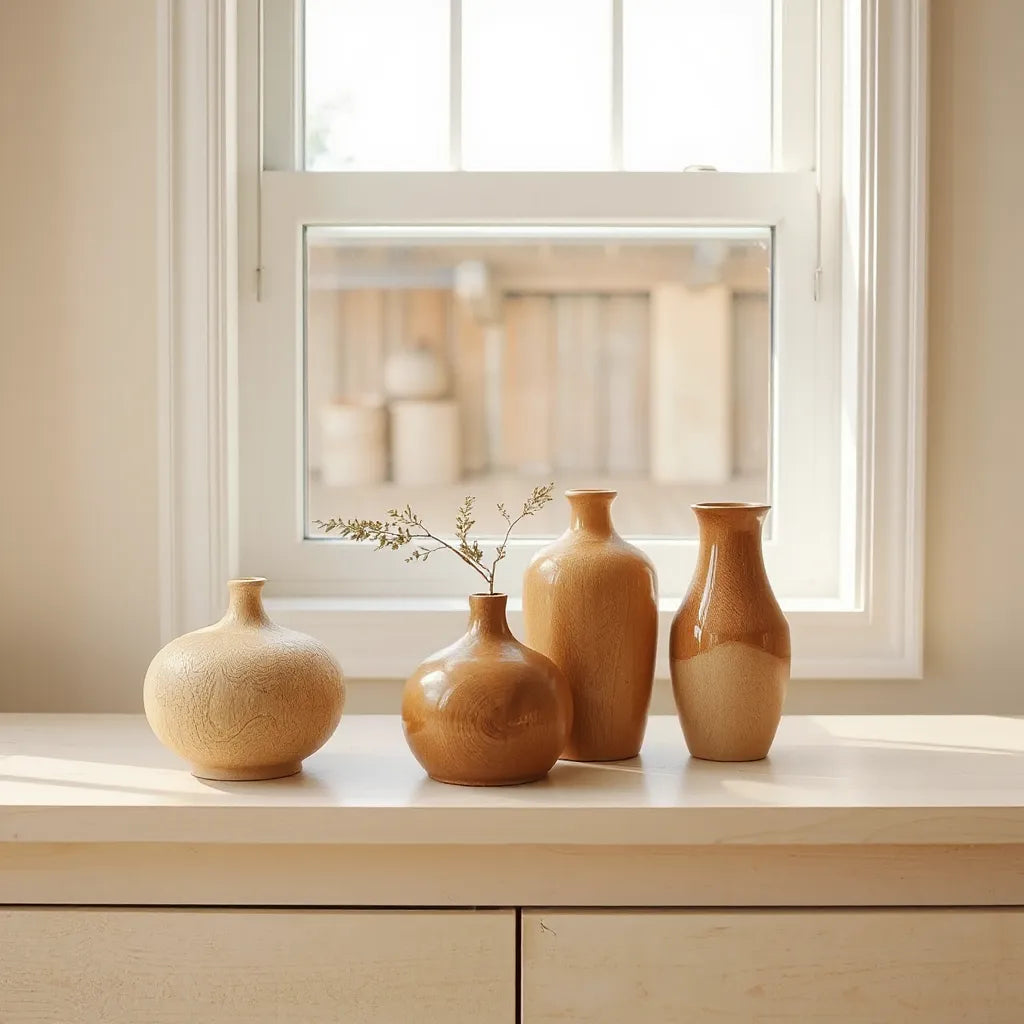
Side Tables are a functional upgrade that also supports better visual structure in a room. When you measure accurately, choose an appropriate height, and match finishes to your existing furniture, the result is furniture that feels intentional and practical. Select storage features based on how you live, then refine the look with simple styling through trays and a few meaningful accessories. For a cohesive home aesthetic, you can also coordinate seating profiles with the rest of your space by reviewing options such as a complementary coffee table style and a storage-forward cabinet approach.
Make the table work for your routine first, then let the design refine the room.
About the Author
Nisu Home specializes in modern home furnishings and practical styling guidance. The team focuses on helping customers choose pieces that improve daily usability while maintaining a refined visual balance. If you want your space to feel more organized and comfortable, start with the small elements that make routines easier. Thank you for reading, and may your next purchase support both function and style.
Disclaimer: This article is for general informational purposes only and does not provide professional design, measurement, or installation advice. Always confirm dimensions, compatibility with your existing furniture, and product care requirements before purchasing.

Leave a comment
This site is protected by hCaptcha and the hCaptcha Privacy Policy and Terms of Service apply.