

Updated on: 2026-07-15
Ornaments can transform a room from plain to intentional. They add color, texture, and a personal rhythm to everyday spaces. The right selection also supports practical organization by defining zones and visual flow. This guide covers how to choose, place, and care for decorative accents without overpowering your interior.
Ornaments: A Practical Guide to Choosing, Styling, and Maintaining Decorative Accents
Ornaments are more than finishing touches. They shape mood, guide the eye, and communicate taste through color, form, and material. A well-planned selection supports both beauty and function, especially in homes where natural light changes throughout the day.
To make ornaments work consistently, begin with a clear approach. Decide what you want each area to feel like, then choose items that match that intention. After that, use simple placement rules and ongoing maintenance to preserve their appearance over time.

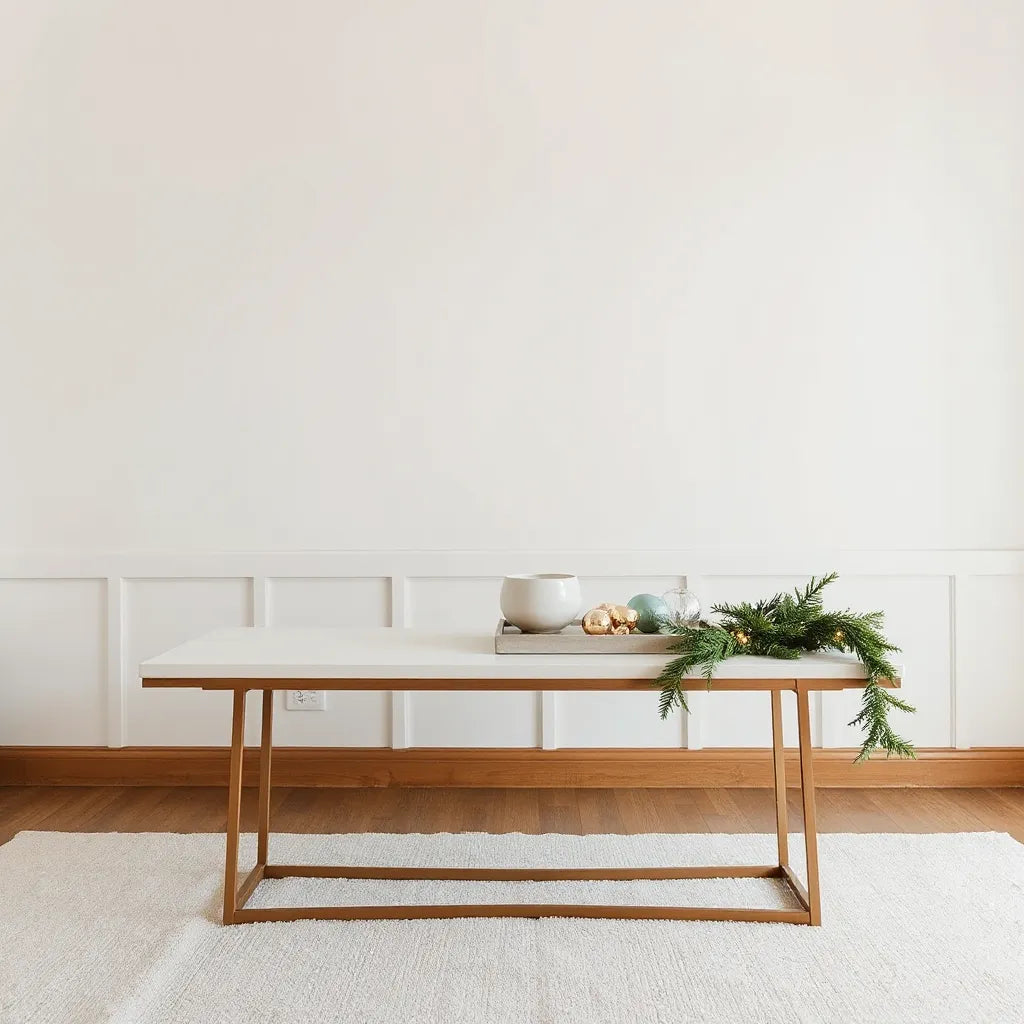
Layered shapes and textures for a balanced display
Step 1: Define the role of your ornaments in each space
Start by assigning a purpose to your decorative accents. Common roles include creating a focal point, adding warmth to a neutral palette, filling vertical space, or softening hard surfaces. When ornaments are chosen for a clear role, the overall look becomes easier to control.
Use the room’s existing design cues. If your space features strong lines and minimal surfaces, ornaments with sculptural or geometric character can add structure. If your space is already highly textured, smaller and more uniform ornaments often create calmer balance.
Step 2: Select a cohesive theme with flexible material options
A theme does not require strict matching. It requires harmony. You can build cohesion through one unifying element such as tone, material family, or finish. Consider combining metals with ceramics, or wood tones with textile textures, as long as the visual weight feels even.
For most interiors, a good baseline is to include two primary materials and one supporting material. For example, you might use a ceramic-like texture for softness and a metal-like finish for contrast, then add a smaller accent in a third tone. This approach prevents the arrangement from looking scattered.
Step 3: Use scale and proportion to avoid clutter
Ornaments should respect the room’s scale. A common mistake is using many items that compete for attention. Instead, group items by size. A practical method is to combine one larger decorative presence with two to four smaller companions. This ratio creates visual hierarchy without overwhelming shelves or tabletops.
Also consider height. If you place ornaments on a surface, add a vertical element when possible, such as a taller shape or an elevated arrangement. This helps the display feel intentional and less like it was randomly placed.
Step 4: Place ornaments with a layout rule, not only aesthetics
Placement should support how people move through a room and how the eye travels. Use these simple layout rules:
- Anchor rule: Position at least one ornament near the center of the visual field, such as the middle of a console or the center of a shelf.
- Spacing rule: Leave breathing room between items so details remain readable.
- Edge rule: For long surfaces, cluster ornaments toward one end or distribute them in a controlled rhythm rather than placing them evenly across the entire length.
When you style ornaments near functional pieces, the goal is to create a cohesive scene rather than a separate display. A bar stool area, a side seating corner, or a dining setup can all benefit from coordinated accents through color echoes and consistent finishes.
Step 5: Coordinate ornaments with seating and surfaces
Decorative accents look more refined when they harmonize with the surrounding furniture. Choose color signals that repeat lightly, rather than duplicate exactly. For example, if your seating includes warm wood tones, ornaments with similar warmth can create continuity.
In a bar or counter setting, you can bring balance to the area by selecting accents that match the finish language of your seating. If you are building a coordinated look, you can reference Nisu Home seating options such as bar stool styling or explore a different finish direction with counter seating options.
Step 6: Maintain ornaments using a low-risk cleaning routine
Maintenance is what keeps ornaments looking premium. Dust regularly to prevent buildup, especially on carved surfaces and textured finishes. Use soft cloths and gentle methods designed for the material type. Avoid harsh chemicals unless the ornament material is confirmed to tolerate them.
If ornaments include glass-like elements, clean with a lint-free cloth and a minimal amount of cleaner recommended for delicate surfaces. For stone-like or ceramic textures, wipe with a slightly damp cloth and dry thoroughly. For metal finishes, keep them dry after cleaning to reduce the appearance of spotting.
Also inspect your display location. Places near high airflow or direct sunlight may cause fading for some finishes. Rotating ornaments seasonally can help maintain consistency.

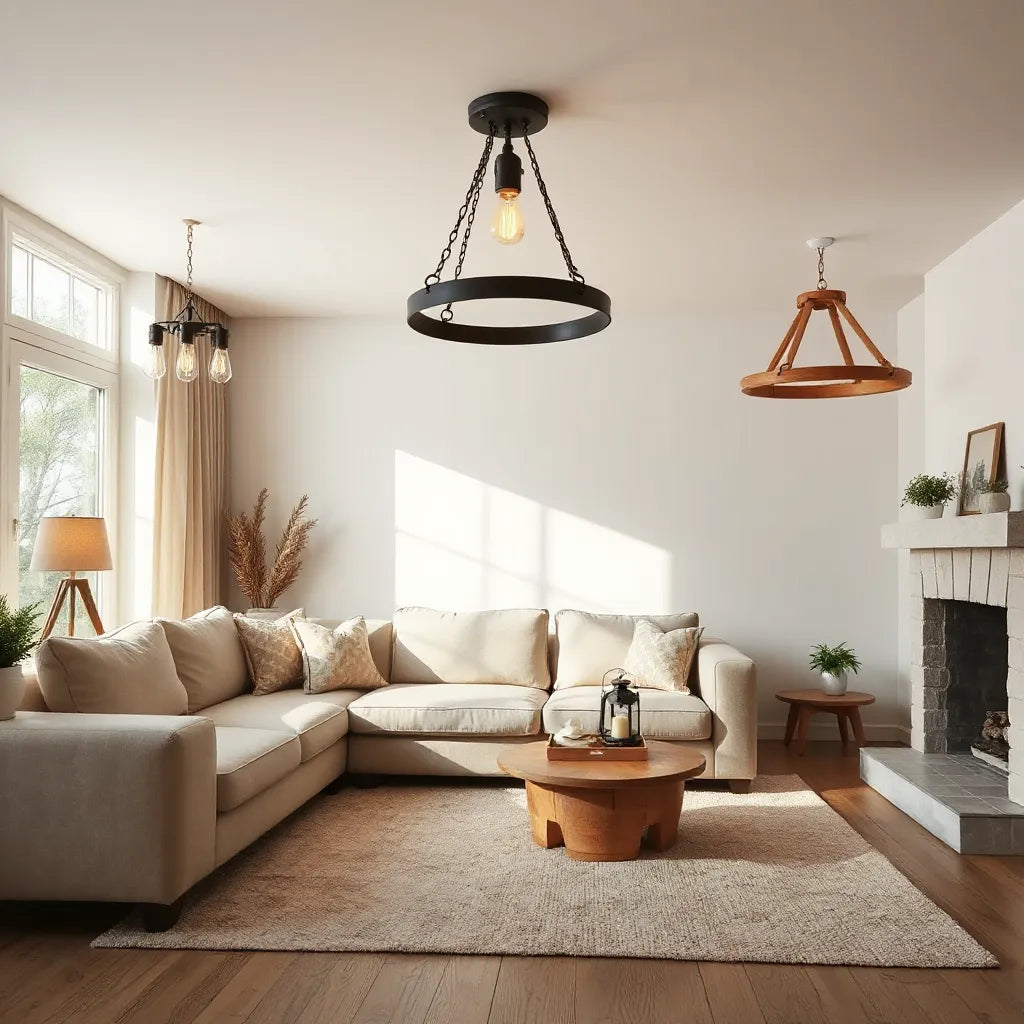
Warm seasonal palette with organized shelf composition
Step 7: Refresh your look with seasonal rotations
Ornaments do not need to be replaced to keep a room feeling current. Instead, rotate a portion of your display. Swap color accents, add a softer texture grouping, or adjust placement height to reflect seasonal light and mood. This method is cost-effective and supports a long-term style plan.
When you refresh seasonally, keep the base style stable. Maintain your preferred materials and scale rules, then change only one styling variable such as color temperature or texture intensity. This prevents the room from looking like it was redesigned from scratch each time.
Key Advantages of Using Ornaments with Intention
Ornaments deliver impact when they are selected thoughtfully. The benefits are both visual and practical, especially in everyday living spaces where details matter.
- Improved visual balance: Proper ornaments create hierarchy and reduce empty-looking corners.
- Stronger style consistency: A cohesive set of decorative accents helps the room feel curated rather than accidental.
- Faster room refreshes: Seasonal rotation allows a new mood without major renovations.
- Better use of surfaces: Ornaments can define zones on consoles, shelves, and tabletops while keeping items organized.
- Enhanced texture and depth: Mixing materials and forms adds dimension that flat décor cannot replicate.
For dining and living rooms, ornaments can also support the overall flow between furniture and wall spaces. When your seating area includes thoughtful placement and coordinated materials, the entire design becomes more unified. If you are building a cozy seating corner, consider pairing decorative accents with a consistent furniture language, such as a defined chair style, then echo colors lightly in your ornamental display.
How to avoid common styling errors
Even well-intentioned ornaments can reduce clarity if the styling plan is not controlled. Watch for these issues:
- Overcrowding: Too many items can flatten the display. Reduce the number and increase spacing.
- Inconsistent finish levels: Mixing glossy and matte without balance can create visual noise. Keep finishes aligned within a small range.
- Wrong scale: Oversized ornaments in small spaces can block the room’s openness. Adjust size according to surface dimensions.
- Color overload: Too many saturated colors can compete with furniture and textiles. Use one dominant color signal and support with neutral tones.
Summary & Next Steps for Ornament Styling
Ornaments help you shape a room’s mood through color, texture, and proportion. To achieve a refined result, define each piece’s role, select materials that harmonize, and place items using simple layout rules. Maintain them with consistent, gentle cleaning and refresh the look through controlled seasonal rotations.
Next steps:
- Choose one room and identify the focal area you want to improve.
- Select ornaments that share a theme through tone, material family, or finish language.
- Apply the grouping ratio: one larger presence plus smaller companions with clear spacing.
- Plan a light seasonal update by changing only one styling variable.
If you want a coordinated interior direction, use furniture as your baseline and let ornaments echo it in restrained ways. This creates a look that stays elegant year-round.
Q&A Section
How many ornaments should I display in one area?
A practical approach is to limit the display to a focused group. Start with one larger piece and two to four smaller companions. If the area feels crowded, remove items until each ornament detail remains visually distinct.
What materials work best together for ornaments?
Materials work best together when they share a common finish direction or visual weight. Commonly successful combinations include ceramic-like textures with metal-like finishes, or wood tones with textile-like textures. Keep the number of main material families low so the display remains coherent.
How do I prevent ornaments from looking cluttered on shelves?
Clutter usually comes from insufficient spacing and inconsistent scale. Maintain clear gaps between pieces and group items by height. Use a visual anchor in the center or near one end, and keep the rest of the display supportive rather than competing.
About the Author
Nisu Home
Nisu Home focuses on interior styling and product presentation with an emphasis on practical elegance. The team brings expertise in home design principles, material harmony, and everyday organization strategies. With a detail-first approach, Nisu Home helps readers create spaces that feel intentional and easy to maintain. Thank you for reading, and may your next styling update feel clear, balanced, and confident.
Disclaimer: This article provides general guidance for home styling and decorative maintenance. Always follow care instructions specific to your ornaments and materials, and test cleaning methods on a small, inconspicuous area when appropriate.

Leave a comment
This site is protected by hCaptcha and the hCaptcha Privacy Policy and Terms of Service apply.