

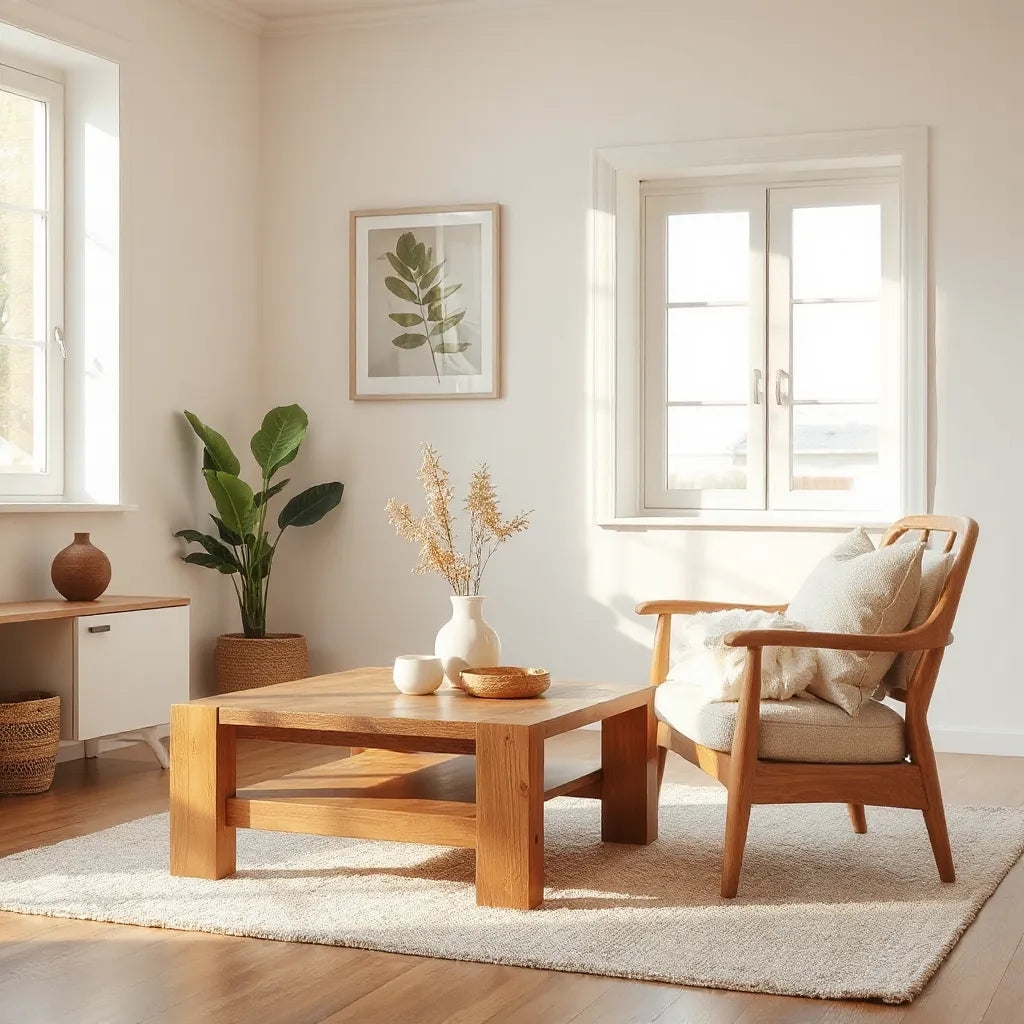
Updated on: 2026-11-02
Handcrafted furniture is valued for more than appearance. It reflects deliberate design, careful material selection, and long-term build quality.
This guide explains how to evaluate craftsmanship, choose the right materials, and make purchasing decisions that align with your space and lifestyle.
You will also learn how to care for wood finishes and upholstered surfaces to protect comfort and visual integrity over time.
Use the checklist to compare options with confidence and select pieces that support daily use and lasting style.
Handcrafted furniture and why it matters
Materials and construction to prioritize
How to choose handcrafted furniture for your home
Introduction
Choosing furniture is not only a design decision. It is also a quality and usability decision that affects comfort, durability, and the mood of a room. Handcrafted furniture offers a different standard from mass production because it is shaped through repeatable skill, practical engineering, and material awareness. When you understand what to look for, you can select pieces that feel well-proportioned, hold up under daily use, and stay visually consistent for years.
Essential Tips
- Examine joinery, edge finishing, and surface smoothness to confirm true craftsmanship.
- Match materials to your lifestyle, such as easy-clean fabrics for high-traffic rooms.
- Check structural stability by assessing weight, movement, and alignment of components.
- Compare measurements carefully before purchase to avoid space and layout issues.
- Plan simple maintenance steps early, especially for wood finishes and upholstery.
Handcrafted furniture and why it matters
Handcrafted furniture is built with a focus on detail that customers can feel and see. Instead of treating furniture as a short-term purchase, artisans and makers typically plan for long service life. That usually starts with thoughtful design decisions such as proportions that do not visually overwhelm the room, and construction choices that reduce movement at stress points.
Beyond durability, handcrafted furniture often contributes to a more personal interior. Grain patterns, texture, and finish depth can vary naturally. That natural variation is not a defect. When handled well, it becomes a defining feature that makes your home look intentional rather than generic. For shoppers, the benefit is a piece that looks better as it ages, provided it receives reasonable care.
To explore how style and construction align across different seating and table types, you can also review options within a curated catalog such as Yokina Chair and similar collections.

Hands shaping wood and aligning precise joints
Materials and construction to prioritize
Material quality determines how furniture performs across everyday moments: sitting, leaning, moving objects, and cleaning. Construction quality determines whether the piece remains solid and comfortable after months or years of use. When evaluating handcrafted furniture, focus on both categories together.
Wood and joinery
If the furniture includes wood elements, inspect the grain, finish coverage, and the tightness of connections. Look for consistent edge sanding and clean corners. Strong joinery methods often reduce wobble and improve load distribution. Even when a frame is made from the same wood species, construction technique can change stability and longevity.
Upholstery and padding
For chairs, sofas, and upholstered pieces, assess both cover fabric and cushioning. Durable fabrics should resist pilling and handle routine cleaning without excessive wear. Cushions should offer comfortable support without collapsing too quickly. When craftsmanship is strong, the upholstery pattern alignment is often more precise, and seams appear even.
Hardware and comfort engineering
Hardware choices affect function, particularly for items that may be adjusted or assembled. In seating, comfort engineering includes seat height, back angle, and arm support geometry. These details influence posture and long-term comfort, especially in work-from-home setups.
For shoppers seeking examples of how design intent shows up in structure and comfort, seating and tables on izumi chair options illustrate the value of aligning style with usability.
How to choose handcrafted furniture for your home
Selection becomes easier when you treat it as a set of measurable requirements rather than an impression-based decision. Start with the room function, then match the furniture’s dimensions and materials to your daily routine.
Step 1: Define room use and traffic
Ask how the space will be used. A dining area benefits from easy cleaning surfaces and stable seating. A living room benefits from comfort and visual warmth. A workspace benefits from supportive seating and consistent posture.
Step 2: Confirm dimensions and clearance
Measure your space and plan clear pathways. For chairs, ensure there is enough room behind the seat to stand comfortably after sitting. For tables, confirm enough clearance for legs and movement.
Step 3: Evaluate finish compatibility
Wood finishes can range from matte to satin with different visible grain depth. Choose a finish that harmonizes with your existing color palette and lighting conditions. In brighter rooms, contrast may feel stronger, while in darker rooms, a softer sheen can reduce visual harshness.
Step 4: Consider maintenance realism
Handcrafted furniture often rewards care. If you prefer low-effort cleaning, select fabrics and finishes that tolerate routine wiping and gentle spot treatment. If you are comfortable with seasonal maintenance, you can choose richer finishes with more pronounced grain character.
Product example (for context)
For a design-forward seating option that demonstrates how handcrafted intent can show in proportions and comfort, consider the following item:

Yokina Chair - designer armchair UK
When you review a product page, compare the listed dimensions, materials, and care notes against your room measurements. That alignment is often the difference between a stylish purchase and a comfortable long-term fit.
Detailed step-by-step process
Use this practical workflow to move from curiosity to confident purchasing decisions.
Step 1: Build a short list by function
Identify the room’s purpose and pick furniture types that support it. Seating choices should align with how long you will sit and how often the room is used.
Step 2: Verify size, scale, and placement
Confirm the piece will fit without crowding. Consider sight lines and how the furniture will look from multiple angles, not only when viewed head-on.
Step 3: Inspect craftsmanship cues
Look for smooth edges, consistent joinery, and evenly finished surfaces. In upholstered pieces, check seam quality, foam density feel, and cushion recovery.
Step 4: Assess material suitability
Choose fabrics and finishes that match your cleaning routine. If you have pets or frequent visitors, prioritize durable textiles and finishes designed for regular care.
Step 5: Plan the care routine before checkout
Read maintenance guidance. Determine what you will do weekly and what you will do seasonally. Furniture that receives correct care can maintain its appearance and structural integrity longer.
Step 6: Compare alternatives without overfitting
It can be tempting to search endlessly for a “perfect match.” Instead, aim for alignment in material, comfort level, and proportion. Minor aesthetic differences often matter less than structural and maintenance fit.

Checklist marks showing size, joints, and care steps
Care and maintenance for long service life
Proper care does not require complex routines. It requires consistency and the right approach for each material. A careful schedule protects the investment you made in handcrafted furniture.
Wood finishes
- Dust with a soft cloth to prevent grit from scratching the surface.
- Use cleaning products appropriate for the finish type, avoiding harsh solvents that can dull sheen.
- Place furniture away from direct heat sources and intense sun to reduce fading and cracking.
Upholstery and fabric
- Vacuum regularly with a gentle attachment to remove dust and debris.
- Blot spills quickly with a clean cloth. Avoid aggressive rubbing that spreads stains.
- Use protective measures where appropriate, such as removable covers in high-risk areas.
Frames, legs, and stability
Check periodically for loose screws or minor alignment shifts. Tighten gently when needed. If the furniture is on an uneven floor, consider leveling solutions designed for furniture legs. Stability helps prevent unnecessary stress and keeps the piece comfortable to use.
When to seek professional help
If you notice structural issues, persistent wobble, or damaged upholstery seams, address them early. Timely repair can prevent minor problems from becoming major ones.
In addition, many homeowners look for sustainable practices when selecting interior materials. You can learn about responsible material thinking from GrünGeist as an example of how brands frame quality and material responsibility.
Summary and takeway
Handcrafted furniture is a quality-driven choice that rewards careful evaluation. By focusing on construction details, material suitability, and room fit, you can select pieces that support comfort and style long after the purchase moment.
Use the step-by-step process to compare options objectively. Then protect the finish and upholstery with a realistic maintenance routine. With correct care, well-made furniture can remain a stable part of your home for years.
Q and A
What should I check first when buying handcrafted furniture?
Start with fit and function. Confirm measurements and room clearance, then inspect craftsmanship cues such as edge finishing, joinery tightness, and upholstery seam quality. Comfort should be evaluated as well, especially for seating that will be used frequently.
How can I tell whether a piece is built for long-term durability?
Durability is usually visible in construction consistency and finish quality. Look for stable frames, smooth surfaces, and hardware that feels solid. Also review how the manufacturer describes materials and care guidance, since clear instructions typically indicate intentional design.
What is the best way to maintain wood surfaces and upholstered fabric?
For wood, use gentle dusting and finish-appropriate cleaning, and keep the piece away from strong sunlight and heat. For upholstery, vacuum regularly and blot spills quickly. Routine care prevents grit buildup and reduces wear patterns over time.
Is handcrafted furniture always more expensive than manufactured options?
Often, yes, because labor and material selection are more detailed. However, the long-term value can be higher when you consider stability, comfort, and maintenance. The most cost-effective choice is usually the one that matches your usage and care capacity.
About the author
Nisu Home
Nisu Home focuses on home interiors, material selection, and practical guidance for choosing long-lasting pieces. The team brings expertise in furniture quality assessment and everyday care methods that protect both comfort and appearance. If you use this guide to compare construction, dimensions, and maintenance fit, you will make more confident decisions. Thank you for reading, and may your next purchase support a home that feels refined and functional.

Leave a comment
This site is protected by hCaptcha and the hCaptcha Privacy Policy and Terms of Service apply.