

Updated on: 2026-09-02
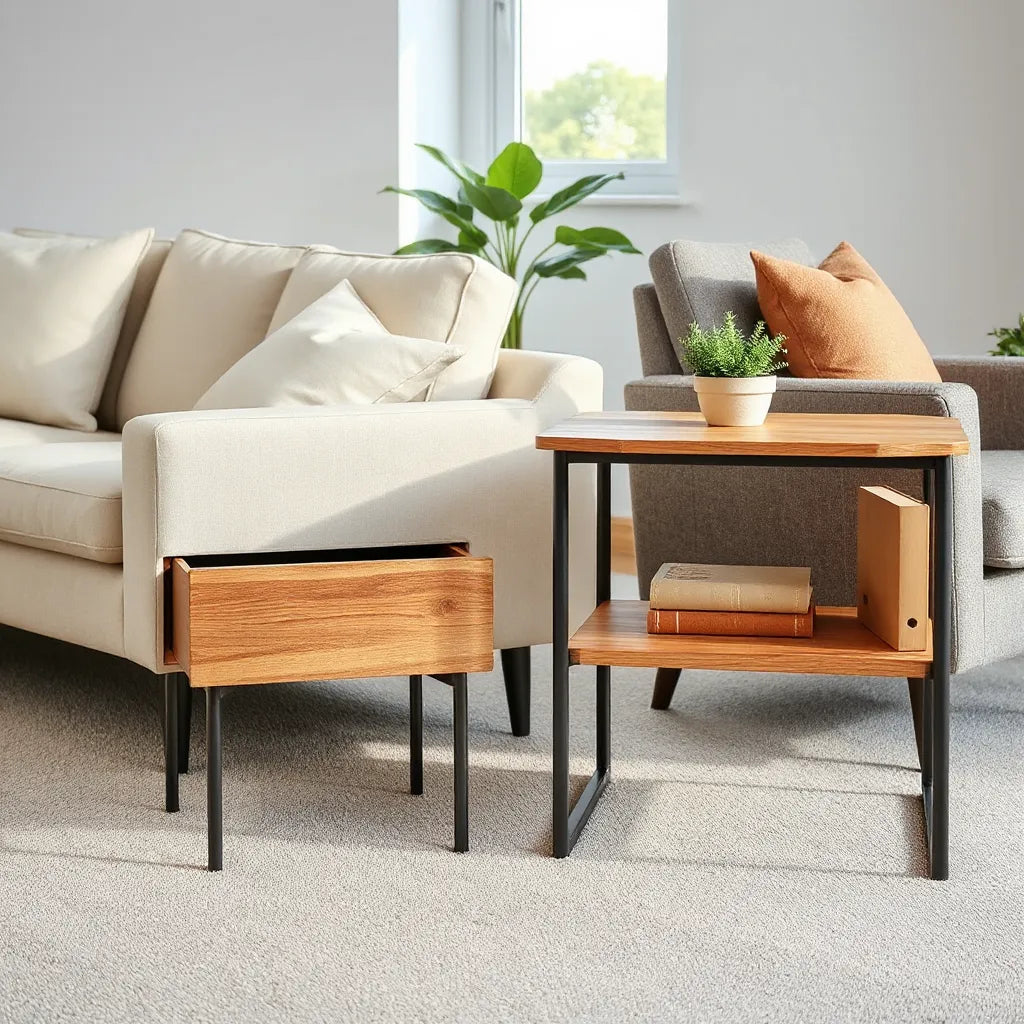
Functional side tables combine style and everyday usefulness in a compact footprint. They offer a stable surface for lamps, drinks, books, and small storage needs. The right design can improve room flow by filling gaps beside sofas, beds, and lounge seating. When you choose the correct size, material, and placement, these tables support both convenience and a cohesive interior look.
Buyer’s Checklist for Functional Side Tables
Choosing functional side tables becomes easier when you evaluate needs first, then match them to size, design, and materials. Use the checklist below to make decisions confidently.
- Primary purpose: Determine whether the table is for everyday items, storage, decor display, or all three.
- Seat height compatibility: Measure the height of nearby seating so the tabletop sits at a comfortable reach.
- Surface area: Confirm the table can hold your most common items without feeling cramped.
- Storage requirements: Decide if drawers, shelves, or open compartments are needed for clutter control.
- Stability: Check base design and weight distribution, especially if the table will hold heavier objects.
- Material fit: Choose finishes that match your room’s lighting, humidity, and cleaning routine.
- Assembly and longevity: Review construction quality and how the table will maintain alignment over time.
- Visual balance: Select a shape and color that complements your sofa, bed, or wall tones.

Geometric layout showing accessible tabletop heights
Step-by-Step Guide to Choose and Place Functional Side Tables
Even a well-made table can feel wrong if placement and proportions are off. Follow this structured approach to select functional side tables that blend practicality with design.
-
List what you will place on the table. Write down 3 to 5 items you use daily, such as a reading lamp, a mug, a book, or a remote. This clarifies how much surface and storage you truly need.
-
Measure twice: seat height and clearance. Measure from the floor to the top of the seat cushion or mattress. Aim for a tabletop height that allows items to be reachable without leaning. Also measure the walking path to prevent obstruction.
-
Choose the table footprint for your room. Narrow tables work in tight spaces, while wider designs suit larger sections. If you want storage, consider whether open shelving will visually clutter the area.
-
Decide on the style direction. Match the table to your dominant materials, such as wood tones, metal accents, or upholstery colors. Consistency helps the space look intentional.
-
Select features based on lifestyle. If you frequently host guests, prioritize a stable top for drinks and trays. If you prefer a tidy look, prioritize closed storage or removable compartments.
-
Place it strategically. Position the table within arm’s reach of each seating area. For bedrooms, place it beside the bed in a way that supports nighttime routines. Keep cables, cords, and decor from competing for the same spot.
-
Test with simple staging. Use neutral items or flat objects to simulate how daily items will sit. This step reduces the risk of choosing a surface that feels too small or too shallow for real use.
-
Finalize with balance. Add a lamp, a book stack, or a small tray as needed. Avoid overcrowding. Functional side tables should simplify your routine, not create additional visual noise.
Types and Key Features to Look For
Functional side tables vary widely in construction and function. Knowing the main categories helps you match the table to your space and needs.
Storage-forward designs
Some functional side tables include drawers or shelves. These are useful for items you want to keep out of sight, such as remotes, coasters, charging devices, and small personal items. Storage-forward designs also help maintain a clean, curated surface.
Open-shelf and display-friendly styles
Open shelves support quick access and can display decor. To prevent visual clutter, keep shelf contents uniform in size and tone. Use small baskets or aligned containers if you frequently change what you store.
Lift-top or hidden compartments
Hidden storage adds flexibility when you want a streamlined top during daily use. It is particularly helpful in living rooms where a table must serve both utility and aesthetics.
Multi-surface options
Some designs offer multiple tiers, which can increase usability without requiring a larger footprint. Consider how the additional surfaces will be used. If the lower tier will hold heavier items, confirm stability and load distribution.
Materials that match your lifestyle
Wood finishes support warmth and blend well with most interiors. Metal details can add contrast and durability. For cleaning convenience, choose a finish that responds well to your usual routine. The best material is the one that you can maintain consistently.
If your home includes coordinated seating pieces, you can create a more cohesive composition by pairing tables with matching chair or accent furniture. For example, you can explore options at Izumi chair to understand how proportions and finishes influence the overall look of a living space.

Storage compartments illustrated with concealed and open sections
Style and Sizing for Maximum Usability
Size determines whether functional side tables feel convenient or frustrating. Style determines whether they look like a natural part of your room rather than an added object.
Ideal tabletop height
For a practical experience, the tabletop should align with how you sit or stand at that spot. For side seating, a tabletop that sits roughly level with arm height often allows you to place items with minimal reach. For bedrooms, a similar alignment supports nighttime tasks like placing a book, glasses, or a cup.
Width and depth: match your daily rhythm
Width is most important for items you place flat, such as a tray for drinks or a stack of books. Depth matters for lamps and tall decor. If you plan to use the table for a lamp, consider the base footprint so it does not hang too close to edges.
Shape considerations
- Round tables: Soften corners and can be more forgiving in narrow spaces.
- Square or rectangular tables: Provide clear organization and support symmetry beside sofas or beds.
- Oval silhouettes: Offer a balance between softness and usable surface area.
Visual weight and balance
If a table feels too heavy, it can dominate the room. If it feels too light, it may appear unstable or incomplete. Balance the visual weight by pairing the table with complementary design elements, such as matching wood tones or metal accents found in your lighting and furniture frames.
Color and finish harmony
Choose finishes that match your dominant palette. Neutral finishes work across seasons, while bold contrasts create focal points. If you are unsure, start with a finish that exists elsewhere in the room, such as the wood tone in your shelving or the metal color in your light fixtures.
Maintenance and Long-Term Durability
Functional side tables should remain attractive and stable through daily use. Maintenance is not only about cleaning; it also includes protecting finishes and preserving structural integrity.
Cleaning best practices
Use a soft cloth for routine dust removal. For deeper cleaning, follow the surface requirements of the material. Avoid abrasive pads that may dull finishes. If your room has frequent sunlight, consider how the finish will react over time.
Protect from heat and moisture
Place heat-resistant mats under hot items and use coasters for liquids. Moisture can damage finishes and create rings on tabletops. This simple habit helps preserve both appearance and surface integrity.
Check alignment and hardware
Over time, furniture can shift slightly due to routine movement. Periodically check screws, brackets, and any adjustable features. Tightening hardware helps maintain stability and prevents wobble.
Respect load limits
Even when a table looks capable of supporting heavy loads, load distribution matters. Place heavier objects closer to the center and ensure the base design can handle the combined weight.
For a broader view of how seating and surfaces combine in a consistent interior scheme, you may also compare styles across other pieces on Kg2g.store. This can help you identify the design language you prefer before making a final table choice.
FAQ
What size functional side table is best for a living room?
The best size depends on what you place on it and how much clearance you need for walking paths. Measure seat height first, then ensure the tabletop provides enough width for your most common items. If the room is compact, prioritize a narrower footprint and consider storage features that reduce clutter.
Should functional side tables have storage or only a flat surface?
Choose based on your visibility preferences and daily needs. If you want a consistently tidy look, closed storage or drawers help keep small items out of sight. If you prefer easy access for books or decor, open shelving can work well, provided you keep contents visually coordinated.
How do I match functional side tables to my existing furniture?
Start by aligning finishes and tones with the most prominent elements in the room, such as wood cabinetry, flooring, or metal accents on lighting. Next, coordinate shape and scale so the table does not overpower the sofa or bed. When in doubt, choose neutral finishes that pair with multiple styles.
Are functional side tables suitable for small apartments?
Yes. In smaller spaces, functional side tables can replace or complement larger furniture by providing surface and storage utility beside seating. Select a compact design, confirm clearance around it, and use storage features to reduce visual clutter.
Closing Thoughts & CTA
Functional side tables are effective because they solve everyday problems in a small space: convenient reach, organized surfaces, and a cleaner visual rhythm. When you choose the right size, pick practical features, and match the finish to your room, the table becomes a dependable part of your layout. If you want to build a cohesive look with coordinated seating and accents, start by evaluating your room measurements and your top three daily items, then select the table that supports them.
For additional inspiration and coordinated styling, browse relevant furniture options on Hitsuji chair and compare how scale and finishes create a unified interior.
About the Author
Nisu Home is a design-focused contributor specializing in interior styling, space planning, and furniture selection. Their expertise includes evaluating proportions, materials, and functional layouts for everyday living areas. Nisu Home supports readers with practical guidance that prioritizes usability and long-term durability. For a confident purchase decision, focus on measurements, daily needs, and finish harmony.

Leave a comment
This site is protected by hCaptcha and the hCaptcha Privacy Policy and Terms of Service apply.