

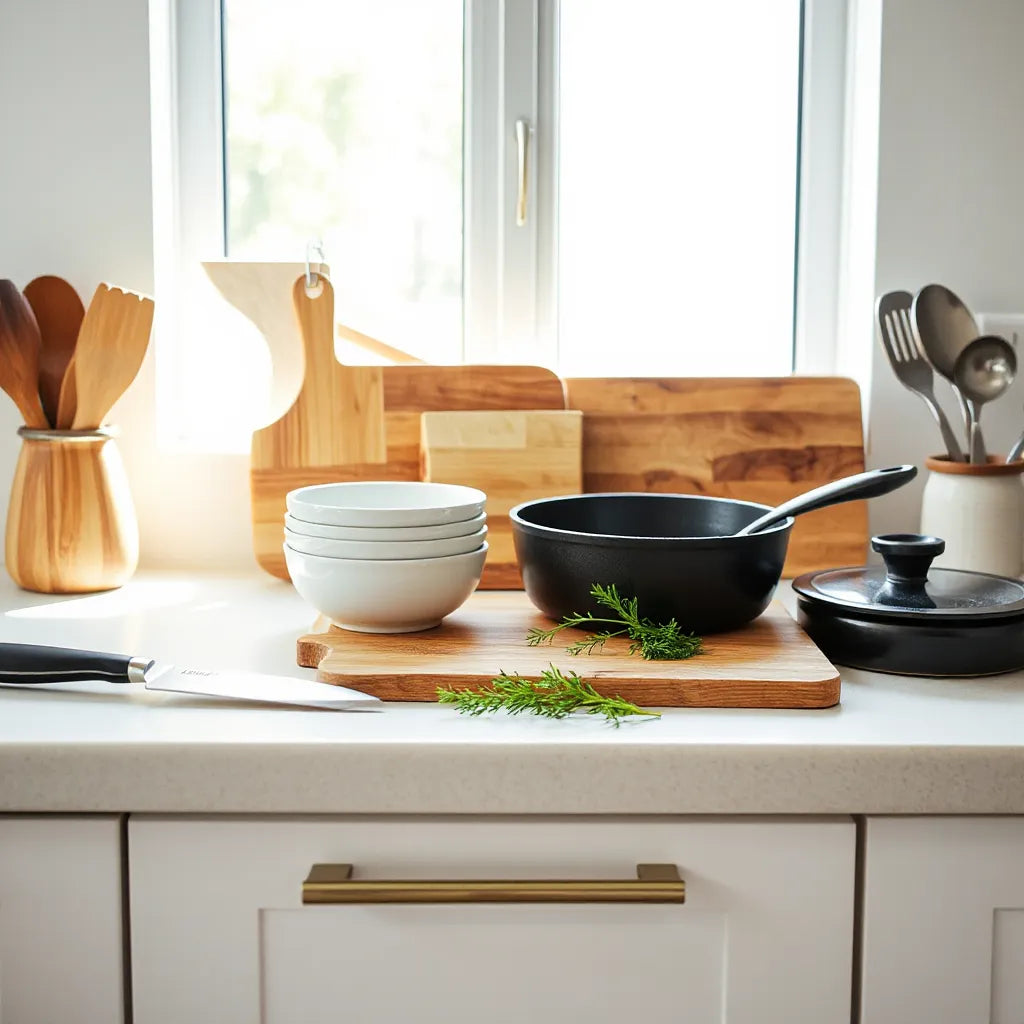
Updated on: 2026-09-01
Choosing the right cooking tools can change everyday results in measurable ways. High-quality kitchenware improves heat control, reduces friction, and supports safer food handling. It also helps your kitchen routine feel smoother because tools perform consistently from meal to meal. This guide explains what to look for, how to evaluate materials and construction, and how to care for your essentials.
Table of Contents
1. Why high-quality kitchenware matters
2. Personal experience with better tools
3. Key advantages of premium kitchenware
4. What to look for when buying
5. Quick tips for smarter selection
6. Care and maintenance that protect performance
7. Summary & next steps
Why high-quality kitchenware matters
High-quality kitchenware is not only about appearance. It is about predictable performance across common cooking tasks such as sautéing, simmering, roasting, and plating. When kitchen tools are engineered with solid materials and thoughtful construction, they respond more consistently to heat, moisture, and pressure. The outcome is fewer cooking issues, more even results, and less frustration during busy meal days.
Many households upgrade utensils in small steps. However, the true value of premium tools appears over time. Even if two products cost similarly, the one with better finishing, stable geometry, and reliable joining points can maintain performance longer. When you buy with intent, you also reduce replacement cycles, which supports better value in the long run.
Personal experience with better tools
I once treated kitchen tools as interchangeable. A pan that looked fine on a shelf felt “good enough” for quick cooking. After repeated use, the results started to feel inconsistent. Some meals cooked unevenly. Others stuck more than expected. Cleaning became more difficult, and I noticed that the same recipe required different heat levels than before.
When I switched to better-built kitchenware, the changes were subtle at first. The pan heated more evenly. Tools felt more stable when held. Edges were more comfortable to use, and surfaces seemed easier to maintain. Over time, my cooking routine became more repeatable. I spent less time correcting problems and more time focusing on timing and flavor.

Consistent heat symbol with shifting temperature lines
Key advantages of premium kitchenware
- More consistent heat response: Good materials and thickness patterns help maintain stable temperatures during cooking.
- Improved durability: Strong joining, stable coatings, and resistant finishes reduce warping and wear.
- Smoother handling: Weight distribution, grip design, and ergonomic shapes can reduce fatigue.
- Better food release and cleaning: Surfaces that perform well with heat and moisture often simplify cleanup.
- Safer everyday use: Thoughtful edges, secure handles, and reliable lids help you work with fewer distractions.
- Reliable meal presentation: Plating tools and serving pieces keep textures intact and reduce accidental damage.
What to look for when buying
Premium kitchenware is easier to choose when you evaluate it through specific criteria. Instead of relying on marketing terms, assess construction, materials, and intended cooking style. Use the checklist below to make more confident decisions.
1) Material suitability for your cooking style
Different materials excel in different tasks. For example, some cookware types are designed for high-heat searing, while others perform well for gentle simmering. Identify the cooking methods you use most often. If you rely on frequent sautéing and quick reductions, prioritize tools known for stable heat behavior. If you cook sauces and soups regularly, focus on materials that support even simmering.
2) Build quality and heat distribution
Heat distribution is one of the most practical indicators of quality. Look for construction that minimizes hot spots and supports uniform contact. In cookware, thickness and layer design often influence how evenly heat spreads. In utensils, consistent alignment of working surfaces can reduce uneven pressure.
3) Surface performance and coating behavior
Surface finish affects food release, browning, and cleanup. When surfaces perform reliably, you can cook with fewer adjustments. Evaluate how the finish responds to normal usage cycles. A high-quality surface is more likely to resist early wear and maintain its intended cooking behavior.
4) Handle design and balance
Handles should feel secure and comfortable during daily use. Balance matters because it affects control and safe handling. Check how tools sit in the hand and whether you can maneuver them without awkward wrist angles. For long cooking sessions, comfort is not a luxury; it is a practical safety factor.
5) Accessories that improve the full workflow
Quality is not limited to cookware alone. Serving tools, storage items, and small accessories contribute to smoother meal prep and dining. Tools that match your workflow can reduce clutter and improve organization.
If you are also planning dining upgrades, consider how seating supports everyday hosting. A comfortable setup encourages people to linger, eat, and enjoy the meal. For example, you can explore dining chair options such as Izumi chair when refining your kitchen-to-dining experience.

Organized kitchen workflow with ingredient, tool, and timing icons
Quick tips for smarter selection
- Choose one core improvement first: Upgrade the tool you use most often, such as a primary pan or key utensil.
- Match size to your habits: A tool that is too small limits cooking efficiency; a tool that is too large can waste energy.
- Verify compatibility: Ensure cookware fits your stove type and your normal cooking temperatures.
- Prefer stable construction: Look for reinforced connection points and steady lids or handles.
- Evaluate comfort in person: If possible, handle the utensil and check grip comfort and control.
- Buy with care for long use: High-quality kitchenware is designed to last, so prioritize the essentials over short-lived convenience.
- Plan for maintenance: If a tool requires careful handling, confirm you can maintain it consistently.
Care and maintenance that protect performance
Even the best kitchenware will lose effectiveness if it is maintained incorrectly. Good care preserves surfaces, supports consistent heat response, and extends useful life. The aim is not complex cleaning. The aim is repeatable routines.
Cleaning basics that prevent buildup
After cooking, allow items to cool before cleaning. Use appropriate cleaning tools that match the surface type. Avoid aggressive scrubbing that can damage finishes or coatings. For oily residue, warm water and mild cleaners typically help. If you notice stubborn buildup, use methods compatible with the material rather than harsh shortcuts.
Dry thoroughly to reduce corrosion risk
Moisture can lead to corrosion on certain metals and can also affect some surface finishes. Dry items thoroughly before storing. Storage conditions matter as well. Keep tools in a dry place, and avoid stacking in a way that traps moisture.
Use correct utensils for your surfaces
Some finishes are sensitive to hard contact. Using appropriate utensils helps preserve surface behavior. For example, for delicate coatings, soft tools are often a better choice. If you frequently use metal tools, consider cookware types designed to handle that contact.
Store thoughtfully to maintain alignment
When you store cookware, avoid compressing handles or stacking in a way that stresses lids. Thoughtful storage reduces scratches and helps items remain ready for consistent cooking. If you frequently cook for guests, organized storage can also reduce daily friction.
Know when to replace
Signs of wear can include persistent sticking, warped shapes, loose handles, or surfaces that no longer perform as expected. Replacement does not need to be frequent when you use and care for tools properly. However, using damaged tools can reduce cooking control and increase risk.
For households that refine not only tools but also dining comfort, you can align kitchen upgrades with seating choices. If you enjoy casual meals or breakfast hosting, seating can influence how people gather and how often you use your dining area. Explore bar stool options when designing a functional eating space that complements your kitchen routine.
Summary & next steps
High-quality kitchenware improves cooking outcomes through better heat control, stronger durability, and more reliable food handling. You benefit from fewer cooking corrections, smoother cleanup, and longer tool life. The smartest next step is to choose one high-impact upgrade based on your most frequent cooking tasks, then support it with consistent cleaning and storage habits.
To keep improving your kitchen setup, create a short list of what you use most often and what currently underperforms. Prioritize quality in the items that influence the largest portion of your daily workflow. With that approach, premium tools become practical investments rather than expensive extras.
Browse kitchen and dining essentials to build a cohesive space where your tools and seating support everyday enjoyment.
Q&A Section
How can I tell whether kitchenware is truly high quality?
Focus on construction details rather than slogans. Look for stable geometry, solid joining, and surfaces that show consistent finishing. If the tool feels balanced, maintains performance over repeated uses, and is easy to clean without excessive scrubbing, it is likely built for long-term use.
Is expensive kitchenware always better than mid-range options?
Not necessarily. Price can correlate with quality, but value depends on how a tool performs for your specific cooking methods. Choose tools that match your heat needs, daily comfort requirements, and maintenance habits. A well-made mid-range piece can outperform a higher-priced tool that is not designed for your cooking style.
What is the most common mistake people make with kitchenware?
The most common issue is improper cleaning and storage. Using abrasive methods that damage surfaces, drying inadequately, and stacking items in ways that trap moisture can reduce lifespan and performance. Consistent care routines protect both function and appearance.
How many kitchenware items should I upgrade at once?
Start with one core upgrade that influences daily cooking, such as a main pan or a frequently used utensil. After you confirm improved results and easier maintenance, expand to complementary items. This staged approach helps you measure benefits and prevents spending on tools you may not use often.
Do I need special tools to care for high-quality kitchenware?
Usually, no. Most care routines can be supported with mild cleaners, soft cleaning tools, and proper drying habits. The key is to use methods that align with the specific material and surface design so you preserve the tool’s intended cooking behavior.
About the Author
Nisu Home is a home and kitchen lifestyle brand with a focus on functional design and long-lasting usability. The author works on product selection guidance, care education, and practical kitchen workflow improvements. With experience in helping households build dependable cooking setups, the author emphasizes quality decisions that support everyday performance. Thank you for reading, and may your next meal feel easier and more consistent.



Leave a comment
This site is protected by hCaptcha and the hCaptcha Privacy Policy and Terms of Service apply.