

Updated on: 2026-09-03
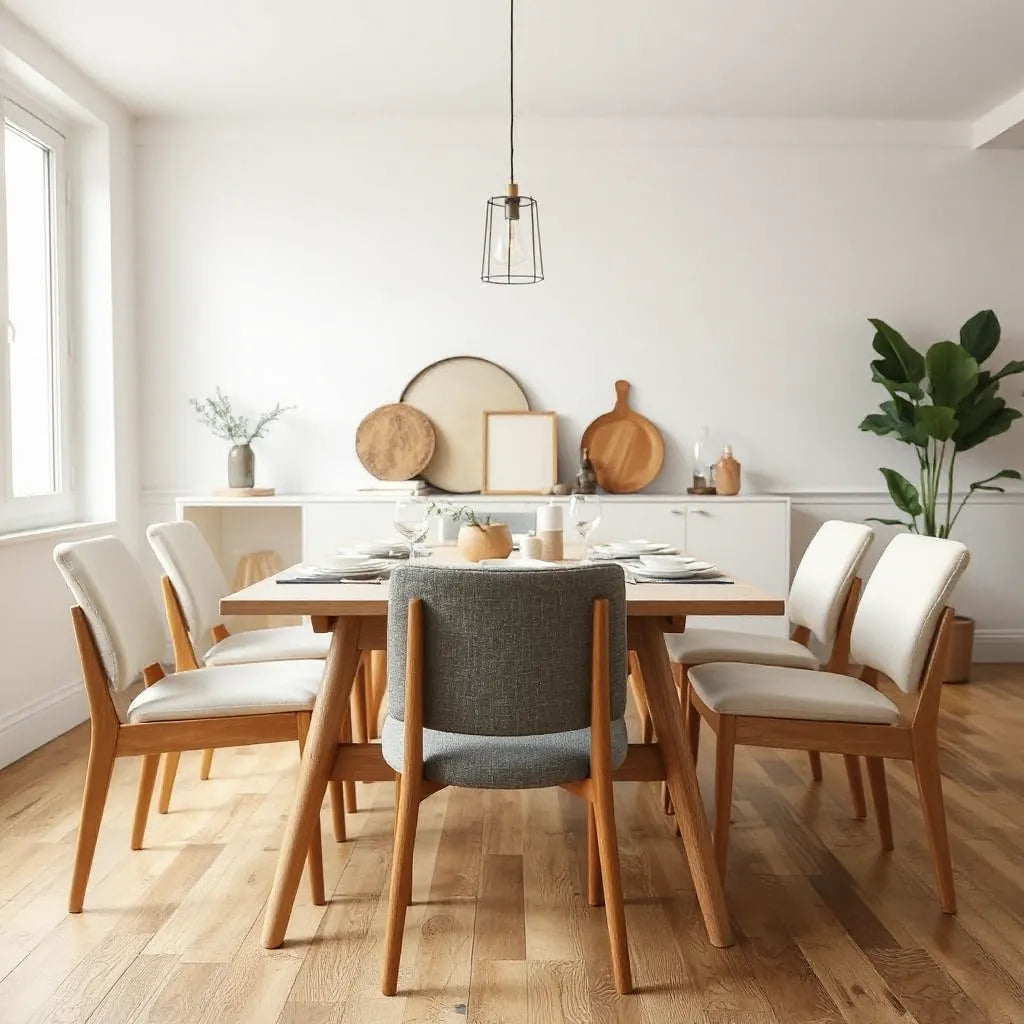
Choosing comfortable dining chairs requires more than selecting an attractive shape. The right chair supports everyday posture, reduces fatigue during long meals, and fits your space and lifestyle. Key factors include seat depth, cushioning density, back support angle, and materials that remain pleasant over time. This guide explains how to evaluate comfort, compare styles, and select chairs that perform well in real dining routines.
1. How to choose comfortable dining chairs
2. Measurement checklist for a proper fit
3. Materials and cushioning that stay comfortable
4. Style integration and space planning
How to choose comfortable dining chairs
Comfortable dining chairs should feel supportive from the first moment you sit down and remain pleasant as the meal continues. Comfort is not a single feature. It is the result of seat geometry, cushioning quality, backrest design, and even the chair height relative to the tabletop. When these elements align, diners can sit with better posture and spend less effort adjusting throughout the meal.
Start with ergonomic priorities. For most people, the seat should encourage a neutral hip angle and allow the feet to rest comfortably on the floor. A chair that is too shallow can place pressure behind the knees. A chair that is too deep can reduce circulation and cause discomfort after extended sitting.
Next, look for back support that matches typical sitting posture. A curved backrest can help the torso settle without requiring frequent movement. If you prefer a softer feel, choose chairs with well-constructed cushioning and a backrest that supports the mid-to-lower back rather than only the shoulders.
Finally, evaluate comfort in the context of daily use. Dining chairs often experience repeated sitting cycles, cleaning, and movement. Selecting materials and construction methods that withstand routine handling can preserve comfort for years.

Chair comfort checklist: seat, back angle, foot support
Measurement checklist for a proper fit
Even a chair with excellent padding can feel uncomfortable if it does not fit the dining area and the diner. Use measurements to ensure correct alignment between the chair, the table, and the available circulation space. This step reduces returns and prevents buyer remorse.
1) Seat height relative to the dining table
Seat height determines how easily diners can place their arms near the tabletop. If the seat is too low, people may feel hunched. If it is too high, the shoulders often rise, and the feet may not sit securely. Many dining setups work best when the chair supports a relaxed bend at the hips and knees.
2) Seat width and space for movement
Seat width impacts comfort during daily use. Allow enough room for different body types while keeping the chair stable. If you plan for guests, select a width that does not require people to sit sideways or shift repeatedly.
3) Seat depth for knee and thigh comfort
Seat depth should support the thighs without forcing the hips to sit at an extreme angle. A simple test is to check how much space remains behind the knees when seated. There should be enough clearance to avoid pressure points.
4) Clearance for dining and traffic flow
Comfort is also a function of access. When chairs are crowded, diners cannot slide in or move elbows comfortably. Maintain enough room around the dining table to support smooth movement, especially when multiple chairs are in use.
Materials and cushioning that stay comfortable
Comfortable dining chairs perform best when their materials match your expectations for feel, maintenance, and durability. Upholstery, padding, frames, and finishes all contribute to the overall experience.
Upholstery: softness without fragility
Fabric choice affects touch and cleaning. Many households prefer upholstery that offers a balanced surface feel and practical maintenance. Look for upholstery that resists everyday wear, including friction from clothing and light spills. If you entertain often, consider stain-resistant options and fabrics designed for regular use.
Cushioning: density matters more than thickness
Thick cushioning can feel comfortable at first, but it may flatten quickly. Cushion density influences how well the chair maintains its shape. A chair with supportive foam or layered padding typically offers better long-term comfort than a chair with minimal structure beneath a soft top layer.
Backrest construction: flexible support
A backrest can provide comfort through structure. Some designs use a supportive frame with upholstery, while others use engineered forms that help align the torso. If you sit upright for long meals, prioritize a backrest that encourages steady posture rather than pushing the head forward or forcing a rigid position.
Frames and legs: stability reduces discomfort
Stability is an overlooked comfort factor. Wobbly chairs require micro-adjustments that become distracting during extended sitting. Choose frames and joinery that feel solid and ensure legs distribute weight evenly.
For a practical example, consider how seating style and build quality influence everyday comfort. If you want modern seating that emphasizes structure and a refined form, explore options like Toshiro Chair for a balance of supportive design and dining-ready presence.
Toshiro Chair
When selecting your set, treat chair comfort as a system: the cushioning provides feel, while the frame provides stability. Together, they reduce the need to constantly reposition.

Comfort materials: foam layers, fabric texture, solid frame
Style integration and space planning
Comfortable dining chairs should look intentional and work with your dining room layout. A chair that visually dominates the space can feel heavy, even if it is comfortable to sit on. Similarly, chairs that are too visually light may feel less stable or less grounded. Plan style around your table, flooring, and overall room rhythm.
Begin by matching the chair silhouette to the table shape. For example, if your dining table has rounded edges, chairs with softer curves typically create a cohesive visual flow. If the table is angular, chairs with crisp lines can reinforce the design language.
Next, choose a consistent finishing strategy. If your dining room includes wood elements, coordinated tones often create a calm appearance. If you use metal accents, selecting chairs that share a similar finish can reduce visual clutter.
Mixing chair styles: comfort first, then variety
Mixing styles can be effective when comfort remains consistent. If you plan to pair different chairs, ensure seat height and depth are similar across the set. Avoid combining chairs with significantly different cushion firmness, because this can make the experience uneven for guests.
Small-space planning: comfort through proportion
In smaller dining areas, comfort depends on proportion and spacing. Choose chairs with a footprint that allows diners to pass through without turning sideways. If your dining area is multifunctional, prioritize chairs that remain comfortable while also blending into the room when not in use.
Backrest and arm options
Armchairs can add comfort by giving the body a stable contact point. However, arm chairs increase the chair footprint and can interfere with tight clearances. If your dining space is compact, consider armless designs with strong back support and supportive seat cushioning. For larger rooms, carefully selected armchairs can enhance comfort for extended conversations.
How to test comfort before you buy
Testing comfort is the most direct method to avoid dissatisfaction. While online research can narrow options, an in-person trial provides feedback about posture, pressure points, and stability.
-
Sit for a full routine interval. If possible, spend several minutes seated with your back supported as you would during a meal. Notice whether you feel supported without needing to adjust.
-
Check foot contact. Your feet should rest securely on the floor. If heels lift or the toes press into the floor edge, the seat height may be wrong for your table.
-
Evaluate pressure points. Pay attention to the back of the thighs and the area behind the knees. Discomfort here often indicates an incorrect seat depth or insufficient cushioning support.
-
Assess back alignment. Sit upright and observe whether the backrest supports the mid-to-lower back or only the upper shoulders. Comfort typically improves when support matches your natural posture.
-
Test chair movement. Rock lightly if the design allows it, and consider how smoothly you can slide the chair in and out. Stability reduces distraction during long meals.
If you want to expand your comparison beyond one style, it can help to review multiple dining seating types from a single retailer to maintain consistent sizing standards. For example, you may compare curated chair designs such as Izumi chair and other models to see how different backrest shapes and cushion approaches feel.
When comfort is verified, style decisions become simpler. You can select finishes and colors with confidence, because you already know the seating meets ergonomic expectations.
FAQ
What makes dining chairs comfortable for long meals?
Comfort comes from a combination of supportive seat depth, stable construction, and a backrest that aligns with typical upright posture. Cushion density and upholstery performance also matter, because they influence whether the chair maintains comfort after repeated sitting.
How do I choose the right seat height for a dining table?
Seat height should allow diners to sit with a relaxed hip angle and keep feet grounded on the floor. If diners must reach upward or hunch forward to reach the tabletop, the chair height is likely not well matched to the table.
Are upholstered dining chairs more comfortable than wooden ones?
Upholstered chairs often feel softer because they add cushioning, but comfort also depends on the frame stability and the quality of the padding. Some structured wooden designs provide strong support through geometry, while well-designed upholstered chairs distribute pressure more effectively.
Closing thoughts
Comfortable dining chairs are built from measurable features and practical design choices. By evaluating fit, cushioning quality, back support, and room compatibility, you can select seating that feels right every day. If you want your dining space to invite longer conversations and less shifting during meals, prioritize comfort requirements before style preferences. After you confirm these basics, choose the design that best matches your table and lifestyle.
If you are ready to refine your selection, browse curated options at Nisu Home chair collections and compare comfort features across styles.
About the Author
Nisu Home is an e-commerce brand focused on home furnishing selection and customer guidance for everyday living. The team specializes in dining and living room comfort considerations, including sizing, materials, and long-term usability. With a practical approach to product evaluation, Nisu Home helps shoppers make confident choices that fit real routines. You can take the next step by applying the checklist in this guide to your own dining setup.

Leave a comment
This site is protected by hCaptcha and the hCaptcha Privacy Policy and Terms of Service apply.