

Updated on: 2026-09-07
This guide explains how to choose sophisticated throw blankets for modern interiors. You will learn how materials, weight, weave, and color affect both comfort and visual impact. The article also covers styling methods for different rooms and seasons. Finally, you will find practical care steps to keep your blanket looking refined for years.
1. What makes a throw blanket feel “sophisticated”
2. Did You Know? Materials and design details
3. Expert Tips for choosing sophisticated throw blankets
4. Selecting by room: living room, bedroom, and more
5. Color and texture: how to build an intentional look
6. Seasonality without overthinking
7. Care and maintenance that preserves appearance
8. Personal Anecdote
9. Summary & Takeaways
10. Q&A Section
11. About the Author
What makes a throw blanket feel “sophisticated”
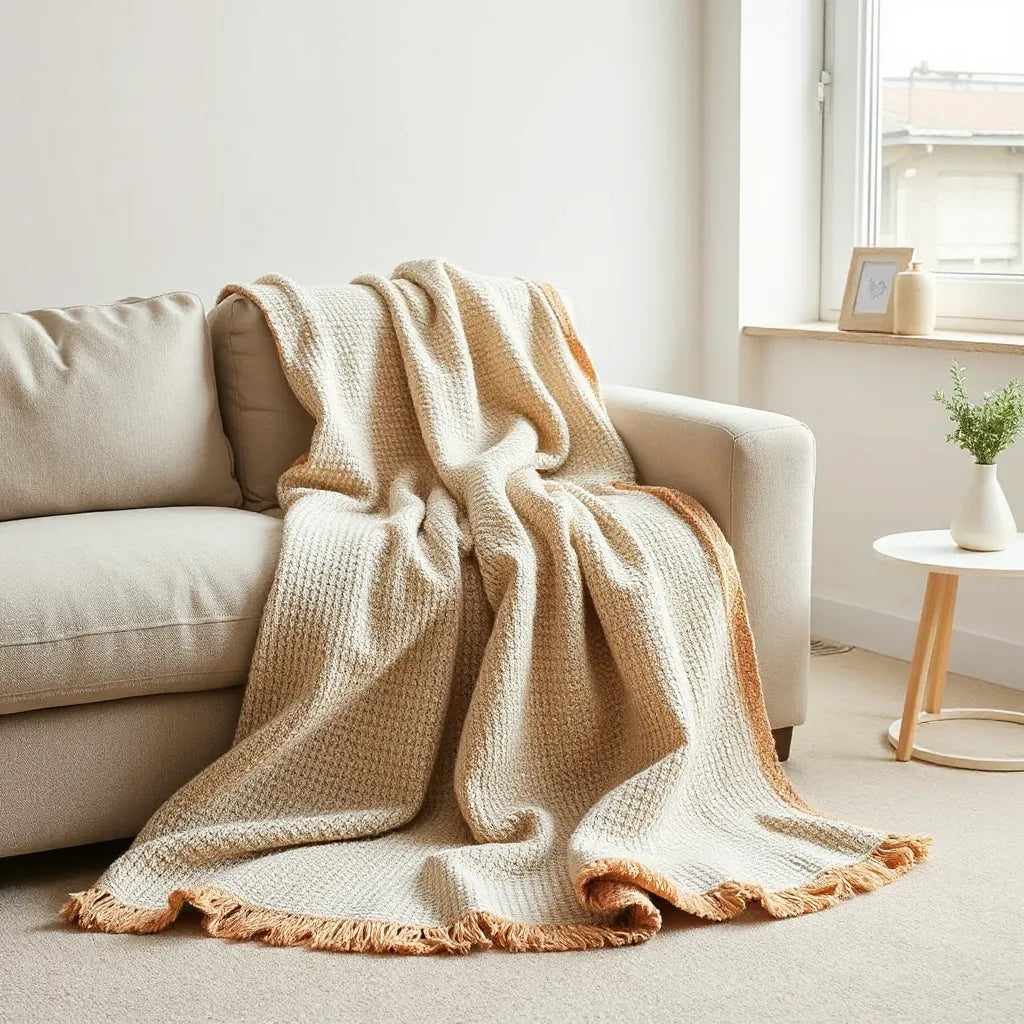
Sophisticated throw blankets are not simply larger versions of a casual covering. They are designed to look intentional, wear well, and contribute to the overall rhythm of a room. The most noticeable difference is usually the combination of material quality and visual structure. A refined weave, balanced thickness, and a color palette that harmonizes with surrounding textiles can elevate even a simple sofa or bed.
When shoppers search for premium bedding accessories, they often focus on softness. Comfort matters, but sophistication is broader. It includes drape behavior, edge finishing, and how the fabric interacts with light. A blanket that lies flat without excessive clumping will look neater. A fabric that breathes will feel better over time. Together, these factors create a polished, lived-in appearance rather than a purely decorative one.
Key signals you are looking at a refined blanket
Controlled texture: The fabric surface should have a clear pattern or weave, not random pilling.
Thoughtful thickness: The blanket should fall with a steady drape and not look flimsy.
Durable edge finishing: Neat hems and consistent stitching help the blanket look orderly.
Color discipline: Shades should match existing tones, including neutrals, accents, and wall color undertones.

Fabric weave close-up, layered drape, neat hem detail
How materials shape both comfort and longevity
Different fibers offer different results. Natural fibers often provide an elegant hand feel and strong breathability. Synthetic blends can offer easy care and consistent texture. Wool blends, for example, commonly provide warmth and shape retention. Cotton and linen blends typically feel crisp and airy, which can suit warmer climates or year-round layering. You can choose based on your climate and daily routine, but the most sophisticated outcome usually comes from selecting a fabric that behaves well under your real use.
If you also enjoy lighting and modern styling decisions, you may find value in this guide from our broader catalog: Postmodern Glass Chandelier: Style Guide for Modern Homes. It focuses on the same principle as throw blanket selection: intentional design details create cohesion across a room.
Did You Know? Materials and design details
A blanket with a strong weave often hides minor imperfections better over time.
Drape quality can be evaluated by how the fabric falls when laid over a surface edge.
Color sophistication is frequently achieved through undertone alignment, not just matching shade names.
Edge construction influences how “finished” the blanket looks when used as a throw on a sofa.
Weight range affects perceived warmth and how naturally the fabric layers with curtains or rugs.
Expert Tips for choosing sophisticated throw blankets
Experts typically recommend a selection process that balances design goals and practical performance. Instead of choosing only by appearance, you can narrow options by texture, thickness, and how the blanket will be displayed. Once you identify the right category, you can refine by color and finishing.
Tip 1: Start with the room’s existing textile palette
Examine your sofa or bed linen, rug fibers, and curtain materials. If your room uses multiple textures already, choose a blanket with a complementary surface pattern rather than a competing one. For example, a more structured weave pairs well with smooth upholstery. A simpler texture can calm down a space with strong patterns.
Tip 2: Choose weight based on display style
If you plan to drape the blanket over a backrest or arm, a medium weight often looks more deliberate. If you want a softer, relaxed fold on a bed, a lighter blanket can create a layered look. For colder months, a heavier fabric can provide stronger visual presence and better coverage.
Tip 3: Evaluate the color under natural light
Many neutrals shift slightly in daylight. Cream can read warm, while gray can lean blue or green. To avoid mismatch, compare the blanket color beside the room’s dominant light source and look for undertone harmony.
Tip 4: Prioritize finish and maintenance readiness
Refined styling depends on staying presentable. If the blanket is frequently used, select one that aligns with your cleaning preferences and storage habits. Care instructions matter, and appropriate washing can reduce pilling and preserve softness.

Neutral palette styling, layered throws, coordinated color swatches
Selecting by room: living room, bedroom, and more
Sophisticated throw blankets work best when they match the purpose of each space. The living room often favors easy access and visible texture. The bedroom usually requires calmer tones and a comforting drape for bedtime use. You can also adapt throw blankets for entry seating, reading corners, and home offices to create visual continuity throughout the home.
Living room placement
For sofas and lounge chairs, display matters. Place the blanket in a way that frames the seating shape. Common styling methods include a casual fold over one arm, a gentle drape across the backrest, or a layered stack near the seat. A medium thickness tends to hold its form without looking rigid.
If you use structured seating, a textured throw can soften the overall look. If your seating is already plush and textured, a cleaner surface pattern may look more refined.
Bedroom styling
In the bedroom, sophistication comes from calm layering. Choose a blanket that complements the bedding colors and does not overpower the bedspread. A throw can sit at the foot of the bed, folded over the edge for easy access. Alternatively, it can be layered as a top accent, especially when the blanket has an attractive border or woven pattern.
For a hotel-like feel, keep the color palette tight. Use one main neutral and one secondary tone. Then, let texture provide contrast through weave depth rather than bold print.
Reading corners and home offices
Throw blankets can make functional spaces feel intentional. In a reading corner, select a fabric that feels inviting and does not shed excess fibers. In offices, where aesthetics and comfort both matter, a refined blanket placed on a chair can improve the room’s coherence.
Color and texture: how to build an intentional look
To achieve a sophisticated result, treat color and texture as design tools. Color choices guide the emotional tone of a room. Texture choices influence perceived warmth and visual depth. When both are selected with discipline, the blanket appears curated rather than accidental.
Use neutrals strategically
Neutrals do not have to be identical. Beige, warm gray, oatmeal, and taupe can coexist when undertones align. If your room is dominated by cool tones, a gray or charcoal blanket with a cooler undertone may read more refined. If your room leans warm, cream and sand tones often blend more naturally.
Add contrast without visual noise
A sophisticated contrast is usually subtle. Instead of pairing a highly saturated color with every element, choose one accent shade that appears elsewhere in the room, such as in artwork or a rug. Texture can add contrast while keeping color quiet. For example, a blanket with a raised weave pattern can stand out against smooth upholstery even in a muted color.
Consider pattern scale and repeat
If your room already includes patterned textiles, keep the blanket pattern either minimal or in a similar scale. Large, bold patterns can dominate the scene. A small, tonal pattern usually supports the room rather than competing with it.
Seasonality without overthinking
Seasonal switching does not have to be complicated. Many homes benefit from one primary throw for year-round use and a second option for colder months. Sophisticated throw blankets are particularly effective because their material composition often provides flexible warmth.
In transitional seasons, choose a medium weight fabric that breathes. In winter, select a thicker weave or fiber blend that maintains warmth while remaining attractive when placed on a chair or bed. During warmer months, a lightweight throw can still provide visual structure, especially when it features an interesting weave that catches light.
Care and maintenance that preserves appearance
Care is where sophistication is either protected or lost. Even well-designed blankets can look tired if they are washed improperly or stored in ways that damage fibers. By following a consistent routine, you can reduce pilling, preserve softness, and maintain crisp edges.
Washing and drying best practices
Use gentle cycles when the care label recommends it.
Avoid overloading the washer, which can cause uneven cleaning and friction.
Dry with care. If line drying is recommended, choose a sheltered location to prevent excessive sun fading.
Remove the blanket promptly after drying to reduce wrinkles and fiber set.
Prevent pilling and maintain texture
Friction drives pilling. If the blanket is used on seating with rough textures or frequent contact with accessories, consider rotating its placement. You can also store it folded to reduce repeated stress on the same fibers.
Storage that keeps the look intentional
During seasonal storage, clean the blanket before putting it away. Store it in a breathable container when possible. Avoid airtight packing that can trap moisture, especially in humid environments.
Personal Anecdote
I once treated a throw blanket selection as a last-minute purchase. The blanket looked pleasant in the store, but it did not align with my living room colors once it arrived at home. The tone leaned different under daylight, and the texture looked less structured against my upholstery. Within weeks, I noticed it did not hold its drape and appeared messy on the chair arm.
After that experience, I adjusted my approach. I selected a refined weave, checked the undertone in natural light, and chose a medium weight that layered smoothly. The result was immediate. The room looked more intentional, and the blanket stayed presentable even after frequent use. Sophisticated throw blankets make the difference between decorative clutter and cohesive design, and this is why my selection process now starts with material behavior and finish details.
Summary & Takeaways
Sophisticated throw blankets elevate a room through disciplined design. Choose materials that offer the right balance of comfort and drape, then refine the look with color undertones and texture scale. Match the blanket to each space’s function, from living room display to bedroom calm layering. Finally, protect the investment with careful washing, low-friction handling, and thoughtful storage.
Select fabric based on drape and maintenance needs, not appearance alone.
Use color undertone alignment to keep the look cohesive.
Match weight to how the blanket will be displayed on furniture.
Follow care guidance to preserve texture and edge finishing.
If you are building a complete lounge setup, consider how seating design influences textile presentation. For example, the right chair silhouette can frame draped fabrics more elegantly. You may explore seating inspiration through an internal product page such as Izumi chair.
Q&A Section
How do I know if a throw blanket will look refined on a sofa?
Look for controlled drape, consistent edge finishing, and a texture that stays neat when folded. A refined blanket usually lies flat without excessive bunching and creates a tidy line over the arm or backrest. Checking how the fabric falls from the edge is often the best preview.
What is the best color choice for a sophisticated throw blanket in a neutral room?
In neutral spaces, a sophisticated approach uses undertone harmony rather than exact matching. Warm rooms often pair well with cream, oatmeal, and sand tones. Cool rooms typically read best with gray, charcoal, or slightly bluish neutrals. A blanket that includes tonal variation can also add depth without disrupting the palette.
Should I choose a lighter or heavier blanket for year-round use?
Year-round comfort often comes from selecting a medium weight that supports easy layering. Lighter fabrics can work in warmer seasons, while medium weight options can still feel comfortable during cooler evenings. If your climate is very cold, a thicker option for winter display may be more practical.
How can I reduce pilling on frequently used throw blankets?
Pilling is usually caused by friction. Use gentle washing cycles, avoid overloading the washer, and reduce rough contact points in your placement. Rotating where the blanket rests and storing it properly can also slow down fiber wear.
What styling method makes a throw blanket look intentional rather than temporary?
Consistency matters. Fold the blanket in a repeatable way, keep the drape line smooth, and avoid random bunching. If the blanket is placed on a sofa, a single deliberate fold over an arm or a clean drape across the back often provides the most polished effect.
About the Author
Nisu Home
Nisu Home is a design-focused team that helps customers create refined living spaces through thoughtful textiles, layout guidance, and practical styling choices. The expertise includes interior styling principles, fabric selection, and maintenance habits that preserve appearance. We aim to keep home improvements clear and approachable. Thank you for reading, and we invite you to explore more styling insights with care.
Disclaimer: This article provides general guidance on selecting and caring for throw blankets. Product availability, fabric compositions, and care requirements can vary by manufacturer. Always review the care label and product specifications before use.


Leave a comment
This site is protected by hCaptcha and the hCaptcha Privacy Policy and Terms of Service apply.