

Updated on: 2026-07-08
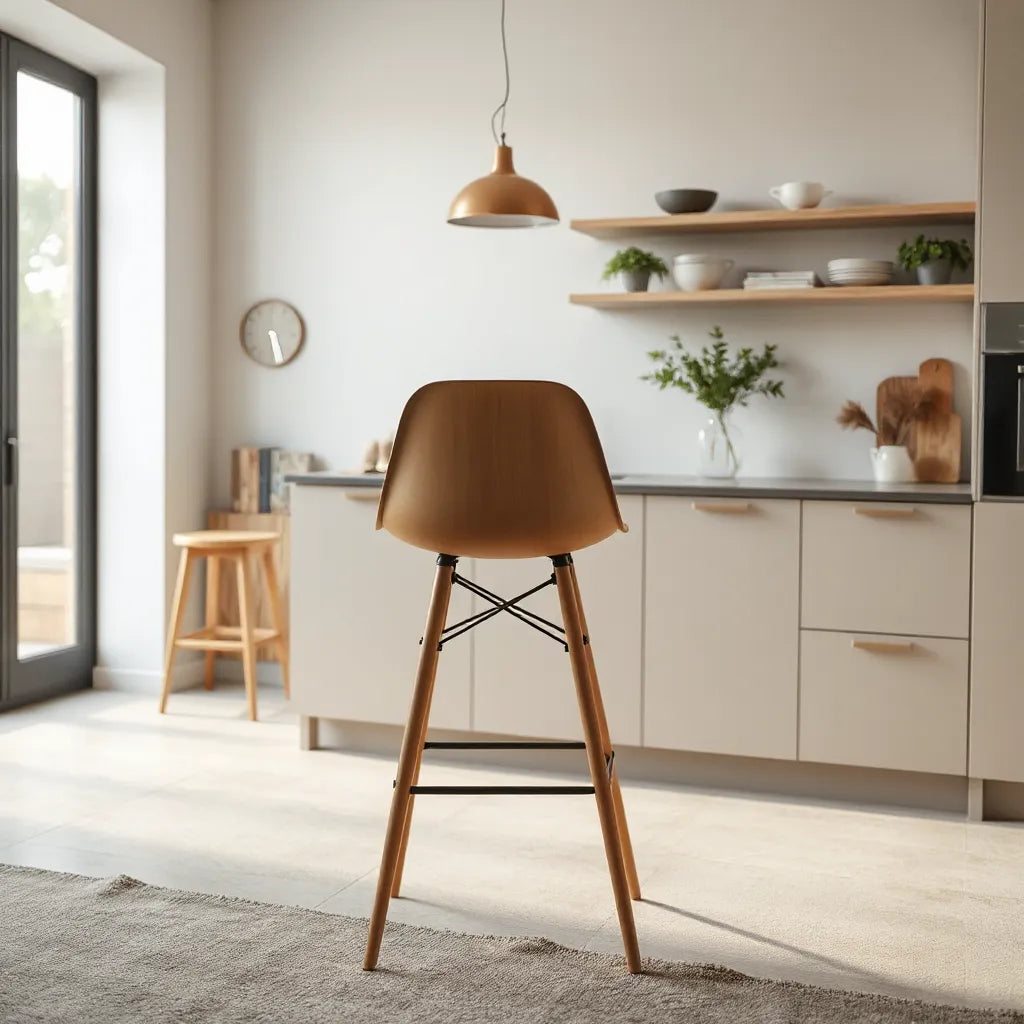
An Emi Bar Stool can be a practical, style-forward choice for kitchens, islands, and home bars. The right height, seat comfort, and material finish determine whether the stool improves daily routines. Many buyers focus on appearance first, then struggle with fit, stability, and cleaning needs later. This guide explains common errors and provides a clear decision framework so you can choose with confidence.
Table of Contents
Common Mistakes to Avoid
Choosing an Emi Bar Stool is not only about selecting a design you like. Many problems appear after installation, especially when the stool height does not match the counter or when the seat lacks the comfort needed for daily use.
- Ignoring seating height: The stool can look correct in photos, yet still feel uncomfortable if the distance to the countertop is off by a few inches.
- Overlooking leg clearance: Some designs limit foot space. When leg clearance is tight, people will avoid using the bar area even if the stool matches the interior.
- Underestimating material behavior: Finishes react differently to sunlight, moisture, and frequent cleaning. A stool that is easy to maintain in one room may require extra care in another.
- Buying only for style: A visually appealing stool may still be unstable or difficult to clean. A balanced evaluation should include comfort, stability, and upkeep.
- Not planning for traffic flow: Stools placed too close to walkways create friction and can affect how often the area is used.

Counter height gauge, clearance arrows, comfort checklist
Pros & Cons Analysis
A bar stool is a functional piece of furniture. Before you purchase, review how an Emi Bar Stool fits your space, your daily routine, and your maintenance habits.
Pros
- Improved usability of islands and bars: The right stool supports a smoother workflow for dining, prep work, and casual meetings.
- Design flexibility: You can match modern, transitional, or minimalist interiors by selecting a compatible frame and finish.
- Space-conscious seating: Many stool designs work well in compact areas because they can tuck partially under a counter or stay aligned with corners.
- Varied comfort options: Seat shape, back support, and foot rests can be selected based on how long people typically sit.
Cons
- Height mismatches can create discomfort: Even small differences can lead to an awkward sitting posture.
- Cleaning can vary by material: Upholstered elements may require more careful maintenance than wipe-clean finishes.
- Stability depends on build quality: If the base is not suited to your floor type, the stool may feel wobbly.
- Placement affects circulation: Too many stools or poor spacing can reduce accessibility.
If you are comparing options in a structured way, you can start with a trusted baseline. For example, you may review seating styles at Emi Bar Stool options to see how design choices translate into everyday use.
Quick Tips for Choosing the Right Stool
- Measure before you choose: Confirm counter height and test a sitting position with an estimated stool height.
- Prioritize leg support: Look for a foot rest or sufficient lower clearance to reduce fatigue.
- Match the finish to your routine: If you expect frequent cleaning, choose materials that tolerate regular wipe-downs.
- Check width and spacing: Leave enough room so people can sit down and stand up without bumping knees or reaching around others.
- Plan for multiple stools: If you are buying a set, ensure consistent height and consider how styles align across the room.
Fit, Height, and Material Considerations
Comfort begins with proportions. An Emi Bar Stool must align with the counter or bar height, but comfort is also influenced by the seat form and how the material behaves over time.
Seat height fundamentals
Start with the vertical relationship between the countertop and the seat. Most bar seating is designed so that the user can rest comfortably with bent knees and relaxed feet. If your stool is too high, the shoulders may rise and the posture becomes tense. If it is too low, the user may feel cramped or need to lean forward.
Seat style and everyday comfort
Seat comfort depends on the balance between firmness and support. A well-designed seat encourages relaxed sitting, especially during meals. If you want longer sitting sessions, look for ergonomic shaping and stable base construction.
Material selection and durability
Materials influence both appearance and maintenance. Wood finishes can add warmth, but they require appropriate cleaning methods. Metal frames often provide a clean visual line and can withstand heavy usage when properly finished. Upholstery or textured surfaces may improve comfort, yet they require more careful care.
Floor contact and stability
Stability is not optional. Examine the base footprint, check whether it suits your floor, and confirm that legs rest evenly. For smooth floors, protective pads can help reduce slipping and protect surfaces.
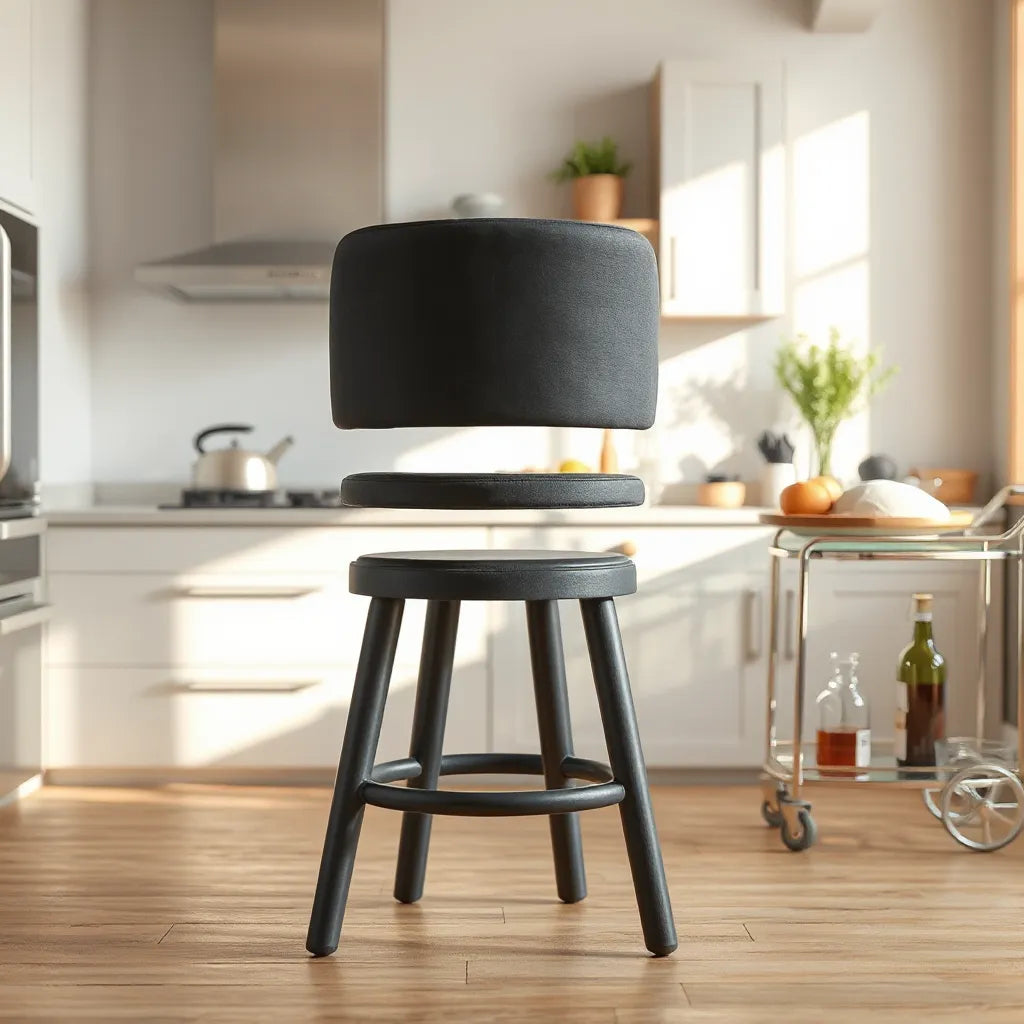
If you want to compare seating silhouettes and understand how proportions affect comfort, you can also review other options on the same platform, such as Haruto bar stool, to learn how different frames and seat shapes change the feel of the space.

Material swatches, cleaning cloth, stability base on tiles
Style and Layout Planning
Even when height and comfort are correct, layout mistakes can still reduce satisfaction. A bar stool arrangement should support the room’s movement patterns and the visual rhythm of your interior design.
Spacing and traffic flow
Measure spacing around each seat. People need room to sit down, scoot back, and stand up without hitting cabinets, walls, or other furniture. If you place stools too close to appliances or storage doors, the area may become inconvenient to use.
Matching the interior palette
Style is more than color. Consider the stool’s visual weight. A light frame may blend into a minimal kitchen, while a more substantial look can anchor a larger dining area. Choose finishes that harmonize with your cabinetry, flooring, and countertop surfaces.
Back support and seating behavior
Back support changes how people sit. For quick meals or casual conversations, some users prefer a backless or lightly supported seat because it offers flexibility. For longer sitting, a supported back can improve comfort and reduce fatigue. Decide based on how your household actually uses the bar area.
Pairing stools with complementary furniture
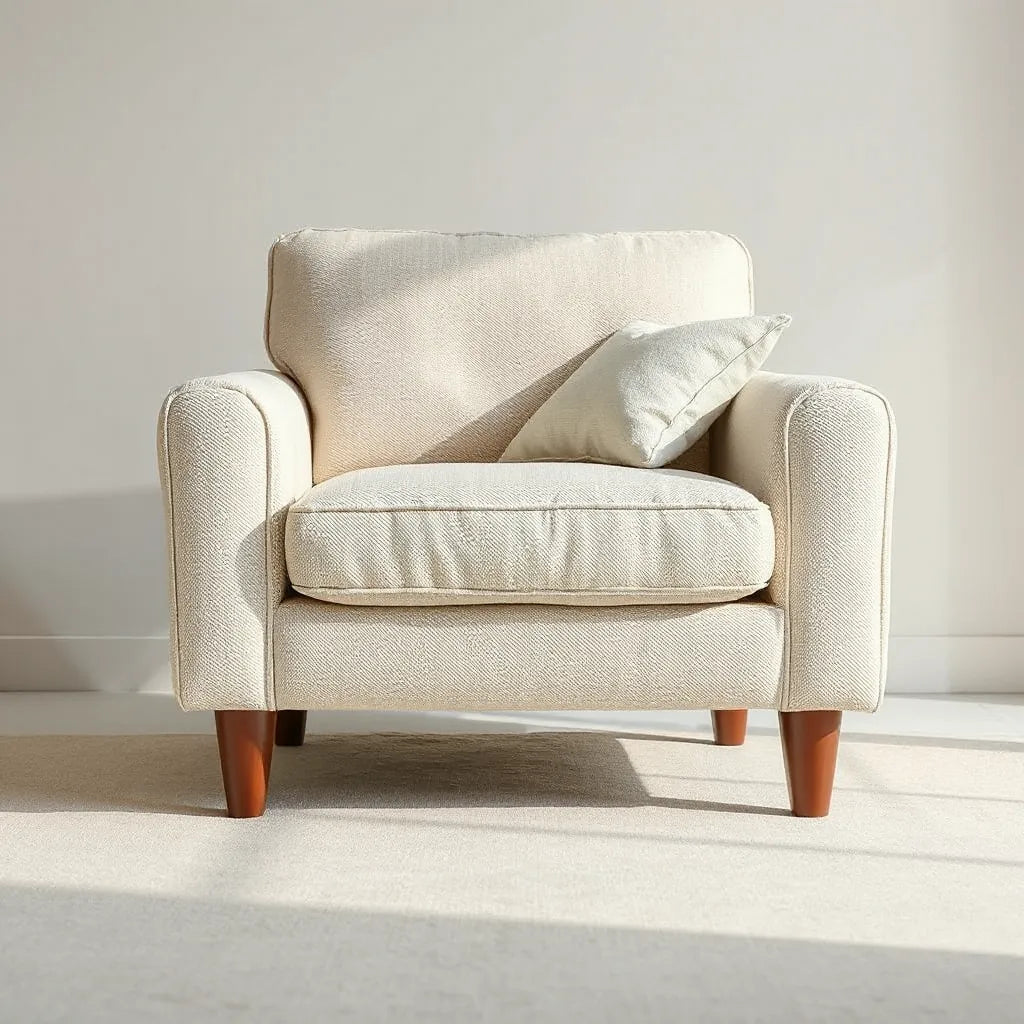
When your seating choices are consistent, the room feels intentional. If you also plan surrounding furniture, look for complementary materials and consistent design language. For example, a coordinated approach can extend to seating elsewhere in the home, such as Izumi chair, which can help you maintain a unified aesthetic.
Care and Safety Checklist
Long-term satisfaction comes from practical maintenance and safe placement. A stool used daily should be easy to clean and sturdy under regular movement.
Cleaning routine by material
- Wipe-clean surfaces: Use soft cloths and gentle cleaners suitable for the finish. Avoid harsh abrasives that can dull the surface.
- Wood and varnished finishes: Use cleaning methods that protect the coating. Remove spills quickly to avoid staining.
- Textured or upholstered surfaces: Follow care guidance that matches the fabric or coating type. Vacuuming and spot cleaning help maintain appearance.
Preventive habits
- Protect the base: Use pads or felt components if recommended for your floor type.
- Inspect regularly: Check screws, connectors, and leg alignment after installation and periodically after heavy use.
- Manage sun exposure: Bright light can alter finishes over time. If your bar area receives strong sunlight, consider window treatments.
Safety considerations for home use
Stools should remain stable while in use and should not shift during sitting or standing. Confirm that the base sits flat, that the floor is even, and that the stool area is free from trip hazards such as loose rugs or cables.
If your bar height is adjustable, test sitting comfort with actual household members when possible. Seat feel can vary widely based on leg length and preferred posture.
Wrap-Up & Key Insights
An Emi Bar Stool can elevate both function and style when the key choices are made in the right order: correct height, adequate leg clearance, dependable stability, and maintenance compatibility. Avoid common selection errors by measuring first, planning spacing for movement, and choosing materials that match your cleaning routine. Once the essentials are correct, style becomes the final layer that creates a cohesive room.
If you are ready to compare designs, start by reviewing a curated selection at Emi Bar Stool and shortlist the options that best match your counter height and interior palette.
Q&A Section
How do I measure for an Emi Bar Stool that feels comfortable?
Measure the height of your counter or bar from the floor to the top surface. Then select a stool height that allows relaxed knee angles and stable foot placement. When possible, test by temporarily placing a seat at the estimated height or comparing with existing seating that feels comfortable.
What factors matter most for stability and daily use?
Look for a wide, well-supported base and ensure all legs contact the floor evenly. Check for solid joinery and secure fasteners. Stability also depends on your floor type, so protective pads and an even surface help prevent shifting.
Which materials are easiest to maintain in a busy kitchen?
Wipe-clean finishes are typically easier for high-traffic areas. Metal and coated surfaces often tolerate regular cleaning with gentle products. Wood can work well if you clean spills quickly, while upholstered or textured materials require more careful attention to prevent staining and preserve appearance.
How many stools should I place at an island or bar?
Choose the number of stools based on available space and practical access. Maintain enough room for people to sit and stand without obstruction. If the bar area is used frequently, prioritize comfort and traffic flow over maximum seating density.
Can I match bar stools to other chairs in the same home?
Yes. Focus on design language, finish tone, and visual weight. Coordinating elements across seating zones creates a consistent look. You can also balance different pieces by repeating key materials or colors rather than copying exact shapes.
Are backless stools suitable for longer sitting sessions?
Backless stools can work for shorter periods, but longer sessions often benefit from a supported seat design. If your household typically sits for extended meals or work conversations, prioritize models with added back support or a seat shape that promotes comfortable posture.
What is the best way to prevent wear and discoloration?
Use soft cloth cleaning methods, address spills promptly, and avoid abrasive tools. If your bar area receives strong sunlight, consider controlling light exposure to reduce fading. Periodic inspection of fasteners and base alignment also supports long-term durability.
Where can I compare Emi Bar Stool designs before buying?
You can compare style and construction details by reviewing product pages that show multiple angles and descriptions. For example, you can start with the Emi Bar Stool range on the official store and then cross-check measurements against your counter height.
How do I maintain a consistent look when buying multiple stools?
Buy stools with matching heights and consistent finish tone. If you are mixing styles, keep repeated elements such as frame color, seat material, or leg shape to preserve visual cohesion. Spacing them evenly also improves symmetry and perceived design quality.
Is it better to buy one stool first or a full set?
Many buyers choose a single stool first to confirm height and comfort. If you have a reliable measurement and a clear interior direction, purchasing a set can be efficient. Either approach is valid if the final seating feel meets daily needs.
What should I do if my stool does not align well with the counter?
If the stool feels too high or too low, do not rely on adjustment through posture alone. Re-check measurements and seating clearance. When the fit is off, selecting a different height option is the most effective solution for comfort and usability.
How can I ensure the stool area remains uncluttered?
Plan clear pathways and keep the area around the stools free from obstacles. Store nearby items in cabinets or drawers so the seating zone remains open. Good spacing supports both comfort and safety.
What is the most common reason bar stools disappoint buyers?
The most common issue is comfort mismatch due to incorrect height selection. Buyers may like the look but still experience fatigue or awkward posture. A careful measurement process and leg clearance evaluation reduce this risk significantly.
How should I decide between different seat shapes?
Consider how people in your home sit and how long they typically remain seated. Seats with more support often suit longer meals, while simpler designs may be preferable for quick use. The best choice is the one that supports relaxed posture without pressure points.
Can I use bar stools in areas other than kitchens?
Yes. Bar stools can work in home offices, reading nooks, or craft areas where a higher seating position is helpful. The key remains alignment with the work surface and stable placement on your floor.
Should I prioritize color matching or material matching?
Either can work, but material matching often creates a deeper sense of cohesion, especially when finishes connect across the room. Color matching matters most if your cabinetry or countertops have strong visual contrast. A balanced approach usually produces the best results.
About the Author
Nisu Home
Nisu Home is a home and lifestyle authority focused on practical design decisions and durable furniture selection. The team brings topic expertise in interior styling, spatial planning, and everyday usability. Choose with intention, and let your seating support the way you live.

Leave a comment
This site is protected by hCaptcha and the hCaptcha Privacy Policy and Terms of Service apply.