

Updated on: 2026-07-07
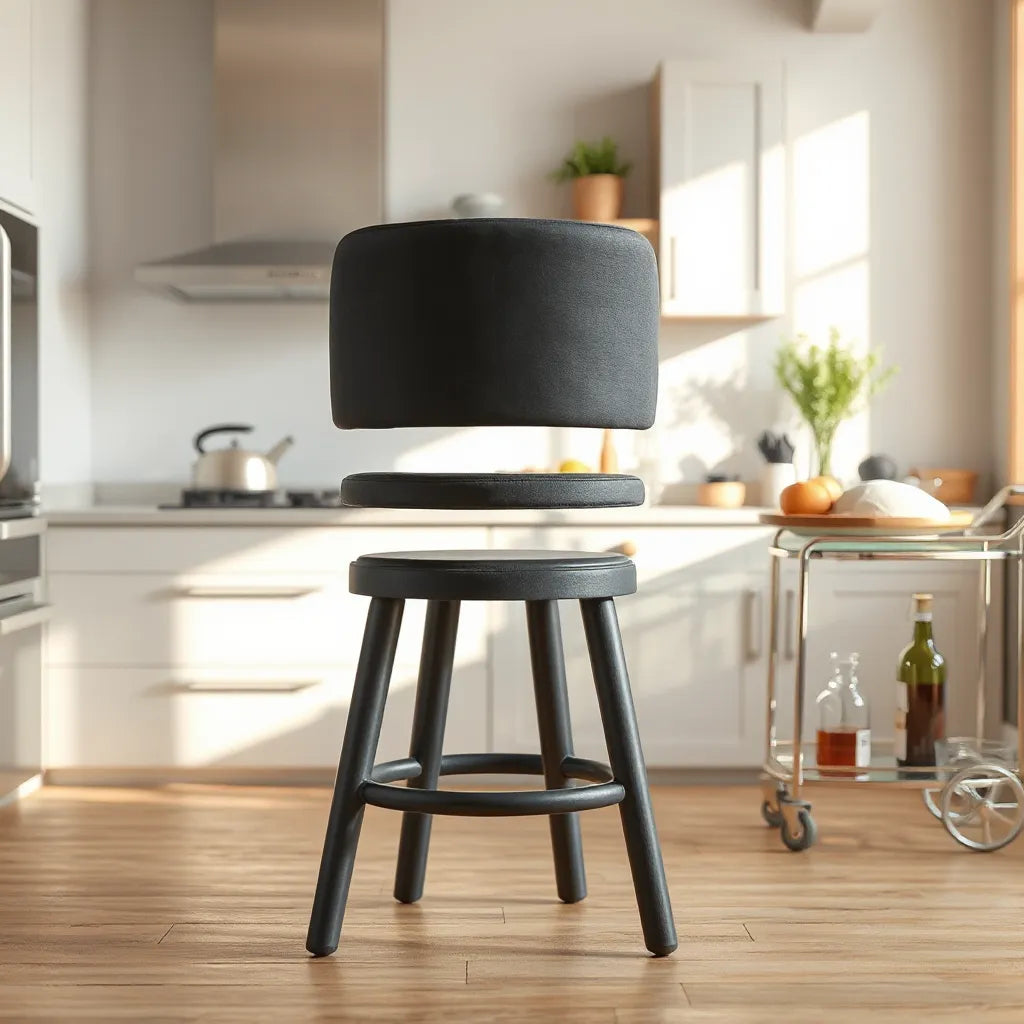
Choosing the right seating can transform how a kitchen or bar area looks and feels. A charcoal bar stool stands out because its neutral tone works with many color palettes. It also tends to hide everyday wear better than lighter finishes. This guide explains how to select the correct height, materials, and style for long-term comfort and easy maintenance.
- 1. Table of Contents
- 2. Introduction
- 3. Did You Know?
- 4. Expert Tips
- 5. Personal Anecdote
- 6. How to Choose a Charcoal Bar Stool
- 7. Materials and Maintenance That Matter
- 8. Styling and Color Matching
- 9. Visual Reference
- 10. Common Setup Mistakes
- 11. Visual Reference
- 12. Summary & Takeaways
- 13. Q&A Section
- 14. About the Author
Table of Contents
Use the links below to jump to key sections.
- Introduction
- Did You Know?
- Expert Tips
- Personal Anecdote
- How to Choose a Charcoal Bar Stool
- Materials and Maintenance That Matter
- Styling and Color Matching
- Common Setup Mistakes
- Summary & Takeaways
- Q&A Section
Introduction
Bar areas are no longer limited to restaurants and home entertaining. Many people now use kitchen islands, home office counters, and dining nooks as multifunctional spaces. In these environments, the right stool improves circulation, supports posture, and creates a cohesive design. A charcoal bar stool is especially practical because the shade acts as a visual anchor while remaining easy to pair with woods, metals, and textiles.
However, selecting a stool is not only about color. Comfort depends on seat height, foot support, and how the design fits your space. Durability depends on materials and daily maintenance habits. This article provides a structured approach so you can choose with confidence and avoid common mistakes that reduce usability.
Did You Know?
- Charcoal tones often blend with both warm and cool palettes.
- Dark seating can reduce the visual impact of minor scuffs.
- Proper leg support helps make sitting feel natural.
- Seat shape influences comfort during short and longer visits.
- Spacing around the bar can change how inviting the area feels.
Expert Tips
- Measure the counter height first, then select a stool with the correct seat-to-bar clearance.
- Choose a finish that matches your cleaning routine and local humidity.
- Look for stable bases and secure joinery, especially for daily use.
- Use a neutral stool color to simplify future updates to your decor.
- Test scale by imagining foot clearance and reach distance from the bar.
Personal Anecdote
When I redesigned my own kitchen bar area, I initially focused on the countertop and lighting. The seating came last, and I learned a valuable lesson quickly. The first stool set looked good, but it made conversations feel rushed because the seats were too high. After adjusting the stool height, the same space became more comfortable and usable for longer visits. The second change that helped was choosing a charcoal tone. It softened the visual contrast between the bar top and surrounding cabinets, which made the entire area feel more intentional.
How to Choose a Charcoal Bar Stool
To select the best charcoal bar stool for your home, focus on fit, comfort, and visual alignment. Start with your bar height. Then evaluate seat height, back support, and leg placement. Finally, consider how the stool shape supports the flow of your space.
1) Match the stool height to your bar or counter
The most common reason people return stools is incorrect height. Measure from the floor to the underside of the bar surface, then compare it with the stool’s seat height. In general, you want enough clearance so your knees can bend comfortably without feeling cramped. You also need room for feet to rest securely.
2) Prioritize stable support
Stability is not optional when a stool is used daily. A well-balanced base reduces wobble and improves confidence while seated. Check whether the legs spread evenly, whether the frame feels rigid, and whether the design includes features that improve grip and alignment.
3) Decide whether you want a backrest
Backrests enhance comfort during longer periods at the bar. If the bar area supports quick meals only, a backless design can still work well and may save visual weight. For frequent entertaining, choose a style with back support and a seat profile that encourages relaxed posture.
4) Consider seat comfort and shape
A seat can look attractive and still feel uncomfortable. Pay attention to how the seat edge meets your thighs, especially if the stool has a curved front. A gently contoured seat can distribute pressure more evenly than a flat design.

Seat height and clearance guide with simple icons
Materials and Maintenance That Matter
Material choices determine how your stool performs over time. A charcoal finish can look consistent for longer, but the underlying surface and structure still require evaluation. Consider your household routine, your cleaning tools, and whether the area receives sunlight or moisture.
Wood, metal, and blended construction
Many stools combine wood elements with metal framing for a balanced look. Wood can bring warmth and natural texture. Metal can add structural strength and a clean, modern edge. When selecting, look for smooth transitions where materials meet, because rough edges can wear socks and clothing or create discomfort.
Upholstery versus solid seating
Some bar stools use upholstered seats for comfort. Upholstery often supports extended sitting, but it can require more care. Solid seats are easier to wipe down, which can be an advantage if spills are common. If you choose upholstered seating, confirm that the fabric is suitable for frequent cleaning and everyday exposure.
Finish type and cleaning approach
Charcoal seating often hides light scuffs, yet it still benefits from regular maintenance. Use gentle cleaning methods that match the surface. For painted or sealed finishes, a soft cloth and mild cleaner usually work well. For textured surfaces, ensure your cleaning cloth reaches crevices without spreading residue.
If your bar area is near windows, consider how heat and sunlight may affect finishes over time. Keeping exposure consistent can help maintain a uniform appearance.
Foot support and floor protection
Footrests make sitting more natural, especially when stools are used by different family members. A sturdy footrest also reduces stress on the legs. If you have hardwood floors, choose a stool that does not easily scratch surfaces. Felt pads or careful base design can reduce everyday wear.
Styling and Color Matching
A charcoal bar stool is often chosen as a grounding element. The shade provides contrast without becoming visually overwhelming. It also adapts easily when you change table linens, artwork, or cabinet hardware.
Pair with wood tones for warmth
Charcoal works well with light oak, walnut, and other wood grains. The result is a layered look: charcoal adds depth while wood adds softness. If your kitchen already uses warm cabinetry, this combination can feel cohesive without requiring major changes.
Use metal accents to create rhythm
If your space includes brushed steel, matte black fixtures, or chrome accents, charcoal seating can match those finishes. Aim for consistent tones across lighting, faucets, and appliance trim so the overall design reads as deliberate rather than accidental.
Coordinate textiles with restraint
When adding cushions, curtains, or bar-height decor, choose one or two supporting tones rather than many. For example, warm beige textiles and charcoal stools can create a balanced, modern neutral palette. This approach helps the stool remain the design anchor.
For additional inspiration on bar seating and complementary furniture styling, consider browsing options from Haruto bar stools and Emi bar stools.
Common Setup Mistakes
Even when the stool is high quality, the setup can still create discomfort. Use the following checks to refine your installation and daily use.
Placing stools too close to the bar
When spacing is tight, knees collide with cabinets or the bar edge. It can also limit how far you can pull away while seated. Leave a practical gap so movement feels natural.
Ignoring reach and workflow
In many kitchens, the bar area is used for food prep, beverage service, and casual meetings. If the stools are positioned incorrectly, the seated person may need to lean forward frequently. That posture can feel uncomfortable and can reduce enjoyment of the space.
Choosing a seat without considering different users
Households often include adults with different heights. A stool with an adaptable footrest or an appropriate seat height can help accommodate variation. If you host guests, prioritize comfort and safety over visual uniformity.

Layout diagram showing safe spacing and foot clearance
Overlooking maintenance realities
It is easier to wipe down a surface that has minimal crevices. If the stool design includes detailed textures or hard-to-reach areas, plan for more careful cleaning. Selecting a material that fits your routine will keep the stool looking refined.
Summary & Takeaways
A charcoal bar stool can elevate your bar or kitchen island with a grounded, neutral presence. The most important decision is fit: match seat height to the counter, ensure stable support, and confirm that foot placement feels secure. Next, choose materials that match your lifestyle and cleaning habits, since durability depends on the surface, structure, and maintenance routine. Finally, style the stool as a visual anchor by pairing it with wood warmth, complementary metals, and restrained textiles.
Action plan: measure first, evaluate comfort features, confirm base stability, and then build a simple color story around charcoal. If you start with these fundamentals, your seating will look cohesive and remain comfortable for everyday use.
Q&A Section
What height should I choose for a bar or kitchen island?
Start by measuring the bar surface height and then select a stool based on its seat height. Prioritize comfortable knee bend and reliable foot placement. If the bar is used frequently by multiple people, choose a height that supports most users without requiring them to perch.
Is a charcoal bar stool easy to maintain?
In many cases, charcoal finishes are forgiving because they can conceal minor marks. Maintenance still depends on the surface type. Use gentle cleaning methods suited to the material and wipe regularly to prevent residue buildup in seams and edges.
Can a dark stool work in a small space?
Yes, if you balance it with lighter surroundings. Pair charcoal seating with light walls, warm wood tones, or bright textiles to keep the area from feeling heavy. Also consider a design with clean lines and appropriate spacing so the layout remains open.
Should I choose a backless or back-supported design?
Backless stools can work well for quick meals and minimal space usage. Back-supported designs are better for longer stays because they encourage relaxed posture. Choose based on how your bar area is actually used day to day.
About the Author
Nisu Home is a home and furnishing brand known for practical design guidance. The author, a specialist in interior styling and functional furniture selection, focuses on helping readers choose pieces that balance comfort, durability, and visual harmony. The expertise behind this article supports evidence-informed buying decisions. Thank you for reading and for investing in a more comfortable home.

Leave a comment
This site is protected by hCaptcha and the hCaptcha Privacy Policy and Terms of Service apply.