

Updated on: 2026-06-03
Designer lighting fixtures can transform a room beyond basic illumination. The right design supports mood, improves task comfort, and elevates the overall style. However, many buyers overlook scale, color temperature, and installation constraints. This guide explains common mistakes, practical selection tips, and a balanced view of benefits and trade-offs.
Table of Contents
Common Mistakes to Avoid
Designer lighting fixtures attract attention, but a beautiful look alone does not guarantee a functional interior. The most common errors usually happen during planning, sizing, and finish selection. Correcting these early reduces returns and helps you achieve a coherent space.
Choosing style first, without room requirements
Many shoppers start with a visual concept and then try to fit the fixture later. A better approach begins with how the room is used. Consider reading, cooking, walking paths, and social areas. Style should support those needs, not override them.
Ignoring scale and mounting height
Scale issues are frequent in living rooms and dining areas. A pendant that is too large can overwhelm sightlines. One that is too small can look out of place. Ceiling height also matters. If mounting height is not appropriate, the light may glare or fail to reach key surfaces.
Selecting the wrong color temperature
Color temperature affects perceived warmth and clarity. Warm tones often create comfort, while cooler tones can feel crisp and focused. If you choose a color temperature that does not match your furnishings and activities, the entire atmosphere can feel mismatched.
Lighting often needs flexibility. A dining setting may require bright light for tasks and softer light for evenings. Without dimming support or suitable controls, you may end up with one lighting mood only. That limitation can reduce comfort and make the room feel less adaptable.
Neglecting glare and beam direction
Even high-quality fixtures can cause discomfort if the beam points in the wrong direction. Glare is common with exposed bulbs, tight beam optics, or incorrect diffuser placement. Look for design features that soften light distribution, especially in spaces with reflective surfaces.
Forgetting about installation and wiring constraints
Some design styles require specific mounting hardware, compatible electrical boxes, or professional installation. If you select a fixture without confirming compatibility, you may face delays or extra costs. Planning for installation details protects both the timeline and the finish integrity.

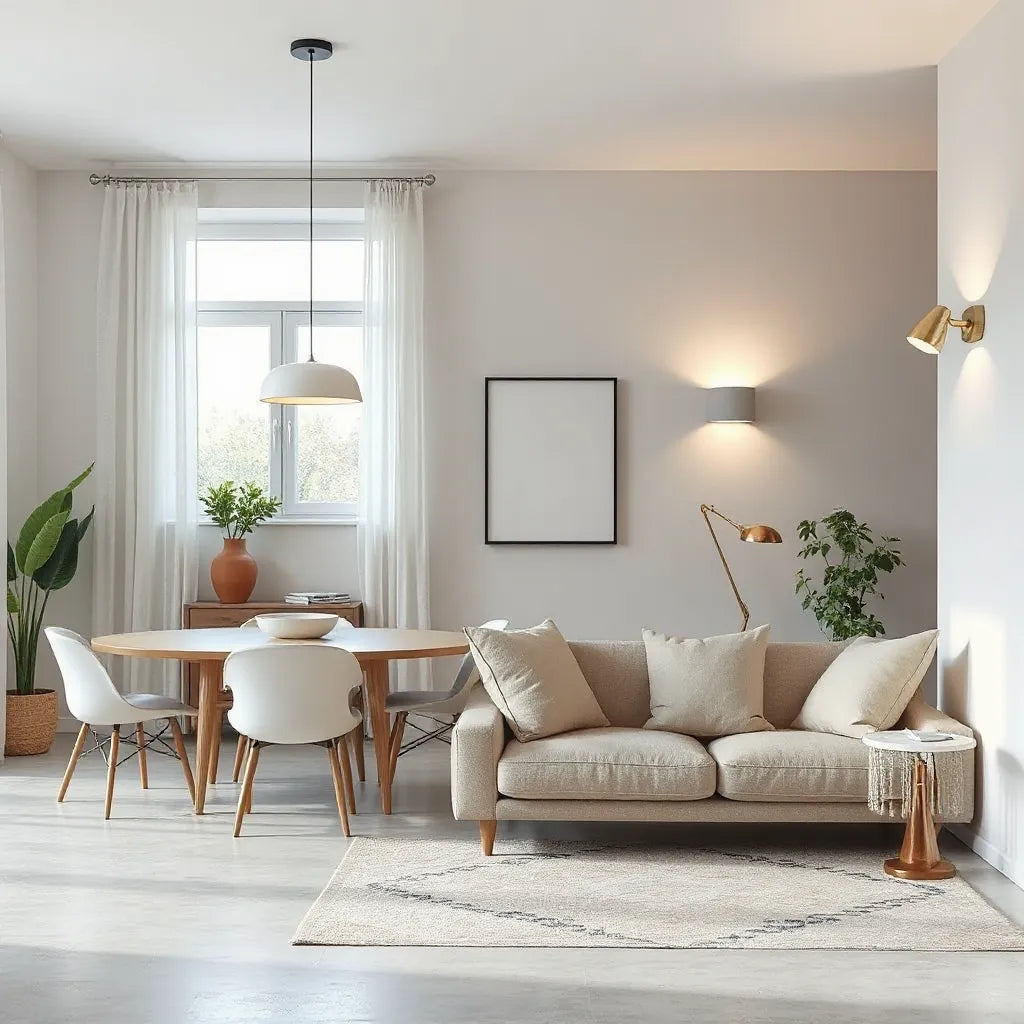
Balanced room layout with adjustable light zones
Pros & Cons Analysis
Designer lighting fixtures offer more than decorative value. When selected thoughtfully, they support usability, improve atmosphere, and add design continuity. At the same time, there are practical considerations that buyers should weigh before making a final decision.
Pros
Stronger visual impact through intentional design lines, materials, and silhouettes.
Improved atmosphere, especially when color temperature and dimming options are chosen correctly.
Better alignment with modern interior themes, including minimal, transitional, and contemporary looks.
Higher likelihood of coordinated finishes when you choose a fixture that matches metals and textures.
Enhanced usability when optics, beam spread, and mounting height are matched to the room function.
Cons
More careful planning is required for scale, placement, and installation compatibility.
Premium finishes and materials can raise upfront costs compared with basic options.
Some designs may create stronger statements, which can reduce flexibility if your style changes quickly.
Glare or uneven distribution can occur if diffuser design and optics are not aligned with the space.
Replacement parts and bulb types may be less universal, depending on the fixture design.
If you are building a consistent interior, consider coordinating lighting with other focal elements. For example, seating and side tables influence perceived brightness and texture. A coherent plan creates an easier transition between day and evening comfort.
Quick Tips
Use these practical steps to select designer lighting fixtures with confidence. These suggestions focus on measurement, compatibility, and everyday usability rather than only appearance.
1) Measure before you choose
Start with ceiling height, the intended focal area, and clearances. For pendants, plan the drop height so that the fixture does not block sightlines at dining tables. For wall-mounted designs, confirm the eye level and travel paths.
2) Match color temperature to the room purpose
For relaxed spaces such as living rooms and bedrooms, a warmer tone often feels more inviting. For kitchens and work surfaces, a cooler or neutral tone can support clarity. Keep in mind that wall colors can shift the final perception.
3) Prioritize dimming and control
Dimming improves flexibility for social time, reading, and end-of-day comfort. If you prefer a layered lighting approach, select a fixture that pairs well with ambient lighting and task lighting. This also helps you avoid harsh contrast.
4) Balance statement design with surrounding finishes
Choose metals and textures that harmonize with other decor elements. If your interior uses warm wood tones, look for lighting finishes that complement those undertones. This is one of the fastest ways to make a designer fixture feel integrated instead of pasted on.
5) Use layering to avoid flat light
Overhead light alone rarely delivers the best comfort. Combine ambient illumination with task lighting and accent highlights. For example, consider how light will fall on artwork, shelves, or seating areas. The goal is a room that looks good from multiple angles.
6) Plan for glare control
Diffusers, shades, and indirect light paths can reduce glare. When a fixture has a strong visual presence, glare control becomes even more important. Evaluate how light will reflect off glossy surfaces or mirrored walls.
7) Consider how lighting interacts with your furniture
Visual balance improves when lighting supports textures and shapes. If you are updating your seating and tables, you can align the design language. For example, streamlined seating and sculptural silhouettes pair well with refined pendant and wall designs. You can explore complementary pieces such as Izumi chair or Toshiro chair to guide your overall interior style direction.
8) Verify compatibility before purchase
Check bulb type, wattage limits, dimmer compatibility, and mounting requirements. Confirm that the electrical box and mounting hardware are suitable. If you are unsure, professional installation is the most reliable approach to protect both safety and the final look.

Layered lighting diagram: ambient, task, accent zones
Wrap-Up & Key Insights
Designer lighting fixtures can deliver a premium look when you plan beyond aesthetics. Focus on room function, correct mounting height, and appropriate color temperature. Ensure dimming control for daily flexibility and confirm installation compatibility before committing. With these decisions in place, your lighting will feel intentional and comfortable.
If you are refining your interior, coordinate lighting with the rest of your design scheme. A cohesive plan creates a space that looks polished in natural light and feels inviting at night.
To continue building a consistent design language, review related furnishings such as Hitsuji chair, explore a complementary Asuka cabinet, or compare options around your seating layout with additional inspiration from Emi bar stool.
Disclaimer: This article provides general guidance for home lighting selection. Actual installation requirements, electrical compatibility, and safety considerations vary by location and existing infrastructure. Consult a qualified electrician or installer for any work involving wiring, mounting, or code compliance.
Q&A Section
How do I choose the right size for designer lighting fixtures?
Begin with room measurements and the intended visual focal point. For pendants over dining areas, align the fixture drop height with clearances and sightlines. For larger rooms, consider how the fixture scale relates to wall width, ceiling height, and nearby furniture. When in doubt, review the product dimensions and test a placement plan on paper before purchase.
What color temperature works best for living spaces?
Many living spaces benefit from warmer or neutral color temperatures because they support relaxation and a comfortable atmosphere. If you have strong contrast in wall colors or glossy surfaces, test how the tone feels across different times of day. Matching the color temperature to the room purpose is more reliable than relying on personal preference alone.
Should I use dimmers with my lighting setup?
Dimmers provide control over brightness and improve comfort for different activities. A flexible lighting plan typically includes ambient illumination, task lighting, and accent elements, with dimming used where appropriate. Before installing, confirm dimmer compatibility with the fixture and bulb type to avoid flicker or performance issues.
How can I reduce glare from a statement fixture?
Glare reduction starts with light distribution. Look for designs with diffusers, shades, or indirect lighting paths. Also consider placement relative to seating angles and reflective surfaces. If a fixture is visually strong and direct light is unavoidable, ensure it is mounted and aimed in a way that avoids direct line of sight.
What installation steps should I confirm before buying?
Confirm electrical compatibility, mounting hardware requirements, and bulb specifications. Check whether the fixture needs a compatible junction box, specific mounting brackets, or professional installation due to weight and design. Planning these details in advance helps you avoid delays and protects the finish.
About the Author Section
Nisu Home is a design-focused home brand with expertise in interior style guidance and functional decor planning. The team develops practical recommendations that help shoppers select lighting and furnishings for real everyday comfort. Thanks for reading, and feel confident in making lighting choices that fit your space and lifestyle.

Leave a comment
This site is protected by hCaptcha and the hCaptcha Privacy Policy and Terms of Service apply.