

Updated on: 2026-06-04
Artistic wall mirrors can transform a room with light, depth, and intentional style. They act as both functional décor and visual focal points. The right shape, frame finish, and placement can improve proportions and highlight your design theme. This guide explains how to choose, install, and style these mirrors with reliable, practical methods.
Table of Contents
Product Spotlight
Step-by-Step How-To
Personal Experience
Summary & Recommendations
Q&A Section
Artistic wall mirrors are a high-impact design choice for homes that need more light, structure, and personality. A well-selected mirror can make a space feel larger without changing your floor plan. It can also connect furniture, colors, and architectural features into one coherent look. In this article, you will learn how to select mirrors based on style, scale, and placement, and how to style them for everyday clarity and long-term visual appeal.
Artistic wall mirrors: choose a style that fits your room
Artistic wall mirrors work best when the design intent is clear. Begin with the role the mirror will play. Some mirrors act as a statement piece above a console or sofa. Others provide subtle balance in a hallway or bedroom. The most effective approach is to match the mirror to your room’s existing lines and finishes, then adjust scale so the mirror looks intentional rather than accidental.
Define the design language
Mirrors share the visual language of frames. A frame with warm wood tones typically aligns with classic, coastal, and transitional interiors. A slim metallic frame supports contemporary and minimalist spaces. An ornate frame can reinforce traditional styling, especially when the room includes antique-inspired materials or decorative hardware.
Use scale to control proportions
Scale determines how the mirror affects the room. A large mirror can expand a narrow entryway. A mid-size mirror can balance a wall with artwork or a gallery arrangement. For over-furniture placement, aim to keep the mirror centered and proportionate to the surface below. When the mirror is too small, it appears detached. When it is too large, it can overwhelm the room.
Consider light direction and viewing purpose
Mirrors amplify available light, but they do so in specific directions. If a room receives strong natural light from one side, placing the mirror to reflect that light can increase brightness. If your goal is daily grooming or functional clarity, prioritize a location that offers stable, even illumination and a comfortable viewing angle.
If you are also refining complementary décor, you may find it useful to review furniture details that support the same visual tone. For example, you can explore seating options like the Izumi chair to understand how frame geometry and finish consistency can shape a room. That principle applies directly to mirror frames as well.

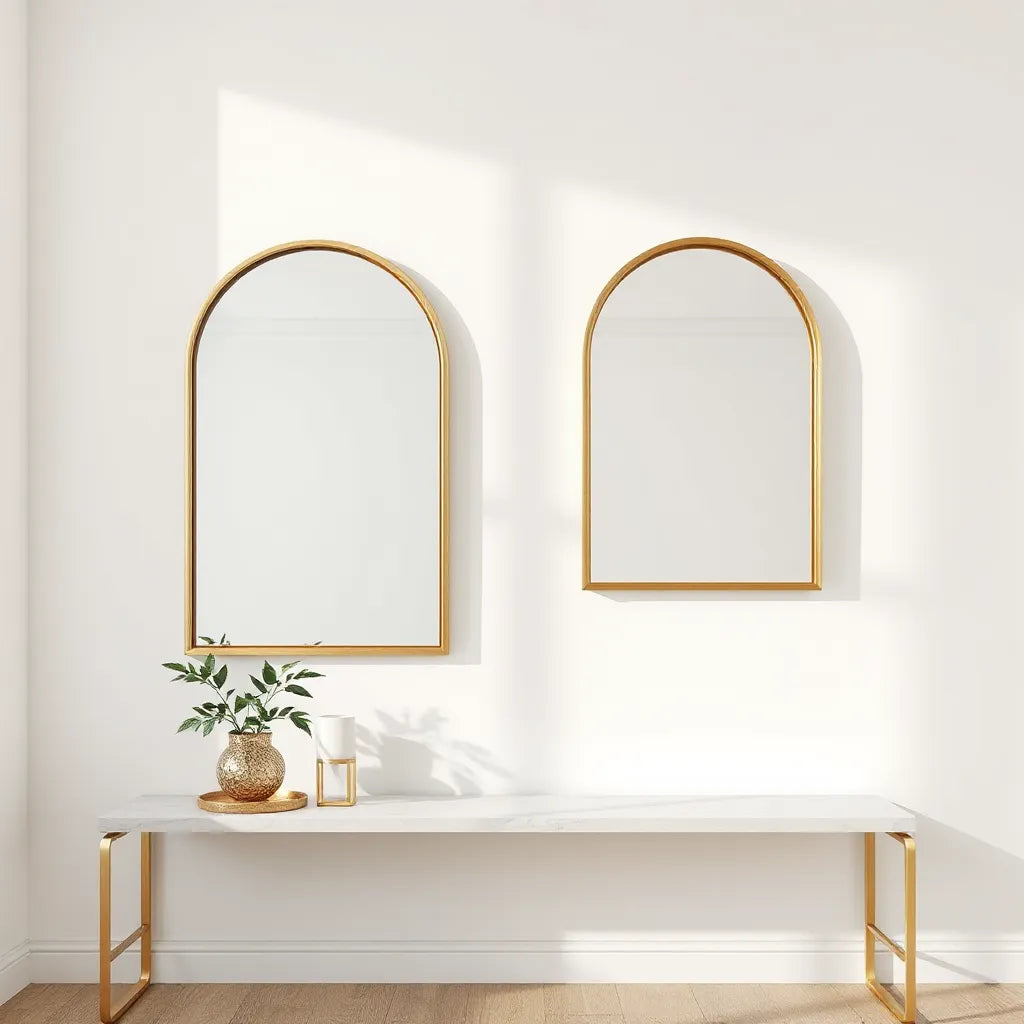
Layered light beams, varied mirror shapes, neutral walls
Step-by-Step How-To: plan, place, and style artistic wall mirrors
Good mirror installation is not only about height. It is about layout logic, wall strength, and visual alignment. Follow these steps for a result that looks designed, not improvised.
1) Measure the wall and choose a mirror scale
Measure the wall width, the surface below if you are placing over furniture, and the space around any nearby artwork. Select a mirror size that fits with the surrounding elements. For a balanced look, leave consistent margins between the mirror and edges of shelves, wall molding, or adjacent décor.
2) Identify the center line and work from there
Use a tape measure to locate the wall’s center point. If the mirror sits above a console or table, center the mirror on the furniture, not on the room itself. This reduces visual friction, especially in spaces where walls contain doors and windows.
3) Set the viewing height for comfort
For most homes, eye-level placement supports comfortable viewing. Place the mirror so the center of the reflective surface aligns with your typical eye line when standing. This is also a practical way to improve everyday use, whether you check your appearance quickly or simply enjoy the added light.
4) Plan the frame finish against existing materials
Match the mirror frame finish to the dominant materials in the room. If your hardware uses brushed metal, choose a frame with a similar tone. If your furniture includes natural wood elements, a warm wood or wood-textured frame usually integrates smoothly. The goal is not exact duplication, but visual harmony.
5) Use spacing rules for wall arrangements
If you are combining a mirror with wall art, create consistent spacing. Keep the mirror aligned with the gallery’s center or ensure that the mirror’s height sits comfortably within the gallery band. A coherent alignment reduces the appearance of randomness.
6) Confirm wall support and mounting method
Before installing, verify whether your wall type can support the mirror weight. Use appropriate mounting hardware for the wall material. If you are unsure, consult a qualified installer. Correct mounting protects your mirror and prevents damage to the wall.
7) Style with intentional accessories
After placement, refine the styling around the mirror. Use a small tray, a decorative object cluster, or a pair of matching accents to create balance. Avoid crowding the surface below. A mirror looks most refined when nearby décor has breathing space.
To strengthen the overall design feel, it can help to align your accessories with your seating and storage choices. If you are furnishing a dining or lounge area, consider how your table and chairs frame the wall composition. You can reference Haruto bar stool to observe how leg lines and finishes support broader interior structure. Apply the same thinking when you choose a mirror frame with complementary shapes.

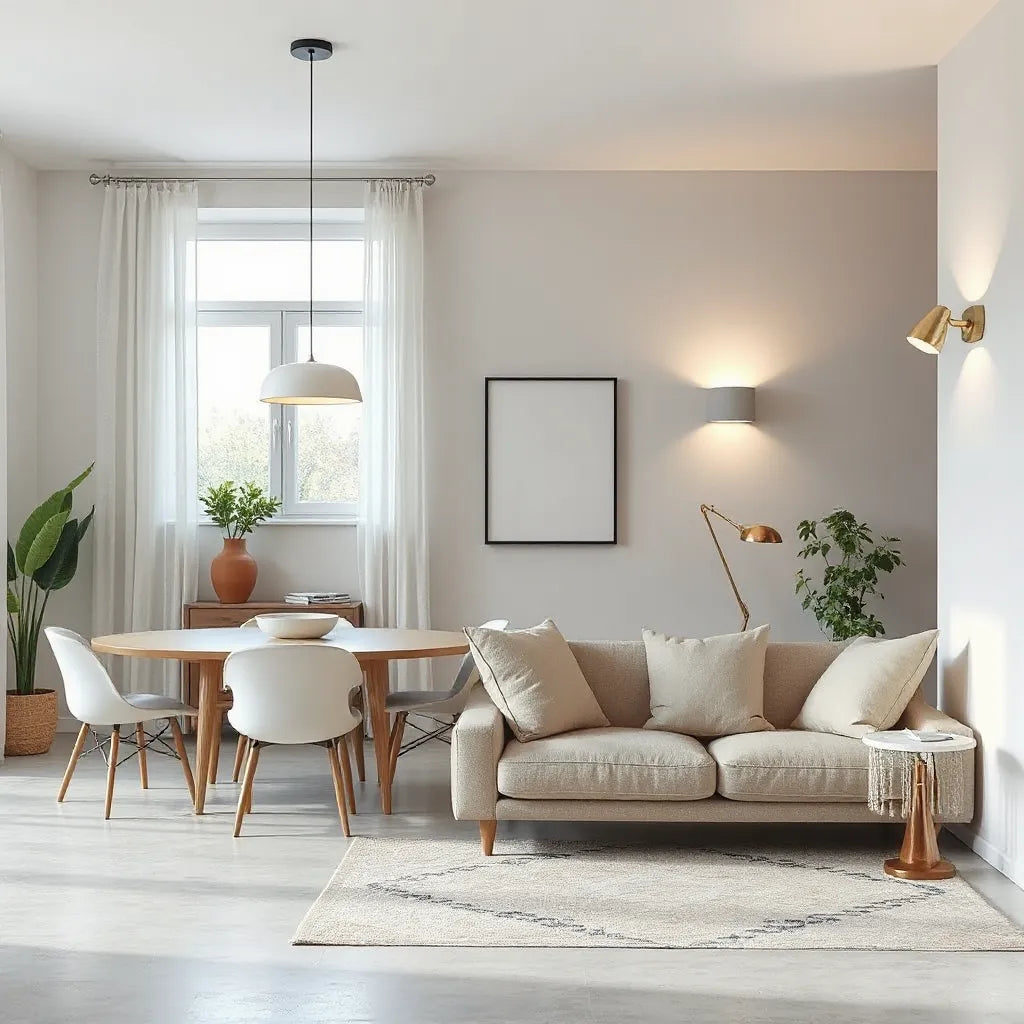
Measured alignment lines, centered mirror silhouette, soft decor spacing
Personal Experience: how placement changed my hallway
I once updated a narrow hallway that felt visually flat. The wall had limited natural light, and the original décor did not create a clear focal point. I replaced a small, low-contrast framed piece with an artistic wall mirror and focused on two details: scale and centering.
First, I measured the wall more carefully and chose a mirror that occupied a meaningful vertical portion of the wall. Second, I centered it on the hallway’s layout rather than placing it where it “seemed” right. The difference was immediate. The hallway felt brighter, and the mirror created a clear visual direction that guided the eye toward the end of the space.
Another change was subtle but important. I kept the console below simple and used only a few objects. The mirror frame became the focal detail, while the surrounding items supported it. That balance is the key to making artistic mirrors look intentional in real rooms.
Summary & Recommendations: make artistic wall mirrors look effortless
Artistic wall mirrors can elevate a room when the selection and placement follow clear rules. Choose a frame style that matches your design language. Use scale to support the room’s proportions, and center the mirror on the most logical layout point. Plan viewing height for comfort, then confirm mounting methods for safety. Finally, style the area with purposeful spacing so the mirror reads as a refined focal piece.
For practical results, start with these recommendations: measure first, select frame finishes that harmonize with existing materials, and keep accessory décor minimal so the mirror remains the main visual anchor. If you are also choosing furniture, consider consistency across lines and finishes, such as the tone reflected in Toshiro chair or other seating pieces that support your room structure.
If you want additional styling ideas for a different kind of feature piece, you may find this resource useful: Luxury Round Chandelier: 7 Styling Ideas for Every Room. While it focuses on lighting, the same placement logic applies to other statement décor.
Q&A Section
What size should I choose for artistic wall mirrors in a living room?
Select a size based on the wall width and the furniture it relates to. For mirrors placed above a sofa or console, a common approach is to choose a width that supports the furniture proportion rather than matching it exactly. When you are unsure, measure the wall area and choose a mirror that occupies a meaningful portion of the available space without touching edges of nearby features.
Where is the best place to install artistic wall mirrors for maximum light?
The best location reflects your room’s light sources. If your room has strong natural light from a window, position the mirror so it can bounce that light deeper into the room. For spaces with mainly artificial lighting, place the mirror near lighting that produces even illumination. Avoid positions where the reflection creates glare or harsh shadows on key areas.
How do I style a mirror with wall art without it looking cluttered?
Create a clear alignment system. Either align the mirror with the center of a gallery layout or set consistent spacing between the mirror and surrounding pieces. Keep décor minimal and choose a small number of complementary accents. The goal is to maintain one focal point, then support it with carefully selected elements rather than filling every available space.
Are artistic wall mirrors suitable for small spaces?
Yes, they are often especially effective in small spaces because they visually expand the area and improve perceived brightness. Choose a mirror size that feels substantial but not overpowering. In small rooms, avoid excessive frame complexity if the wall is already busy. Instead, aim for clean integration with the room’s lines and colors.
About the Author Section
Nisu Home
Nisu Home is an interior design and product expertise brand focused on functional style and cohesive home décor. Our team evaluates materials, proportions, and placement principles to help clients create spaces that look polished and remain practical. We prioritize timeless choices that support daily living and long-term satisfaction. Thank you for reading, and we welcome you to explore design ideas that refine your home with clarity and confidence.
Disclaimer: This article is for general informational purposes. Mirror installation involves weight and wall type considerations, so you should use appropriate hardware and follow local safety practices or consult a qualified professional.

Leave a comment
This site is protected by hCaptcha and the hCaptcha Privacy Policy and Terms of Service apply.