

Updated on: 2026-06-08
A designer armchair in the UK can transform a room without major renovations.
Choosing the right silhouette, upholstery, and proportions improves comfort and visual balance.
This guide helps you evaluate style, materials, and care needs before you buy.
You will also find practical tips to match an armchair to your space and your daily routine.
1. Why a Designer Armchair Matters
2. Personal Experience: The First Time I Chose One
3. Key Advantages of Choosing a Designer Armchair in the UK
4. Quick Tips for Selecting the Right Armchair
5. Summary & Next Steps
6. Q&A Section
Why a designer armchair UK Can Redefine Your Living Space
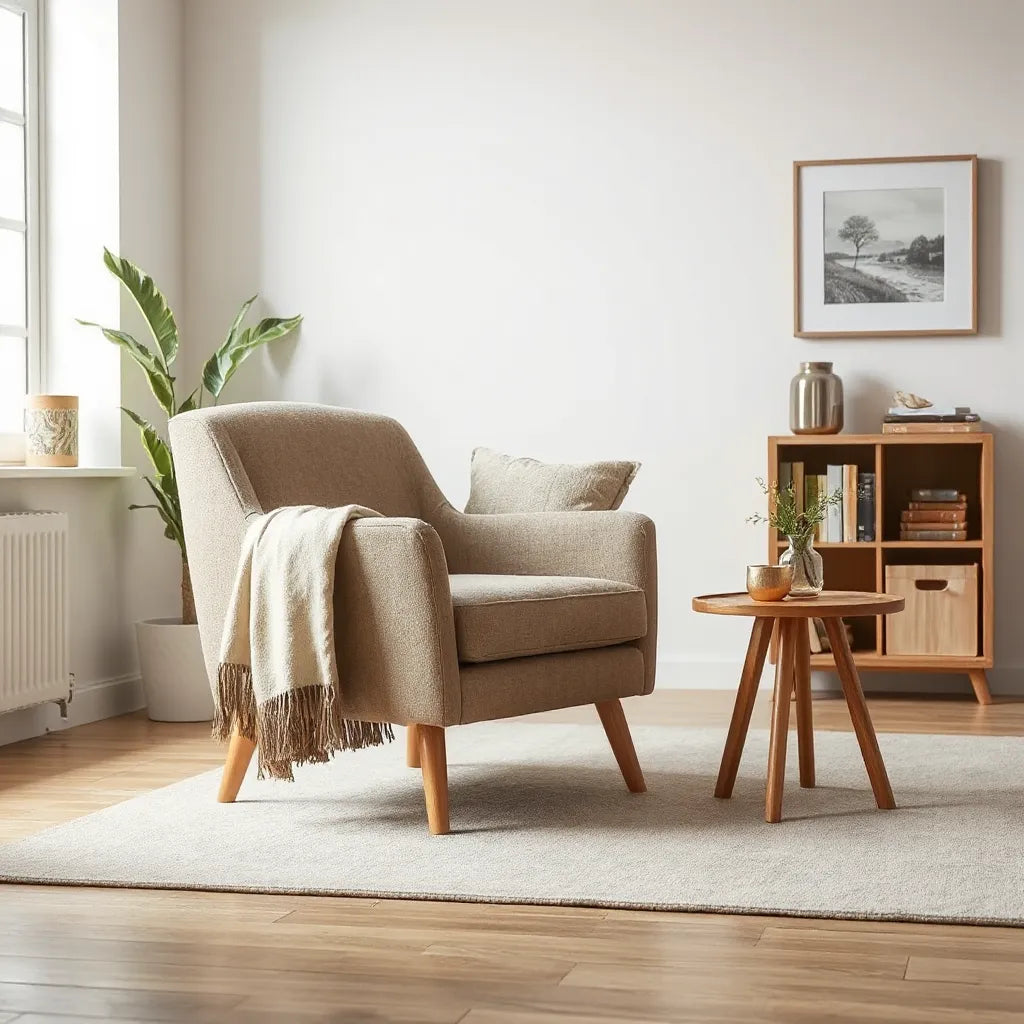
The search term designer armchair UK reflects a clear need: you want a statement piece that still feels practical every day. An armchair is often the most visible seating item in a living room, reading corner, or bedroom lounge area. With the right design, it improves comfort, supports better posture during everyday use, and creates a stronger visual rhythm across the space.
However, style alone does not determine the quality of your purchase. The best designer armchair choices balance aesthetics with real-world considerations such as seat depth, arm height, fabric performance, and how the chair frames the rest of your furniture. When you evaluate these factors early, you reduce return risk and you build a room that looks intentional.
Even if you already own sofas and side tables, an armchair can add texture, contrast, and a focal point. That is why the designer armchair UK category often includes modern forms, classic silhouettes, and tailored upholstery styles. Your job is to select the one that fits your room size, your color palette, and your daily routine.
Personal Experience: The First Time I Chose One
I remember upgrading a home office corner with a single seating piece after months of using a dining chair. The difference was immediate. The room felt more “finished,” and the extra comfort made long work sessions less tiring. But what surprised me most was the styling impact. Before the chair arrived, the space felt slightly disconnected from the rest of the apartment. Afterward, the armchair became a reference point for the entire layout.
In practical terms, I learned to pay attention to proportions. A chair that is too tall can visually dominate the room. A chair that is too shallow can feel cramped for longer seating. Once I adjusted based on my space, the chair looked like it belonged, not like an afterthought. That same logic applies when you shop designer armchair UK options today.

Room layout with balanced shapes and seating zones
Key Advantages of Choosing a Designer Armchair in the UK
- Stronger visual focus: A thoughtfully designed armchair adds structure and helps define zones in open-plan layouts.
- Improved comfort for daily routines: The best models support relaxed posture with suitable seat depth, arm height, and back shape.
- Better texture and material layering: Upholstery choices add warmth and reduce the flat look that can happen in minimalist rooms.
- Flexible styling: Many designer chairs pair well with modern or traditional tables, depending on the legs, color, and fabric finish.
- Long-term value through design: A quality silhouette tends to stay relevant even when color trends change.
To make these advantages real, focus on the details that influence both appearance and function. For example, the chair’s base and legs affect how light moves under the chair. This matters in smaller rooms where you want fewer visual barriers. Likewise, fabric texture changes how the chair reflects light across the day.
Comfort and ergonomics you can evaluate
Comfort is not a vague promise. It is measurable by how the chair holds your body. When you compare options, consider seat depth, back support shape, and arm placement. If your routine involves reading or laptop use, a supportive back and appropriate seat depth help you maintain a steady posture.
Also consider the way the chair will be used. A lounge armchair might prioritize softness and a relaxed feel. A dining-adjacent armchair might prioritize a slightly firmer seat and a more upright posture. Matching the design to its intended role improves both comfort and satisfaction.
Design language: modern, classic, and transitional
Designer armchairs in the UK often follow three broad design languages. Modern designs typically use clean lines and intentional curvature. Classic designs often lean on structured upholstery and traditional proportions. Transitional designs blend both, which makes them easier to place in mixed interiors.
Choose the design language that matches your existing furniture. If your room uses strong straight lines, a chair with crisp edges and consistent geometry usually integrates smoothly. If your space already includes rounded forms and soft textiles, an armchair with gentle curves and layered upholstery can feel cohesive.
Quick Tips for Selecting the Right Armchair
- Measure twice, style once: Note the available width, walking clearance, and the distance from the chair to coffee tables.
- Test visual proportion: Compare the chair height to nearby side tables and shelving. A mismatch can look accidental.
- Choose fabric for your lifestyle: If you have frequent use, select upholstery that handles everyday contact and easy cleaning.
- Plan your color strategy: Use your existing palette. Decide whether the chair should blend in or stand out.
- Check leg and base clearance: Ensure it works with your floor type and that it does not crowd the room.
- Think about future flexibility: A neutral upholstery with a distinctive silhouette usually adapts longer than bold prints.
If you want inspiration, compare silhouettes and upholstery treatments across the Nisu Home collection. For example, you can review a complementary seating style like an upholstered dining-adjacent option on the Izumi chair page and compare it with a more compact seating profile on the Min chair page. This approach helps you develop an internal reference for proportions.
When you are ready to choose a statement piece, also consider how the armchair will look from multiple angles. Many rooms reveal seating from the hallway or through a doorway. A chair that looks balanced from the front should also look structured from the side and at a slight diagonal view.

Material and color swatches representing fabric layering
How to match an armchair with your existing furniture
Matching does not mean copying. It means aligning design cues. Start with three anchors: color value, shape language, and material tone. Color value refers to how light or dark the chair appears in relation to your sofa and rug. Shape language refers to whether your room is mostly angular or mostly rounded. Material tone refers to whether your space feels warm, cool, matte, or glossy.
If your sofa is dominant, choose an armchair that either contrasts with a new texture or echoes the sofa’s silhouette. If your room has many patterns, consider a more solid upholstery base with a defined profile. If your room is mostly plain, add interest with a chair shape, a subtle contrast piping, or a fabric texture that shows depth.
Where to place a designer armchair UK style chair
Placement affects both comfort and visual clarity. In a living room, keep the chair close enough for natural conversation, usually near a table that supports drinks or reading items. In a bedroom, place it near a window or a lamp to create a light-led reading point. In open-plan spaces, use the armchair to define a secondary zone, paired with a rug and an appropriate side table.
Summary & Next Steps
A well-chosen designer armchair UK selection can create a focal point, improve comfort, and unify your room design. The main decision areas are proportion, upholstery performance, and how the chair aligns with your existing furniture. Use measurements to reduce mistakes and choose materials based on real usage rather than appearance alone.
Next, shortlist two or three silhouettes and compare them against your room plan. Consider viewing complementary pieces in the Nisu Home range to better understand how different profiles scale in real interiors. If you want an additional reference point, you may also explore BriShi Home + Glow for inspiration on styling direction, then return to your core measurements and comfort needs.
Yokina Chair - designer armchair UK

View Yokina Chair
For broader comparisons, you can also review another seating option such as the Toshiro chair to evaluate alternative shapes and finishes.
Q&A Section
What dimensions should I check before buying a designer armchair in the UK?
Focus on three measurements: seat height, seat depth, and overall width. Also check the clearance around the chair for easy movement. If you place the chair near a table, measure the distance between the armchair and the tabletop so you can sit comfortably without crowding.
Which upholstery performs best for everyday use?
Everyday use usually benefits from durable fabrics with simple cleaning routines. Choose upholstery based on how often the chair is used, whether you have pets or children, and how frequently you are willing to maintain the fabric. When in doubt, select a finish that resists everyday marks and supports consistent care.
How do I choose a design style that matches my room?
Start with your room’s shape language and color value. If your current furniture has angular lines, prioritize an armchair with clean geometry. If your room is softer and rounded, look for gentle curves and cohesive proportions. Finally, ensure the chair’s color tone harmonizes with your existing textiles.
Can a designer armchair UK style chair work in a small room?
Yes, if you select the right scale and placement. Choose a profile that does not overwhelm the space and leave a clear walking path. A chair with a lighter visual footprint, such as slimmer arms or elevated legs, can help the room feel more open.
About the Author Section
Nisu Home focuses on practical design guidance for modern interiors. The author team specializes in seating, room styling, and material selection, helping customers make confident choices that balance comfort and aesthetics. If you are ready to refine your layout, use the measurement-first method described in this guide to shortlist the most suitable options. Thank you for reading, and welcome to a more intentional home.

Leave a comment
This site is protected by hCaptcha and the hCaptcha Privacy Policy and Terms of Service apply.