

Updated on: 2026-06-09
You can create a stylish home without spending too much. This guide shows how to choose affordable home furnishings that still look intentional. You will learn practical budgeting methods, materials to prioritize, and layout strategies that make rooms feel complete. You will also find expert tips and common questions answered for everyday shopping decisions.
Introduction
Making a home feel welcoming is not only about expensive upgrades. Many people want a cohesive look, durable comfort, and functional storage, but they also need to manage spending. Affordable home furnishings help you solve those goals with smart selection rather than guesswork. With a clear plan, you can invest in the right pieces first, then fill in the rest with cost-conscious choices that still match your style.
This article focuses on practical decisions you can apply immediately. You will learn how to prioritize quality, how to avoid common sizing issues, and how to build a layered look using everyday items. The result is a home that feels considered, not improvised.
Did You Know?
- Small changes in fabric color and texture can change the perceived comfort of a room.
- Dining and seating arrangements can look “finished” when the table height and chair height align.
- Consistent room lighting reduces the need for more decor.
- Storage furniture often acts as decor when its surfaces are styled simply.
Expert Tips
- Set a category budget first, such as seating, tables, and storage, then allocate funds within each category.
- Choose fewer, better statement items and support them with inexpensive accessories.
- Measure key dimensions before you buy, including doorways, walking paths, and clearances.
- Prioritize comfort and stability for items used daily, even when your total spending is limited.
- Repeat a visual theme, such as warm wood tones or a consistent metal finish, to unify the room.
Personal Anecdote
I once tried to refresh a living area by buying several small items at random. The room looked busy, yet it did not feel cohesive. After reviewing my spending, I realized I had not planned around the main activities of the space. I also ignored how chairs and tables interact in real use.
When I started again, I focused on building around seating and one functional table. Then I selected textiles that matched the dominant color in my wall space. The difference was not only aesthetic. The room felt easier to navigate, and guests naturally found comfortable places to sit.
Affordable Home Furnishings: How to Build a Budget-Friendly Look
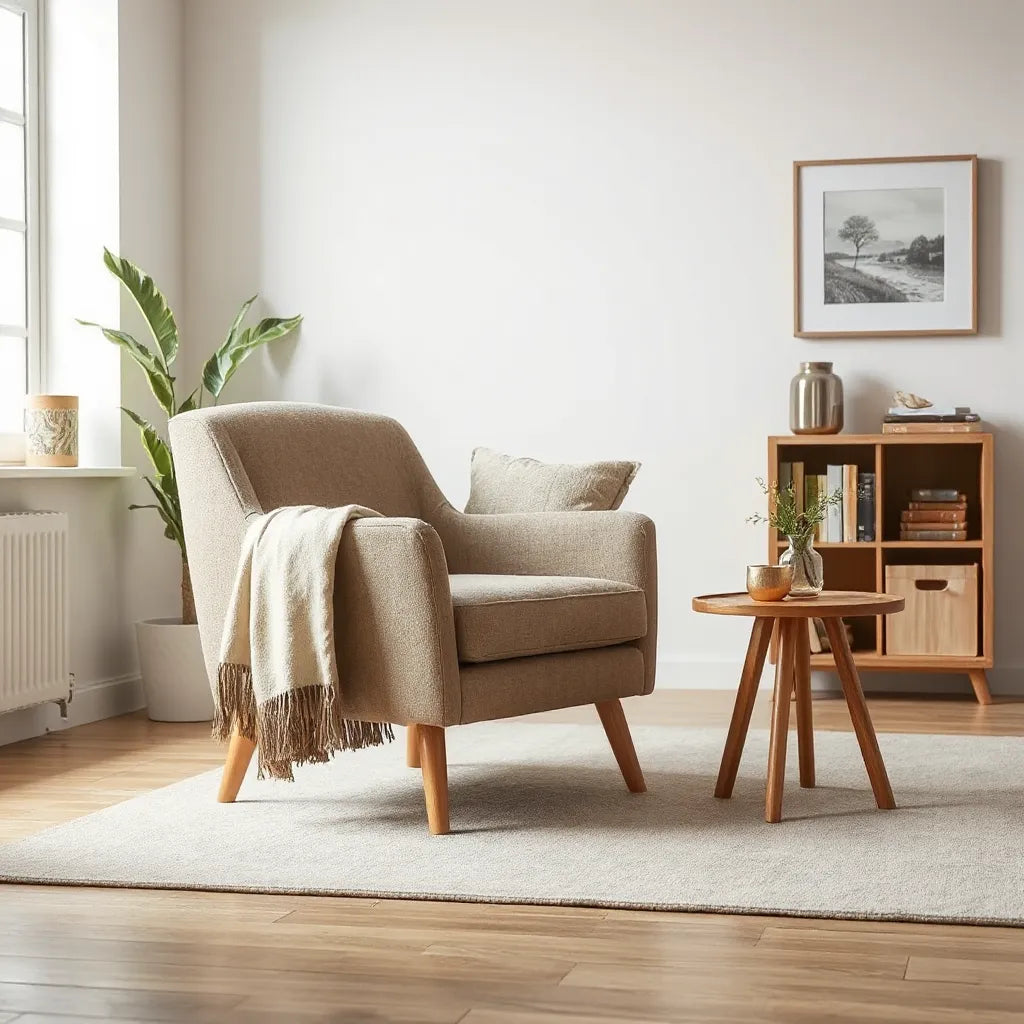
The best approach to affordable home furnishings is to think in layers. A room usually needs three layers: structure, comfort, and personality. Structure is provided by larger pieces such as seating frames, tables, and storage. Comfort is built through cushions, rugs, and lighting. Personality comes from wall art, tabletop styling, and functional organizers that fit your daily routines.
Start with one “anchor” piece that defines the style direction. This could be a chair in a warm wood tone, a storage cabinet with clean lines, or a table surface that supports your lifestyle. Once the anchor is in place, build around it with coordinated textiles and finishes. This method prevents overspending on decor that does not match the core look.

Layered room concept: structure, comfort, personality
Choosing Materials That Wear Well
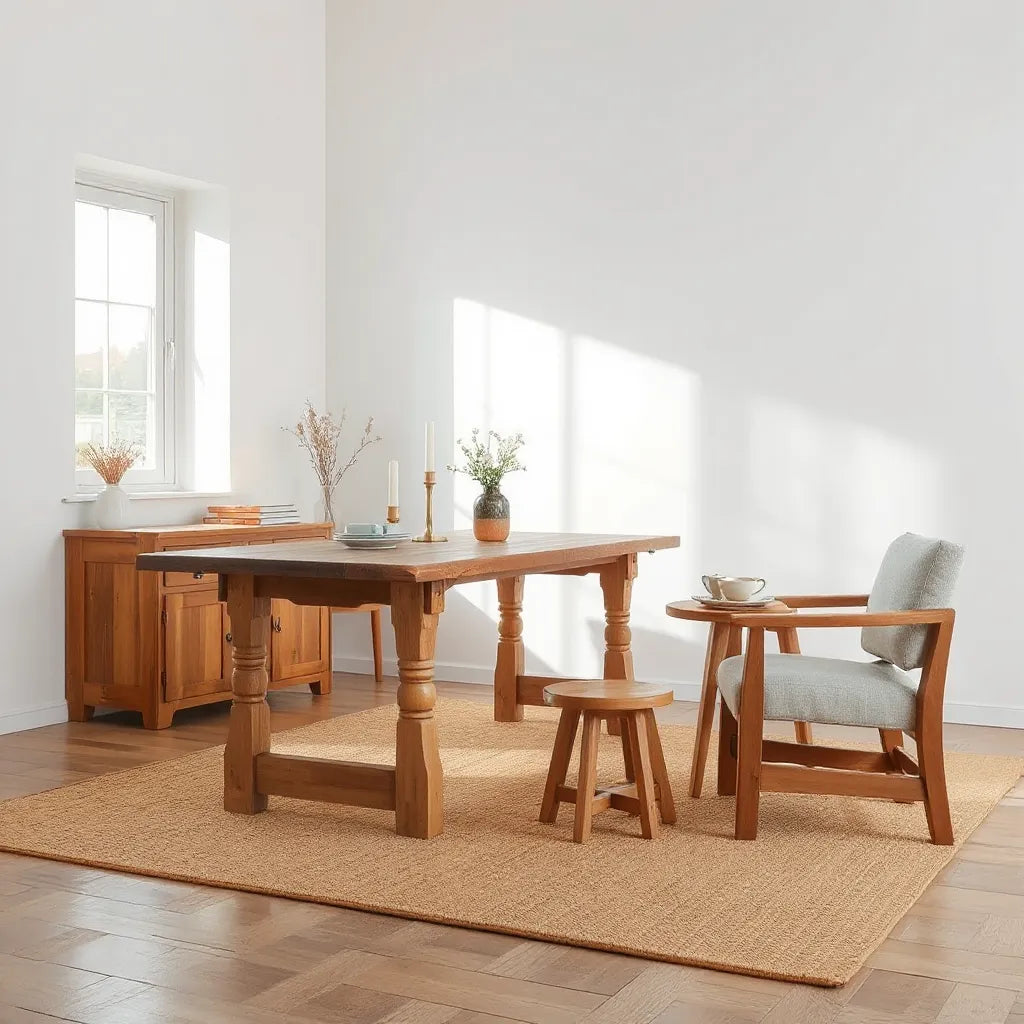
Affordability should not mean short-term replacement. You can extend the lifespan of affordable furnishings by prioritizing materials that handle daily use. For seating and dining items, look for solid joinery and stable bases. Even when you choose a moderate price, structural quality often matters more than decorative extras.
For tables and surfaces, pay attention to the top layer finish. A durable finish helps resist everyday marks and makes cleaning simpler. For cabinets and storage, focus on smooth hardware, because frequently used doors and drawers can become frustrating when they do not operate well.
Textiles deserve similar attention. If a chair receives frequent use, prioritize upholstery fabrics that resist pilling and can be cleaned easily. For rugs, choose a pile height that suits your household. Lower pile rugs generally feel easier to maintain, while higher pile options can add softness and visual depth.
If you want a practical starting point for seating upgrades, consider browsing a chair option designed for everyday use such as Izumi chair or Toshiro chair. Even when budgets are limited, stable chair designs help reduce the need for replacements.

Material durability icons: wood grain, fabric weave, finish
Layout and Sizing: Make Small Spaces Feel Larger
Many budget decisions fail because sizing is not planned. Before you purchase affordable home furnishings, measure the space you truly have, not only the space you hope to have. Keep at least a comfortable walking path between large items. For dining areas, ensure chairs can slide in without scraping walls or blocking doors.
Consider proportions. A room feels better when large pieces are not too small or too dominant. If a room is modest, choose chairs and tables with clean lines and open visual space. If a room is wide, add enough pieces to support the scale, such as a larger rug or a table surface that fits your lighting and everyday items.
When selecting bar-height seating, confirm the counter height and allow enough clearance for relaxed posture. If you have a breakfast bar or home office area that supports quick meals, a bar stool can be both functional and stylish. You can explore Haruto bar stool or Emi bar stool as examples of how seating can align with counter-focused layouts.
Smart Shopping: Where Value Comes From
Value comes from fit, durability, and versatility. It is tempting to buy trend-led items, but the highest value items often work in more than one scenario. A chair that can be used in a dining corner or as additional seating for guests may be a stronger investment than a single-purpose item.
When evaluating budget purchases, check how the item supports your real routine. Ask whether it improves comfort, simplifies cleaning, or reduces clutter. If a piece does not solve a practical problem, it may be better to allocate funds to a piece that does.
Another value strategy is to shop by compatibility. If your home already includes a specific wood tone, select affordable home furnishings that coordinate rather than fight the existing palette. Consistency reduces visual noise and makes rooms feel calmer. This same logic applies to metals. A consistent finish across hardware and lighting helps your space appear more intentional.
If you need seating options for additional corners or small spaces, consider alternatives like Hitsuji chair or Min chair. These types of choices can support flexible layouts without forcing an expensive redesign.
Style Strategies That Look High-End
A high-end look is often achieved through restraint and coherence. Your goal is not to purchase luxury materials everywhere. Your goal is to create visual harmony. Here are practical style strategies that help affordable home furnishings look polished.
1) Use a consistent color plan
Choose one dominant color and one or two supporting tones. Then pick textiles and accessories that sit within that plan. Neutral bases allow you to add seasonal accents without redoing the whole space.
2) Repeat shapes and finishes
If your furniture has rounded edges, bring that softness into decor by selecting round elements such as trays or mirrors. If your cabinetry has straight lines, choose accessories with similar geometry.
3) Create contrast using texture
Even with a limited budget, you can create depth by mixing textures. Pair smooth surfaces with woven items. Add a rug to soften hard flooring. Use lighting to create gentle contrast and highlight textures.
4) Style functional surfaces
Tables often look incomplete when they are empty. Use simple styling: a tray, a small plant, and a coordinating container for everyday items. This approach makes a room feel lived-in while keeping surfaces organized.
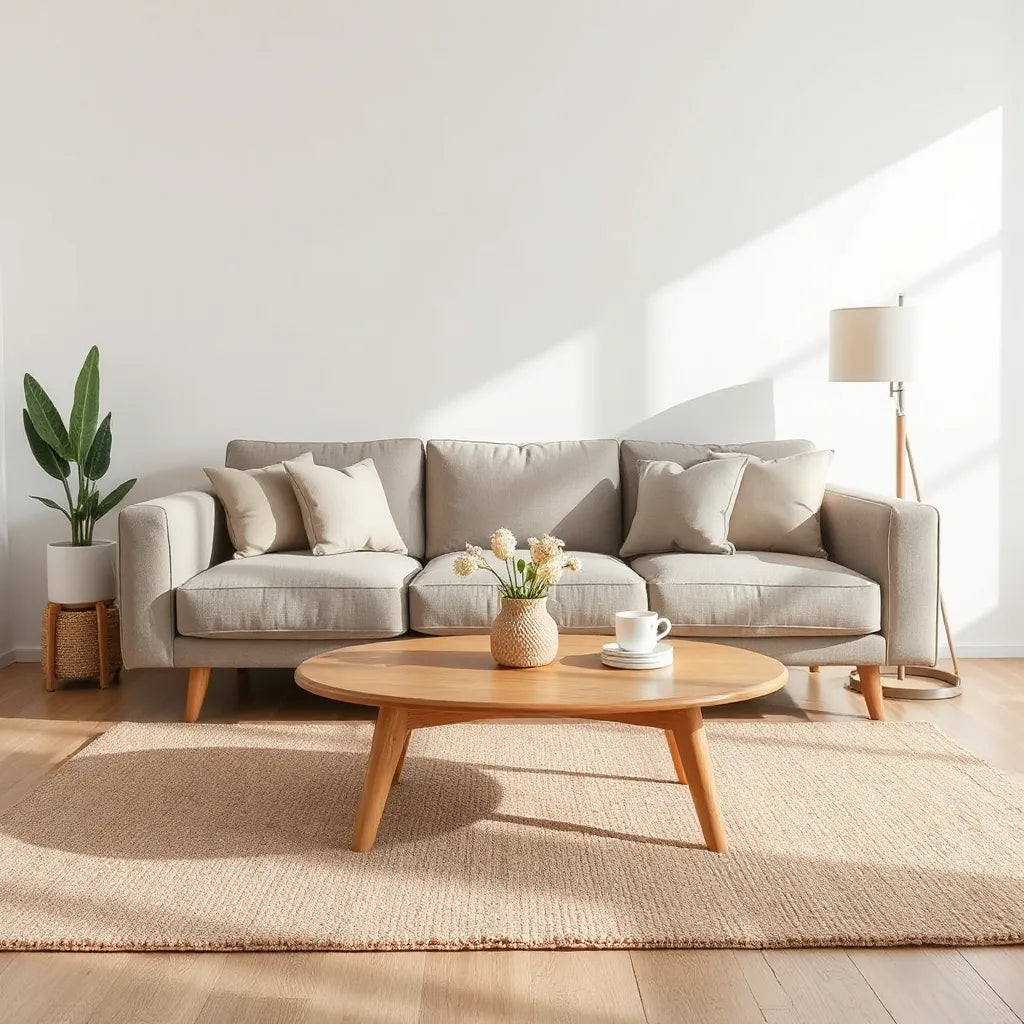
If you want a centerpiece for a living room or a functional table for daily use, you can explore options like Honin coffee table. A well-proportioned table supports both decor and routine, which helps affordable furnishings look more intentional.
Summary & Takeaways
Affordable home furnishings can deliver a cohesive, comfortable home when you choose with structure and purpose. Start with one anchor piece, plan your layout using accurate measurements, and prioritize durable materials for items used daily. Build the look in layers, then add personality through textiles and small decor elements that match your color plan.
- Plan categories first, then allocate within each category.
- Measure clearances and seating movement before purchasing.
- Choose materials for lifespan, not only appearance.
- Use consistent finishes and repeated shapes for visual unity.
- Style functional surfaces to reduce the need for extra decor.
If you apply these steps, you will avoid common budget mistakes and build a home that feels better over time, not just at the moment of purchase.
Q&A Section
How can I make affordable home furnishings look coordinated?
Use a simple color plan with one dominant tone and one or two supporting tones. Then repeat finishes across key items such as chair legs, cabinet hardware, and lighting. Finally, mix textures through textiles and rugs so the room looks layered instead of flat.
What should I prioritize when my budget is limited?
Prioritize pieces that impact daily comfort and routine. Seating stability, surface durability, and storage function usually provide the highest return. After you secure the core items, spend less on accessories that you can change more easily as your style evolves.
Are bar stools and dining chairs worth upgrading first?
Yes, when your seating is used frequently. Upgrading chairs improves comfort and posture, and it also changes the way a room looks from common sightlines. Focus on proper height, stability, and finishes that match your existing furniture. If you want to explore options, compare seating types such as Haruto bar stool and Emi bar stool for bar-height spaces.
How do I avoid buying the wrong size for my space?
Measure the room with clear rules: walking paths, door clearances, and seating movement. For dining, confirm that chairs can slide in fully. For tables, ensure there is enough space for tabletop use and for people to sit comfortably without crowding.
About the Author Section
Nisu Home is a home style and furnishing brand focused on practical design choices for everyday living. Our expertise centers on material selection, room layout, and coordinated aesthetics for homes of all sizes. We support customers with guidance that helps translate budget goals into a cohesive, functional interior. Thank you for reading, and we invite you to build a home that reflects both comfort and intentional style.
Disclaimer: This article provides general guidance for home furnishing decisions. Product availability, specifications, and features may vary. Always measure your space and confirm dimensions before purchase. The information above is for educational purposes and does not replace professional advice for specific design or construction needs.

Leave a comment
This site is protected by hCaptcha and the hCaptcha Privacy Policy and Terms of Service apply.