

Updated on: 2026-08-26
Comfort is only half the story when choosing seating. The right layout, materials, and dimensions determine whether a living room feels inviting or cramped. This guide explains how to select comfortable stylish sofas that match your space and lifestyle, from frame strength to upholstery performance. You will also find practical setup tips, styling ideas, and buyer checklists to reduce returns and improve long-term satisfaction.
1. Product Spotlight
2. Step-by-Step How-To
3. Personal Experience
4. Comfort Starts With Fit
5. Upholstery and Materials That Hold Up
6. Style That Looks Intentional
7. Summary & Recommendations
8. Q&A Section
9. About the Author
Product Spotlight: A Modern Pick for Everyday Comfort
When people search for comfortable stylish sofas, they often want two outcomes at once: a welcoming feel and an appearance that elevates the room. A practical way to achieve both is to select a sofa with a balanced silhouette, supportive cushioning, and upholstery designed for daily use.
One strong example is the Izumi chair collection line, which demonstrates how thoughtful proportions and readable design elements can make seating look polished without feeling stiff. While a chair is not a sofa, the design principles translate well. Look for a sofa that shares the same visual clarity: clean lines, refined edges, and a shape that does not overwhelm your floor plan. In real spaces, these details reduce clutter and make the whole seating zone feel cohesive.
Comfort and style also depend on how the sofa interacts with the rest of your room. If you already own a side chair or coffee table, pick a sofa that complements those forms rather than competing with them. That approach helps you create a composed layout, even if your home has multiple seating types.

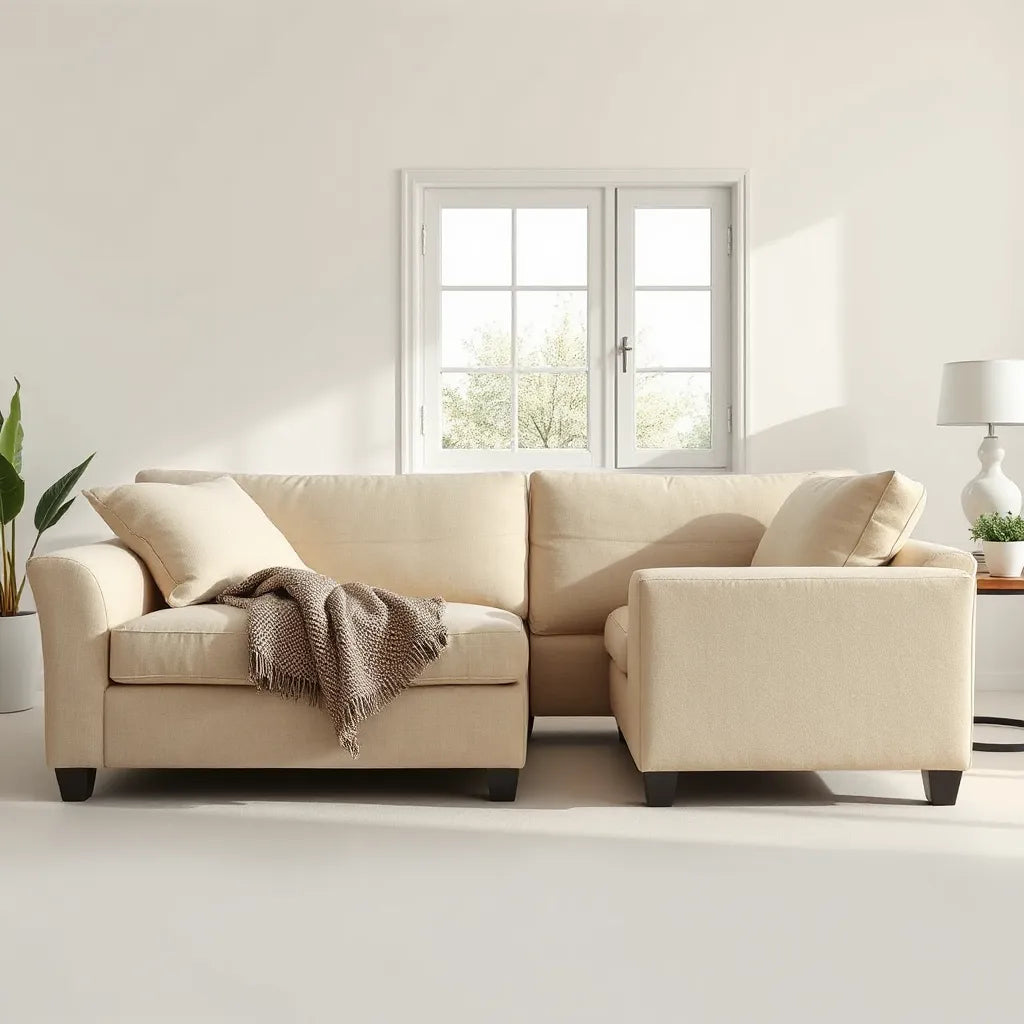
Layout cues: scale lines, seating zone outline
Step-by-Step How-To: Choose Comfortable Stylish Sofas With Confidence
Follow this process to narrow options quickly and avoid common mistakes. Each step focuses on measurable decisions, not guesswork.
-
Measure your space, then measure again. Note the wall-to-wall distance, walkway width, and the maximum sofa length that still allows doors and paths to move freely.
-
Decide the primary use of the sofa. For family movie nights, prioritize resilience and cushion recovery. For hosting, consider how easily people can sit up and stand.
-
Check seat depth and height. Seat depth should support long sitting without forcing your back into an unnatural angle. Seat height should align with your preferred standing motion.
-
Evaluate cushion construction. Look for cushioning that maintains shape over time. If the sofa has removable covers, confirm that the fabric fits cleanly after washing or dry cleaning.
-
Assess the frame and stability. A stable frame affects both comfort and longevity. Gently test for wobble and listen for structural creaks when pressure is applied.
-
Plan your layout before you fall in love. Create a simple diagram and place the sofa relative to the rug, coffee table, and main light source. Style is easier when the geometry is correct.
-
Choose upholstery for your lifestyle. If you have pets or frequent guests, select fabrics designed to resist stains and simplify care. For bright rooms, confirm colorfastness and avoid overly delicate weaves.
-
Confirm return and maintenance expectations. Read care instructions and check what coverage applies to upholstery wear. Clear expectations reduce future stress.
These steps help you find comfortable stylish sofas that look good on day one and still feel right later.
Personal Experience: The Sofa That Changed My Living Room Flow
When I first upgraded my living room, I focused too much on appearance. I selected a sofa that seemed visually perfect in photos, but the proportions were wrong for my room. After a few weeks, people kept shifting to one side because they felt cramped near the arm openings. I also noticed that the coffee table felt oddly distant for relaxed conversations.
Eventually, I measured the space properly and rebuilt the layout around realistic walking paths. The second sofa choice prioritized supportive seating geometry and easier movement around the perimeter. Once the fit improved, the room felt calm instead of tight. That experience taught me that comfort is not only about softness; it is about spatial balance, cushion support, and whether the seating zone invites natural interaction.
If you want comfortable stylish sofas, treat fit as a design requirement, not a final adjustment.
Comfort Starts With Fit: Seat Geometry, Arm Style, and Room Scale
Comfort is a combination of physical support and practical usability. Even a high-quality sofa can feel inconvenient if the arm height blocks your posture or if the seat depth is too short.
Seat depth and leg position
Seat depth influences how your legs settle. If the seat is too shallow, you may feel like you are perched. If it is too deep, you may slump and lose back support. Many households prefer a balanced depth that allows the backrest to support the mid-back without pressing behind the knees.
Arm height and posture
Arms change how people relax. Lower arms often encourage a more casual curl, while taller arms can support side rests. Consider whether you sit upright for reading or lean back during longer conversations.
Room scale and visual weight
Scale is both comfort and style. A sofa that is too large can make a room feel busy, while a sofa that is too small can create awkward empty space. Use your rug size as a reference. A well-proportioned sofa typically anchors the seating area so that the front legs (or the entire base line) visually connect with the rug.

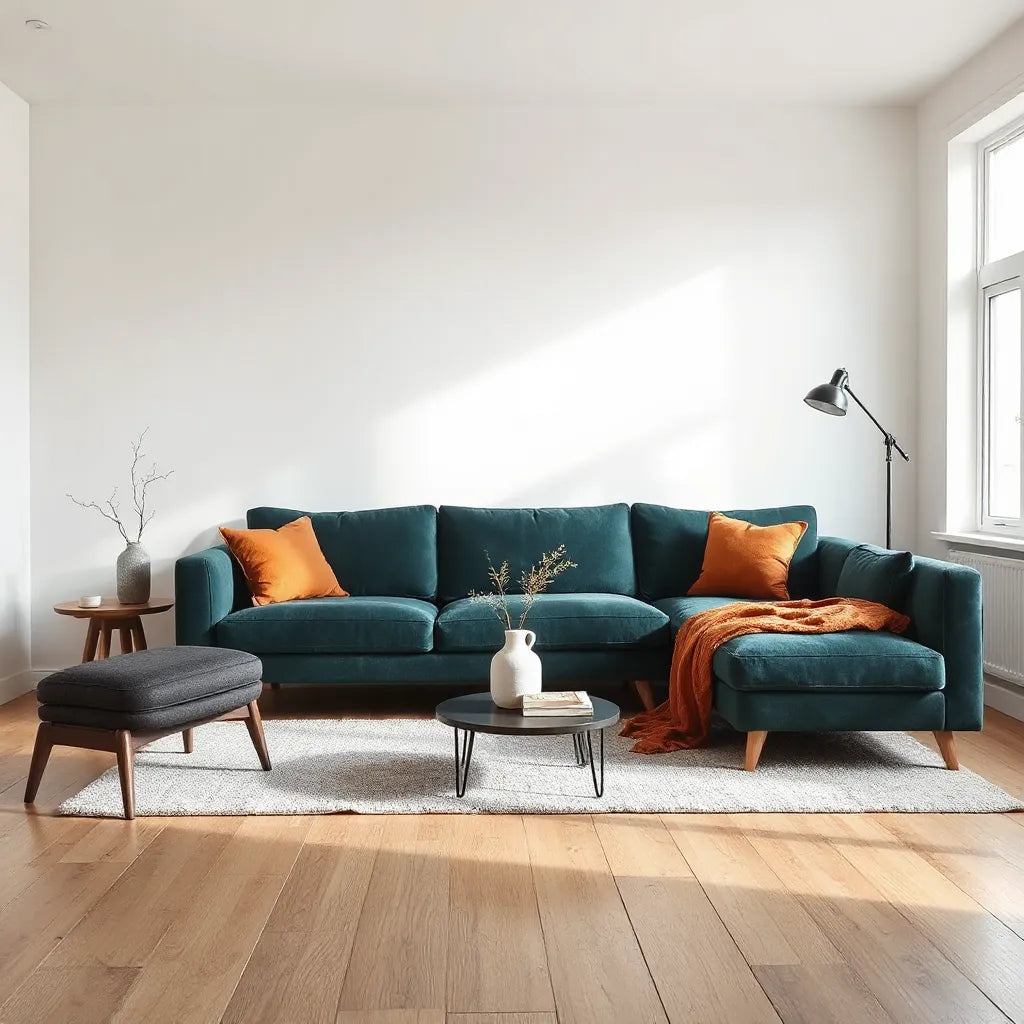
Comfort map: seat depth lines, arm angle cues
Upholstery and Materials That Hold Up
Materials determine comfort at touch time and performance over months of daily use. The best approach is to match upholstery to real household needs, not ideal scenarios.
Fabric performance and daily care
Choose fabrics that resist abrasion if you host frequently. For homes with pets, consider upholstery with tighter weaves that reduce snagging. If you prefer light colors, verify stain resistance and plan for consistent cleaning routines that prevent buildup.
Foam, padding, and cushion recovery
Comfort changes when cushions lose shape. Quality cushioning should recover after sitting so the sofa maintains its intended form. If cushions are designed to be fluffed or rotated, confirm that the maintenance process fits your schedule.
Stitching, seams, and edge finishing
Look closely at seams and edge finishing. Clean stitching can indicate attention to construction quality. Seams also affect comfort because uneven edges can create pressure points over time.
Color and light exposure
Upholstery color impacts how the entire room feels. Sofas in darker tones can hide everyday marks but may show dust more clearly. Sofas in lighter tones create an airy atmosphere, but they require disciplined cleaning habits. Pick a shade that matches your lighting conditions to keep the look fresh.
Style That Looks Intentional: Shape, Color, and Pairing
Style is not decoration. It is the outcome of coordinated proportions, consistent design language, and purposeful placement. Comfortable stylish sofas work best when they blend into the room while still acting as the focal point.
Choose a silhouette that coordinates
Minimalist silhouettes work well in modern interiors because they reduce visual noise. Sofas with simple lines also pair easily with accent chairs, side tables, and storage pieces. If your room has multiple seating types, consistent edges and proportions can unify the set.
Use complementary textures
Texture adds depth without clutter. If the sofa upholstery is smooth, pair it with a textured throw or a woven rug. If the sofa fabric is already textured, keep accessories simpler so the room stays balanced.
Build a coherent seating cluster
A coherent cluster makes the sofa feel like part of a larger system. Position accent chairs so that people can face each other naturally. Add a coffee table that matches the sofa height for comfortable reach while seated. When you want additional seating, consider a chair or side piece that shares similar design language. For example, the Toshiro chair can complement modern seating zones due to its clean visual structure.
Do not ignore storage and surface planning
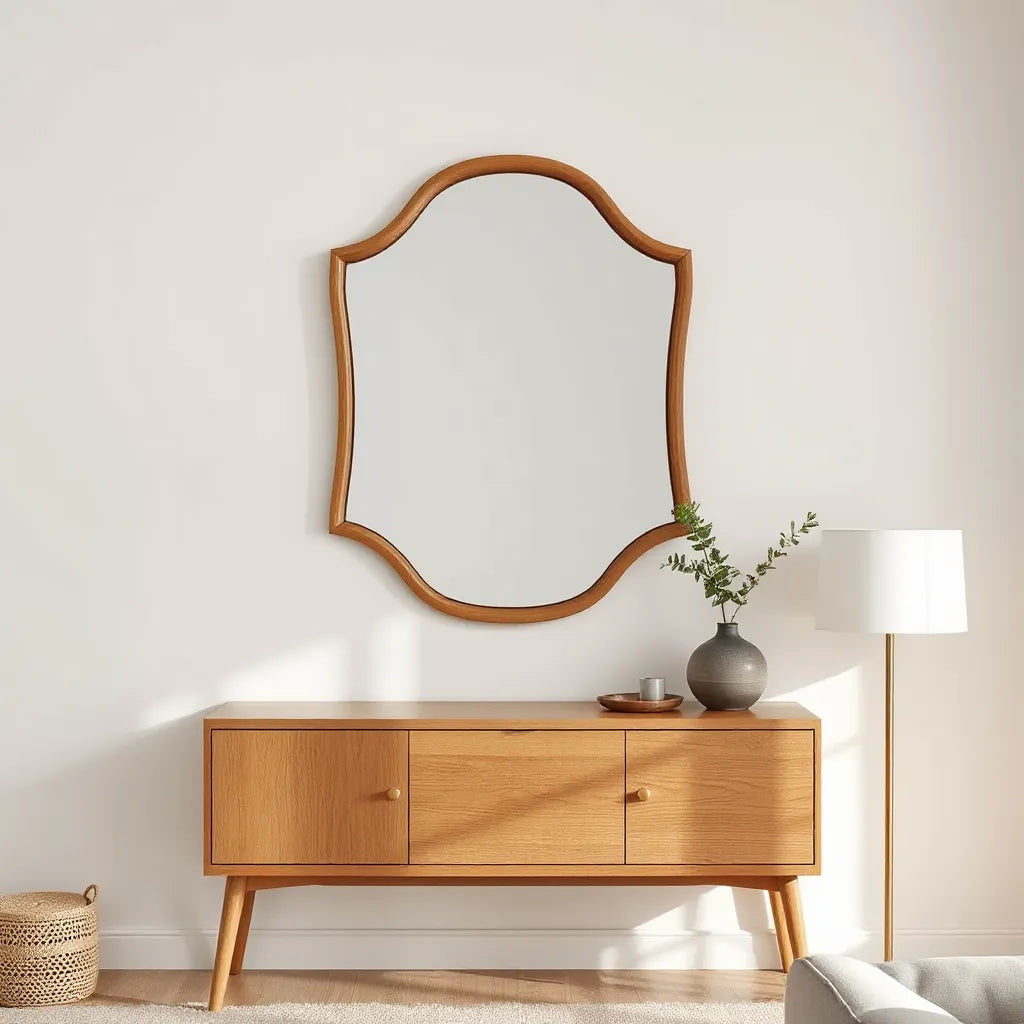
Many living rooms need more than seating. If your space is compact, a cabinet or storage element can reduce clutter around the sofa. The Asuka cabinet is an example of how storage can support a tidy, styled environment.
Summary & Recommendations
Comfort and style should be planned together. To choose comfortable stylish sofas, prioritize fit first: seat depth, arm height, and room scale directly influence how the sofa feels. Next, select upholstery based on your household needs, including cleaning expectations, durability, and color performance. Finally, build a coherent seating zone by pairing textures and silhouettes that coordinate with your existing furniture.
For best results, measure accurately, test stability, and confirm maintenance requirements before purchase. If possible, compare multiple options against the same layout diagram. This disciplined approach helps you obtain a sofa that looks refined, supports everyday living, and remains visually consistent over time.
Q&A Section
How do I know whether a sofa is truly comfortable for long sitting?
Assess seat depth, back support, and cushion recovery. When you sit, your posture should feel supported rather than forced. If the sofa allows you to sit upright and relax your shoulders without sliding forward, it is more likely to remain comfortable over long periods.
What is the safest way to match a sofa with an existing living room?
Start with proportions and visual language. Choose a sofa that matches the room’s scale, then align the silhouette with your other seating pieces. After that, coordinate color through complementary textiles such as rugs, curtains, and throws instead of relying on the sofa alone.
Which upholstery characteristics matter most for everyday durability?
Focus on cushion recovery, fabric weave tightness, and seam finishing. Tight weaves typically resist snagging and abrasion better. Quality cushioning should retain shape, and well-finished seams help prevent early wear at stress points.
Should I prioritize style or comfort first when buying a sofa?
Choose comfort and style together, but let fit drive the decision. A visually attractive sofa that does not work in your space will create daily inconvenience. Once the sofa matches your measurements and seating needs, style becomes easier to refine with textures and coordinated accessories.
About the Author
Nisu Home is an editorial resource focused on interior comfort, layout planning, and furniture durability. The author’s expertise centers on practical styling guidance and material-aware buying decisions for everyday living. With a commitment to clear, standards-based recommendations, the team helps readers create spaces that feel both inviting and well-organized. Thank you for reading, and may your next seating choice support a more comfortable home.

Leave a comment
This site is protected by hCaptcha and the hCaptcha Privacy Policy and Terms of Service apply.