

Updated on: 2026-08-27
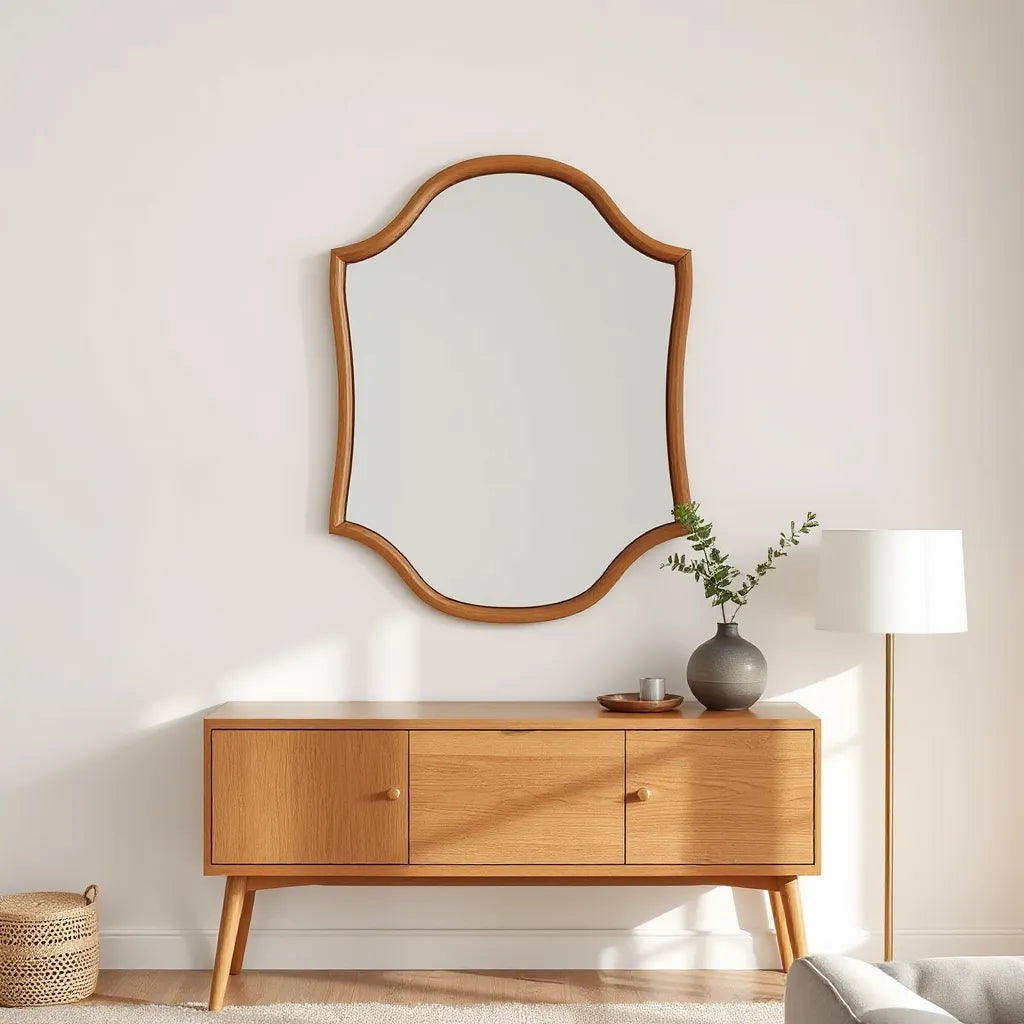
Unique wall mirrors can transform a room by adding light, depth, and visual balance without requiring a full renovation. The right shape, frame, and placement can elevate everyday spaces such as hallways, dining areas, and living rooms. Mirrors also support practical design goals, including improved sight lines and a cleaner, more intentional layout. This guide explains how to choose distinctive mirrors, place them correctly, and maintain them for long-term style.
Table of Contents
How unique wall mirrors change your space
Unique wall mirrors are more than functional glass. They are design objects that influence how a room feels every day. When a mirror is selected with intention, it can make a space appear larger, brighter, and more organized. The effect is not only visual. A well-placed mirror can improve circulation by guiding attention and creating a smoother flow through the layout.
Many interiors rely on layers: wall color, flooring, lighting, and furniture. A mirror adds a reflective layer that interacts with those elements. Light bounces off reflective surfaces and returns to the room, which can reduce shadows and soften contrast. Distinctive shapes also provide a focal point that draws the eye upward or across the space, supporting a balanced composition.
It is important to evaluate your room as a whole. For example, a hallway often needs a solution that supports both function and style. A living room may need a statement piece that connects seating and wall decor. A dining area often benefits from a mirror that enhances ambient light from fixtures and windows.

Light rays, wall reflections, and balanced room shapes
Benefits and reasons to choose distinctive mirrors
Instant brightness and depth
Mirrors can increase perceived brightness by reflecting natural light and interior lighting. In smaller rooms, that added depth can make walls feel less distant. Even in larger spaces, reflection helps distribute light more evenly across surfaces.
Stronger interior cohesion
Unique wall mirrors can align with the design language of your home. A frame with warm wood tones can harmonize with furniture finishes. A metal frame with clean lines can complement modern, minimal layouts. When a mirror is chosen to match or intentionally contrast, it helps your space feel curated rather than accidental.
Purposeful focal points
Many rooms require a visual anchor. Instead of adding more decor, a mirror can serve as a primary focal point. This approach reduces clutter and gives the eye a clear destination.
Practical daily use
A mirror supports routine tasks such as last-minute checks and grooming. When it is also visually distinctive, it becomes part of the room’s design rather than a purely functional accessory.
Choosing the right style for a cohesive look
The best distinctive mirror for your home depends on both your style preferences and your room’s geometry. Start by identifying the dominant design cues in your space. Are your lines mostly rounded or angular? Is the palette neutral, warm, or cool? Do you use more textiles or more hard surfaces? Your mirror should respond to those cues.
Match the room’s shapes
If your furniture features rounded edges and soft curves, consider a mirror with a gentle silhouette. If your space has strong straight lines, a mirror with a refined frame and balanced angles may fit more naturally. Shape matching is one of the simplest ways to achieve cohesion.
Use the frame as a design signal
The frame can define the mirror’s visual character. A slim frame can create a light, modern feel. A thicker frame can add structure and formality. If you want a refined look, prioritize consistent finish quality and clean proportions.
Consider contrast with intention
Contrast can be effective when it is controlled. For example, a sleek mirror can contrast with a textured wall or layered artwork. The key is to keep the rest of the space balanced so the mirror does not compete with other focal points.
Keep scale aligned with the wall
Scale affects everything, from visual balance to how the mirror influences traffic flow. A small mirror in a large empty wall can look incomplete. A very large mirror in a narrow entry can feel overwhelming. When in doubt, measure the wall area and plan for visual breathing room around the mirror.
Placement guidelines for maximum impact
Placement is where style becomes functional. Even a beautiful mirror can underperform if its location is poorly chosen. Use these guidelines to create a predictable, high-quality outcome.
Use eye-level positioning
For most homes, positioning the center of the mirror at approximately eye level supports comfortable viewing. If the mirror is used primarily for styling or checks, this height improves usability. If it is meant to create a broader reflective effect, a slightly higher placement can also work, as long as it remains visually balanced.
Anchor the mirror to furniture and sight lines
In living rooms, consider placing the mirror above a console table, behind a seating arrangement, or adjacent to an accent wall. The mirror should align with key furniture lines. In dining areas, a mirror can enhance wall symmetry and reflect light from overhead fixtures.
Create depth with strategic reflections
Reflective surfaces should reinforce what you already like in the room. Point the mirror toward a desirable area such as a window, a lamp, or a visually attractive wall detail. Avoid reflecting clutter or unflattering sight lines, since mirrors amplify what they face.
Mind the surrounding spacing
Mirrors need space to read as a deliberate design element. Use consistent margins from nearby art, lighting, or architectural features. When the mirror is placed too close to other items, the overall wall arrangement can feel crowded.
Think about layering
Layering can include a mirror plus framed art, wall shelves, or lighting. When combining items, ensure the mirror remains a clear center point. The mirror can be paired with smaller decor to build a refined wall composition.

Guides for height, alignment, and reflection direction
Materials and frame considerations that matter
The long-term look of a mirror depends on frame materials, finish quality, and installation method. When selecting a distinctive mirror, treat the frame as seriously as you treat the glass.
Frame finish and maintenance
Different finishes respond differently to fingerprints, moisture, and cleaning products. Choose a finish that matches your home routine. If your space experiences frequent traffic, prioritize a finish that can be cleaned without damaging the surface. For bathrooms or entry areas, consider how the mirror will handle humidity exposure.
Glass quality and distortion control
Quality glass reduces visual distortion and supports a crisp reflection. Even when the frame design is dramatic, glass clarity remains essential. Avoid mirrors with visible waviness or inconsistent reflection, since distortion can undermine both usability and aesthetic intent.
Mounting method and safety
Installation must be secure and appropriate for wall types. Use proper hardware and confirm weight compatibility with your wall structure. If you are unsure about the mounting surface, professional installation can prevent alignment issues and improve safety.
Compatibility with lighting
Consider how your lighting interacts with the mirror. Warm-toned lighting often pairs well with wood finishes and soft frames. Brighter, cooler lighting can enhance metal accents and crisp silhouettes. Plan the mirror around how the room is lit during the times you use it most.
FAQ
How do unique wall mirrors help small rooms look larger?
They reflect light and create depth, which reduces the visual feeling of limited space. When placed to face natural light or a curated wall detail, the mirror expands the perceived area and improves overall brightness.
What size should I choose for a hallway mirror?
Measure the wall length and consider how much empty space you want around the mirror. A mirror that is too small can look disconnected, while one that is too large may crowd the walkway. In many halls, a vertically oriented mirror with balanced margins creates a stable, elegant result.
Do I need a specific frame style to match modern decor?
No single frame style fits every modern interior. However, clean lines, consistent finishes, and controlled proportions tend to work well in contemporary spaces. If your furniture uses strong geometry, select a mirror frame that echoes that structure without adding competing visual noise.
Can a mirror replace wall art?
In some layouts, a mirror can function as the primary wall focus, similar to how artwork anchors a wall. For a layered look, pair the mirror with minimal complementary pieces such as small framed photos or a single accent shelf, ensuring the mirror remains the dominant element.
Final thoughts and recommendations
Choosing unique wall mirrors is a practical way to upgrade your interior without major construction. Focus on three core factors: visual cohesion with your existing design, deliberate placement that improves reflections, and frame materials that match your maintenance needs. When those elements align, the mirror becomes a long-lasting design asset.
If you are also refreshing seating or dining zones, a coordinated approach across the room can strengthen the overall aesthetic. For example, you can align your wall updates with complementary furniture finishes by exploring options such as the Izumi chair. For a broader perspective on curated home styling, you may also review ideas from The Oddinary Collective.
Prioritize measurements and lighting direction, and select a mirror that reflects the style you want to live with for years.
About the author
Nisu Home is a design and retail content group specializing in modern interior styling, product storytelling, and practical home improvement guidance. The team focuses on how materials, layout, and finishing details influence daily comfort and visual harmony. Their expertise supports shoppers who want confident decisions and cohesive results. Thanks for reading, and may your next design choice bring clarity and character to your home.

Leave a comment
This site is protected by hCaptcha and the hCaptcha Privacy Policy and Terms of Service apply.