

Updated on: 2026-08-25
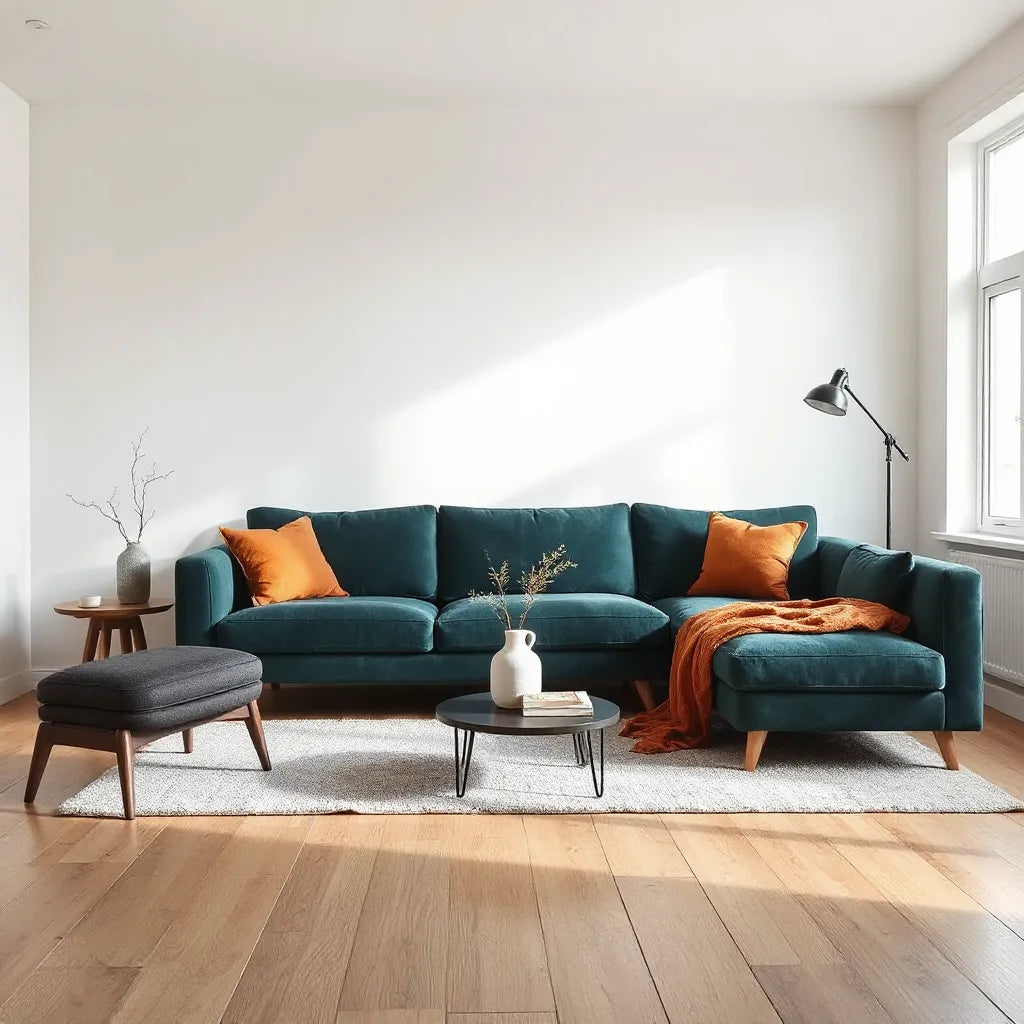
Choosing bold design furniture can transform a room without requiring a full renovation. It brings clarity to your layout and creates a focal point that supports the entire space. The right piece balances visual impact with comfort, scale, and everyday durability. This guide explains what to look for, how to compare options, and how to buy with confidence.
1. Why Bold Style Works in Real Homes
2. Did You Know? High-Impact Furniture Behaviors
3. Comparison: Pros & Cons of Statement Pieces
4. Buyer’s Checklist for Bold Design Furniture
5. How to Mix Bold Pieces With Neutrals
6. Choosing Materials, Colors, and Finishes
Why Bold Style Works in Real Homes
Bold design furniture is most effective when it performs two jobs at once: it delivers visual energy and it improves how a room functions. A single chair, cabinet, or table can define a zone for dining, reading, or conversation. When the piece has a strong silhouette or a precise geometry, the rest of the interior can follow its rhythm.
In practice, statement furniture does not have to be loud. It can be bold through form, proportion, and craftsmanship. Clean lines and sculptural shapes often look confident without relying on bright color. Likewise, dark finishes can feel dramatic while still reading as refined and calm. The key is intentional contrast: contrast between texture and smoothness, or between matte and gloss, or between warm and cool tones.
To buy well, start with your space rather than the trend. Measure the available width and plan where the piece will sit when doors open and when you need clear walkways. Then consider how the room is used daily. A dining area needs stability and easy cleaning. A work corner needs comfort and ergonomic support. A bold look that ignores function will eventually feel frustrating.

Geometric lighting shapes showing focal-point balance
Did You Know?
- Visual hierarchy influences how spacious a room feels. Clear focal points reduce “pattern clutter.”
- Proportion is more persuasive than color. A chair with an assertive profile can look bold even in neutral upholstery.
- Consistency in finish helps bold furniture blend. Matching wood tone or metal color across two or three items lowers visual friction.
- Texture acts like a color. Velvet-like surfaces, woven fabrics, and brushed finishes create depth even when palettes are muted.
- Scale matters first. A statement piece that is too large can compress movement. A piece that is too small can feel insignificant, despite its design.
Comparison: Pros & Cons of Statement Pieces
-
Pros
- Creates an immediate focal point that anchors the entire room.
- Improves design cohesion by giving other elements a clear direction.
- Supports flexible styling as seasons change through accessories only.
- Often highlights craftsmanship details that are hard to replicate with minimal designs.
-
Cons
- Can overpower a small room if scale and spacing are not planned.
- May require more careful pairing with fabrics, wall color, and lighting.
- Higher visual prominence can make imperfections or stains more noticeable.
- Bold silhouettes may limit swapping styles without changing the surrounding layout.
Buyer’s Checklist for Bold Design Furniture
A practical checklist prevents costly mistakes. Use it before you purchase so the piece supports your lifestyle and your room’s proportions.
1. Confirm size, clearance, and placement
- Measure the width of the space where the piece will live.
- Plan clearance for drawers, doors, and seating movement.
- Verify height relative to your table or counter so proportions stay balanced.
2. Choose a bold element you can live with
- Select one dominant design feature: silhouette, color, or texture.
- Keep the rest of the room calmer to prevent competing statement effects.
3. Evaluate comfort and usability
- For seating, check seat depth and back support behavior after a short test period if possible.
- For dining and work pieces, consider posture and the feel of the surface.
4. Inspect materials and finishing quality
- Look for sturdy joinery and consistent edges.
- Check that upholstery or coverings are even and well tensioned.
- Consider how the finish will age with daily contact.
5. Ensure the piece fits your maintenance routine
- Pick fabrics you can clean easily with tools you already own.
- Confirm that the surface is appropriate for your household environment.
6. Plan compatibility with other items
- Match undertones in wood and metal. Warm woods generally pair better with warm accents.
- Use one repeating pattern or material to connect the bold piece to the rest of the space.
When you follow these steps, the purchase becomes less about impulse and more about design logic. That is how bold furniture stays timeless instead of feeling temporary.
Yokina Chair - designer armchair UK

View Yokina Chair
How to Mix Bold Pieces With Neutrals
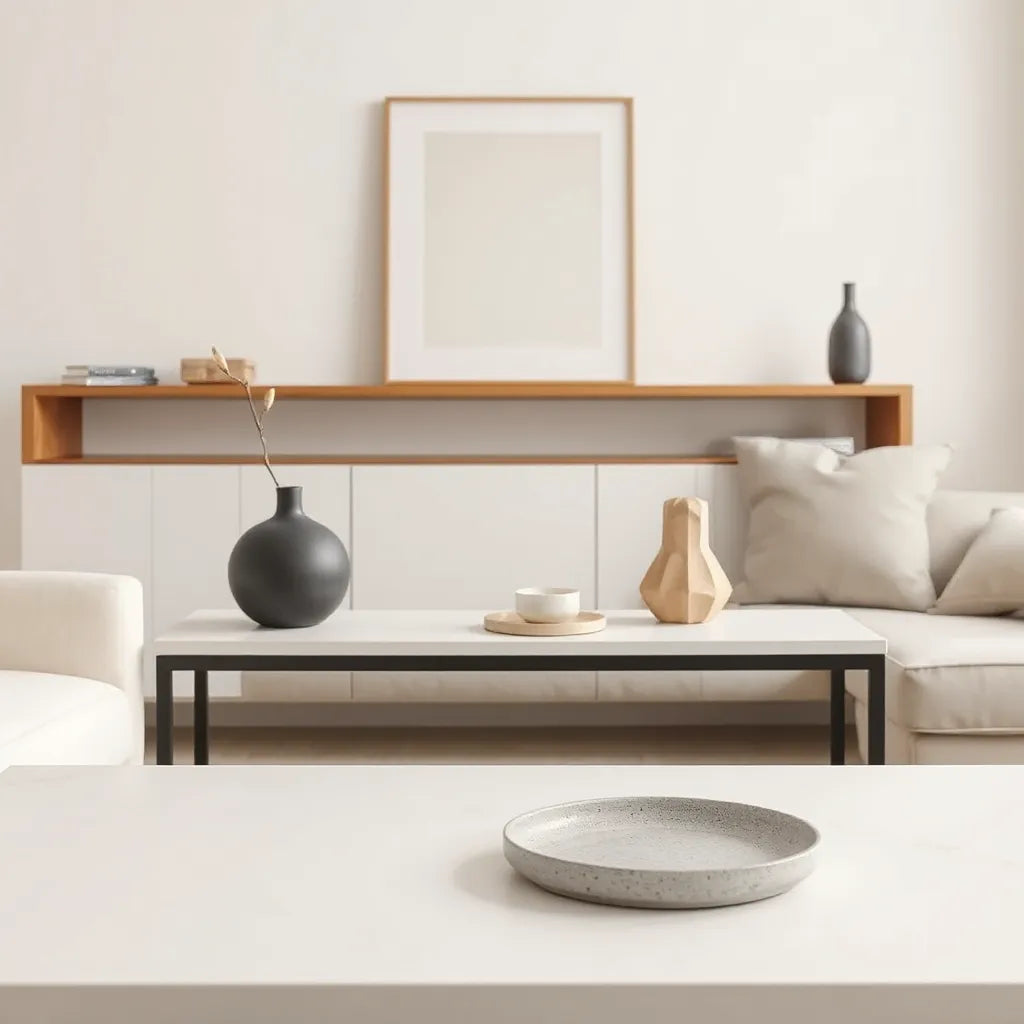
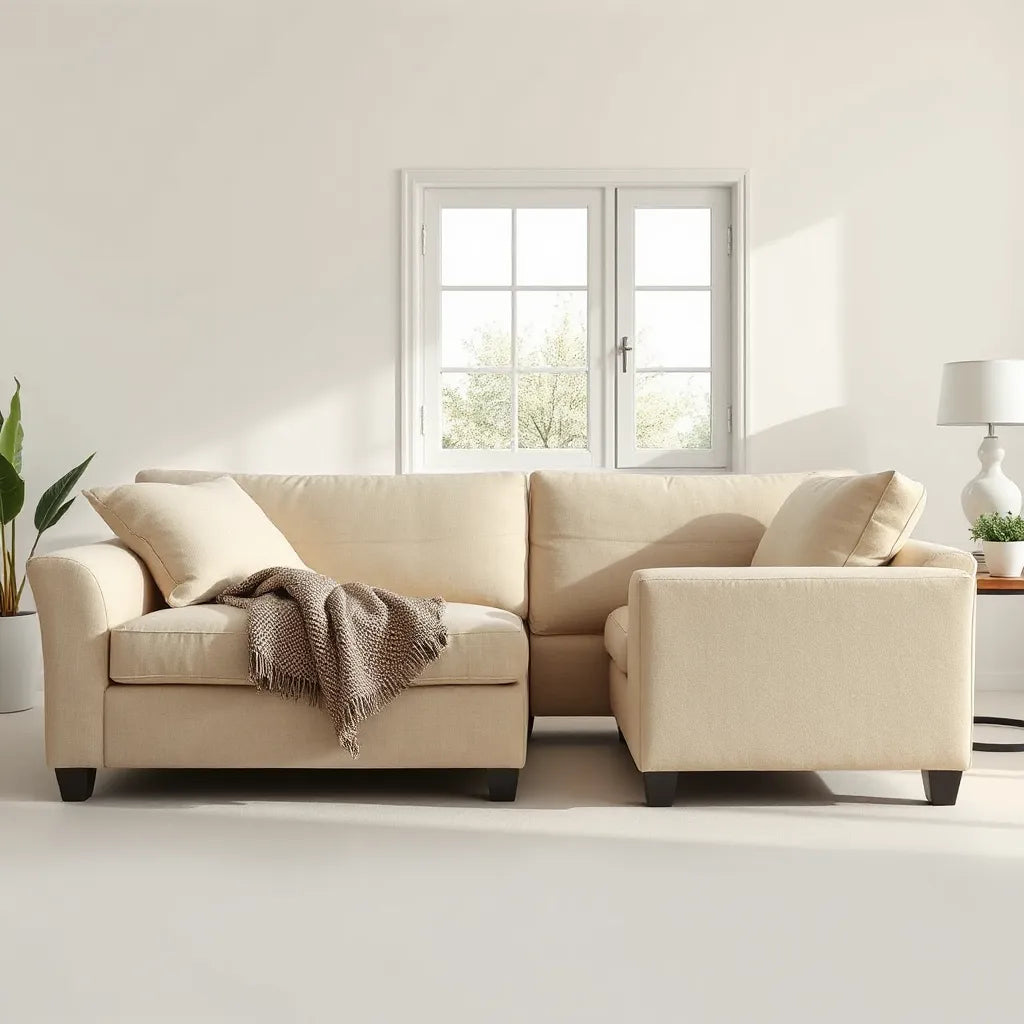
The easiest way to make bold design furniture look intentional is to build a neutral base. Start with flooring, walls, and larger textiles in soft tones. Beige, warm gray, off-white, and muted greige reduce visual noise and help structured shapes stand out.
Next, limit your bold elements to two categories. For example, if you choose a sculptural chair profile, keep your curtains and rug pattern minimal. If your furniture has a strong color, reduce boldness in lighting and accessories. This approach protects your room from “design competition,” where too many items try to be the star.
Lighting is also a control layer. Soft, diffused light can make dark finishes look welcoming instead of heavy. Directional lighting can emphasize edges and angles. If the bold piece includes reflective components, place lighting so it highlights form without creating glare.
To reinforce cohesion, consider repeating one visual cue. Use the same wood tone in one small accessory. Or repeat the metal color in a lamp or mirror frame. Small repetitions help the eye read the room as curated rather than accidental.
Choosing Materials, Colors, and Finishes
Bold design furniture often stands out because of its material choices. The most successful pieces combine a strong visual language with practical endurance.
Upholstery and texture
Upholstery can make a piece feel bold in a controlled way. A structured fabric with tight seams emphasizes geometry. A matte textile can soften dramatic shapes. If you expect frequent use, prioritize coverings that resist everyday wear and allow straightforward cleaning.
Wood tone and grain
Wood provides warmth and depth. When a piece uses darker or richer tones, it can create contrast against lighter walls. Grain patterns can also introduce subtle motion. To avoid mismatch, check whether other surfaces in the room share a similar undertone.
Metals and hardware
Metal accents can sharpen the look. Brushed finishes tend to hide dust better than high polish. Consistent metal color also reduces clutter. If your room includes multiple metals already, keep the bold piece aligned with the most frequent metal tone.
Color strategy
Color can be bold, but it should still be governed by harmony. Choose a color that echoes something already present: a warm tone in flooring, a cool tone in wall paint, or a consistent hue in decorative objects. A good rule is to let the bold furniture introduce one “hero” shade, while the rest of the palette remains supportive.
If you are curating seating options and want a clear direction for bar or counter areas, you can explore how different silhouettes change the overall rhythm. For example, you can compare a sculptural counter option with a chair style from Nisu Home to see how scale and line affect the room’s energy:

Color swatches paired with texture samples for balance
Styling and Maintenance for Long-Term Use
Bold furniture earns its keep when styling and maintenance support it. A consistent routine keeps the piece looking intentional instead of neglected.
Use accessories that support the silhouette
When a chair or cabinet has strong lines, choose cushions and throws that do not fight the shape. Simple patterns and solid tones generally work best. If you want texture, use it in layers: a knit throw over a smooth seat or a woven cushion on a refined base.
For tables and cabinets, keep surfaces uncluttered. A bold piece often looks best with negative space. The goal is to let the design breathe so the focal point remains clear.
Plan seasonal refreshes with low risk changes
Instead of changing the furniture, update small elements. Swap cushion covers, adjust curtain weight, and refresh artwork. This keeps the bold piece central while allowing the room to feel new across the year.
Maintenance basics that preserve appearance
- Use gentle cleaning methods appropriate to the material. Avoid harsh abrasives on finishes.
- Protect high-contact surfaces. Placing coasters under drinks and using armrest covers for heavy use can reduce wear.
- Keep airflow consistent. Excess moisture can damage wood and degrade upholstery.
- Address spills quickly. Immediate attention prevents deeper staining and keeps colors true.
When bold design furniture starts to feel too strong
Over time, a space can drift. If the room feels visually heavy, adjust light temperature, reduce reflective accessories, and add soft textiles. Rugs with lower contrast can calm the scene. If the bold piece sits near another statement element, move accessories so only one focal point remains dominant.
If you need seating alternatives that maintain a bold presence while staying comfortable, it can help to explore different chair forms from Nisu Home:
Final Thoughts & Advice
Bold design furniture is a strategic choice, not a decorative gamble. When you match scale to your room, select materials that match your lifestyle, and build a neutral base, the result is both striking and stable. Focus on one hero element, repeat a small cue, and keep accessories supportive. With a clear checklist and a maintenance plan, statement pieces remain elegant for years.
If you are refining your shopping list, start by identifying the room zone that needs leadership. Then choose one piece that delivers strong form and practical comfort. That method reduces risk and increases satisfaction.
Q&A Section
How do I choose bold design furniture without making my room look crowded?
Begin with measurements and clearance. A bold piece should have enough surrounding space for the eye to rest. Then keep the rest of the room restrained by using simple patterns, fewer competing textures, and a consistent color undertone across walls and large textiles.
What is the safest way to match bold furniture with neutrals?
Use neutrals as the foundation and let the bold piece introduce one dominant feature, such as sculptural shape or a defined color. Reinforce compatibility by repeating one element, such as the same wood undertone or metal tone, in a small number of accessories.
How should I care for statement furniture to keep it looking premium?
Follow material-specific cleaning guidance and treat high-contact areas early. Place protective items under drinks, avoid abrasive cleaning on finishes, and address spills quickly. Regular care prevents dulling, discoloration, and premature wear.
Should I buy one statement piece or multiple bold items at once?
For most rooms, one primary statement item provides clarity and reduces visual conflict. Add secondary bold elements only after the room layout is stable, and ensure the additional items share a common design cue such as texture, finish, or silhouette language.
About the Author
Nisu Home
Nisu Home is a home design and product curation team focused on interior styling, furniture selection, and practical guidance for modern spaces. Our topic expertise centers on how form, material, and proportion work together to create rooms that feel cohesive and comfortable. We aim to make bold choices easier to evaluate and safer to buy. Thank you for reading and for taking design seriously.
Disclaimer: This article provides general guidance for furniture selection and interior styling. Always review product specifications, care instructions, and dimensions before purchase.

Leave a comment
This site is protected by hCaptcha and the hCaptcha Privacy Policy and Terms of Service apply.